Precision digital embroidery machine Solutions for Austria's Textile Elite

Empowering Austrian ateliers and industrial manufacturers with high-performance automation for luxury fabrics and specialized apparel.

The Landscape of Specialized Equipment Manufacturing in Austria

Analyzing the synergy between Austrian craftsmanship and modern digital embroidery technology.

Austria's manufacturing sector, particularly in the textile and apparel industry, is characterized by a strong commitment to "Qualität" (quality) and sustainable production. In regions like Vorarlberg and Styria, the demand for high-precision equipment is driven by a shift toward small-batch, high-value luxury production, making the embroidery machine single head a vital tool for boutique designers who prioritize exclusivity over volume.

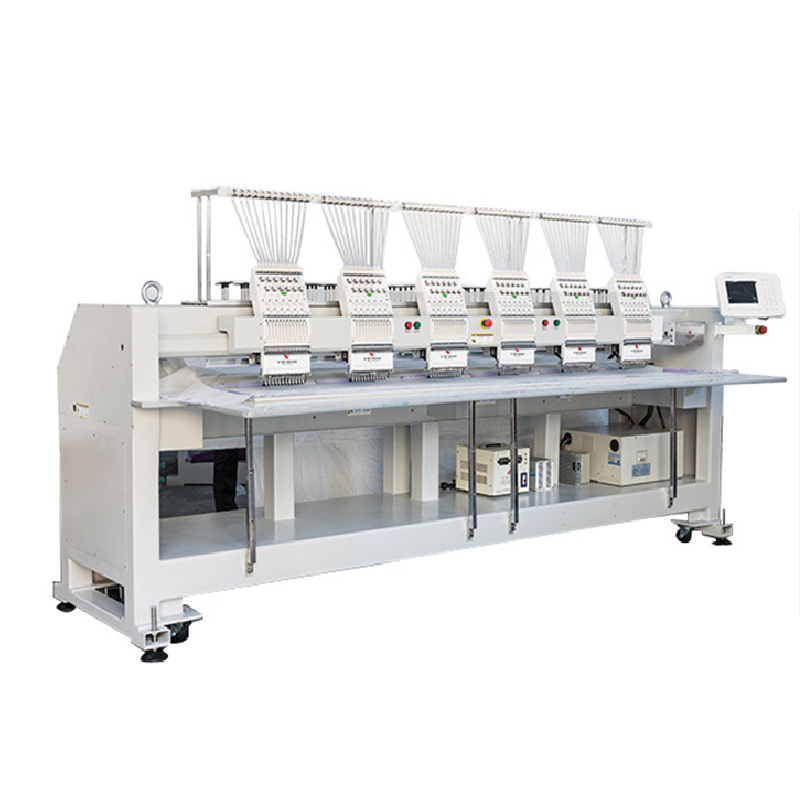
The economic environment in Austria favors energy-efficient and low-noise machinery to comply with strict EU environmental regulations. Local manufacturers are increasingly integrating multi head embroidery machine systems to balance the need for scalability with the precision required for intricate Alpine-inspired patterns and traditional Tracht clothing.

Currently, the market is witnessing a transition where traditional mechanical expertise is merging with IoT capabilities. This evolution allows Austrian workshops to maintain their heritage of artisanal quality while utilizing digital workflows to reduce waste and optimize material usage in the specialized equipment sector.
Evolution of Embroidery Technology in Central Europe

From manual artistry to the era of intelligent automation.

Market Development History

Until the late 20th century, the Austrian textile market relied heavily on manual embroidery and early mechanical looms. The first major shift occurred in the 1990s with the introduction of basic computerized patterns, allowing for more consistent reproduction of complex motifs.

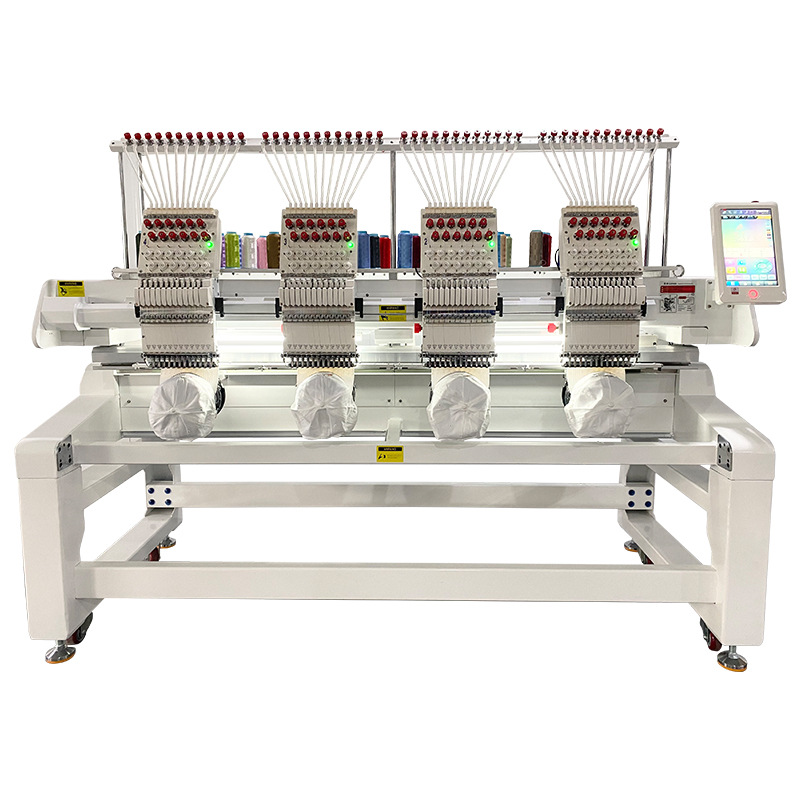
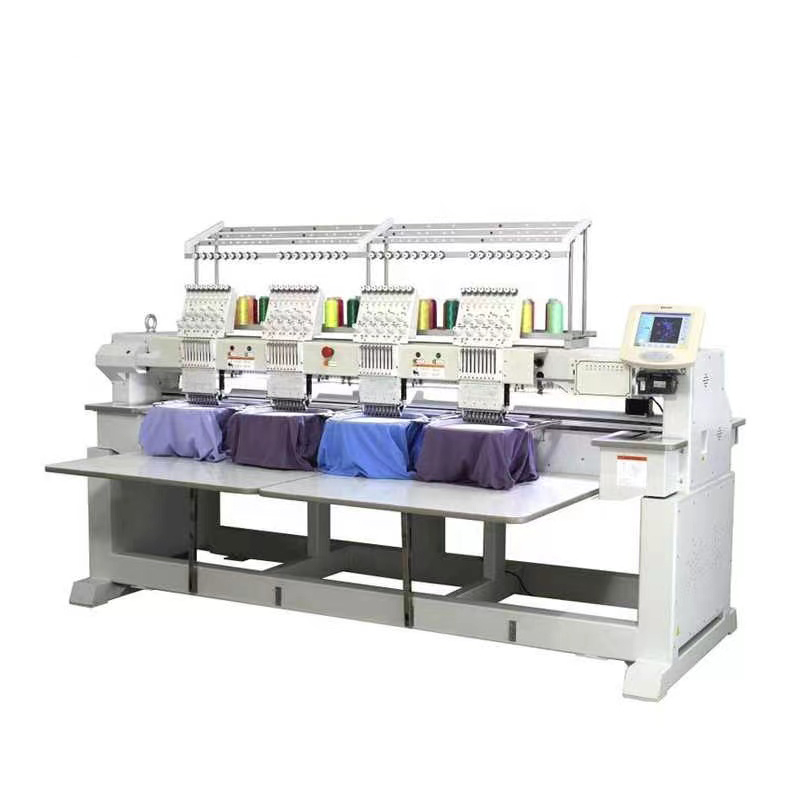
By the 2010s, the transition to fully integrated software systems saw the rise of the 4 head embroidery machine as a standard for medium-sized enterprises, providing the perfect equilibrium between production speed and operational flexibility.

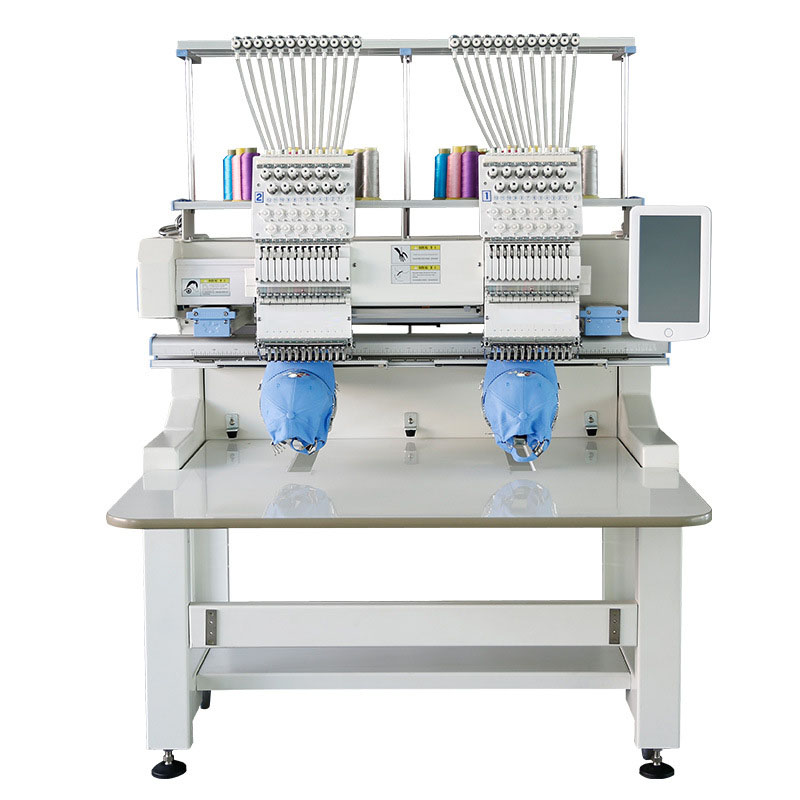
Entering the 2020s, the focus shifted toward extreme specialization. The development of dedicated cap embroidery machine technology revolutionized the sportswear and corporate branding sectors in Vienna and Salzburg, enabling precise stitching on curved surfaces.

Future Development Trends

AI-Driven Pattern Optimization

Integrating artificial intelligence to automatically adjust tension and stitch density based on fabric thickness in real-time, reducing human error in high-end Austrian silk production.

Sustainable Material Compatibility

Engineering machines specifically designed for recycled polymers and organic Austrian linens, ensuring thread stability without damaging eco-friendly fibers.

Cloud-Based Fleet Management

Transitioning toward remote monitoring where multiple units can be synchronized via the cloud to ensure uniform quality across different production sites.

Industry Outlook and Future Projections

Predicting the trajectory of textile machinery based on Google search trends and industrial shifts.

Hyper-Personalization
Growth in "On-Demand" embroidery services requiring rapid setup and single-piece efficiency.
Eco-Efficiency
Demand for machines with reduced energy consumption and biodegradable thread compatibility.
Modular Upgrades
Shift toward modular hardware that allows users to upgrade heads or frames without replacing the entire machine.
Digital Integration
Seamless API connectivity between design software and machinery for zero-latency production.

Industry Outlook

Over the next 3-5 years, we expect a surge in search volume for "smart textile equipment" within the DACH region. Austrian firms are likely to invest more in hybrid machines that combine the flexibility of a single head with the efficiency of multi-head systems to cater to both luxury couture and corporate uniforms.

Furthermore, the integration of 3D embroidery textures is predicted to become a key competitive advantage for Austrian manufacturers, allowing them to maintain their status as global leaders in high-end textile innovation.

Localized Application Scenarios in Austria

Real-world implementations of our embroidery solutions across various Austrian sectors.

01. Luxury Tracht and Folk Costume Production

Utilizing the precision of a digital embroidery machine to recreate intricate traditional floral patterns on Loden wool and velvet for high-end Austrian Dirndls.

02. Corporate Branding for Alpine Resorts

Employing the cap embroidery machine to produce high-quality branded headwear for luxury hotels and ski resorts in Tyrol and Salzburg.

03. Boutique Fashion Ateliers in Vienna

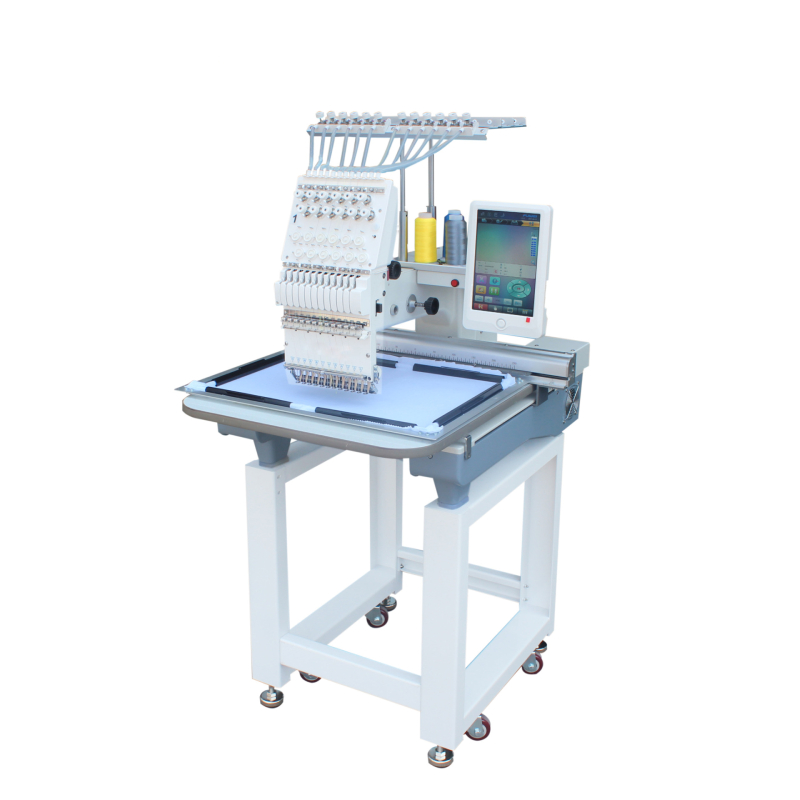
Implementing an embroidery machine single head for bespoke, one-of-a-kind couture pieces where meticulous detail and artisanal control are paramount.

04. Industrial Textile Scaling for Export

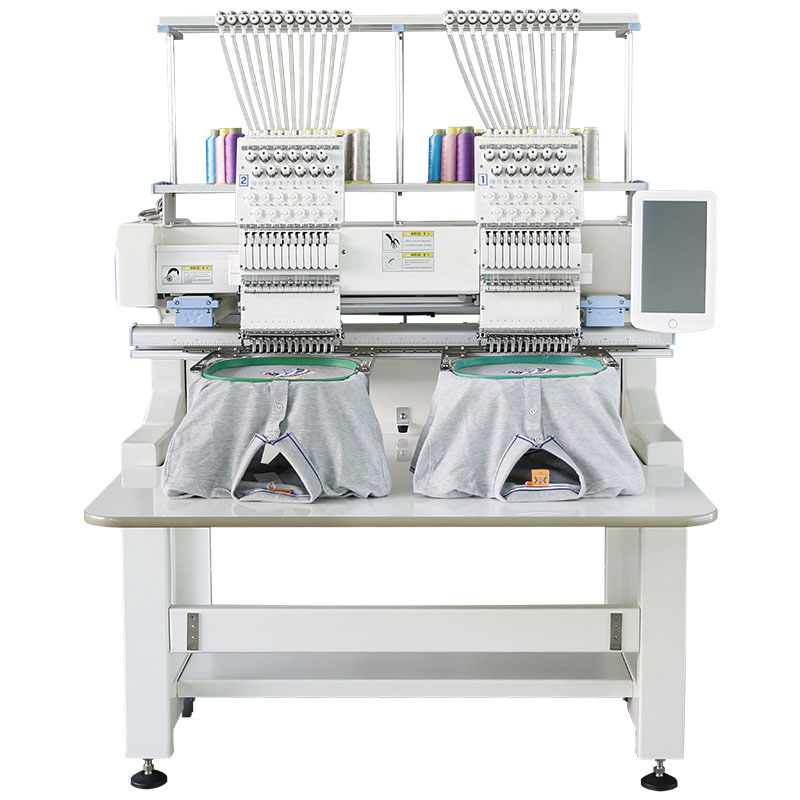
Using the multi head embroidery machine to scale production for high-volume specialized technical textiles exported across the EU.

05. Medium-Scale Apparel Startups

Deploying a 4 head embroidery machine to allow emerging Austrian brands to maintain fast turnaround times for seasonal collections without sacrificing quality.

Brand Story

Global Development Journey of Xingtai Pufa Trading Co., Ltd.

Foundations of Engineering

Our journey began with a commitment to solving the lack of reliability in entry-level industrial embroidery equipment.

Technological Breakthroughs

We pioneered the integration of high-speed digital controllers, reducing stitch errors by 30% for complex designs.

European Market Expansion

Recognizing the Austrian demand for precision, we adapted our hardware to meet strict EU safety and noise standards.

Customer-Centric Innovation

By listening to the needs of boutique ateliers, we developed modular frames that redefined versatility in embroidery.

Global Leadership Vision

Today, we strive to be the primary bridge between advanced manufacturing technology and traditional textile artistry worldwide.

Frequently Asked Questions for the Austrian Market

Expert answers to the most common technical and operational queries.

How does a 4 head embroidery machine improve production for medium ateliers?

A 4 head system allows for the simultaneous production of four identical items, drastically reducing the time per unit while maintaining the high precision required for Austrian luxury standards.

Is a digital embroidery machine compatible with organic Austrian linen?

Yes, our digital machines feature adjustable tension controls and specialized presser feet designed to handle delicate organic fibers without causing puckering or tearing.

What are the benefits of a cap embroidery machine for corporate branding?

Dedicated cap machines use specialized cylindrical hoops that ensure the design is perfectly centered and distortion-free, which is essential for premium corporate image.

When should I choose an embroidery machine single head over a multi-head version?

A single head machine is ideal for sampling, customized one-off couture pieces, and small boutique setups where flexibility and space are more critical than volume.

How does a multi head embroidery machine handle complex color changes?

Our multi-head systems utilize automatic color-change technology with high-capacity thread trees, ensuring seamless transitions across all heads simultaneously.

Are these machines compliant with EU noise and energy regulations?

Absolutely. All our equipment exported to Austria is engineered with low-decibel motors and energy-efficient power supplies to meet strict European environmental laws.

Request a Professional Consultation

Our technical experts are ready to help you optimize your textile production in Austria. Contact us for tailored machine configurations.

Contact Us Now

If you are interested in our products, you can choose to leave your information here, and we will be in touch with you shortly.