Precision digital embroidery machine Solutions for Finland's Textile Industry

Elevating Nordic craftsmanship with advanced automation, high-speed precision, and sustainable textile equipment tailored for the Finnish market.

Current State of Textile Equipment in Finland

Analyzing the intersection of Nordic minimalism and industrial automation.

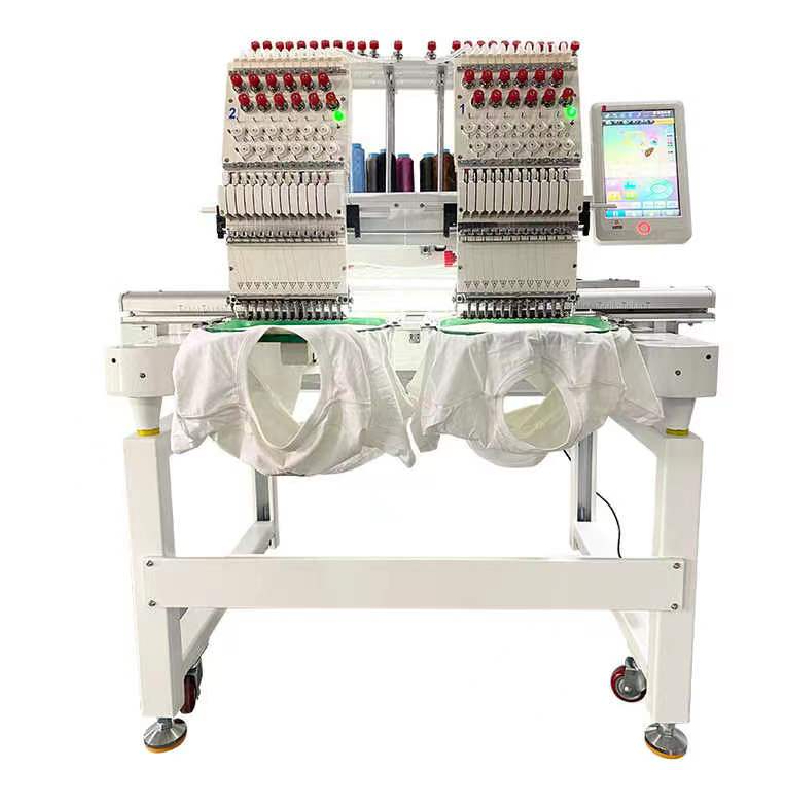
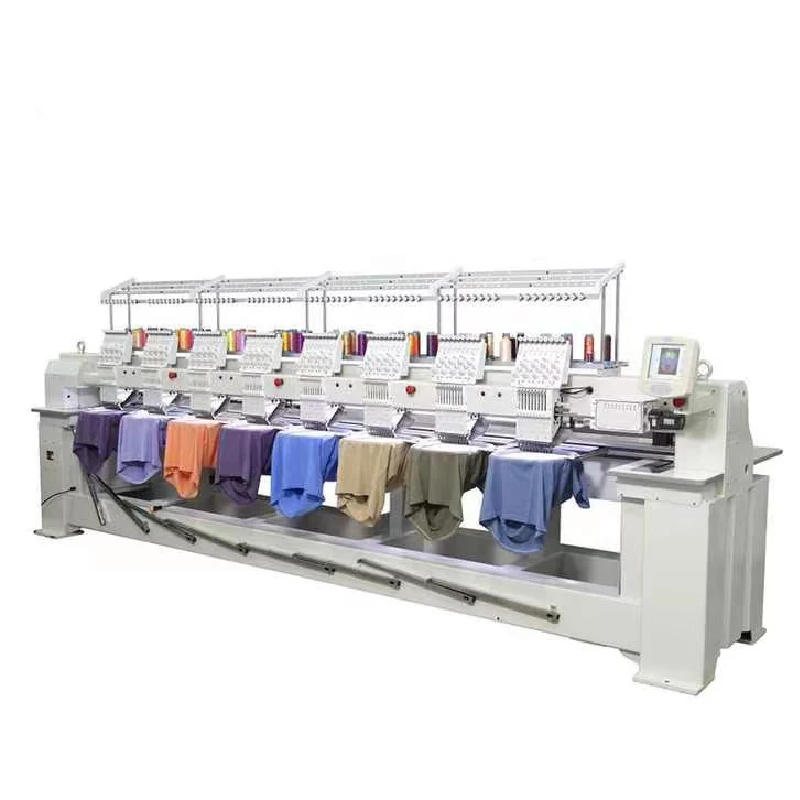
The Finnish textile sector is currently characterized by a shift toward high-value, small-batch production. Due to high labor costs in Europe, local workshops are increasingly replacing manual labor with a multi head embroidery machine to maximize output while maintaining the strict quality controls expected in the Nordic region.

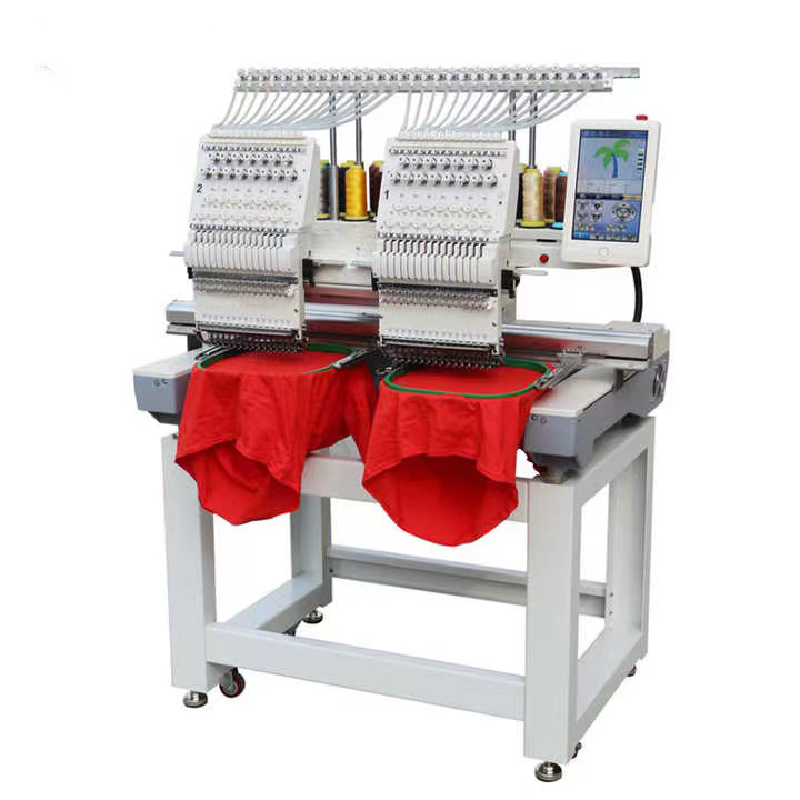
Environmental sustainability is a core driver in Finland. The demand for energy-efficient hardware is peaking, leading many businesses to upgrade to a digital embroidery machine that reduces thread waste and optimizes power consumption, aligning with Finland's strict carbon neutrality goals.

Furthermore, the rise of "slow fashion" and bespoke apparel in Helsinki and Tampere has created a niche market for an embroidery machine single head, allowing independent designers to offer personalized luxury garments without the overhead of a full-scale factory.
Technological Evolution and Development Path

From mechanical looms to AI-driven embroidery precision.

Market Development History

In the late 20th century, Finnish textile production relied heavily on mechanical systems. The transition began in the early 2000s with the introduction of basic computer-aided designs, which allowed for more complex patterns but lacked the speed required for commercial scalability.

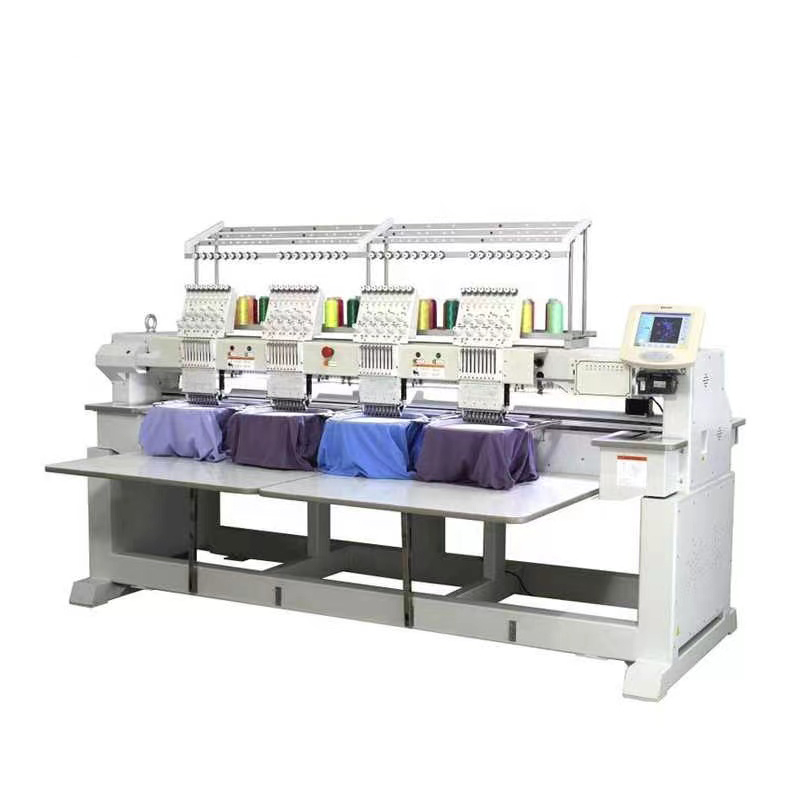
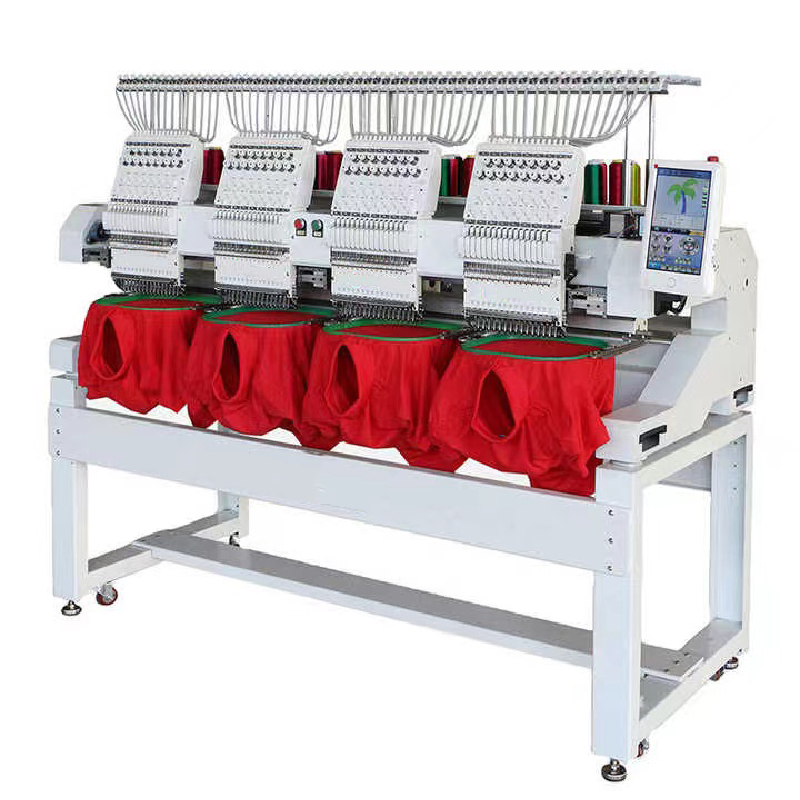
Between 2010 and 2020, the industry saw a rapid adoption of the 4 head embroidery machine as the standard for mid-sized businesses, bridging the gap between boutique sampling and mass production through improved servo-motor technology.

Today, the integration of IoT and cloud-based pattern management has transformed the landscape, making the modern digital embroidery machine an essential tool for real-time production monitoring and remote quality management.

Future Development Trends

AI-Driven Pattern Optimization

Integration of AI to automatically adjust tension and stitch density based on the fabric's physical properties, common in heavy Finnish winter wools.

Modular Hardware Scalability

A shift toward modular systems where a multi head embroidery machine can be easily expanded or reconfigured for different garment types.

Eco-Friendly Material Compatibility

Development of specialized needles and frames to handle recycled bio-textiles and sustainable fibers gaining popularity in the European market.

Industry Trends and Future Outlook

Strategic projections for the Finnish textile machinery market (2024-2028).

Hyper-Personalization
Rising demand for "On-Demand" customization using a embroidery machine single head for rapid prototyping.
Industrial Automation
Increased adoption of multi head embroidery machine systems to offset labor costs.
Smart Connectivity
Cloud-integrated digital embroidery machine platforms for seamless design transfer.
Specialized Accessories
Growth in headwear fashion driving the use of the cap embroidery machine for sports brands.

Industry Outlook

Based on Google search trends in the Nordic region, there is a significant uptick in queries regarding "sustainable textile production" and "automated embroidery solutions." This suggests that Finnish companies are moving away from outsourcing and bringing production back home (reshoring) through high-efficiency machinery.

The future will likely see a convergence of 3D embroidery and sustainable thread technology, where the multi head embroidery machine becomes the centerpiece of a fully automated "Micro-Factory" model within urban centers like Helsinki.

Localized Application Scenarios in Finland

Practical deployments of embroidery technology across various Finnish industries.

1. High-End Winter Apparel Branding

Finnish outerwear brands utilize the 4 head embroidery machine to apply durable, weather-resistant logos on heavy wool coats and thermal gear, ensuring brand visibility in extreme climates.

2. Sports and Outdoor Gear Personalization

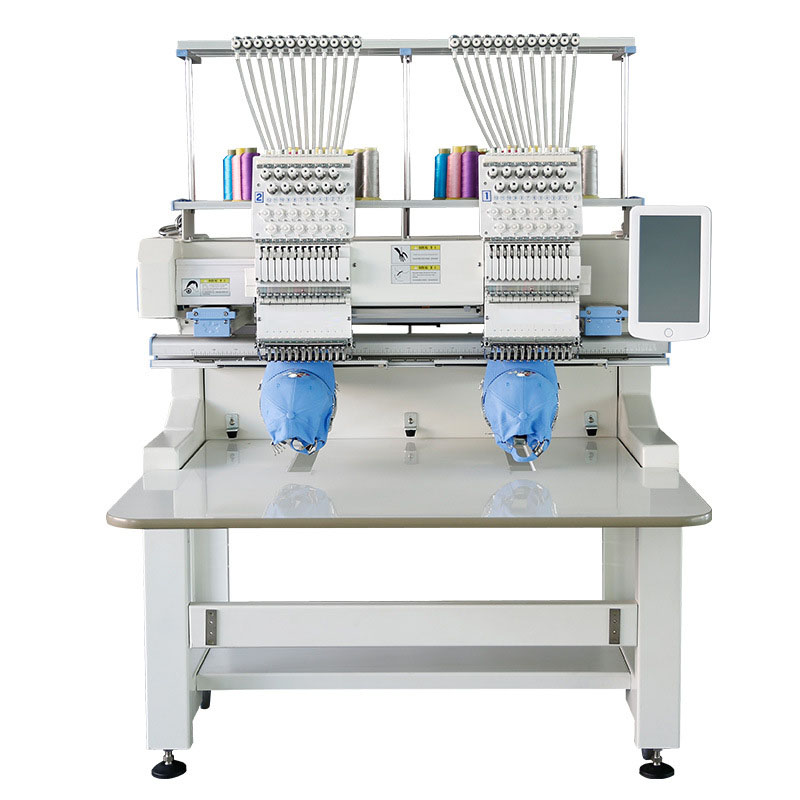
With Finland's strong outdoor culture, the cap embroidery machine is widely used by sports clubs in Espoo and Vantaa to create customized headwear for skiing and hiking enthusiasts.

3. Boutique Fashion Design Studios

Independent designers in the Helsinki Design District employ an embroidery machine single head to create intricate, one-of-a-kind artistic pieces on organic linen fabrics.

4. Corporate Workwear and Uniforms

Industrial firms across the Baltic coast use a multi head embroidery machine to produce standardized, high-visibility uniforms with precision-embroidered safety certifications.

5. Heritage Textile Preservation

Museums and cultural centers use a digital embroidery machine to digitally archive and recreate traditional Finnish folk patterns on modern textiles for educational purposes.

Brand Story

Global Development Journey of Xingtai Pufa Commercial and Trading Co., Ltd.

The Vision of Precision

Founded with a commitment to excellence, we began by identifying the gap between high-cost industrial machinery and the needs of growing textile workshops.

Technological Breakthroughs

We invested heavily in R&D to perfect the synchronization of multi-head systems, reducing thread breakage and increasing speed by 30%.

Global Market Expansion

Expanding beyond Asia, we tailored our equipment to meet the strict CE standards of Europe, establishing a strong footprint in the Nordic markets.

Customer-Centric Evolution

By listening to Finnish artisans, we developed intuitive software interfaces that make complex digital embroidery accessible to all skill levels.

A Sustainable Future

Our current mission is to lead the "Green Stitch" movement, creating machines that minimize energy use and support eco-friendly textiles globally.

Finland Textile Equipment FAQ

Expert answers to common technical and commercial queries.

Which digital embroidery machine is best for small Finnish boutiques?

For small boutiques, we recommend the embroidery machine single head. It offers the flexibility needed for bespoke designs and takes up minimal studio space while providing professional-grade precision.

How does a 4 head embroidery machine improve production efficiency?

A 4-head machine allows you to produce four identical items simultaneously. This is ideal for mid-sized Finnish businesses that handle corporate orders and sports team apparel.

Can a cap embroidery machine handle thick winter beanies?

Yes, our specialized cap machines are designed with adjustable frames and high-torque motors to penetrate thick wool and fleece fabrics common in Nordic headwear.

What are the advantages of a multi head embroidery machine for industrial use?

Multi-head systems provide the highest ROI by maximizing output per operator. They are essential for high-volume production lines in Finland's textile manufacturing hubs.

Do these machines support eco-friendly threads available in Europe?

Absolutely. Our digital systems are compatible with various recycled and organic threads, ensuring that Finnish manufacturers can meet strict EU sustainability regulations.

What is the maintenance requirement for machines operating in cold climates?

We recommend using high-grade synthetic lubricants that maintain viscosity in low temperatures to ensure the smooth operation of your embroidery equipment during Finnish winters.

Ready to Transform Your Textile Production?

Contact our specialists today for a customized equipment consultation tailored to the market needs of Finland.

Contact Us Now

If you are interested in our products, you can choose to leave your information here, and we will be in touch with you shortly.
