Precision Digital Embroidery Solutions for Netherlands Textile Industry

Empowering Dutch fashion houses and industrial textile workshops with high-performance digital embroidery machine technology for sustainable production.

The Landscape of Textile Machinery in Netherlands

Analyzing the synergy between sustainable innovation and high-precision embroidery.

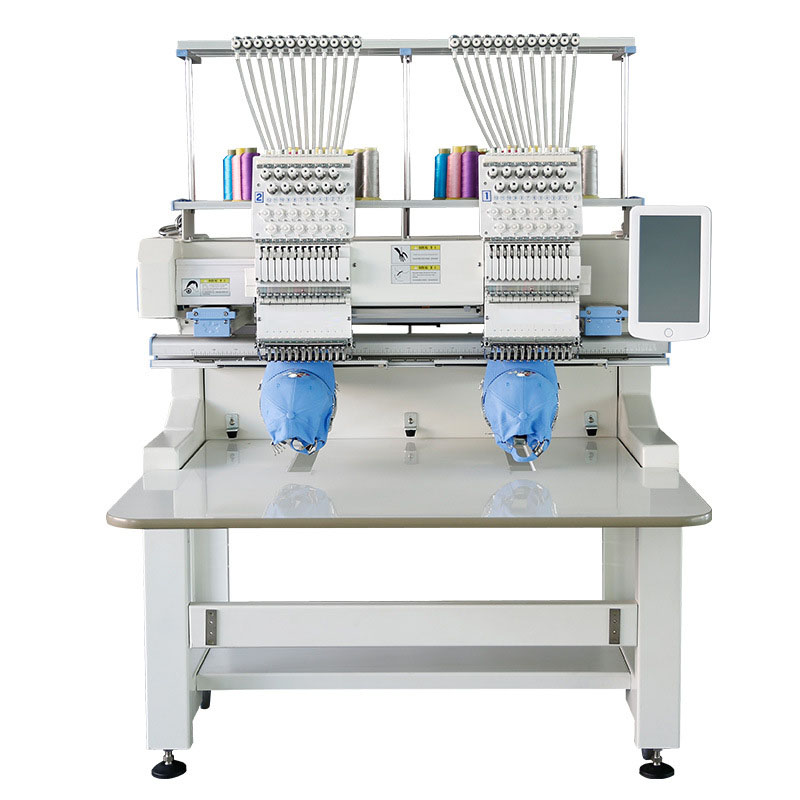
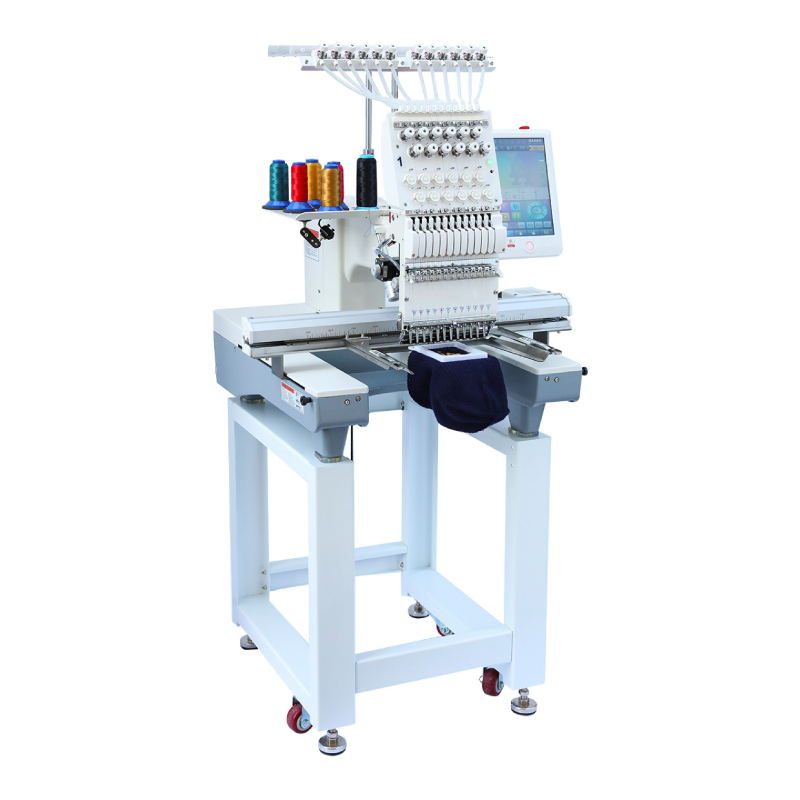
The Netherlands maintains a sophisticated textile market characterized by a shift toward sustainable, "slow fashion" and high-value customized apparel. In urban hubs like Amsterdam and Tilburg, there is a growing demand for an embroidery machine single head for boutique designers who prioritize agility and unique, small-batch artisanal quality over mass production.

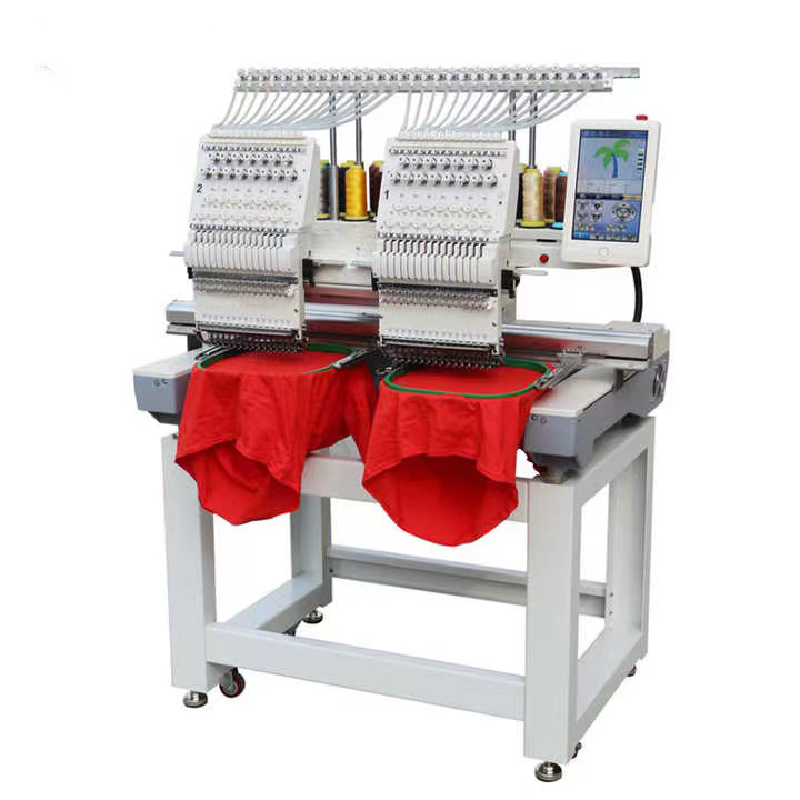
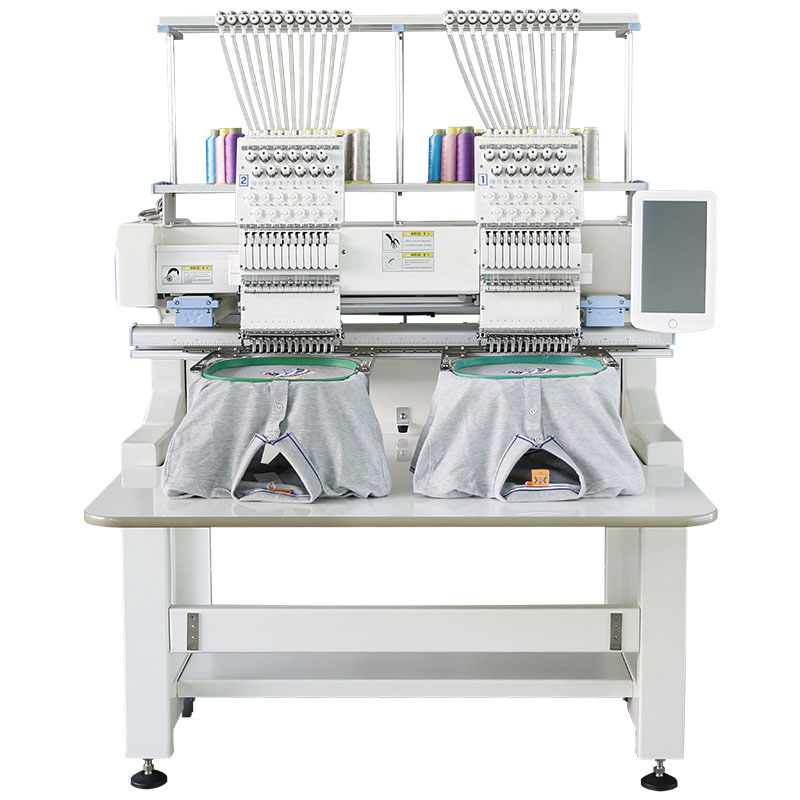
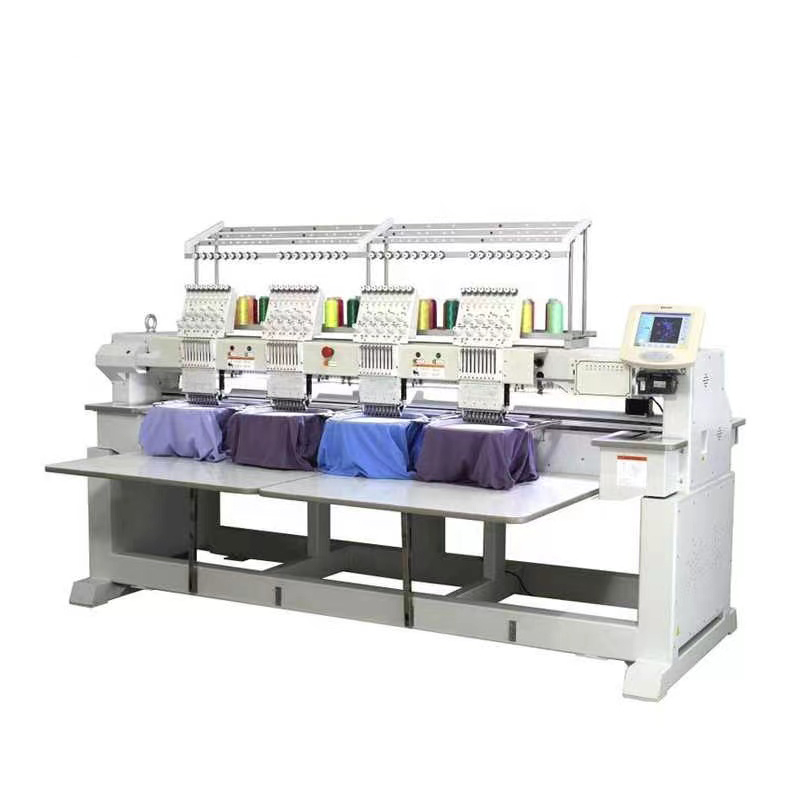
Economically, the Dutch market is driven by strict EU environmental regulations and a high cost of labor, forcing manufacturers to adopt energy-efficient automation. The transition toward a multi head embroidery machine setup allows local factories to maximize output per square meter of floor space while reducing electricity consumption per garment.

Furthermore, the Dutch climate and the prevalence of high-performance outdoor gear have spiked the need for specialized equipment. This has led to an increased adoption of the cap embroidery machine, enabling local brands to produce weather-resistant headwear with precise corporate branding and intricate logos.
Evolution and Trajectory of Embroidery Technology

From manual craftsmanship to the era of AI-driven digital stitching.

Market Development History

Between 1990 and 2005, the Netherlands textile sector relied heavily on mechanical looms and basic programmed machines. The focus was on stability and repeatability, but the setup time for complex patterns was labor-intensive and slow.

From 2006 to 2018, the "Digital Revolution" hit the Dutch workshops. The introduction of computerized interfaces allowed for the rapid scaling of production, where the 4 head embroidery machine became a standard for mid-sized businesses balancing capacity and flexibility.

Since 2019, the focus has shifted toward IoT integration and cloud-based design. Modern Dutch facilities now utilize smart sensors and real-time monitoring to eliminate thread breaks and optimize stitch density automatically.

Future Development Trends

Eco-Friendly Material Compatibility

Future machines will integrate specialized tension systems to handle recycled ocean plastics and organic hemp fabrics, aligning with the Netherlands' circular economy goals.

AI-Driven Pattern Optimization

Predictive algorithms will automatically adjust stitch paths to prevent fabric puckering, reducing waste and increasing the speed of digital workflows.

Hyper-Personalization at Scale

The integration of dynamic data feeds will allow machines to switch designs on the fly for "lot-size-one" production without stopping the assembly line.

Industry Outlook and Future Prospects

Navigating the next frontier of automated textile decoration in Europe.

Energy Efficiency Transition
Shift towards low-wattage servo motors to meet Dutch carbon neutrality targets by 2030.
Modular Hardware Design
Adoption of interchangeable head systems for seamless switching between flat and cap embroidery.
Cloud-Integrated Design
Direct transfer of designs from remote studios to factory floors via 5G networks.
Sustainable Thread Integration
Optimization for biodegradable and recycled polyester threads to reduce microplastic waste.

Industry Outlook

Based on current Google search trends in Western Europe, there is a significant surge in queries related to "on-demand embroidery" and "custom sustainable apparel." This indicates that the Dutch market is moving away from stockpile inventory toward a lean, just-in-time manufacturing model.

Over the next 3-5 years, we expect a convergence of digital printing and embroidery. Hybrid machines that can print a background and embroider a foreground in one cycle will likely become the gold standard for high-end Dutch fashion houses.

Localized Application Scenarios in the Netherlands

Real-world implementations of embroidery technology across Dutch sectors.

01. Boutique Fashion Studios in Amsterdam

Small-scale designers use the embroidery machine single head to create limited-edition avant-garde pieces, focusing on intricate textures and personalized artistic expressions for the European luxury market.

02. Corporate Workwear Suppliers in Rotterdam

Industrial suppliers utilize the multi head embroidery machine to rapidly produce thousands of durable, branded uniforms for the shipping and logistics sector, ensuring consistency across large batches.

03. Sustainable Sportswear Brands in Utrecht

Eco-conscious athletic brands employ the 4 head embroidery machine to apply recycled-thread logos onto organic cotton hoodies, balancing production speed with sustainable practices.

04. Specialized Headwear Producers in Eindhoven

Local cap manufacturers rely on the cap embroidery machine to create high-density 3D puff embroidery for street-wear brands and corporate promotional events.

05. Textile Art Conservators in The Hague

Museums and conservators use the digital embroidery machine to precisely recreate historical textile patterns for restoration projects, maintaining extreme fidelity to original designs.

Brand Story

Global Development Journey of Xingtai Pufa Commercial and Trading Co., Ltd.

Foundational Engineering

Our journey began with a commitment to solving the instability of high-speed stitching, developing core mechanical components that reduced thread breaks by 30%.

Digital Transformation

We integrated advanced PLC controllers, transitioning from semi-automatic to fully digital systems, allowing for seamless design uploads via USB and Network.

European Market Entry

Recognizing the need for precision in Europe, we optimized our machines for the Dutch and German markets, focusing on energy efficiency and noise reduction.

Sustainable Innovation

We launched our "Green Stitch" initiative, creating machines that operate with 20% less power while maintaining industrial-grade output.

Global Leadership

Today, we stand as a premier provider of embroidery solutions, bridging the gap between complex industrial needs and artisanal quality worldwide.

Common Questions from Dutch Textile Professionals

Expert answers to technical and operational queries.

How do I choose between a 4 head embroidery machine and a multi head system for a growing Dutch business?

For small to medium boutiques in the Netherlands, a 4-head machine offers the ideal balance of productivity and floor space. However, if you are fulfilling large corporate contracts in Rotterdam or Amsterdam, a multi-head system is necessary to ensure high-volume throughput.

Can a digital embroidery machine handle organic and recycled fabrics common in EU sustainable fashion?

Yes, our latest digital machines feature adjustable tension settings and specialized presser feet designed to handle the varied textures of recycled polyesters and organic cottons without causing fabric distortion.

What is the best cap embroidery machine for 3D puff designs in headwear production?

Our specialized cap machines utilize a rotating cylinder and high-torque needles, allowing for thick foam inserts to be embroidered cleanly, resulting in the professional 3D effect highly sought after by Dutch street-wear brands.

Is an embroidery machine single head sufficient for high-end customized artisanal work?

Absolutely. For high-end artisanal work where each piece is unique, a single-head machine provides the most control and flexibility, making it the preferred choice for independent designers in the Netherlands.

How does the power consumption of modern multi head embroidery machines align with Dutch energy regulations?

Our machines use high-efficiency servo motors that only draw power during active stitching, significantly reducing idle energy consumption and helping Dutch factories comply with EU energy efficiency standards.

What software is compatible with a digital embroidery machine for seamless design transfer?

Our machines support all industry-standard formats including .DST and .PES. They are compatible with leading design software, allowing Dutch creators to move from digital concept to physical stitch instantly.

Optimize Your Textile Production Today

Ready to upgrade your facility with precision embroidery technology? Our experts are available to provide tailored solutions for businesses across the Netherlands.

Contact Us Now

If you are interested in our products, you can choose to leave your information here, and we will be in touch with you shortly.