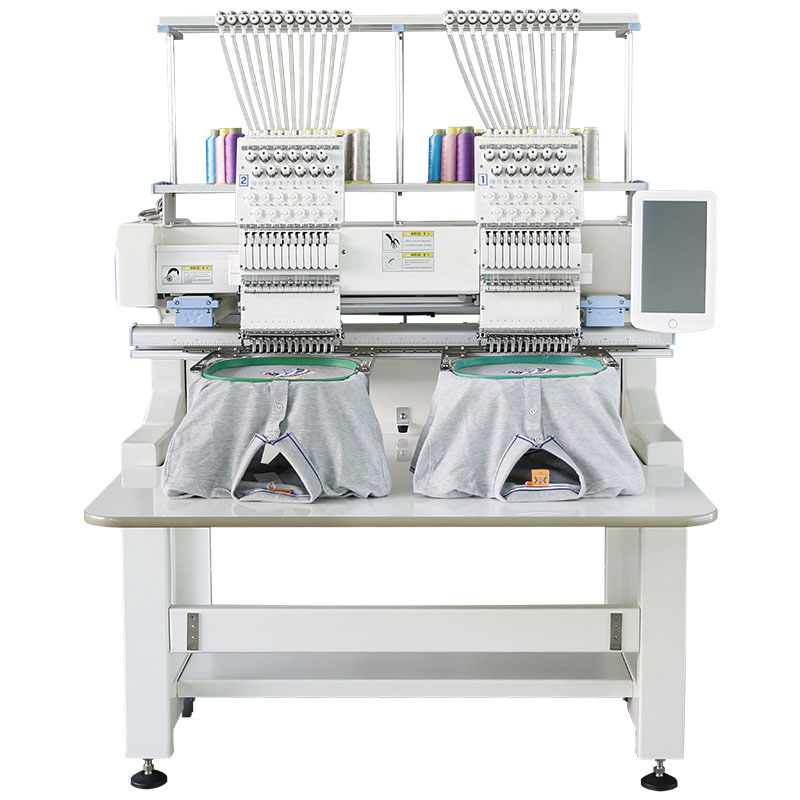
Precision Swiss Textile Solutions with digital embroidery machine

Empowering Switzerland's luxury textile and couture houses with industrial-grade precision and automated embroidery excellence.

Textile Engineering Landscape in Switzerland

The intersection of high-end luxury fashion and precision industrial machinery.

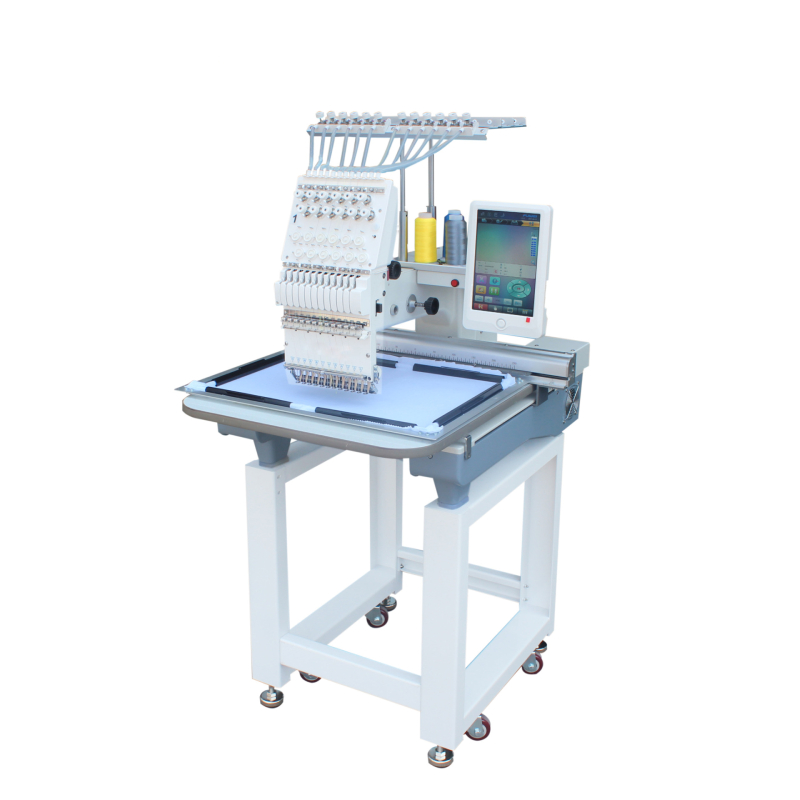
Switzerland's textile industry is characterized by a shift toward "High-Value, Low-Volume" production. In regions like St. Gallen, there is a profound demand for an embroidery machine single head for bespoke couture and sampling, where quality transcends quantity.

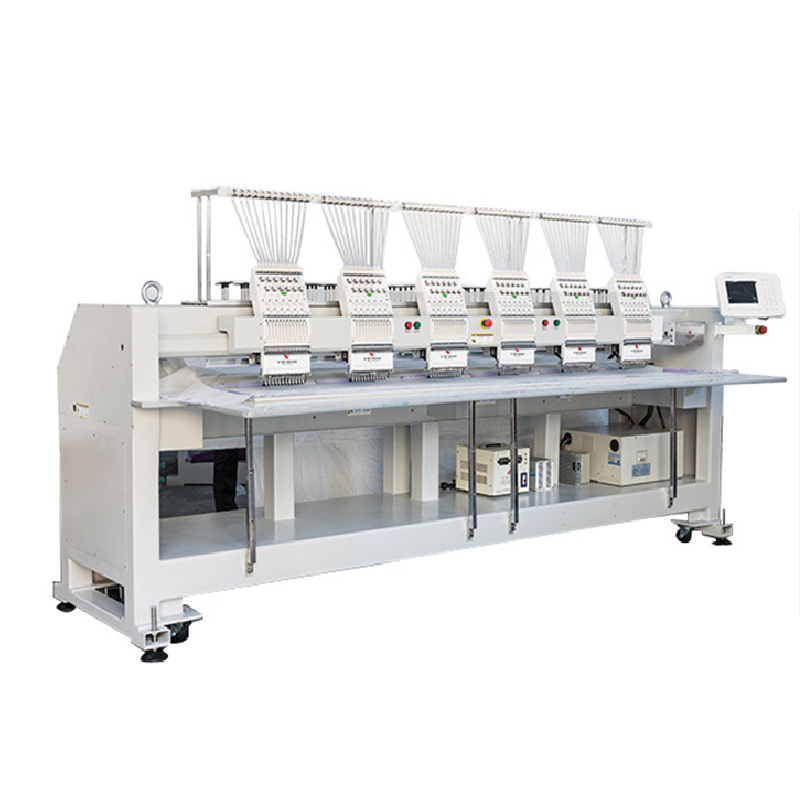
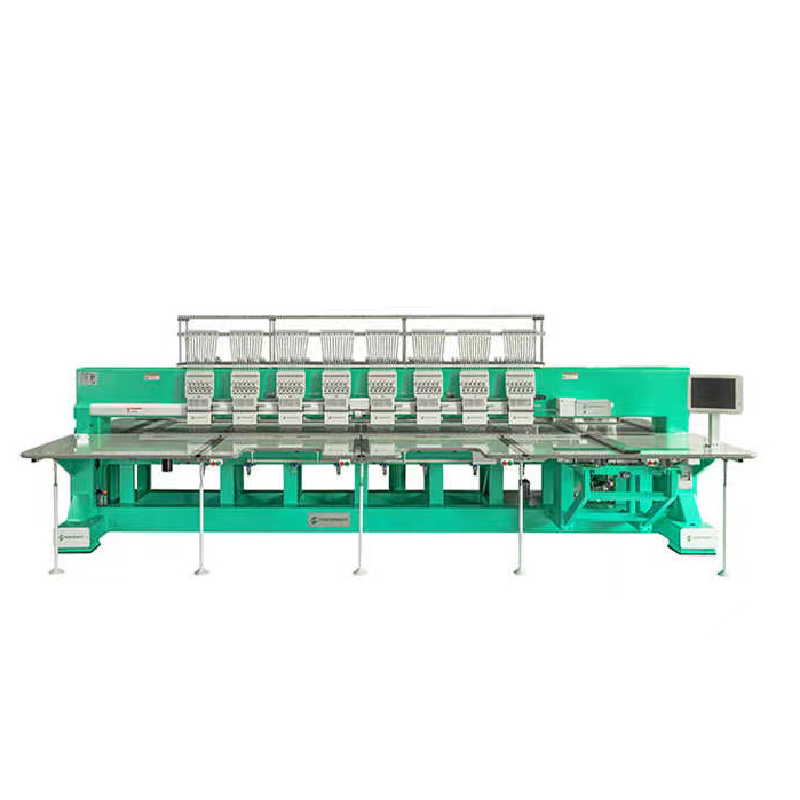
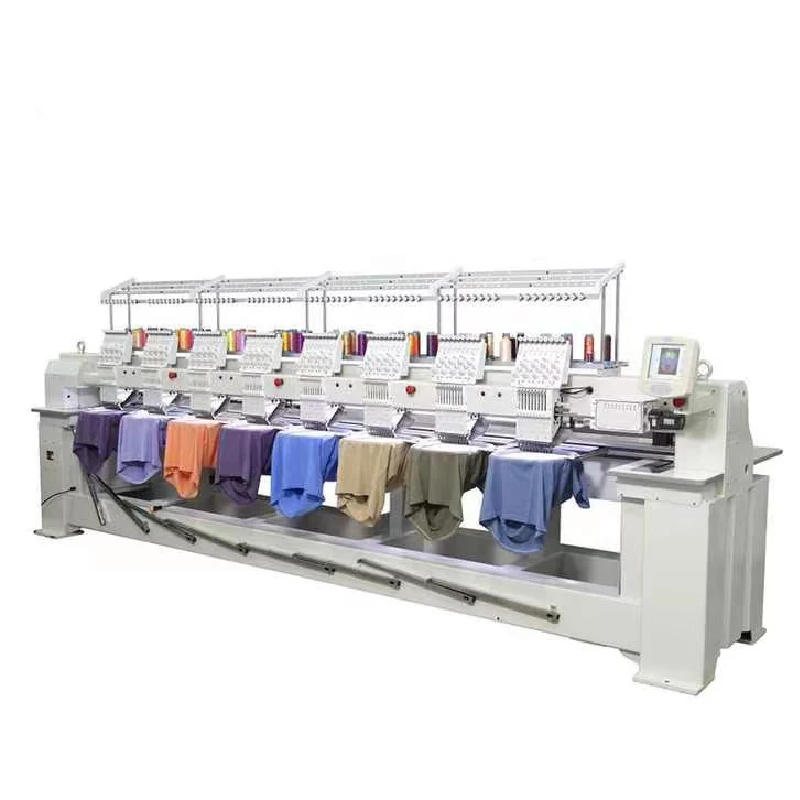
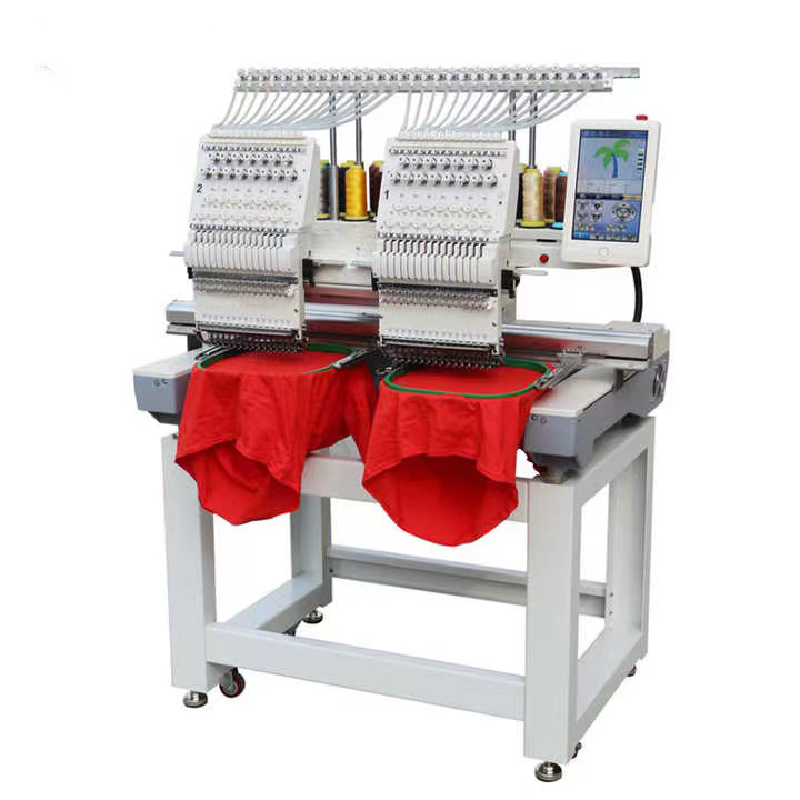
The economic climate prioritizes sustainable manufacturing and labor efficiency. Consequently, Swiss workshops are replacing manual labor with a multi head embroidery machine to maintain consistent output for luxury brands while adhering to strict European environmental and noise regulations.

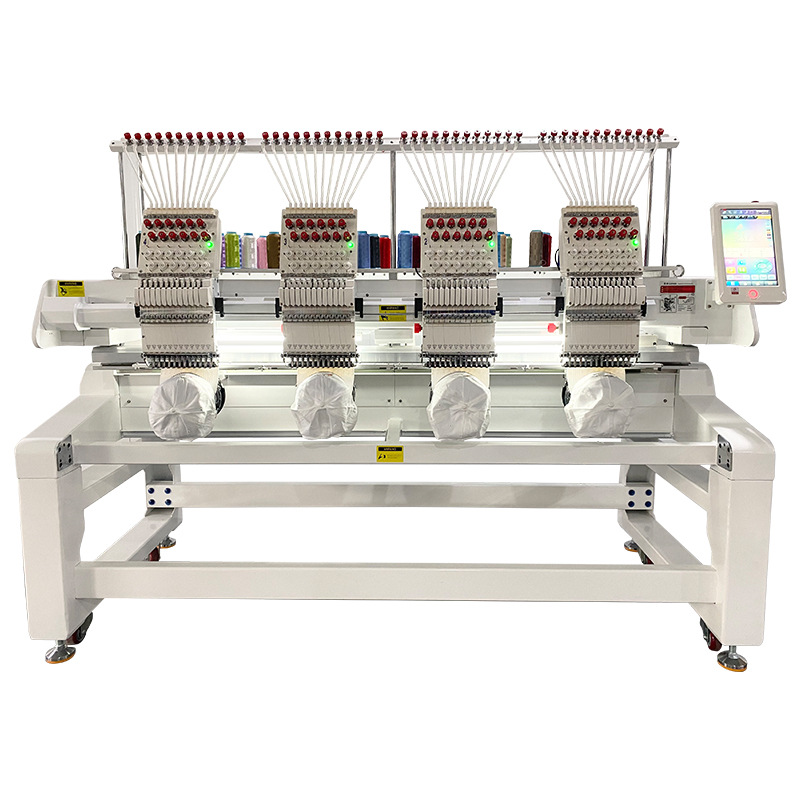
Due to the high cost of industrial real estate in Swiss cities, the preference has shifted toward compact, highly versatile equipment. A 4 head embroidery machine has become the "golden ratio" for medium-sized Swiss ateliers, offering a balance between space utilization and batch productivity.
Evolution of Swiss Embroidery Technology

From hand-guided artistry to AI-driven digital precision.

Market Development History

Until the late 20th century, the Swiss market relied heavily on mechanical Schiffli machines. The transition began around 1995 when the first programmable controllers were introduced, reducing the reliance on physical punch cards.

By the 2010s, the industry saw a massive migration toward digitized workflows. The introduction of the cap embroidery machine allowed Swiss sportswear and promotional brands to diversify their product lines rapidly.

Today, the trajectory is defined by "Industry 4.0," where cloud-integrated software allows designers in Zurich to send complex patterns directly to machines in production facilities with zero loss in fidelity.

Future Development Trends

IoT-Enabled Predictive Maintenance

Future Swiss facilities will utilize sensors to predict thread breakage and mechanical wear before they occur, minimizing downtime in high-cost environments.

Sustainable Thread Integration

There is a growing trend toward biodegradable and recycled threads, requiring machines with gentler tension controls to handle eco-friendly materials.

Hyper-Personalization at Scale

The move toward "mass customization" will drive the demand for hybrid machines that can switch between single-piece bespoke work and small-batch runs seamlessly.

Future Outlook of Specialized Equipment

Strategic trajectories for the Swiss textile machinery market.

AI-Driven Pattern Optimization
Automatic stitch adjustment based on fabric thickness and elasticity to reduce waste.
Energy Efficiency Compliance
Integration of low-power servo motors to meet Swiss energy consumption standards.
Modular Head Configuration
Scalable systems that allow users to expand from 1 to 4 heads as the business grows.
Cloud-Based Design Sync
Instant synchronization between design software and machine hardware across locations.

Industry Outlook

The Swiss market is moving away from mass-market competition and doubling down on "Technical Textiles." This means machines must be capable of handling high-performance fabrics used in medical and aerospace sectors, requiring extreme precision.

Based on search trends for high-end automation in Europe, we anticipate a 15% increase in the adoption of multi-functional hybrid machines that combine traditional embroidery with digital printing capabilities.

Swiss-Specific Application Scenarios

Practical deployments across Switzerland's diverse textile landscape.

1. St. Gallen Haute Couture Studios

Using an embroidery machine single head to create intricate, one-off lace designs for global fashion houses, focusing on precision and artistic expression.

2. Geneva Luxury Accessory Boutiques

Deploying a cap embroidery machine for high-end branded headwear and accessories, ensuring gold-thread consistency for luxury logos.

3. Zurich Corporate Branding Centers

Utilizing a 4 head embroidery machine to produce high-quality uniforms and corporate identity garments for the Swiss banking sector.

4. Alpine Sportswear Manufacturers

Implementing a multi head embroidery machine to handle large volumes of weather-resistant outdoor gear with reinforced structural stitching.

5. Swiss Technical Textile Labs

Employing a digital embroidery machine to prototype conductive threads for wearable health-monitoring technology.

Brand Story

Global Development History of Xingtai Pufa Trading Co., Ltd.

Industrial Foundations

Established with a mission to bridge the gap between complex textile engineering and user-friendly operation for small workshops.

Technological Breakthrough

Developed proprietary synchronization algorithms that reduced thread breaks by 30% in multi-head configurations.

European Market Entry

Expanded into the EU market, tailoring equipment to meet the rigorous safety and quality standards of Switzerland and Germany.

Sustainability Pivot

Launched a series of energy-efficient machines designed specifically for the "Green Manufacturing" initiative in Europe.

Global Precision Leadership

Now serving thousands of ateliers worldwide, providing a seamless blend of durability and digital intelligence.

Swiss Textile Machinery FAQ

Expert answers to common technical queries from our Swiss clients.

Which digital embroidery machine is best for small Swiss boutiques?

For small boutiques focusing on bespoke luxury, the embroidery machine single head is ideal due to its compact size and high precision for detailed artistic work.

How does a 4 head embroidery machine improve production efficiency?

A 4 head system allows for the simultaneous production of four identical items, quadrupling the output while maintaining a smaller footprint than larger industrial lines.

Can a cap embroidery machine handle heavy canvas materials?

Yes, our professional cap machines are equipped with high-torque motors and specialized frames to penetrate thick canvas and structured fabrics without skipping stitches.

What are the maintenance requirements for a multi head embroidery machine?

Regular lubrication of the rotary hook and daily cleaning of the bobbin case are essential. We recommend a professional calibration every six months for high-volume Swiss production.

Do your machines comply with Swiss electrical and safety standards?

All our export models for the Swiss market are CE certified and configured for 220V/50Hz power systems with integrated emergency stop safety mechanisms.

How do I transfer a digital design to the machine?

Designs can be transferred via USB or directly through the cloud interface of our digital embroidery machines, supporting standard formats like .DST and .PES.

Consult Our Swiss Textile Experts

Ready to elevate your production quality in Switzerland? Our engineers are available to design a customized machinery layout for your facility.

Contact Us Now

If you are interested in our products, you can choose to leave your information here, and we will be in touch with you shortly.