
Sep . 19, 2025 15:45 Back to list
Professional 12 Needle Embroidery Machine for T-Shirts
Understanding the Modern 12 needle embroidery machine Landscape
In the rapidly evolving textile and apparel manufacturing sector, precision, efficiency, and versatility are paramount. The advent of advanced industrial embroidery machines has revolutionized production capabilities, allowing businesses to meet escalating demands for intricate designs and high-volume customization. Specifically, the 12 needle embroidery machine stands as a benchmark for operational excellence, offering a robust solution for diverse application needs, from mass apparel production to bespoke promotional items.
These sophisticated machines are engineered to handle complex multi-color designs with minimal downtime, significantly enhancing throughput and design flexibility. Their multi-needle configuration allows for quick color changes without manual intervention, a critical feature for businesses focused on productivity and cost-efficiency. As the global demand for personalized and branded apparel continues to surge, understanding the technical prowess and strategic advantages of a 12 needle embroidery machine becomes crucial for decision-makers in B2B environments.
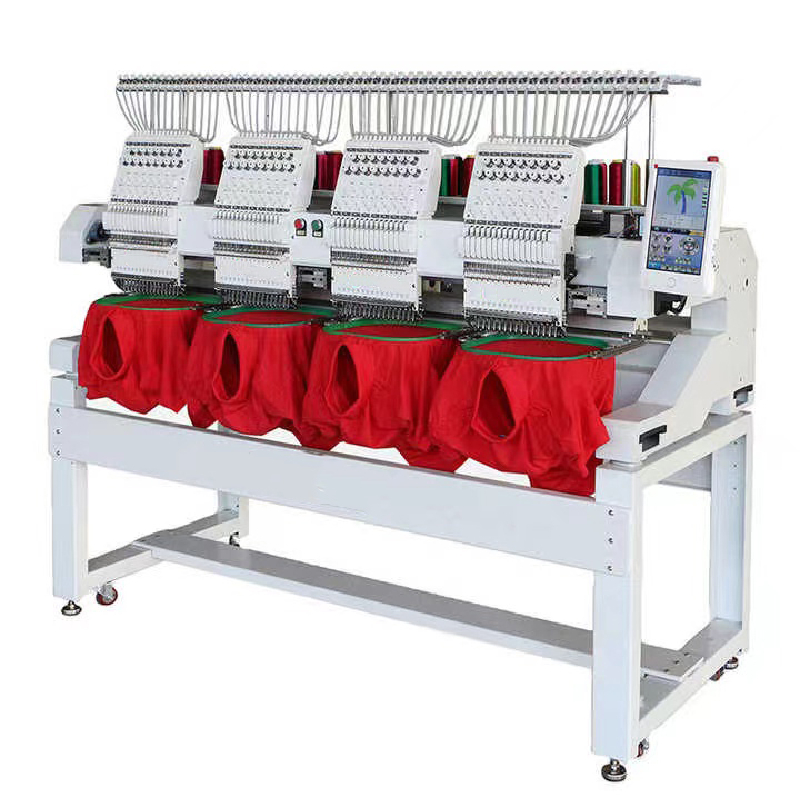
Industry Trends Driving Embroidery Technology Adoption
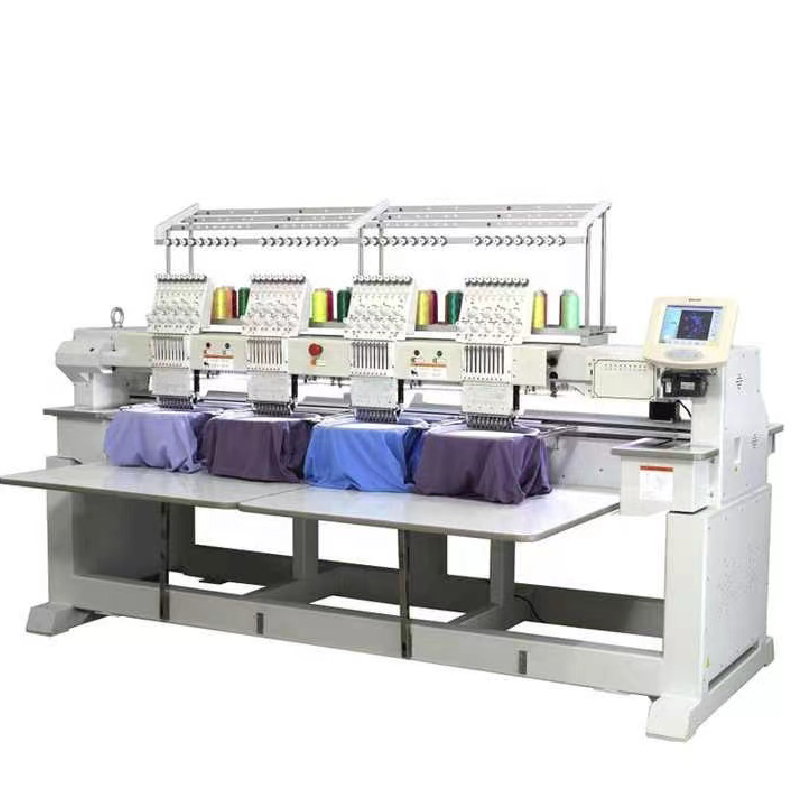
Several key industry trends are fueling the demand for high-performance embroidery machines. Firstly, the rise of "fast fashion" and on-demand production necessitates machinery capable of rapid prototyping and quick turnaround times. Manufacturers are under pressure to produce diverse designs efficiently, making multi-needle machines like the 12 needle embroidery machine indispensable. Secondly, the increasing popularity of customized apparel and promotional goods, including items produced by a specialized t shirt embroidery machine, has opened new revenue streams for businesses, requiring versatile equipment that can handle various fabric types and garment constructions.
Technological advancements, particularly in automation and software integration, are also shaping the market. Modern embroidery machines feature intuitive touch-screen controls, advanced digitizing software for design creation and optimization, and network connectivity for streamlined production management. These innovations contribute to reduced labor costs, minimized material waste, and improved overall operational efficiency. Furthermore, there is a growing emphasis on sustainability, prompting manufacturers to seek machines that are energy-efficient and minimize environmental impact.
Manufacturing Process of a 12 Needle Embroidery Machine
The production of a high-quality 12 needle embroidery machine involves a sophisticated multi-stage manufacturing process, ensuring precision, durability, and reliable performance. Each stage adheres to stringent quality control standards, such as ISO 9001, to guarantee the final product meets industrial benchmarks.
Process Flow Overview:
-
Design and Engineering: Utilizes advanced CAD/CAM software to design machine components and structural elements. Emphasis on ergonomic design, vibration reduction, and thermal management.
Materials: High-grade steel for chassis and main moving parts, aluminum alloys for lighter elements like heads, and engineering plastics for non-structural components.
-
Component Fabrication:
-
Precision Machining (CNC): Key components like needle bars, presser feet, and drive shafts are produced using multi-axis CNC machining centers to achieve micron-level tolerances. This ensures smooth operation and extended service life.
Process: Raw material bars (e.g., hardened steel) are precisely cut, milled, drilled, and ground to final specifications. Surface hardening techniques like carburizing or nitriding are applied for enhanced wear resistance.
-
Casting/Forging: For robust structural parts like the machine frame or specific mechanical linkages, casting (e.g., ductile iron) or forging processes are employed to ensure high strength and rigidity.
Testing: Non-destructive testing (NDT) such as ultrasonic inspection and magnetic particle inspection are used to detect internal flaws.
- Electronic Component Assembly: Control boards, servo motor drivers, and touch screens are assembled and rigorously tested for functionality and reliability.
-
Precision Machining (CNC): Key components like needle bars, presser feet, and drive shafts are produced using multi-axis CNC machining centers to achieve micron-level tolerances. This ensures smooth operation and extended service life.
- Assembly: Skilled technicians assemble the mechanical, electrical, and electronic subsystems. This involves precise alignment of moving parts, wiring, and integration of the control system.
-
Calibration and Testing: Each machine undergoes extensive calibration for needle timing, tension, and head synchronization. A multi-point quality assurance protocol, adhering to ANSI standards, includes:
- Stitch quality tests across various fabrics.
- High-speed endurance tests to ensure mechanical integrity.
- Electrical safety and functionality checks.
- Noise and vibration analysis.
- Final Inspection and Packaging: A comprehensive final inspection verifies all specifications and cosmetic standards before the machine is securely packaged for shipment.
The service life of these machines typically exceeds 10-15 years with proper maintenance, showcasing the robust engineering and high-quality materials employed. Target industries include textile manufacturing, apparel production, promotional product companies, and custom design studios. Key advantages in typical application scenarios include exceptional energy efficiency through optimized motor controls and significant reduction in material waste due to high precision.
Technical Specifications and Parameters
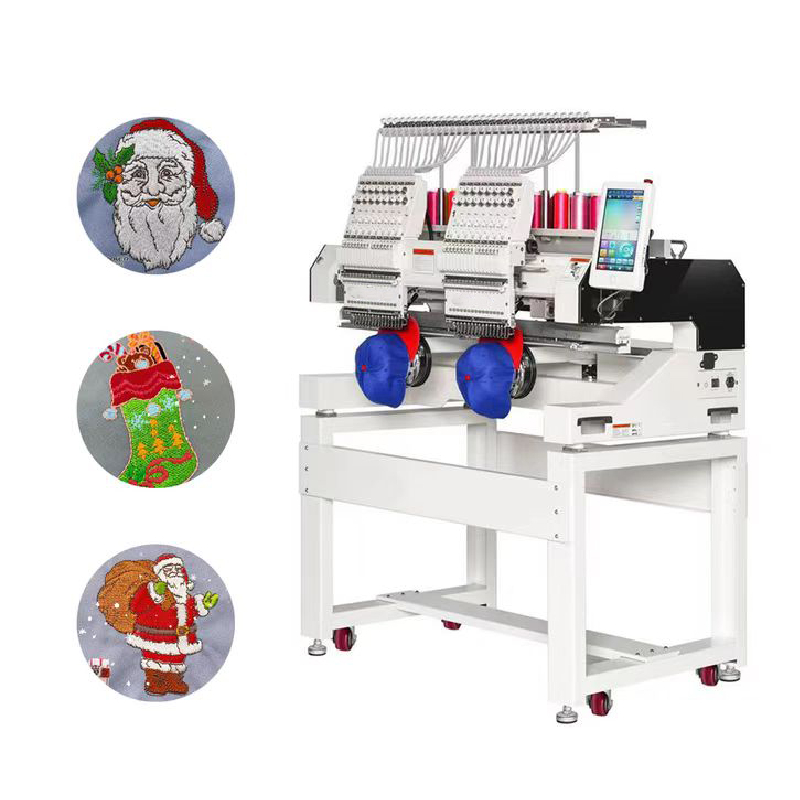
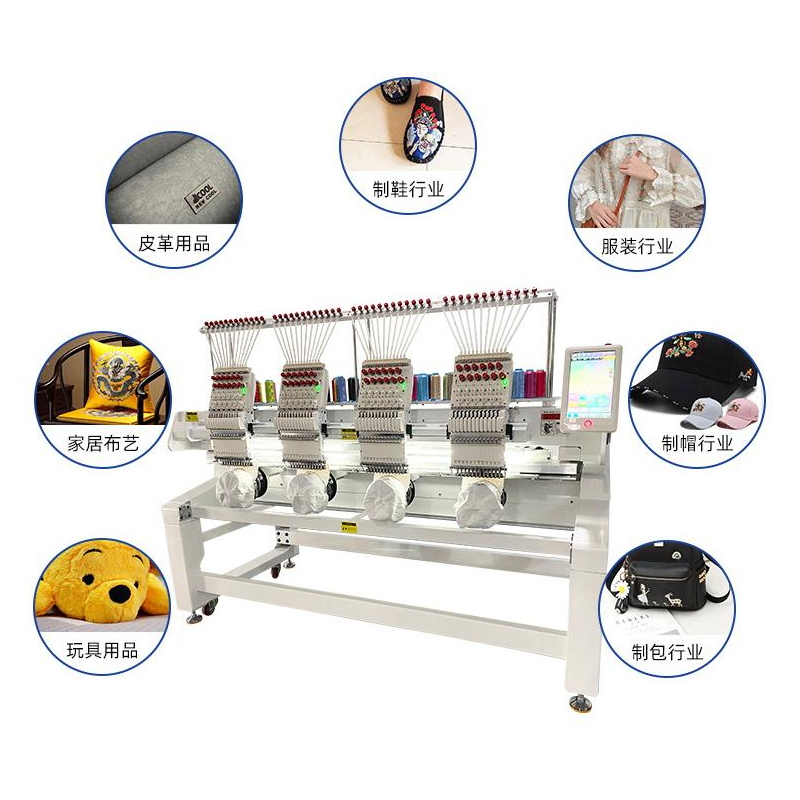
A 12 needle embroidery machine is defined by its ability to perform intricate, multi-color embroidery with high speed and reliability. Below are typical technical specifications, referencing advanced models such as the High Quality 4 Head 15 Needle Embroidery Machine, which surpasses the 12-needle standard for even greater versatility.
| Parameter | Specification |
|---|---|
| Number of Heads | 2, 4, 6, 8, 10, 12, etc. (Commonly 4-head for mid-scale production) |
| Number of Needles (Colors) | 12 or 15 per head |
| Maximum Speed | 1000 - 1200 stitches per minute (SPM) |
| Embroidery Area (per head) | Approx. 400x450mm to 500x800mm (depends on model and hoop size) |
| Motor System | Japanese Panasonic/Dahao Servo Motors (X/Y axis, Main motor) |
| Control System | Dahao 328/528/568 Computer System with 10" LCD Touch Screen |
| Memory Capacity | 2,000,000 to 16,000,000 stitches, 200 to 1000 designs |
| Automatic Functions | Thread Trimming, Color Change, Thread Break Detection, Bobbin Winding |
| Connectivity | USB, LAN, Wi-Fi (optional) |
| Power Supply | AC220V/50Hz-60Hz or AC380V/50Hz-60Hz |
| Machine Dimensions (approx.) | Depends on number of heads (e.g., 4-head: 3000x1200x1700mm) |
| Weight (approx.) | Depends on number of heads (e.g., 4-head: 1200-1500 kg) |
These parameters illustrate the robust capabilities, essential for high-volume, precision embroidery operations. The integration of advanced servo motors ensures precise stitch registration and high-speed operation, minimizing material tension issues and improving overall stitch quality. The control system’s capacity for multiple designs and vast stitch memory allows for efficient workflow management across a production line.
Application Scenarios and Technical Advantages
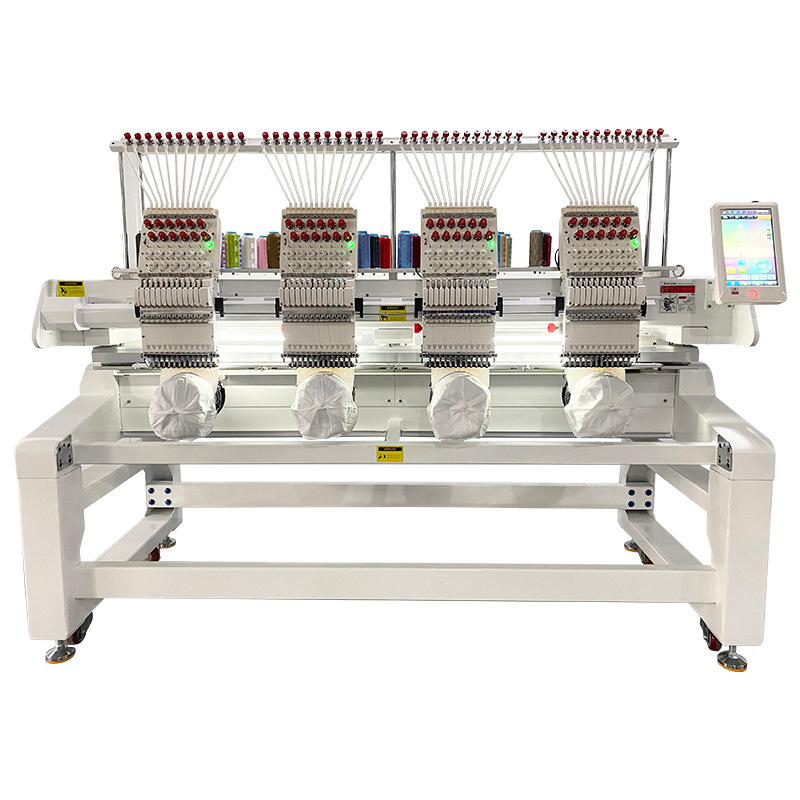
The versatility of a 12 needle embroidery machine makes it indispensable across numerous B2B application scenarios, offering distinct technical advantages:
-
Apparel Manufacturing: For producing uniforms, fashion garments, and activewear with complex logos and designs.
Advantage: High-speed multi-head operation drastically reduces production time for bulk orders, enabling efficient batch processing of garments like polo shirts and jackets.
-
Promotional Products: Customizing items like caps, bags, towels, and various branded merchandise. The integrated capability for a t shirt embroidery machine allows for vast customization options.
Advantage: Quick-change hoop systems and automatic color changes facilitate seamless transitions between different product types and designs, crucial for diverse promotional campaigns.
-
Textile and Home Furnishings: Adding decorative elements to linens, curtains, upholstery, and specialized fabrics.
Advantage: Precise stitch control and the ability to handle heavy-duty fabrics ensure high-quality, durable embroidery suitable for long-lasting home goods.
-
Workwear and Safety Gear: Embellishing corporate uniforms, safety vests, and specialized workwear with company logos and certifications.
Advantage: Robust construction and reliable performance ensure continuous operation in demanding industrial settings, providing consistent branding for essential gear.
Beyond these, technical advantages include enhanced stitch quality through stable tension control, reduced thread breakage due to optimized thread paths, and improved efficiency from automated processes like thread trimming and color sequencing. These features collectively contribute to lower operational costs and higher output quality, driving profitability for businesses.
Vendor Comparison: Selecting the Optimal 12 Needle Embroidery Machine
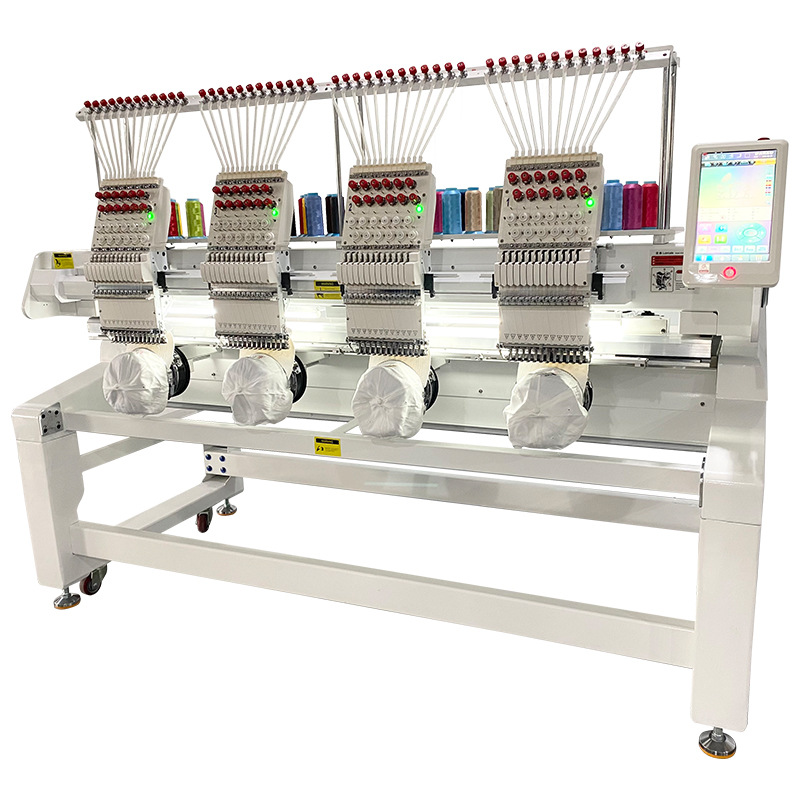
When investing in an industrial 12 needle embroidery machine, a thorough vendor comparison is essential. Key factors include machine reliability, technological innovation, after-sales support, and total cost of ownership (TCO). While many manufacturers offer competitive products, discerning buyers should evaluate specific features that align with their production goals. Below is a comparative overview highlighting typical differentiating factors:
| Feature/Parameter | Leading A (e.g., Dahao, Barudan, Tajima) | Leading B (e.g., Ricoma, SWF) | Our Solution (e.g., XTPFSM 4 Head 15 Needle) |
|---|---|---|---|
| Number of Heads/Needles | 1-12 heads, 9-15 needles | 1-10 heads, 9-15 needles | 4 Heads, 15 Needles (superior color versatility) |
| Max Speed (SPM) | 1000-1200 | 1000-1100 | Up to 1200 (high productivity) |
| Control System | Proprietary/Dahao (High-end) | Dahao/Saurer (Standard) | Dahao 10" LCD Touch Screen (user-friendly, robust) |
| Motor Type | Servo (Panasonic, Fuji) | Servo (Generic, Dahao) | Japanese Panasonic Servo (Precision, Durability) |
| Frame/Chassis Construction | Heavy-duty steel, low vibration | Standard steel, moderate vibration | Reinforced steel, advanced vibration suppression |
| Standard Hoops Included | Varying sizes for caps, flats, garments | Basic set for general use | Comprehensive set for diverse applications (T-shirts, caps, flats) |
| After-sales Support | Global network, comprehensive | Regional support, variable | 24/7 online, field technicians, extensive parts availability |
| Certifications | CE, ISO 9001 | CE | CE, ISO 9001, stringent internal QC |
Our solutions, such as the 4 Head 15 Needle machine (as opposed to a standard 12 needle), offer enhanced color flexibility and robust construction, providing a compelling balance of performance and value. We leverage over two decades of engineering excellence and adhere to internationally recognized standards like ISO 9001 for quality management, ensuring reliable and high-performing equipment.
Customized Solutions and Application Case Studies
Recognizing that every B2B client has unique operational requirements, we offer extensive customization options for our industrial embroidery machines. This ensures that a 12 needle embroidery machine (or its 15-needle counterpart) can be precisely configured to integrate seamlessly into existing production lines and scale with business growth. Customization can include specialized hooping systems, extended embroidery fields, integration with specific network protocols, or bespoke software features for workflow optimization.
Application Case Study 1: Large-Scale Apparel Manufacturer
- Client: A leading uniform supplier in North America.
- Challenge: Needed to increase daily production of embroidered corporate logos on t shirt embroidery machine apparel by 30% while maintaining intricate design quality and reducing thread changeover times. Their existing 9-needle machines were a bottleneck.
- Solution: We deployed five units of our 4-head, 15-needle machines. These machines were configured with an optimized network interface for centralized design management and featured custom hooping fixtures for quick garment loading and unloading. The increased needle count (from 9 to 15) virtually eliminated manual thread changes for most common designs.
- Result: The client reported a 40% increase in daily output and a 15% reduction in labor costs due to automation. Stitch quality improved measurably, leading to higher customer satisfaction. This implementation demonstrated the significant ROI of upgrading to advanced multi-needle systems.
Application Case Study 2: Boutique Customization & Promotional Shop
- Client: A growing small-to-medium enterprise (SME) specializing in personalized gifts and promotional items.
- Challenge: Needed a versatile machine capable of handling small-batch, high-detail orders across various products (caps, patches, towels) with frequent design changes, yet also efficient enough for occasional larger runs. Their single-head machine was overwhelmed.
- Solution: We provided a customized 2-head, 15-needle machine with a comprehensive set of quick-change hoops, including specialized cap frames. The machine's intuitive control system and large memory allowed for seamless switching between numerous custom designs.
- Result: The client was able to expand their product offerings, reduce turnaround times for custom orders by 50%, and take on larger contracts previously unattainable. The enhanced needle count allowed for richer, more vibrant designs without constant thread reloading. They praised the machine's reliability and ease of use, leading to increased customer feedback scores and business growth.
Trustworthiness and Support: FAQ, Lead Time, Warranty
Frequently Asked Questions (FAQ)
Q: What is the typical lead time for a 12 needle embroidery machine?
A: Standard models typically have a lead time of 4-6 weeks from order confirmation, subject to current production schedules and customization requirements. Expedited options may be available upon request.
Q: What warranty is provided with the embroidery machines?
A: We offer a comprehensive 1-year warranty on electrical components and 2 years on mechanical parts, covering manufacturing defects. Extended warranty plans are also available for purchase.
Q: What kind of after-sales support can I expect?
A: Our commitment to client success is unwavering. We provide 24/7 online technical support, remote diagnostics, and a network of field service technicians for on-site assistance. We also maintain a full inventory of spare parts for rapid deployment.
Q: Can I use different brands of threads with your machines?
A: Yes, our machines are designed to be compatible with standard industrial embroidery threads from various reputable manufacturers, offering flexibility in material sourcing.
Q: Is training provided for operating the embroidery machine?
A: Yes, we provide comprehensive training manuals, video tutorials, and optional on-site training sessions to ensure your operators are fully proficient with the machine's capabilities.
Our Commitment to Support
Our long-standing presence in the industry, coupled with rigorous quality control processes (ISO 9001 certified manufacturing), underscores our commitment to authoritativeness and trustworthiness. We partner with clients globally, supplying durable and efficient machinery that stands the test of time. Our dedication extends beyond the sale, ensuring continuous operation and maximum uptime for your investment in a industrial embroidery solution.
Conclusion
The modern 12 needle embroidery machine, and its more advanced variants such as the 15-needle configuration, represents a pinnacle of industrial embroidery technology. It offers unparalleled precision, speed, and versatility, essential for businesses operating in today's demanding textile and apparel markets. By understanding the intricate manufacturing process, technical specifications, diverse application scenarios, and robust support systems, B2B decision-makers can make informed investments that drive efficiency, enhance product quality, and secure a competitive edge.
Investing in a high-quality multi-head, multi-needle embroidery machine is not merely a purchase; it's a strategic partnership that ensures long-term operational excellence and sustained profitability. Our commitment to delivering superior machinery, backed by extensive experience and unwavering customer support, positions us as a trusted partner for your embroidery technology needs.
References
- International Organization for Standardization. ISO 9001:2015 Quality management systems — Requirements. Retrieved from iso.org.
- American National Standards Institute. ANSI Standards for Manufacturing and Quality Control. Retrieved from ansi.org.
- Textile World. "Advanced Embroidery Technologies Drive Industry Growth." [Industry Publication].
- Journal of Textile and Apparel Technology and Management. "Efficiency Gains in Multi-Head Embroidery Operations." [Academic Journal].
- Statista. "Revenue of the apparel market worldwide from 2017 to 2027." [Market Research Data].
Latest news
-
Embroidery Machine Professional Manufacturers: Global Insights, Innovations, and Industry Trends
NewsDec.03,2025
-
Understanding Embroidery Machine Professional Factories: Global Insights & Innovations
NewsDec.03,2025
-
How to Choose a Top Embroidery Machine Professional Supplier for Reliable Textile Production
NewsDec.03,2025
-
Choosing the Best Embroidery Machine for T-Shirt Factories: Boost Efficiency & Quality Globally
NewsDec.02,2025
-
Embroidery Machine for T-Shirt Suppliers: Choosing the Best Equipment Globally
NewsDec.02,2025
-
Comprehensive Guide to Embroidery Machine for T-Shirt Service: Global Trends & Insights
NewsDec.02,2025

Copyright © 2026 Xingtai Pufa Trading Co., Ltd All Rights Reserved. Sitemap | Privacy Policy | Top Blog | Global Service