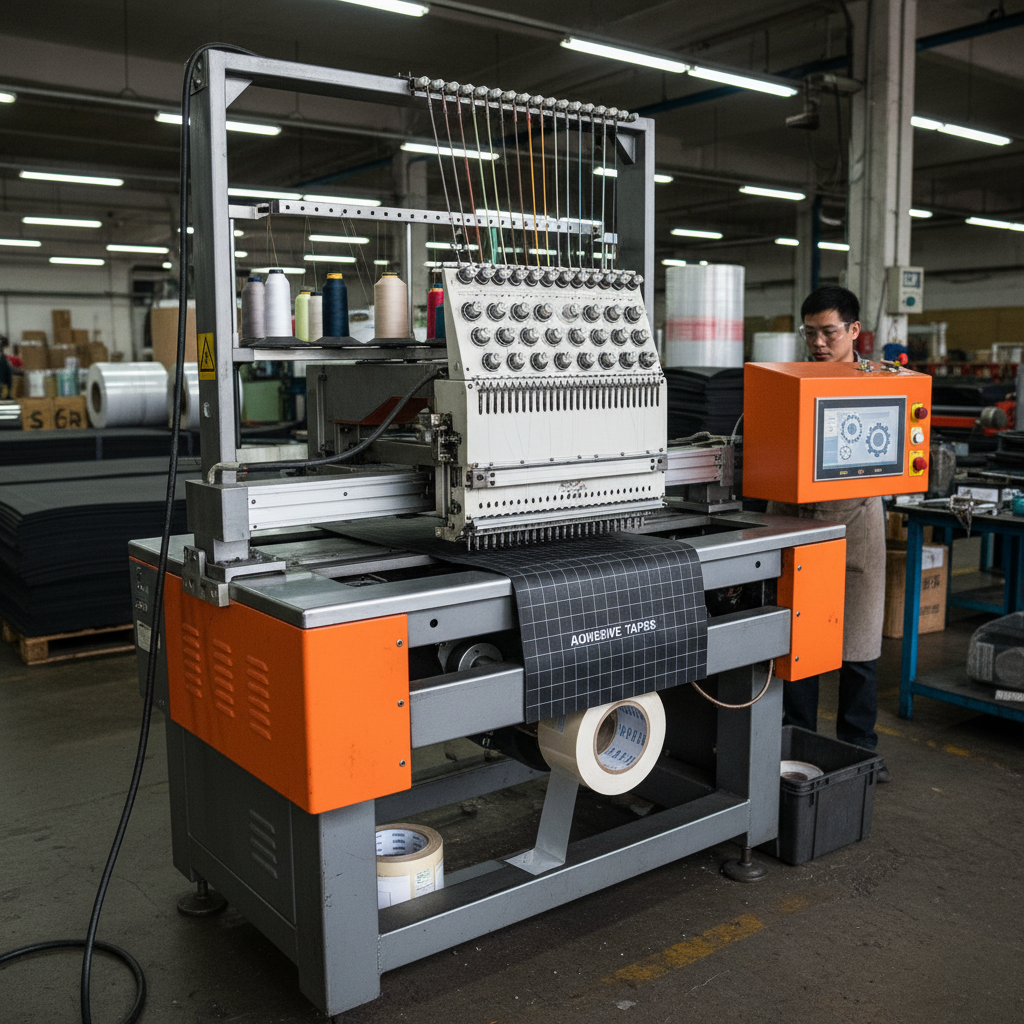
The evolution of textile customization has reached a pivotal turning point with the integration of professional-grade automation. A high-quality commercial machine embroidery service is no longer just about adding a logo to a garment; it is about precision, scalability, and the ability to transform complex digital designs into tangible, high-value products. For businesses in the apparel and promotional sectors, the shift toward computerized embroidery represents a critical leap in operational efficiency.
Across the globe, the demand for bespoke branding on caps, T-shirts, and specialized uniforms has surged, driven by the growth of e-commerce and personalized fashion. This growth has highlighted the necessity for robust equipment that can handle high-volume output without compromising on stitch quality. Whether it is a boutique studio or a large-scale factory, the ability to execute intricate patterns with absolute consistency is what separates market leaders from the rest.
Understanding the technical nuances of a commercial machine embroidery service—from needle configurations to servo motor stability—allows entrepreneurs to optimize their production pipelines. By leveraging modern computerized systems, businesses can reduce waste, lower labor costs, and offer a wider array of customization options, ensuring that every piece of fabric meets the rigorous standards of the modern global market.
The Industrial Impact of Commercial Machine Embroidery Service
The integration of a commercial machine embroidery service into the manufacturing workflow has fundamentally changed how garments are branded. By utilizing multi-head systems—ranging from single-head for boutiques to four, six, or more heads for industrial use—manufacturers can achieve simultaneous production of identical logos. This parallelism drastically reduces the lead time for large orders, allowing businesses to respond to market trends in real-time.
Beyond speed, the industrial impact is seen in the democratization of design. With the support of DST format imports and USB connectivity, complex artwork can be digitized and executed with micron-level precision. This removes the reliance on highly skilled manual embroiderers for repetitive tasks, allowing human creativity to focus on the design phase while the machinery handles the rigorous execution.
Defining the Scope of Commercial Embroidery Operations
In simple terms, a commercial machine embroidery service refers to the professional application of computerized stitching onto fabrics for commercial gain. Unlike home embroidery, commercial operations utilize high-speed servo motors and specialized hooks to ensure that thousands of stitches per hour are placed without thread breakage or fabric puckering. This is the backbone of the corporate apparel and sports merchandise industries.
The scope of these operations extends from flat embroidery on large panels to specialized cap embroidery. The use of double cams and double levers in professional heads allows for the precision required to navigate the curved surface of a hat, ensuring the logo is centered and distortion-free. This technical capability is essential for brands that require a consistent image across various product types.
Modern commercial services are also defined by their versatility. By offering optional needle counts—typically 9, 12, or 15—businesses can execute multi-colored designs without manual thread changes. This automation, combined with a user-friendly 12" touch screen interface, allows operators to manage complex workflows with minimal training, making the technology accessible to a broader range of entrepreneurs.
Core Technical Components for High-Precision Output
The foundation of any reliable commercial machine embroidery service lies in its mechanical precision. High-definition true color computers (such as Dahao or Rui Neng) serve as the brain, translating digital patterns into precise X-Y coordinates. This ensures that the running process of the stitch is displayed in real-time, allowing for immediate quality control.
Critical to the operation is the Spindle Servo Motor, which provides the torque and stability needed to maintain speeds up to 1200 RPM. When paired with automatic trimming and automatic color change functions, the machine minimizes downtime. For those utilizing a commercial machine embroidery service, these components collectively reduce the "per-piece" cost while increasing the overall durability of the finished product.
Furthermore, the physical working area—such as the 450400mm range found in professional models—determines the versatility of the service. The ability to switch between cap hoops, front hoops of various sizes (from 3.5" to 12"), and panto frames allows a single machine to handle everything from a small pocket logo to a full-back jacket design, providing a comprehensive solution for all garment types.
Scalability and Cost-Efficiency in Modern Production
Scaling a business requires a balance between initial investment and output capacity. A commercial machine embroidery service provides this through modular head options. A beginner may start with a single-head machine, while a growing studio can upgrade to a four-head or six-head system to quadruple their output without needing to hire four times the staff. This linear scalability is a key driver of profitability in the garment industry.
Cost-efficiency is further enhanced by the reduction of human error. With automatic thread break detection and one-step tracing, the risk of ruined garments is significantly lowered. When calculating the return on investment, the ability to run a machine at 1000 RPM with minimal supervision allows for a lower overhead cost per unit, making competitive pricing possible in a crowded market.
Efficiency Comparison of Commercial Machine Embroidery Service Scales
Global Applications Across Diverse Textile Sectors
The application of a commercial machine embroidery service spans numerous industries. In the corporate sector, it is used for high-volume production of branded polo shirts and caps for employee uniforms. In the sports industry, it allows for the rapid creation of team jerseys and accessories with high-density stitching that can withstand the rigors of athletic activity.
Beyond traditional apparel, these machines are utilized in the luxury goods market for adding intricate detailing to leather bags and high-end fashion pieces. In emerging markets, the availability of machines with multi-language support (including English, Spanish, Arabic, and Turkish) has allowed local artisans to professionalize their craft, moving from manual hand-stitching to an automated industrial model that can export products globally.
Long-Term Value and Brand Sustainability
Investing in a professional commercial machine embroidery service creates long-term value through brand consistency. When a company uses a computerized system, the logo on a cap produced in January will be identical to the one produced in December. This reliability builds trust with clients and ensures that the brand's visual identity remains untarnished across thousands of units.
From a sustainability perspective, embroidery offers a more durable alternative to screen printing. While prints can crack or fade over time, high-quality embroidery lasts for the life of the garment. This longevity reduces the frequency of replacement, contributing to a more sustainable consumption cycle in the fashion industry.
Furthermore, the ability to customize on-demand reduces the need for massive inventories of pre-printed stock. By maintaining a "print-on-demand" or "stitch-on-demand" model, businesses can significantly reduce waste and optimize their storage costs, aligning their operations with modern lean manufacturing principles.
Future Trends in Automated Embroidery Technology
The future of commercial machine embroidery service is being shaped by the digital transformation. We are seeing a shift toward networkable and Wi-Fi capable machines, allowing managers to send designs from a central office directly to the machine floor. This connectivity reduces the reliance on USB drives and streamlines the communication between the design team and the production staff.
Automation is also evolving toward "smart" sensing. Future iterations of these machines will likely incorporate AI-driven fabric tension adjustment, where the machine automatically detects the thickness of the material—whether it is a thin T-shirt or a heavy denim jacket—and adjusts the needle pressure and speed accordingly to prevent fabric distortion.
Sustainability is also driving the adoption of eco-friendly threads and energy-efficient motors. As global regulations on textile waste tighten, the precision of computerized embroidery will be paramount in reducing thread waste. The transition toward more energy-efficient servo systems will further lower the carbon footprint of industrial embroidery houses.
Technical Specifications and Capabilities Analysis
| Feature Dimension |
Entry-Level Commercial |
Mid-Range Industrial |
High-Capacity Professional |
| Needle Count |
9 Needles |
12 Needles |
15 Needles |
| Max Speed (RPM) |
800-1000 |
1000-1100 |
1200 |
| Working Area |
Standard Flat |
450400mm |
Custom/Large Format |
| Control System |
Basic Touch |
12" HD Color |
Networkable/Wi-Fi |
| Application Range |
Flat Only |
Flat & Caps |
All Garments/3D |
| User Learning Curve |
Fast (
|
Fast (
|
Professional Training |
FAQS
Starting is surprisingly accessible. Most modern commercial machines are designed for beginners, with intuitive touch-screen interfaces that allow users to learn basic operations in less than one hour. Furthermore, professional support—including English manuals and instructional videos—covers everything from disassembly to operation, ensuring a smooth start for those without prior experience.
Flat embroidery is used for T-shirts, panels, and garments that can be laid flat on a frame. Cap embroidery requires specialized heads with double cams and motorized jumps to handle the curvature of a hat. Professional services offer a 260-degree wide cap frame unit to ensure the logo is perfectly centered and the stitching remains consistent across the curved surface.
Yes, customization is widely available. You can customize the machine's brand name, the exterior color of the equipment, and even design unique patterns to suit your specific production needs. Whether you need a specific number of needles (9, 12, or 15) or a specific embroidery area, the equipment can be tailored to your business model.
The industry standard is the DST format, which is supported by almost all professional computerized embroidery machines. However, many high-end systems also support DSB and other multiple design formats. Designs are typically imported via USB, allowing for a seamless transition from the design software to the production machine.
Technical support is typically provided throughout the machine's lifetime via online channels like WhatsApp, Skype, WeChat, and Email. For complex issues, engineers can provide real-time guidance through video calls or, if absolutely necessary, travel overseas to assist customers with installation and calibration.
While a single-head machine is great for prototyping, a multi-head system (like a 2 or 4-head machine) is essential for any business intending to scale. It allows you to produce multiple identical items simultaneously, which drastically reduces labor time and increases your daily output capacity, allowing you to take on larger commercial contracts.
Conclusion
The adoption of a commercial machine embroidery service represents a strategic investment in precision, efficiency, and brand value. By combining high-speed servo technology, intuitive computerized controls, and versatile framing options, businesses can move from simple customization to industrial-scale production. The ability to maintain rigorous quality standards while scaling output is the ultimate competitive advantage in the modern textile market.
Looking forward, the integration of Wi-Fi connectivity and AI-driven adjustments will further refine the embroidery process, making it even more accessible and sustainable. For those seeking to enter the market or upgrade their current capabilities, focusing on equipment that balances ease of use with industrial-grade durability is key. We invite you to explore the future of textile branding and elevate your production standards. Visit our website: www.xtpfsm.com