
Oct . 10, 2025 11:45 Back to list
Professional Embroidery Machine - Fast Precise for T-shirts?
Inside the embroidery floor: what pros actually buy in 2025
If you’re shopping a professional embroidery machine right now, you’ve probably noticed two things: higher expectations for speed/quality, and a very real push for flexible formats—caps one hour, flat garments the next. I’ve walked more than a few shop floors where that pivot literally makes or breaks a production day.
What’s trending (and why it matters)
- Multi-head efficiency: 4-head rigs are the sweet spot for mid-size shops—enough throughput without eating the entire floor.
- On-demand personalization: caps, T-shirts, patches, and small-batch corporate runs are up.
- Operator-friendly UX: multi-language UIs and quick changeovers save you on training time.
- Sustainability nudges: shops favor OEKO-TEX certified threads and documented test methods.

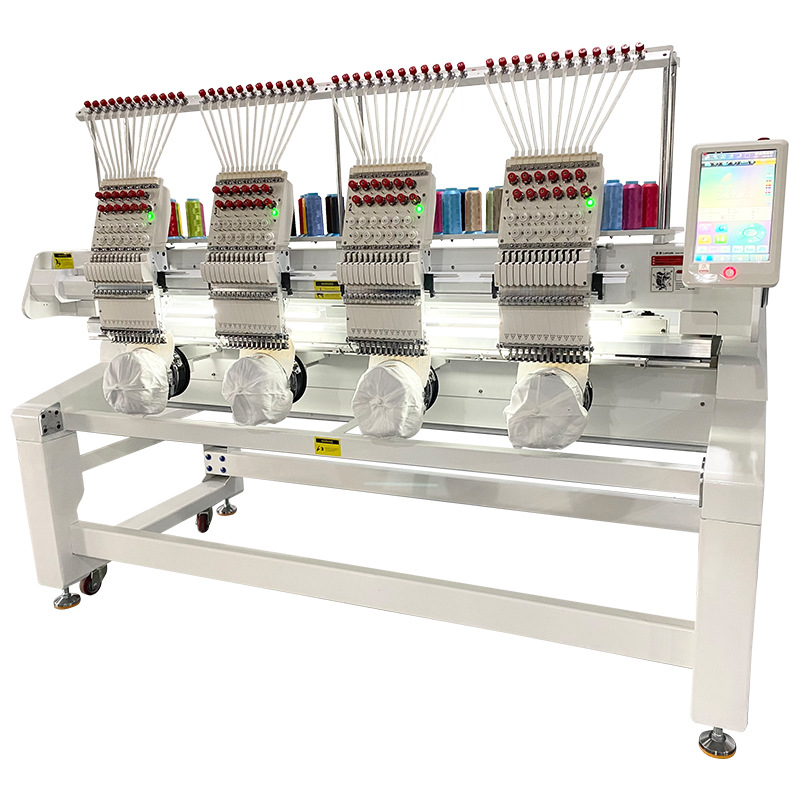
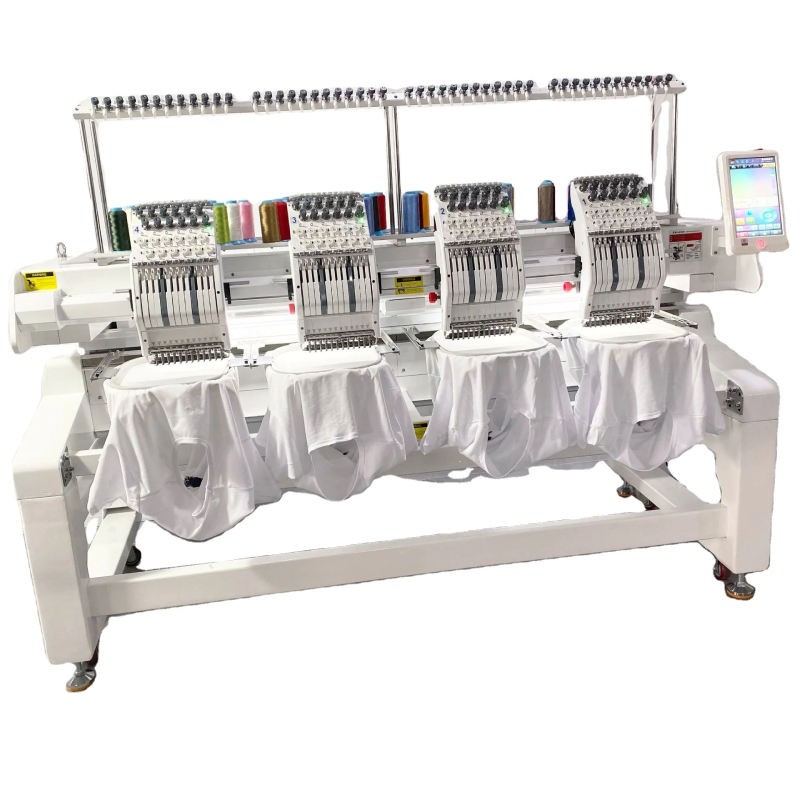
Spotlight: XTPFSM 4-head 12-needle (new or second-hand)
Origin: Building A, Runjiang Huigu Building, Shijiazhuang City, Hebei Province. This unit handles cap/T-shirt/garment/flat, with optional 400 × 680 mm flat area and 12 or 15 needles. The control panel supports 13 languages—nice touch for mixed teams, to be honest.
| Spec (≈ real-world) | Details |
|---|---|
| Heads / Needles | 4 heads / 12 needles per head (optional 15) |
| Embroidery area | Cap/T-shirt/garment fixtures; flat up to ≈400 × 680 mm |
| Max speed | ≈1000–1200 spm (caps often ≈900 spm) |
| Power | ≈1.2–1.5 kW total; 220V, 50/60Hz |
| Interface | 13 languages; USB/LAN typical (config may vary) |
| Memory | Around ≥20M stitches (controller dependent) |
| Noise | ≈75–80 dB in production rooms |
| Service life | 8–10 years with scheduled maintenance |
Process flow and quality checks
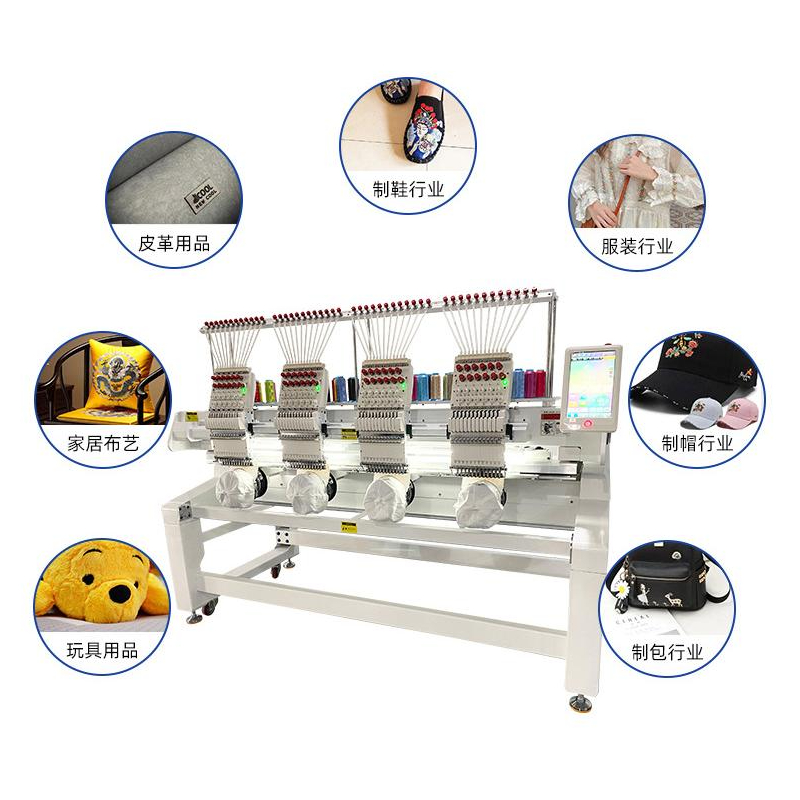
Materials: polyester thread (40 wt), rayon where sheen matters; needles DBxK5 #65–90; bobbin prewounds; stabilizers (tear-away for caps, cut-away for knits). Methods: digitize (pull compensation, underlay), hoop, test-stitch, production run, trim, steam, and pack.
Testing standards: colorfastness per ISO 105-C06 / AATCC 61; thread safety via OEKO-TEX Standard 100; machinery risk assessment per ISO 12100; CE marking under the Machinery Directive. Example shop test data (one of our readers shared): 40°C wash, 30 cycles—no noticeable fray; abrasion test Martindale 10k rubs—minor fuzz on rayon, polyester held strong.
Applications and real-world notes
- Teamwear and caps: quick frame swaps help.
- Branded workwear: choose cut-away stabilizers for durability.
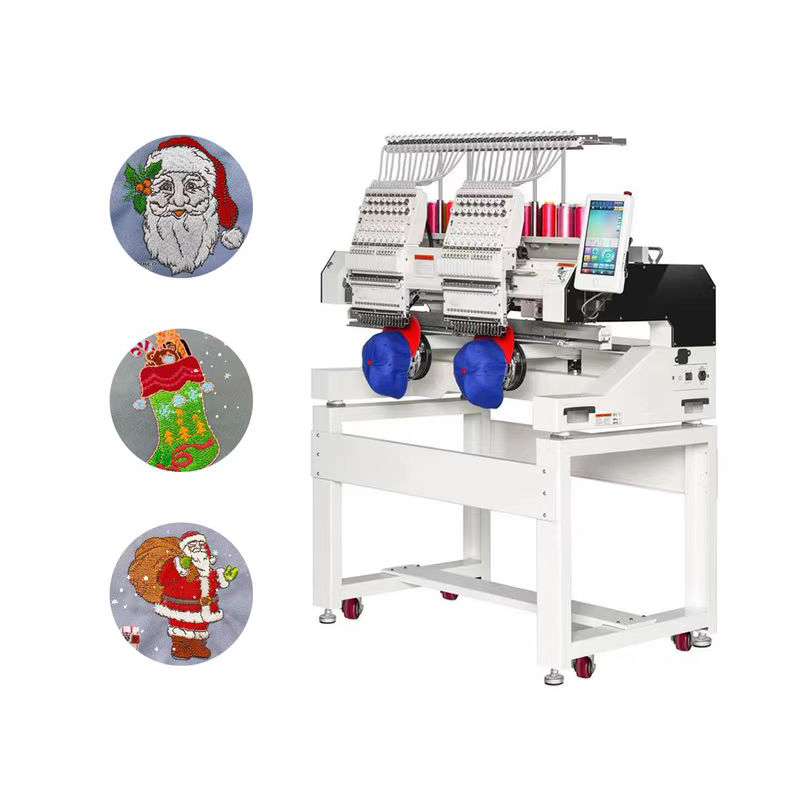
- Patches and appliqué: the large flat area is a quiet profit center. One small studio told me they doubled patch output after moving to a 4-head professional embroidery machine.
Customer feedback: “The 13-language UI reduced operator errors in our mixed-language crew,” says a Jordan-based decorator. Another shop noted, “Second-hand unit paid for itself in four months—maintenance was key.”
| Vendor (4-head class) | Strengths | Speed (≈spm) | Area (per head) | Price band |
|---|---|---|---|---|
| XTPFSM (new/second-hand) | Cap/T-shirt/flat flexibility; 13-language UI | ≈1000–1200 | Up to ≈400×680 mm | Value-focused |
| Tajima (typical pro line) | Premium stitch quality; ecosystem | ≈1100–1300 | Varies by model | Premium |
| Barudan (typical pro line) | Durability; tight registration | ≈1000–1200 | Varies by model | Upper-mid to premium |
Customization, support, and ROI
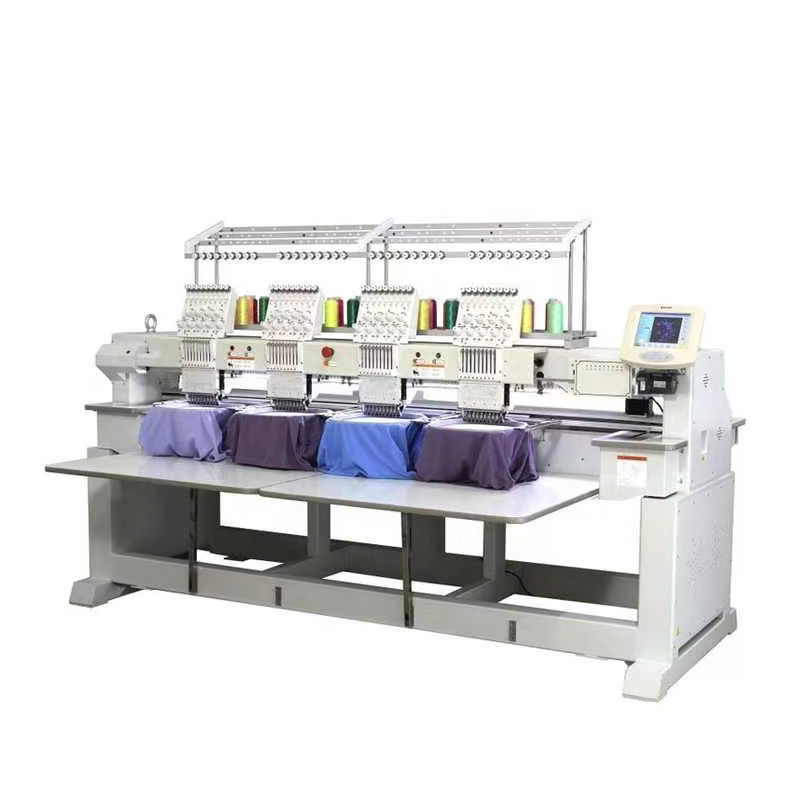
Needles: 12 vs 15 is about color flexibility and fewer thread changes. Frames: invest in cap drivers plus quick-release hoops. Software: ensure your digitizing workflow exports clean DST with proper underlay. Service: ask for local technician access and parts lead times; uptime is where a professional embroidery machine proves its worth.
Bottom line
For shops juggling caps, tees, and flat panels, a 4-head, 12-needle setup balances throughput and floor space nicely. Whether you go new or second-hand, build your decision around stitch quality, area per head, service access, and standards compliance. It sounds obvious, but in practice, those four levers decide profit.
Authoritative citations
Latest news
-
Embroidery Machine Professional Manufacturers: Global Insights, Innovations, and Industry Trends
NewsDec.03,2025
-
Understanding Embroidery Machine Professional Factories: Global Insights & Innovations
NewsDec.03,2025
-
How to Choose a Top Embroidery Machine Professional Supplier for Reliable Textile Production
NewsDec.03,2025
-
Choosing the Best Embroidery Machine for T-Shirt Factories: Boost Efficiency & Quality Globally
NewsDec.02,2025
-
Embroidery Machine for T-Shirt Suppliers: Choosing the Best Equipment Globally
NewsDec.02,2025
-
Comprehensive Guide to Embroidery Machine for T-Shirt Service: Global Trends & Insights
NewsDec.02,2025

Copyright © 2026 Xingtai Pufa Trading Co., Ltd All Rights Reserved. Sitemap | Privacy Policy | Top Blog | Global Service