The world of textile manufacturing is undergoing a revolution, driven by advancements in technology and a growing demand for personalized and efficient production methods. At the heart of this shift lies the digital embroidery machine, a sophisticated tool that has transformed the way designs are created and applied to fabrics. Understanding the capabilities and potential of this technology is crucial for businesses and individuals alike, offering opportunities for innovation, cost savings, and creative expression. This technology is increasingly important in various sectors, from fashion and apparel to promotional products and home décor.
Globally, the textile industry is a significant economic driver, employing millions and generating substantial revenue. The demand for customized and high-quality embroidered goods continues to rise, fuelled by consumer preferences for unique products and the increasing popularity of personalized branding. However, traditional embroidery methods can be time-consuming, labor-intensive, and costly. The digital embroidery machine provides a solution to these challenges, offering faster production speeds, greater design flexibility, and reduced operational expenses. The UN Sustainable Development Goals also play a role, with a focus on responsible production and consumption, which digital embroidery can support through optimized material use and reduced waste.
The increasing need for efficient and scalable production solutions in the textile industry further amplifies the relevance of digital embroidery machines. This is particularly true in emerging markets and for small businesses looking to compete with larger manufacturers. Data from the World Bank indicates a growing trend in the adoption of automated technologies across various industries, including textiles, to enhance productivity and improve quality control. Embracing digital embroidery machine technology isn't just about staying competitive; it's about adapting to a rapidly evolving global landscape.
The Foundations of Digital Embroidery Machine
The emergence of the digital embroidery machine can be traced back to the advancements in computer-aided manufacturing (CAM) and the need for automated textile decoration. Initially, these machines were large, expensive, and complex to operate, primarily used by large-scale manufacturers. However, continuous innovation has led to the development of more compact, user-friendly, and affordable models, making this technology accessible to small businesses and even hobbyists.
Early digital embroidery machines relied on punch cards or magnetic tapes to store design data. Today, they utilize sophisticated software and digital file formats (like DST, PES, and EXP) for greater precision and flexibility. This evolution has drastically reduced setup times and allows for intricate designs to be replicated with consistency and accuracy. The shift also reflects a broader trend towards digital transformation within the manufacturing sector, optimizing workflows and enhancing overall efficiency.
Defining the Digital Embroidery Machine
A digital embroidery machine is a computer-controlled sewing machine that creates intricate designs on textiles using a variety of threads. Unlike traditional hand embroidery or manual machines, digital embroidery machines read digitized designs and automatically stitch them onto fabric, offering significant advantages in terms of speed, accuracy, and repeatability. The machine utilizes a multi-needle system, allowing for different thread colors to be incorporated into a single design.
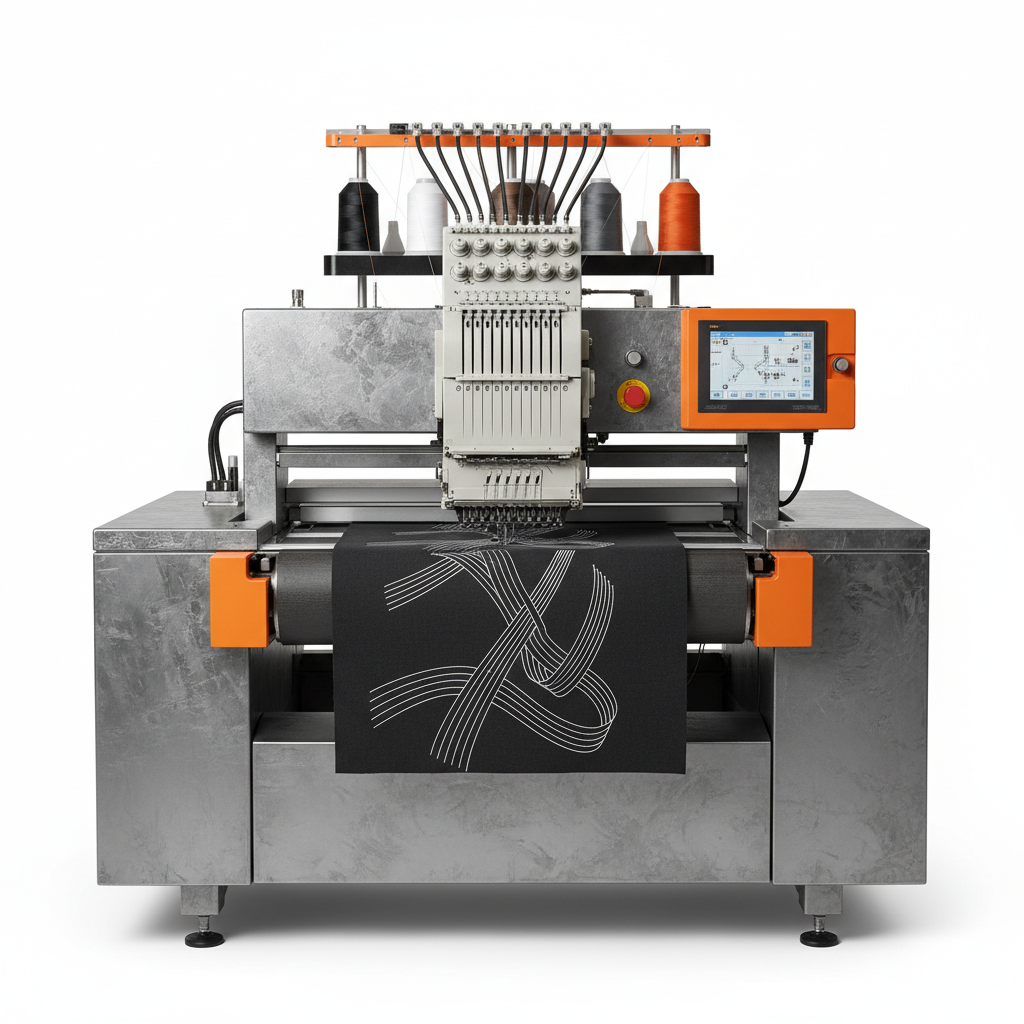
At its core, a digital embroidery machine consists of several key components, including a hoop to hold the fabric taut, a needle assembly, a thread supply system, and a computer control panel. The computer interprets the digital design file and directs the movement of the needle, creating the desired pattern. The connection to modern industry lies in its ability to automate a traditionally manual process, streamlining production and reducing costs.
This technology is crucial to meeting humanitarian needs by enabling the rapid production of customized clothing, blankets, and other essential items for disaster relief or aid organizations. The ability to quickly personalize items with logos or messaging can also be invaluable in branding efforts for non-profits and outreach programs.
Key Components and Operational Principles
The operational principles of a digital embroidery machine revolve around the precise coordination of several key components. The digitized design is first loaded into the machine’s control panel, which then translates the data into a series of movements for the needle and fabric. The machine utilizes a hoop to securely hold the fabric taut, ensuring that the stitches are consistent and accurate. The multi-needle system allows for multiple thread colors to be used in a single design without manual thread changes.
Essential components include the embroidery head (containing the needles), the control panel (for design input and machine settings), the thread tensioners (to maintain consistent stitch quality), and the fabric handling system (responsible for moving the fabric under the needle). The quality and precision of these components directly influence the overall performance and durability of the machine. Understanding these elements is essential for proper machine maintenance and troubleshooting.
Beyond the physical components, the software used to create and convert designs plays a vital role. Embroidery digitizing software allows users to create custom designs or import existing artwork and convert them into a stitch file that the machine can understand. The software also enables users to adjust stitch density, color selection, and other parameters to achieve the desired effect.
Performance Metrics of a Digital Embroidery Machine
Assessing the performance of a digital embroidery machine involves evaluating several key metrics. Stitch speed, measured in stitches per minute (SPM), is a primary indicator of productivity. Higher SPM values allow for faster production times, but must be balanced with stitch quality and fabric type. Another critical metric is the maximum embroidery area, determining the size of designs the machine can accommodate.
Further considerations include the number of needles (affecting color change capabilities), the machine's memory capacity (for storing designs), and its connectivity options (USB, network). Reliability, measured by uptime and maintenance requirements, is also essential for minimizing disruptions and maximizing efficiency.
Comparative Performance of Digital Embroidery Machine Methods
Global Applications and Industry Impact
The applications of digital embroidery machine technology are incredibly diverse. In the fashion industry, it’s used for creating elaborate designs on clothing, handbags, and accessories. The promotional products sector relies heavily on embroidery for logo application on apparel, caps, and other items. Home décor benefits from embroidered cushions, curtains, and wall hangings. Furthermore, the sports apparel industry leverages embroidery for team logos and player names.
In Europe, particularly in Italy and France, digital embroidery is a key component of high-end fashion production. In Asia, countries like China and Vietnam are major hubs for mass production of embroidered goods. North America utilizes the technology for both large-scale manufacturing and smaller, custom embroidery businesses. In post-disaster relief operations, rapid production of branded clothing and essential items is a vital application.
Advantages and Long-Term Value Proposition
The advantages of investing in a digital embroidery machine are numerous. Cost efficiency is a major benefit, as automated embroidery reduces labor costs and minimizes material waste. Sustainability is enhanced through precise thread usage and the ability to create durable, long-lasting products. Social impact is realized by providing employment opportunities and supporting local businesses.
Beyond the tangible benefits, a digital embroidery machine offers enhanced design flexibility, enabling customization and personalization to meet specific customer needs. Reliability ensures consistent quality and reduces downtime, fostering trust with clients. Innovation is driven by the ability to experiment with new designs and techniques, staying ahead of market trends. This all translates into a strong return on investment and a competitive edge in the marketplace.
The emotional value lies in the ability to create unique and meaningful products, appealing to customers who appreciate personalized items. The logical value is based on the enhanced efficiency, reduced costs, and improved quality control that the machine provides.
Future Trends and Technological Advancements
The future of digital embroidery machine technology is poised for further innovation. Advancements in artificial intelligence (AI) and machine learning are expected to automate design creation and optimize stitching patterns. Integration with cloud-based design platforms will enable seamless collaboration and remote access to design files. We are also seeing a shift towards more sustainable materials, including recycled threads and eco-friendly fabrics.
Automation will play an increasingly important role, with machines capable of automatically changing thread colors, trimming threads, and even handling fabric loading and unloading. Digital transformation, driven by Industry 4.0 principles, will integrate embroidery machines with other manufacturing systems for a more streamlined and efficient production process.
The development of multi-head embroidery machines with greater speed and precision will also be a key trend, as well as exploring more energy-efficient and environmentally friendly machine designs.
FAQS
The lifespan of a digital embroidery machine typically ranges from 5 to 15 years, depending on the quality of the machine, the frequency of use, and the level of maintenance provided. Regular cleaning, lubrication, and timely replacement of worn parts are crucial for maximizing the machine’s lifespan. Higher-end, industrial-grade machines tend to have a longer lifespan than entry-level models. Investing in a reputable brand and following the manufacturer’s maintenance recommendations can significantly extend the machine's usability.
You’ll need embroidery digitizing software to create designs for a digital embroidery machine. Popular options include Wilcom EmbroideryStudio, PE-Design, and Embrilliance Essentials. These programs allow you to convert images or create designs from scratch, then save them in a format compatible with your machine (e.g., DST, PES, EXP). The software typically offers tools for stitch selection, color management, and design editing.
Maintenance costs vary depending on the machine's complexity and usage. Routine maintenance, such as cleaning and oiling, can be done yourself at minimal cost. However, you’ll also need to factor in the cost of replacement needles, thread, bobbins, and occasional professional servicing. Annual professional servicing typically costs between $200 and $500, depending on the machine and the service provider.
A wide range of fabrics can be embroidered, but some are better suited than others. Stable woven fabrics like cotton, linen, and denim are generally easiest to embroider. Knit fabrics, like jersey and fleece, require stabilization to prevent puckering. Delicate fabrics, like silk and chiffon, may require special techniques and lightweight stabilizers. Consider the fabric's weight, weave, and stretch when selecting the appropriate stabilizer and thread.
The learning curve can vary depending on your prior experience with sewing and computer software. Basic operation is relatively straightforward, but mastering design creation and troubleshooting can take time and practice. Many manufacturers offer training courses and online tutorials to help users get up to speed. Starting with simple designs and gradually progressing to more complex projects is a good approach for beginners.
Yes, many digital embroidery machines can embroider hats and shoes, but require specialized hoops and frames designed for curved surfaces. Hat embroidery requires a cap frame to hold the hat securely in place. Shoe embroidery often requires a shoe last or specialized attachment to provide support. It’s important to select the correct stabilizer and thread for the specific material being embroidered.
Conclusion
In conclusion, the digital embroidery machine represents a transformative technology for the textile industry, offering unparalleled speed, precision, and design flexibility. From streamlining production processes to enabling personalized creations, these machines have revolutionized how we decorate and customize fabrics. Understanding the key components, applications, and future trends of this technology is vital for businesses and individuals seeking to capitalize on its potential.
Looking ahead, continued innovation in AI, automation, and sustainable materials will further enhance the capabilities of digital embroidery machines. Embracing these advancements will not only drive efficiency and cost savings but also contribute to a more environmentally responsible and socially impactful manufacturing landscape. Visit our website at www.xtpfsm.com to learn more about how we can help you integrate this powerful technology into your operations.