
Oct . 28, 2025 13:15 Back to list
Single Head Embroidery Machine – Fast, Precise, Cap-Ready
The Real-World Guide to a Single Head Embroidery Machine: Specs, Use Cases, and What Pros Actually Buy
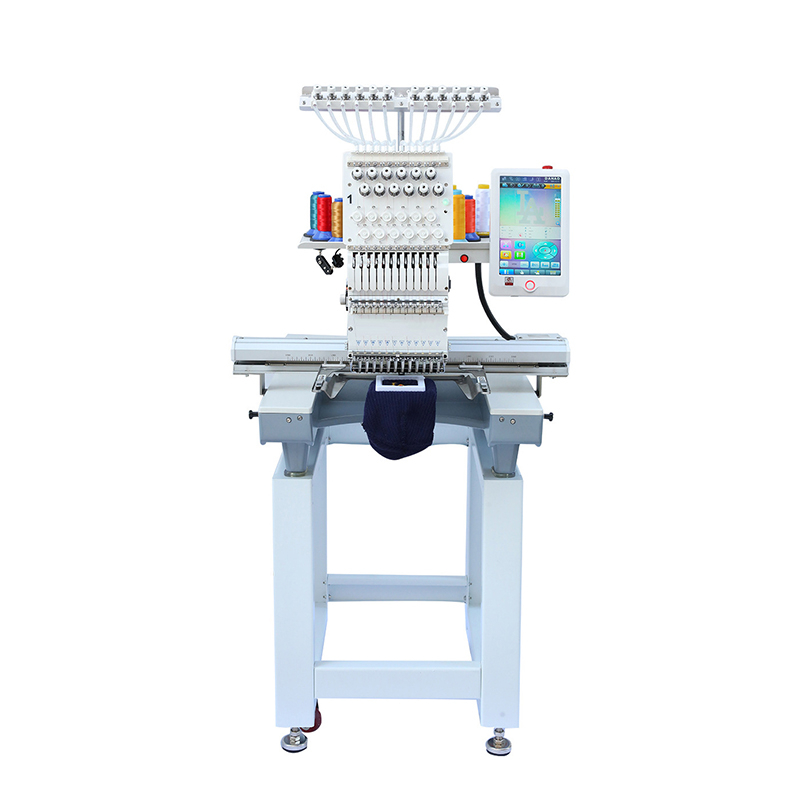
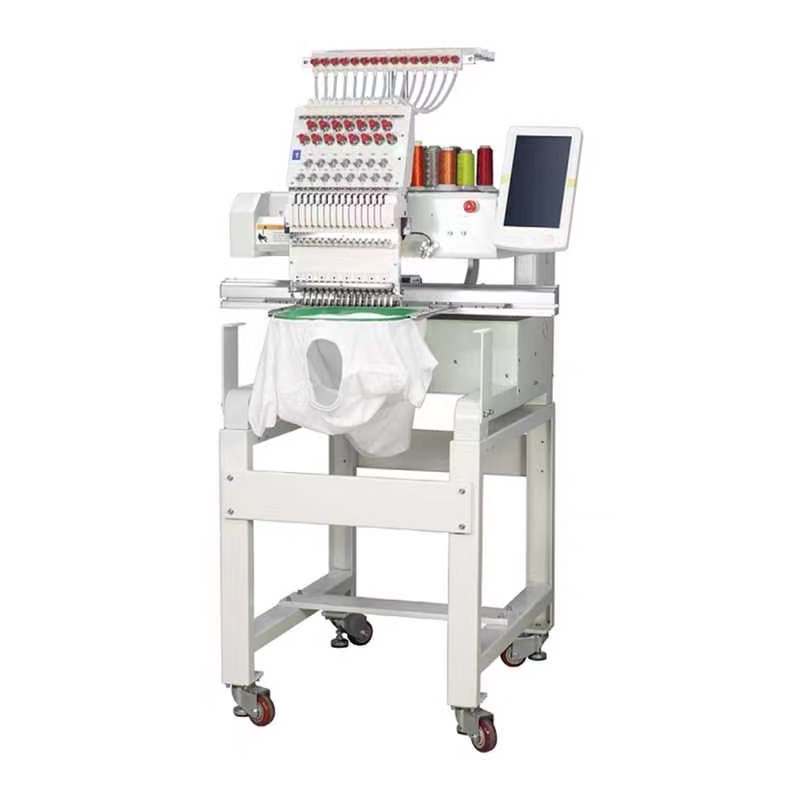
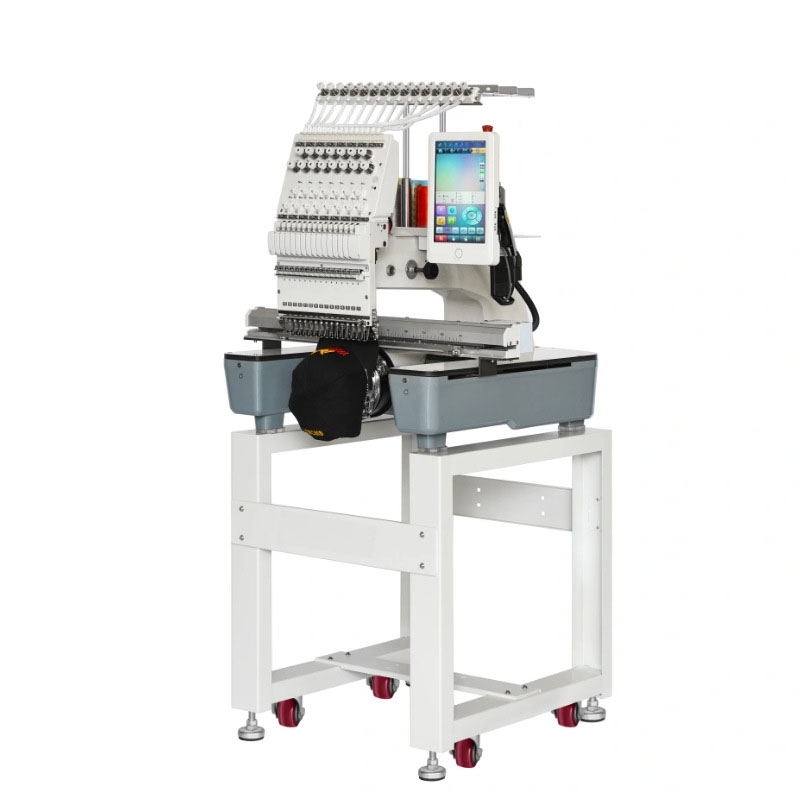
I’ve walked more than a few factory floors, from boutique cap shops to bustling uniform makers. One machine keeps showing up: the high quality cap embroidery machine computerized embroidery machine clothes Single Head Embroidery Machine from a maker based in Building A, Runjiang Huigu Building, Shijiazhuang City, Hebei Province. Why? Because it hits that sweet spot—fast to learn (under an hour, seriously), robust enough for daily production, and not the kind of price tag that makes your accountant pale.
Industry snapshot
Customization is no longer a perk; it’s the product. Caps, hoodies, varsity jackets, corporate polos—embroidered branding is climbing, and lead-time expectations keep shrinking. Shops want a Single Head Embroidery Machine that sets up fast, swallows diverse file formats, and keeps tension consistent even on tricky materials like structured hats or thick twill. Many customers say they started with one head, proved demand in weeks, then scaled to a small fleet.
Key technical specifications (real-world friendly)
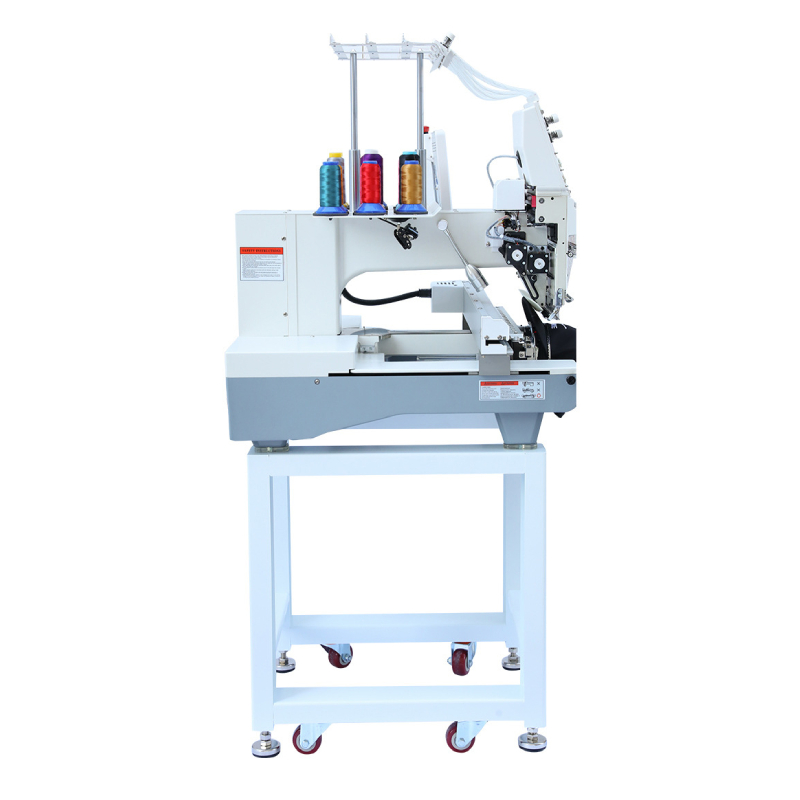
| Needle count | 12–15 needles (configurable) |
| Max speed | ≈ 1,000–1,200 SPM (real-world use may vary by fabric) |
| Embroidery area | ≈ 360 × 510 mm flat; cap driver ≈ 75 × 360 mm |
| Formats | DST, DSB, EXP, PES (Tajima-compatible workflow) |
| Memory | ≈ 20–50 million stitches; USB + on-board storage |
| Drive & frame | Servo/stepper hybrid, welded steel chassis, aluminum arms |
| Noise level | ≈ 70–75 dB(A) per ISO 9902-1 test conditions [1] |
| Certifications | CE marking; electrical safety aligned with IEC 60204-1 [2] |
Process flow and testing
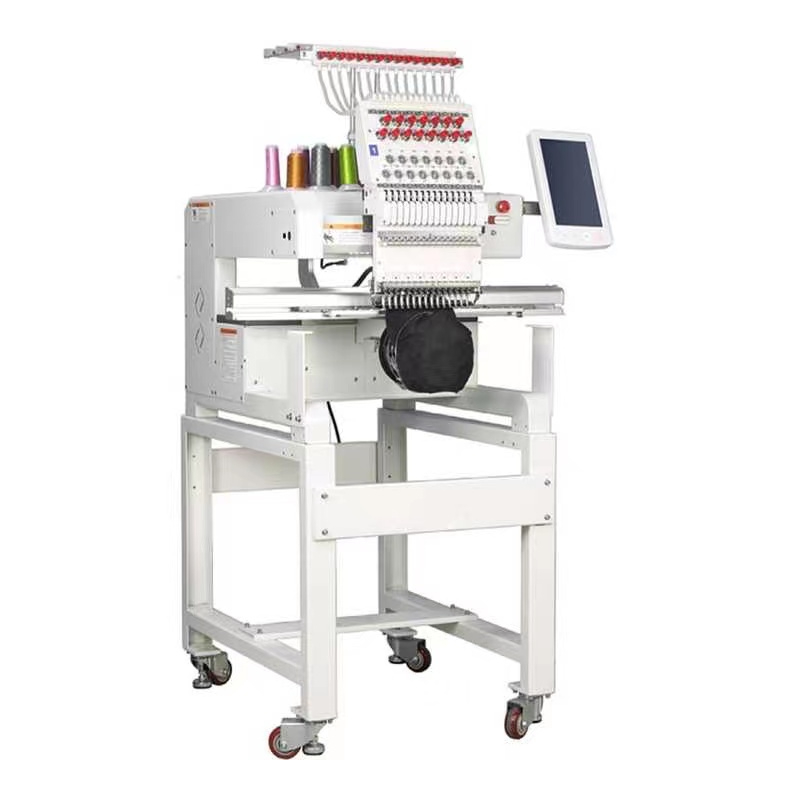
Materials: steel frame, precision shafts, ceramic/tension discs, titanium or high-carbon needles. Methods: digitize (DST), test on scrap, set hooping and cap driver, calibrate tension and thread path, run pilot of ~3,000 stitches, then batch.
- QC testing: 24-hour burn-in; 100,000-stitch endurance; pattern accuracy ≈ ±0.1 mm.
- Standards touchpoints: ISO 11111 safety of textile machinery, ISO 9902 noise, IEC 60204-1 electrical [1][2][3].
- Service life: around 5–8 years in daily use with routine lubrication and belt checks.
Applications and industries
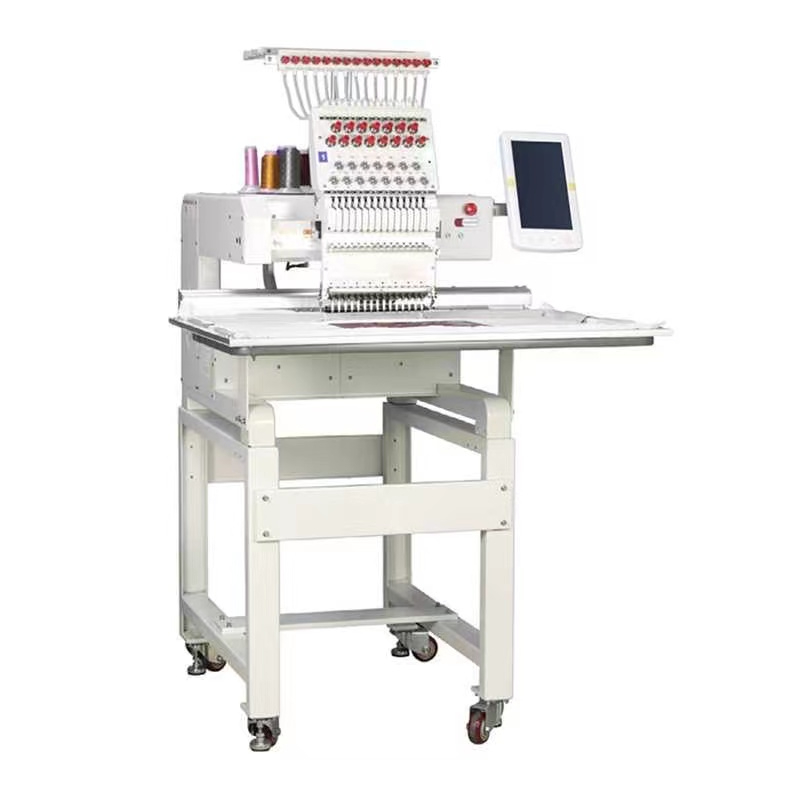
Caps (structured/unstructured), workwear patches, sports jerseys, varsity letters, tote bags, denim, and small home décor. Industries: promo merchandise, small fashion labels, school/club teams, hospitality uniforms, and start-up DTC brands. Many operators told me they were taking paid jobs by day two—fast ROI is the appeal.
Why this model stands out
Training is refreshingly short—under one hour, plus a professional engineer can walk you through the first runs remotely. Actually, that matters more than you think. Downtime kills margins. The maker positions it as “excellent but affordable,” which, I guess, translates to lower investment risk while you validate demand.
| Vendor | Needles | Top speed | Warranty | Price range | Notes |
|---|---|---|---|---|---|
| XTPFSM (this model) | 12–15 | ≈1,200 SPM | 12–24 mo (region-dependent) | Budget-friendly | Fast onboarding; strong cap driver |
| Brand A | 15 | ≈1,200 SPM | 24 mo | Mid–high | Polished UI; higher upfront cost |
| Brand B | 12 | ≈1,050 SPM | 12 mo | Economy | Good starter; fewer accessories |
Customization, support, and a quick case
- Customization: hoop sets, cap drivers, laser alignment pointer, stand height, extra memory.
- Support: remote onboarding, quick-start videos, spare parts kit. Many shops say issues are resolved same day.
- Case: A two-person cap shop ran a 150-piece team order on day one, then a 500-piece corporate batch that weekend; ROI hit within the first month thanks to low scrap and minimal setup time.
Note: Specifications with “≈” are typical values; configurations and regional compliance may vary. Always validate local electrical and safety requirements before installation.
Citations
- ISO 9902-1: Textile machinery — Noise test code — Part 1: Common requirements.
- IEC 60204-1: Safety of machinery — Electrical equipment of machines — Part 1: General requirements.
- ISO 11111: Safety requirements for textile machinery (relevant sections for embroidery machines).
- “Embroidery File Formats and DST Standard,” industry guidance from Tajima-compatible ecosystems.
Latest news
-
Embroidery Machine Professional Manufacturers: Global Insights, Innovations, and Industry Trends
NewsDec.03,2025
-
Understanding Embroidery Machine Professional Factories: Global Insights & Innovations
NewsDec.03,2025
-
How to Choose a Top Embroidery Machine Professional Supplier for Reliable Textile Production
NewsDec.03,2025
-
Choosing the Best Embroidery Machine for T-Shirt Factories: Boost Efficiency & Quality Globally
NewsDec.02,2025
-
Embroidery Machine for T-Shirt Suppliers: Choosing the Best Equipment Globally
NewsDec.02,2025
-
Comprehensive Guide to Embroidery Machine for T-Shirt Service: Global Trends & Insights
NewsDec.02,2025

Copyright © 2026 Xingtai Pufa Trading Co., Ltd All Rights Reserved. Sitemap | Privacy Policy | Top Blog | Global Service