
Oct . 19, 2025 12:30 Back to list
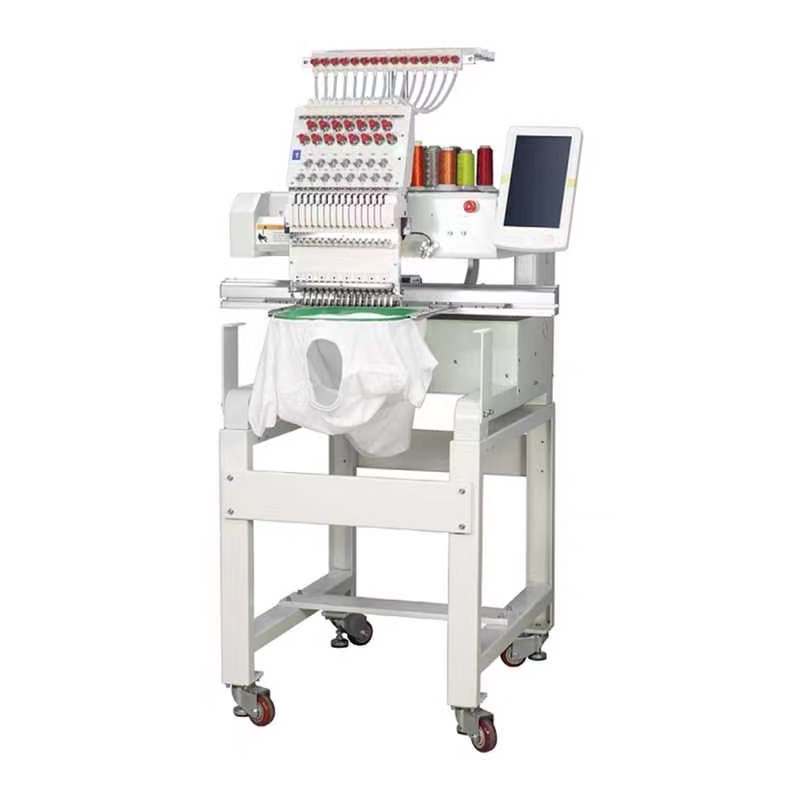
Single Head Embroidery Machine – Fast, Precise, Cap-Ready
High quality cap embroidery machine: notes from the shop floor
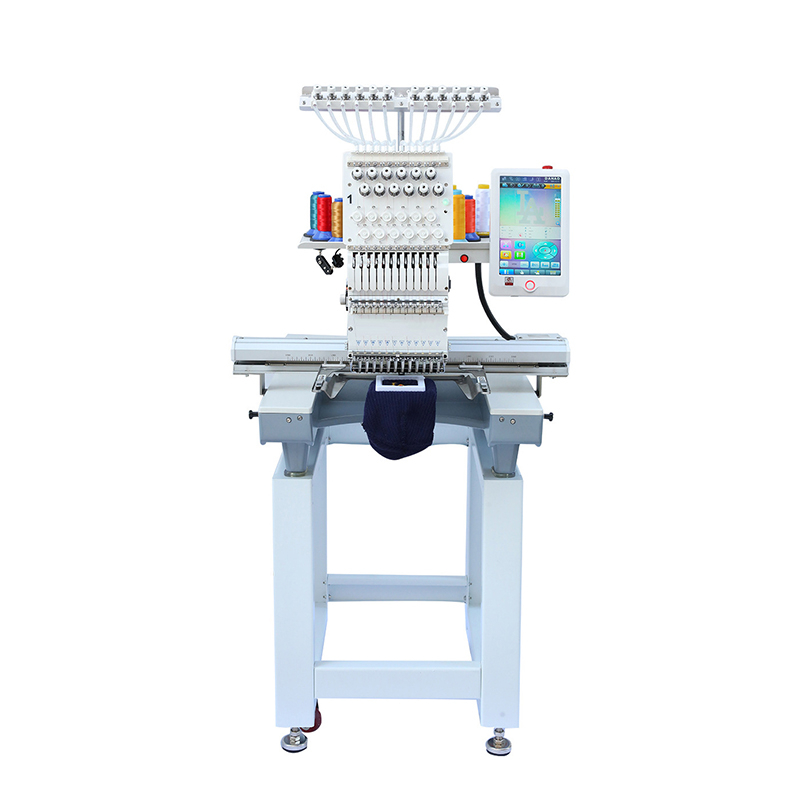
If you’re weighing up a single head embroidery machine, here’s the inside view from someone who spends way too much time around thread dust and digitizing screens. The model out of Building A, Runjiang Huigu Building, Shijiazhuang City, Hebei Province is interesting: quick to learn (under an hour, seriously) and priced to de-risk that first step into custom caps and small-batch apparel.
What’s trending in embroidery right now
Short runs and personalization are exploding—teams, breweries, esports, even micro-influencers. Caps stay hot, jackets are back, and sustainable thread choices (recycled polyester) are becoming standard. Speed matters, but uptime and stitch quality matter more. Many customers say they’d trade 5% speed for fewer thread breaks. Honestly, so would I.
Core specs (real-world, not brochure-speak)
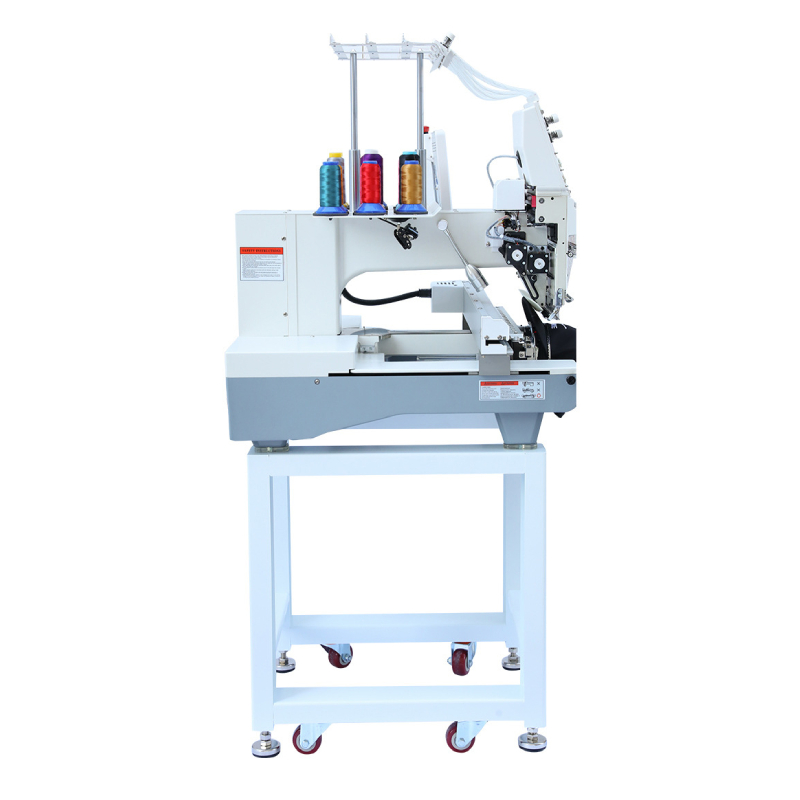
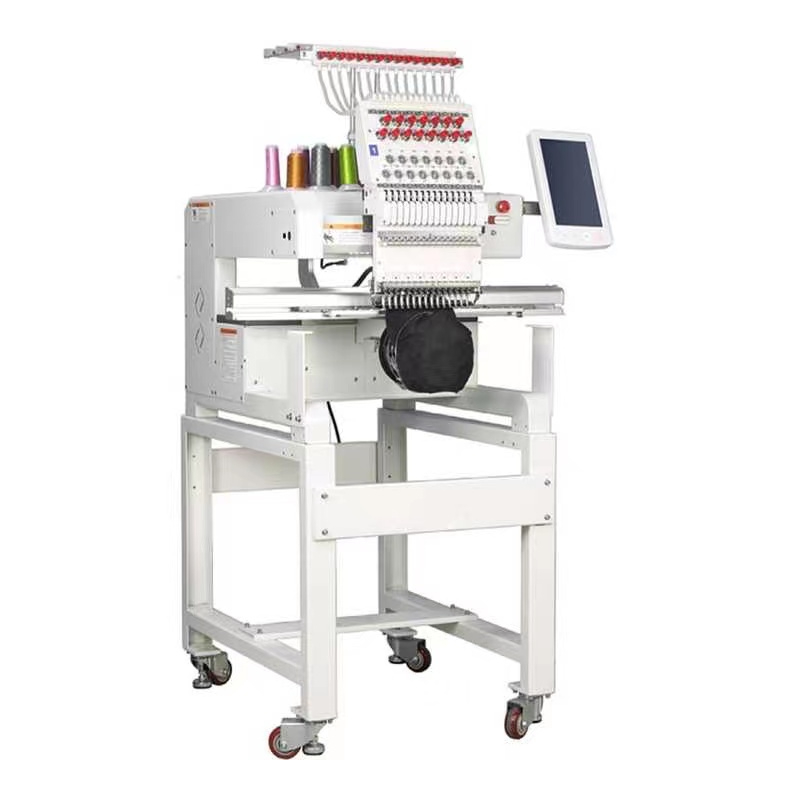
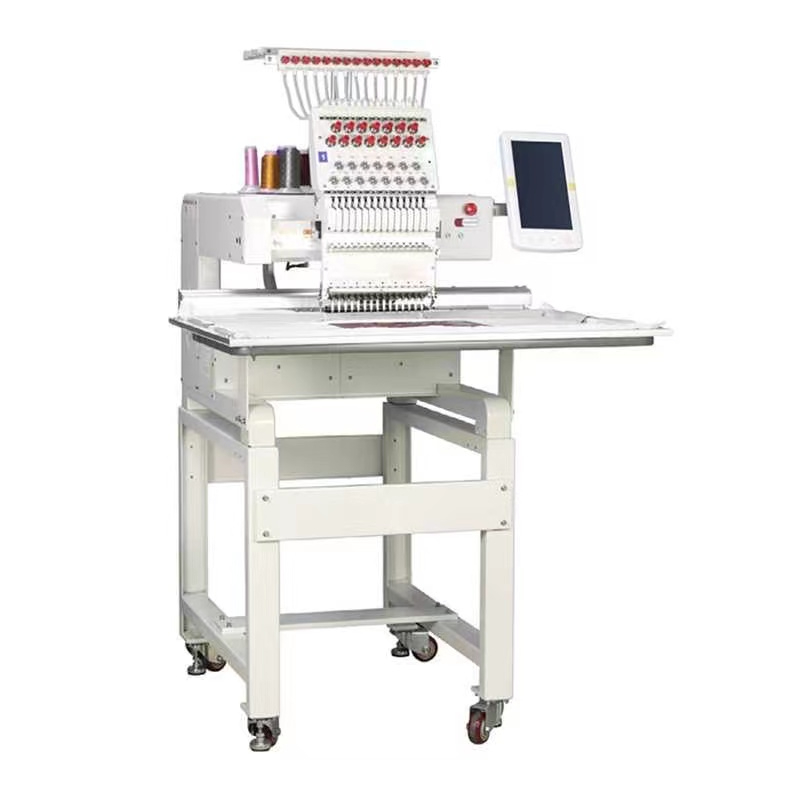
| Heads / Needles | 1 head / 12–15 needles (configurable) |
| Max speed | ≈ 1,200 spm (real-world 900–1,100 spm on caps) |
| Embroidery area | Around 360×200 mm flat; cap driver 270° |
| Memory / I/O | ≥ 20M stitches, USB, DST/DSB input; LAN optional |
| Power / Noise | 220V/110V; ≈ 65–70 dB in typical studios |
| Certifications | CE, ISO 9001; RoHS-compliant components |
Process flow (how shops actually run it)
- Materials: 40wt polyester thread, 75/11 or 80/12 needles, backing 2–3 oz tearaway (caps) or cutaway (knits).
- Digitizing: density ≈ 0.40 mm; pull-comp 0.1–0.2 mm; test on scrap first.
- Hooping: cap driver + centerline alignment; flat hoops for tees, workwear.
- Trial run: 3–5k stitches test; monitor thread tension (120–180 gf).
- QC: thread break count, registration underlay check, color fastness wash test (ISO 105-C06).
Testing standards: electrical safety per IEC 60204-1, machine CE conformity, and in-house 72-hour burn-in. Service life? With maintenance, ≈ 5–8 years on normal duty.
Applications and advantages
- Caps and visors for teams and promos.
- Workwear logos; small-batch fashion labels.
- Patches, monograms, left-chest branding.
What people like: it’s genuinely easy to learn (under an hour), with a pro engineer available for onboarding. The price is, surprisingly, aggressive—faster payback if you’re moving from heat-transfer vinyl to embroidered caps. As a single head embroidery machine, it’s nimble enough for Etsy shops yet robust for outlet kiosks.
Vendor snapshot (approximate, real-world use may vary)
| Vendor | Speed | Cap Quality | Price | Training |
|---|---|---|---|---|
| XTP FSM (this model) | ≈ 1,200 spm | Sharp on 3D puff | Value-tier | Engineer-led, quick start |
| Brand A (mid-range) | 1,200–1,500 spm | Very consistent | Higher | Structured courses |
| Brand B (economy) | 800–1,000 spm | OK; tricky on foam | Lowest | DIY videos |
Customization
Options include 12/15 needles, cap/flat hoops, sequin/cord attachments, Wi‑Fi networking, and spool stands. For power users, I’d add a thread tension gauge and magnetic hoops—small investments, big stability.
Field notes and test data
Burn-in: 72 h continuous run; recorded 0–2 thread breaks/10k stitches on polyester thread. Registration drift under 0.2 mm on dense satin. Noise ≈ 68 dB at 1 m. Maintenance: oil daily on marked points; full service every 6 months. Expected ROI? With 30 caps/day at modest margins, payback can be under 4–6 months—yes, depends on your local pricing.
Mini case studies
- Streetwear microbrand: moved from patches to direct cap embroidery; order rejection rate dropped from 7% to 1.5%.
- Team dealer: one single head embroidery machine handling on-demand namesets; average turnaround from 3 days to same-day for 80% of jobs.
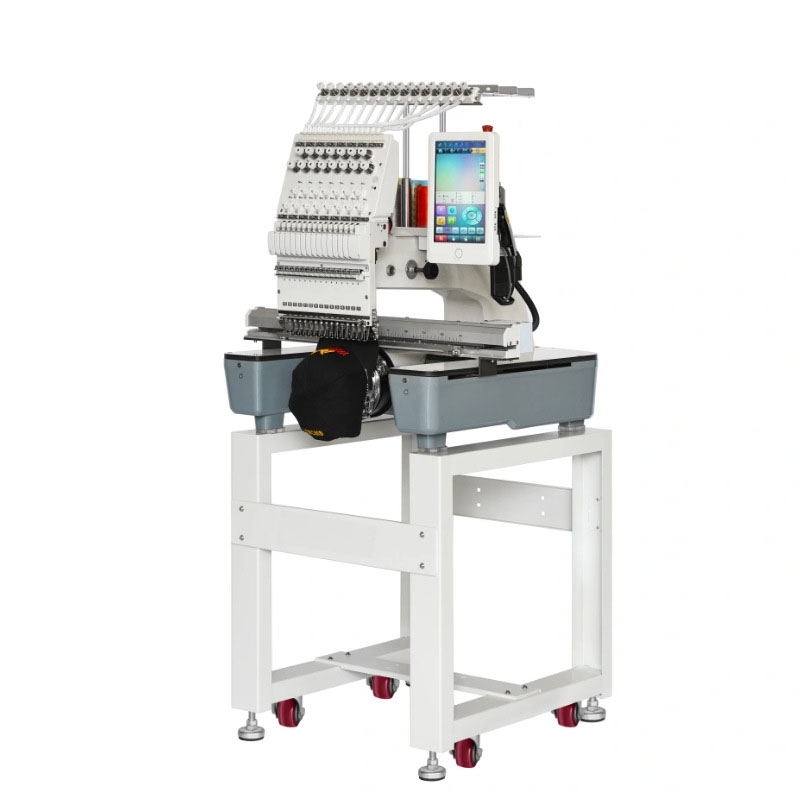
Final thought: if you’re entering caps or upgrading from hobby gear, a capable single head embroidery machine with real training support beats chasing headline speed. This one earns its keep without drama—my favorite kind of machine.
Authoritative citations
- ISO 9001:2015 Quality management systems (iso.org)
- EU Machinery Directive 2006/42/EC for CE conformity (europa.eu)
- IEC 60204‑1: Safety of machinery – Electrical equipment of machines (iec.ch)
Latest news
-
Embroidery Machine Professional Manufacturers: Global Insights, Innovations, and Industry Trends
NewsDec.03,2025
-
Understanding Embroidery Machine Professional Factories: Global Insights & Innovations
NewsDec.03,2025
-
How to Choose a Top Embroidery Machine Professional Supplier for Reliable Textile Production
NewsDec.03,2025
-
Choosing the Best Embroidery Machine for T-Shirt Factories: Boost Efficiency & Quality Globally
NewsDec.02,2025
-
Embroidery Machine for T-Shirt Suppliers: Choosing the Best Equipment Globally
NewsDec.02,2025
-
Comprehensive Guide to Embroidery Machine for T-Shirt Service: Global Trends & Insights
NewsDec.02,2025

Copyright © 2026 Xingtai Pufa Trading Co., Ltd All Rights Reserved. Sitemap | Privacy Policy | Top Blog | Global Service