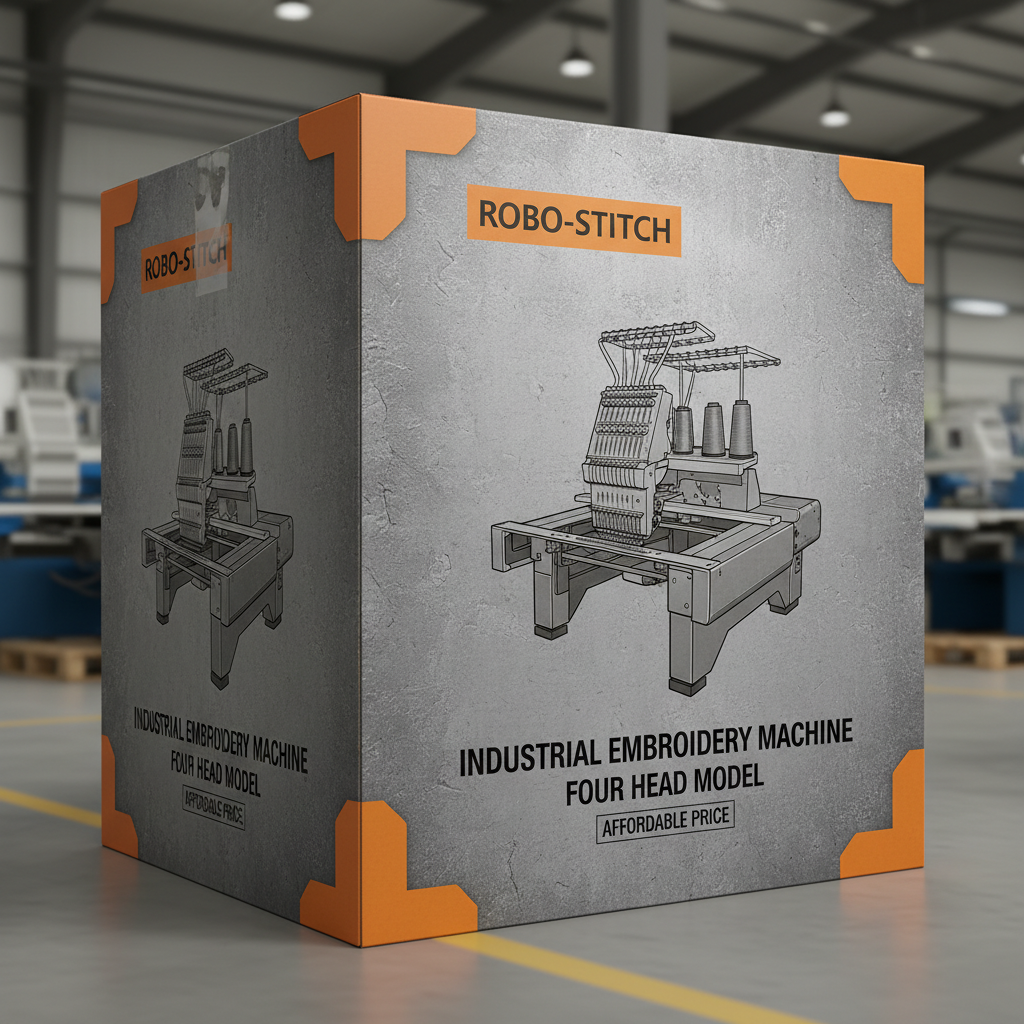
The global textile landscape is undergoing a massive transformation as digitalization pushes the boundaries of garment decoration. For entrepreneurs and large-scale manufacturers, the ability to source reliable equipment from experienced embroidery commercial machine factories is no longer just a preference but a strategic necessity for maintaining competitive edge. These factories bridge the gap between artistic design and industrial-scale production, ensuring that high-precision stitching meets the demands of modern fashion.
When evaluating the capabilities of various embroidery commercial machine factories, the focus has shifted from simple mechanical speed to comprehensive system integration. Today's market demands machines that can handle diverse fabrics—from delicate silks to heavy-duty denim—while maintaining a consistent stitch quality across thousands of cycles. This evolution is driven by the need for rapid prototyping and the rise of customized "on-demand" apparel.
Understanding the technical ecosystem provided by leading embroidery commercial machine factories allows businesses to optimize their workflow, reduce waste, and increase output. By integrating advanced servo motors and intuitive touch-screen controllers, these industrial solutions empower designers to transform complex digital patterns into tangible, high-value textile products with unprecedented accuracy.
The Role of High-Precision Hardware in Embroidery Commercial Machine Factories
The core of any industrial embroidery operation lies in the precision of its hardware. Leading embroidery commercial machine factories utilize high-performance servo motors and "Good Hook" technology to ensure that every stitch is placed with micron-level accuracy. For a machine like the PF-0604, the combination of a robust spindle motor and a high-definition true color controller allows for seamless execution of complex DST format patterns.
Beyond the motor, the structural integrity of the machine frame prevents vibration at high speeds—up to 1200 RPM. This stability is crucial when working with multiple needles (ranging from 9 to 15), as it prevents thread breakage and ensures that the automatic trimming and color change functions operate without mechanical lag, which is a hallmark of quality produced by professional embroidery commercial machine factories.
Operational Scalability for Modern Textile Studios
Scalability is a primary concern for growing businesses. Whether a studio starts with a single-head mini machine or moves toward a four-head or six-head configuration, the equipment must support a consistent workflow. Modern embroidery commercial machine factories design their systems to be modular, allowing users to transition from small-batch custom work to high-volume commercial production without needing to relearn the software interface.
The ability to handle diverse working areas—such as the 450x400mm standard or the expanded 400x680mm for flat embroidery—means a single machine can pivot between small logo work and large back-panel designs. This versatility ensures that capital investment is maximized, as the machinery evolves alongside the business's client list and project complexity.
Moreover, the inclusion of multi-language support (covering English, Spanish, French, Arabic, and more) enables these machines to be deployed in global markets. This accessibility ensures that operators worldwide can achieve professional results, reflecting the global reach and standardization efforts of top-tier embroidery commercial machine factories.
Integration of Smart Control Systems in Production
The transition from manual to computerized control has redefined efficiency. Top embroidery commercial machine factories now integrate 12-inch touch screen systems that provide a user-friendly interface for real-time stitching displays. This allows operators to preview patterns and embroidery tracks before the first needle drops, significantly reducing material waste.
Modern connectivity is another leap forward, with many embroidery commercial machine factories incorporating Wi-Fi and networkable capabilities. This allows design files in DST format to be transferred via USB or wireless networks, enabling a centralized design hub to push updates to multiple machines simultaneously across a factory floor.
The sophistication of these controllers extends to memory capacity, with some systems storing up to 500 patterns and 200 million stitches. By automating the color change and thread break detection processes, embroidery commercial machine factories ensure that production can continue with minimal human intervention, increasing overall throughput.
Performance Metrics of Multi-Head Configurations
When comparing different head configurations, the primary metric is the balance between output volume and spatial footprint. Four-head machines are often the "sweet spot" for medium-sized enterprises, providing a significant jump in productivity over single-head units while remaining manageable in smaller studio environments.
Data from leading embroidery commercial machine factories indicates that multi-head systems drastically reduce the cost-per-unit by allowing the same design to be replicated across multiple garments simultaneously. This parallel processing is essential for meeting tight deadlines in the corporate apparel and sports team sectors.
Productivity Ratings by Configuration from Embroidery Commercial Machine Factories
Versatility Across Caps and Flat Garments
The ability to switch between different embroidery modes is what separates professional equipment from hobbyist machines. High-end units from embroidery commercial machine factories feature specialized cap embroidery heads equipped with double cams and double levers. This mechanical configuration allows for a 260-degree wide cap frame unit, ensuring that logos are perfectly centered on curved surfaces.
For those focusing on flat embroidery, the option for an expanded 400x680mm area enables the production of large-scale artwork on T-shirts, jackets, and linens. This dual-capability ensures that a business can diversify its product offering—from branded caps to custom hoodies—using a single investment in machinery.
Long-term Value and Maintenance Strategies
Investing in equipment from reputable embroidery commercial machine factories is as much about the after-sales support as it is about the hardware. Lifetime online support via WhatsApp, Skype, and email ensures that technical hurdles are resolved quickly, preventing costly production downtime.
Reliability is built into the design through the use of self-adaptable voltage systems (110V/60Hz or 220V/50Hz), making the machines viable for worldwide use. Regular maintenance, guided by English teaching manuals and comprehensive video tutorials, ensures that the automatic thread trimmers and servo motors maintain their factory-spec precision over years of operation.
Furthermore, the ability to customize brand names and machine colors provides a professional image for the studio, while the option for customized unique patterns allows factories to offer bespoke solutions to their own clients, enhancing the long-term ROI of the equipment.
Technical Specifications and Factory Standards
Technical standards are the bedrock of quality control in embroidery commercial machine factories. A standard industrial unit like the PF-0604 must meet rigorous criteria for weight and stability—often weighing around 500KGS to ensure that high-speed movements do not cause shifting or stitching errors.
The inclusion of a comprehensive accessory kit—including various hoop sizes (from 95mm to 290mm) and a large panto frame (1650x500mm)—demonstrates a holistic approach to production. This ensures the user has every tool necessary to handle everything from small chest logos to full-garment embroidery.
By adhering to international standards for electronics and mechanical safety, these factories provide a secure environment for operators. The integration of emergency stop buttons and intuitive "Inching" controls allows for safe adjustments and precision setup, reflecting the professional engineering standards of the industry.
Core Technical Specifications of Commercial Embroidery Units
| Component |
Technical Standard |
Performance Impact |
Reliability Score (1-10) |
| Servo Motor |
High-Torque Spindle |
Consistent 1200 RPM speed |
10 |
| Control Panel |
12" HD Touch Screen |
Real-time stitch preview |
9 |
| Needle Array |
9/12/15 Needle Options |
Complex multi-color designs |
9 |
| Cap Unit |
260 Degree Wide Frame |
Precision curved embroidery |
8 |
| Memory |
500 Patterns / 200M Stitches |
Reduced load times |
10 |
| Voltage |
110V/220V Self-Adaptable |
Global deployment ready |
9 |
FAQS
Most leading embroidery commercial machine factories provide a comprehensive onboarding package. This typically includes a detailed English teaching manual and a series of instructional videos covering every stage: disassembly, assembly, and operation. Additionally, professional engineers are often available for remote guidance to ensure your setup is correct.
Thanks to intuitive 12-inch touch screen systems and user-friendly interfaces, beginners can typically learn the basic operations in less than one hour. The systems are designed to be accessible, and with the provided training videos, new operators can quickly move from simple logo placement to complex garment embroidery.
Yes, professional units are designed for versatility. They often feature a specialized cap embroidery head with double cams and motorized jumps for caps, while also supporting flat embroidery options with working areas up to 400x680mm, making them suitable for T-shirts, logo work, and finished garments.
Reputable embroidery commercial machine factories offer lifetime online support via platforms like WhatsApp, Skype, Wechat, and Email. For critical issues, engineers can provide real-time video calls to diagnose problems, and in some cases, overseas technical visits can be arranged to ensure machine uptime.
The industry standard DST format is universally supported. Most modern machines can read multiple design formats (including DSB and others) via USB port or Wi-Fi, allowing designers to easily import patterns and preview the embroidery track in real-time on the control panel.
Absolutely. Many factories offer customization services including custom brand naming, specific machine colors, and the creation of unique patterns. This allows business owners to align their production hardware with their corporate identity.
Conclusion
In summary, the synergy between high-precision hardware, smart control systems, and versatile head configurations allows embroidery commercial machine factories to deliver tools that empower the modern textile industry. From the stability of the 500KGS frame to the efficiency of the 1200 RPM servo motor, every technical detail is engineered to maximize productivity and minimize error. By integrating multi-language support and global voltage adaptability, these machines have become the backbone of customized apparel production worldwide.
Looking forward, the continued evolution of Wi-Fi connectivity and automated thread management will further lower the barrier to entry for new designers and studios. For those seeking to scale their production, investing in a system that offers both cap and flat embroidery versatility is the most sustainable path to growth. We encourage you to explore the latest innovations in industrial stitching and optimize your production line today. Visit our website: www.xtpfsm.com