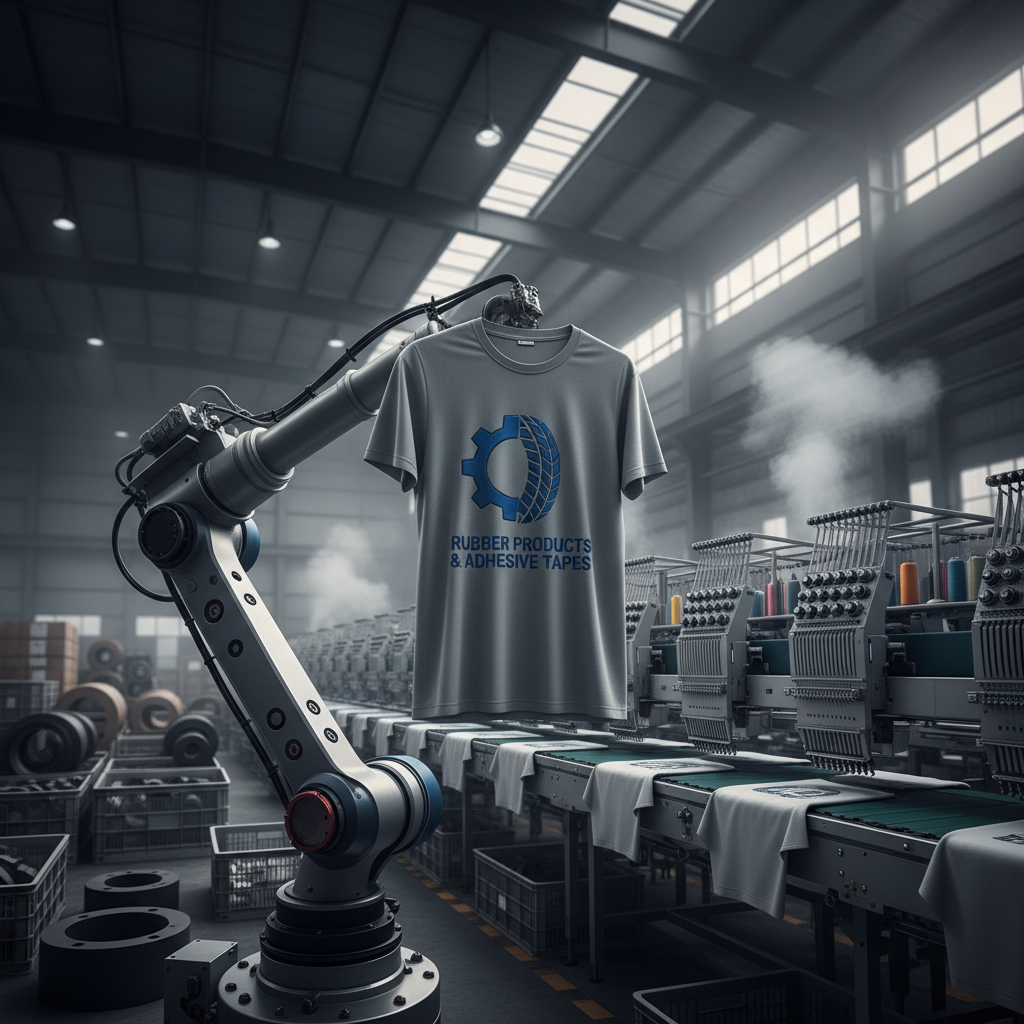
The global apparel decoration industry has seen a significant shift toward automation, with hat embroidery machine factories leading the charge in precision engineering. As custom headwear becomes a staple for corporate branding and streetwear, the demand for high-efficiency equipment that can handle the complex curvature of caps has surged, forcing manufacturers to innovate rapidly.
Modern production lines now require a delicate balance between speed and accuracy, where a single stitch misalignment can ruin a premium garment. This challenge has pushed the industry toward adopting servo motor technology and high-definition touch screen interfaces, ensuring that even complex patterns are executed with mathematical precision across multiple heads.
Choosing the right equipment from reputable hat embroidery machine factories can determine the scalability of a textile business, offering the ability to switch seamlessly between cap, flat, and garment embroidery to meet diverse market demands.
Technical Foundations of Cap Embroidery Systems
The technical foundation of a professional cap embroidery system relies on a specialized 260-degree wide cap frame unit. Unlike flat embroidery, cap stitching requires the machine to rotate the garment precisely to avoid fabric bunching, utilizing a double cam and double lever system with motorized jumps to ensure the needle penetrates the thick seams of a hat without breakage.
Furthermore, the integration of high-definition true color controllers (such as Dahao or Rui Neng) allows operators to preview patterns and embroidery tracks in real-time. This synchronization between the software and the hardware—specifically the servo motors—ensures that the 1000 to 1200 RPM speed does not compromise the stitch quality on curved surfaces.
Core Operational Components for High Efficiency
Efficiency in modern embroidery is driven by the number of needles and heads available. For instance, machines offering 9, 12, or 15 needles allow for complex, multi-colored designs without frequent manual thread changes. The automatic color change system is a critical component, reducing downtime and allowing the machine to transition between hues seamlessly during a high-volume production run.
The hardware durability is anchored by the use of high-quality hooks and servo motors, which provide consistent torque and precision. Combined with an automatic thread trimmer, these components eliminate the need for manual cleanup after each garment, significantly increasing the hourly output for factories focusing on high-turnover orders.
User accessibility is also a core component, with 12-inch touch screen systems offering user-friendly interfaces in multiple languages, including English, Spanish, and French. This ensures that operators globally can manage DST format patterns via USB or Wi-Fi without requiring extensive technical training, making the technology accessible to small studios and large factories alike.
Defining the Role of Hat Embroidery Machine Factories
When we discuss hat embroidery machine factories, we are referring to specialized manufacturing hubs that engineer the intersection of robotics and textile art. These factories do not merely assemble parts; they develop the kinematics required to handle "finished garments embroidery," where the machine must work around existing seams and structures.
The strategic importance of hat embroidery machine factories lies in their ability to provide customizable solutions, such as varying the embroidery area (e.g., 400450mm or 400680mm for flat work) and adapting voltage for worldwide use (110V to 220V). This flexibility allows businesses to scale from a single-head mini machine to a six-head industrial powerhouse.
Ultimately, these hat embroidery machine factories bridge the gap between digital design and physical product. By supporting multiple design formats and integrating networkable Wi-Fi capabilities, they enable a seamless workflow from a designer's computer to the final stitched logo on a cap.
Performance Metrics and Speed Analysis
The performance of an embroidery machine is measured by its RPM (Rotations Per Minute) and its stitch accuracy. While most industrial machines target 1000-1200 RPM, the real value lies in maintaining this speed across different fabric types, from thin polyester to heavy canvas, without skipping stitches or causing thread breaks.
Another key metric is the memory capacity and processing speed of the controller. With the ability to store up to 500 patterns and 200 million stitches, modern machines ensure that large-scale production runs remain consistent from the first hat to the thousandth, reducing waste and increasing profit margins.
Efficiency Ratings of Hat Embroidery Machine Factories Technology
Global Applications in Modern Textiles
From boutique design studios in Europe to massive garment hubs in Southeast Asia, these machines are utilized for a wide array of products. In the corporate sector, they are used to create high-quality logos on promotional caps and T-shirts, while in the fashion world, they enable the creation of intricate, high-stitch-count artworks on luxury headwear.
Moreover, the versatility of these machines allows them to be used for "flat embroidery" and "clothing embroidery" options. This means a single investment can cover the production of everything from patches and pillows to full-back jacket designs, making the equipment a cornerstone for diversified textile businesses.
Long-Term Value and Sustainability
The long-term value of investing in professional-grade embroidery equipment lies in its reliability and low maintenance requirements. With lifetime online support via WhatsApp, Skype, and Email, and the availability of professional engineers for overseas assistance, the risk of prolonged downtime is minimized.
Sustainability is achieved through precision. By utilizing design tracing and one-step tracing, operators can ensure the pattern is perfectly centered before the first stitch is made. This "measure twice, cut once" digital approach significantly reduces fabric waste and thread consumption, contributing to a more eco-friendly production cycle.
Furthermore, the ability to customize machine color and branding ensures that the equipment integrates into a company's professional identity. The use of self-adaptable electricity (110V/220V) also means the machines can be relocated or resold globally without requiring expensive power conversions.
Future Innovations in Automated Stitching
The next frontier for embroidery technology is the total digital transformation of the design-to-stitch pipeline. We are seeing a move toward cloud-integrated systems where patterns can be sent to a machine in another country instantly via Wi-Fi, bypassing the need for physical USB drives and reducing logistics delays.
Automation is also evolving into "intelligent fabric sensing," where the machine can automatically adjust tension and speed based on the thickness of the garment. This would eliminate the need for manual "inching" or constant monitoring by the operator, further increasing the output of professional production lines.
As green energy becomes a priority, future machine designs will likely focus on reducing the power consumption of servo motors and implementing biodegradable components in the frame assemblies, ensuring that the growth of the apparel industry does not come at the cost of the environment.
Comparison of Embroidery Machine Configurations and Capabilities
| Machine Model |
Head/Needle Config |
Primary Use Case |
Efficiency Score |
| PF-0604 Mini |
1 Head / 12 Needle |
Boutique/Home Studio |
7/10 |
| Two Head Series |
2 Head / 15 Needle |
Small Business Growth |
8/10 |
| Four Head Industrial |
4 Head / 15 Needle |
Mid-Sized Factory |
9/10 |
| Six Head Power |
6 Head / 15 Needle |
Mass Production |
10/10 |
| Custom Flat-Bed |
Multi-Head / 12 Needle |
Specialized Large Fabric |
8/10 |
| Mini Cap Option |
1 Head / 9 Needle |
Entry-Level Pro |
6/10 |
FAQS
Getting started is simpler than it seems; most users can learn the basic operations in less than one hour. We provide a comprehensive English teaching manual and a series of step-by-step videos covering disassembly, assembly, and operation. Additionally, professional engineers are available to provide guidance to ensure you are comfortable with the touch screen interface and pattern importing.
Yes, the machines are highly versatile. They come with options for cap embroidery, flat embroidery, and clothing embroidery. By switching the hoop system—such as using the provided cap hoops for headwear or the larger 290x290mm hoops for flat work—you can utilize the same machine for T-shirts, logos, and diverse garment types.
The computerized systems are designed to be compatible with industry-standard formats, primarily supporting the DST format. Patterns can be easily imported via a USB port or through the machine's networkable Wi-Fi capabilities, allowing for a quick transition from digital design to physical production.
We provide lifetime online support through global communication platforms including WhatsApp, Skype, Wechat, and Email. For complex issues, we offer video calls in real-time to troubleshoot. In rare and necessary cases, our engineers can travel overseas to provide on-site assistance to ensure your production line remains operational.
Absolutely. We offer customization options for the machine's color and the brand name to align with your company's identity. We can also discuss unique pattern requirements or specific technical modifications to the embroidery area to better suit your particular industrial needs.
To guarantee buyer protection, all transactions are processed through the Alibaba platform. Your payment is held in an Alibaba escrow account and is only released to us after you have received the items and confirmed that the detailed information and product quality meet your expectations.
Conclusion
The evolution of equipment from leading hat embroidery machine factories has transformed a labor-intensive craft into a streamlined industrial process. By combining high-speed servo motors, intuitive touch screen controllers, and specialized cap frames, these machines allow businesses to achieve professional-grade results with minimal training. The ability to scale from a single-head setup to a multi-head production line ensures that whether you are a boutique designer or a large-scale garment manufacturer, the technology is accessible and reliable.
Looking forward, the integration of Wi-Fi connectivity and expanded memory capacities will further decentralize the design process, allowing for real-time global collaboration in the textile industry. For those seeking to enter the custom headwear market or upgrade their current production capabilities, investing in a system that balances versatility, durability, and expert technical support is the most sustainable path to growth. Visit our website to explore our full range: www.xtpfsm.com