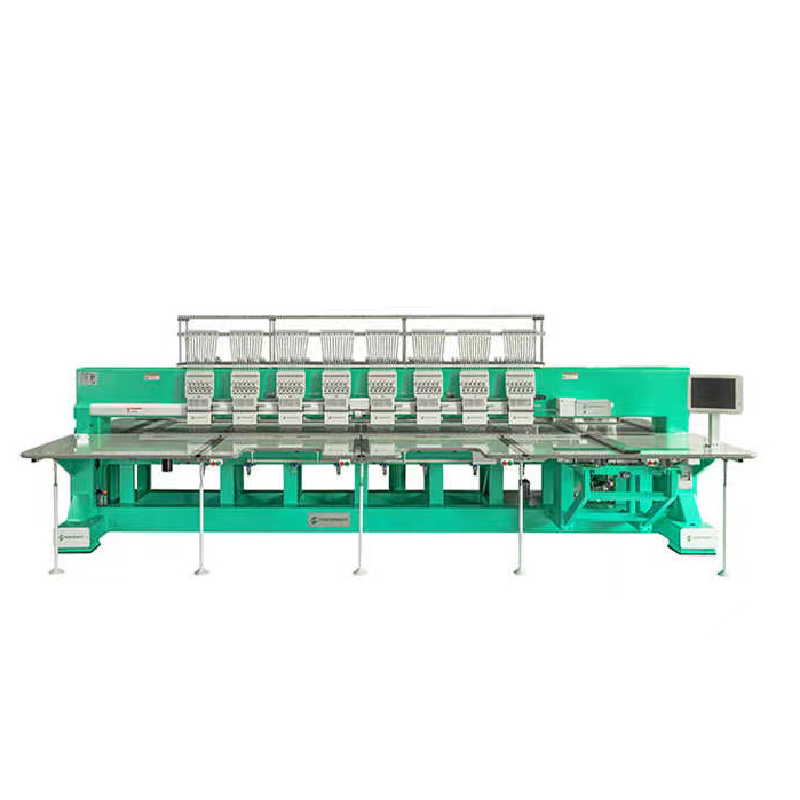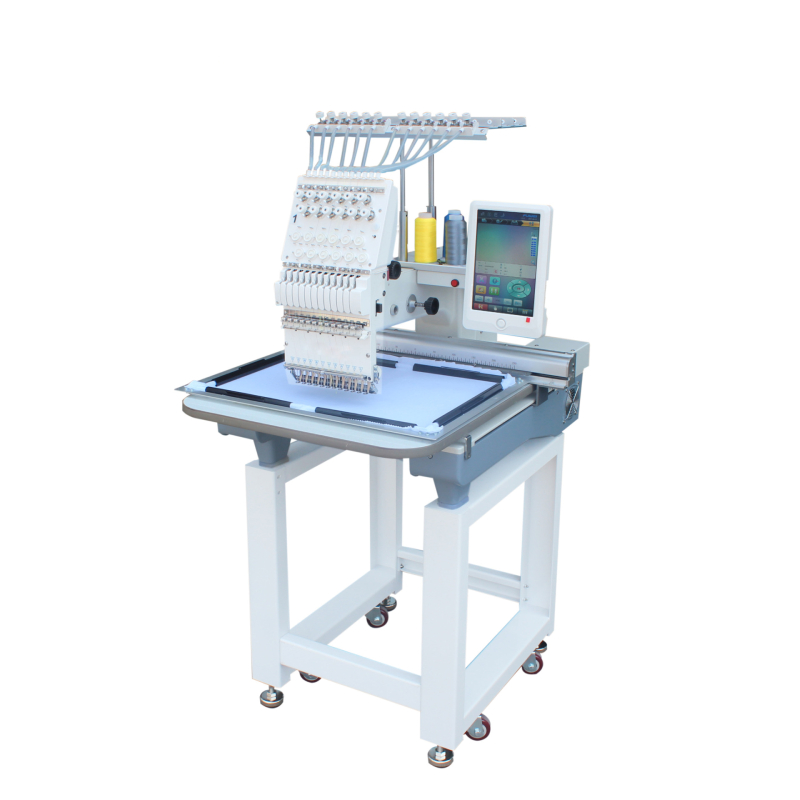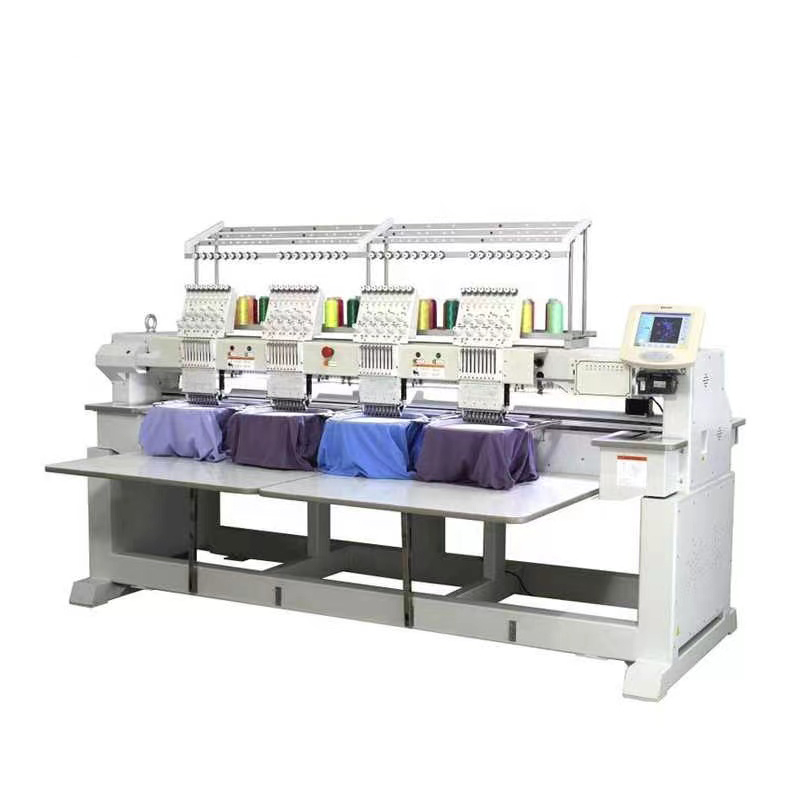
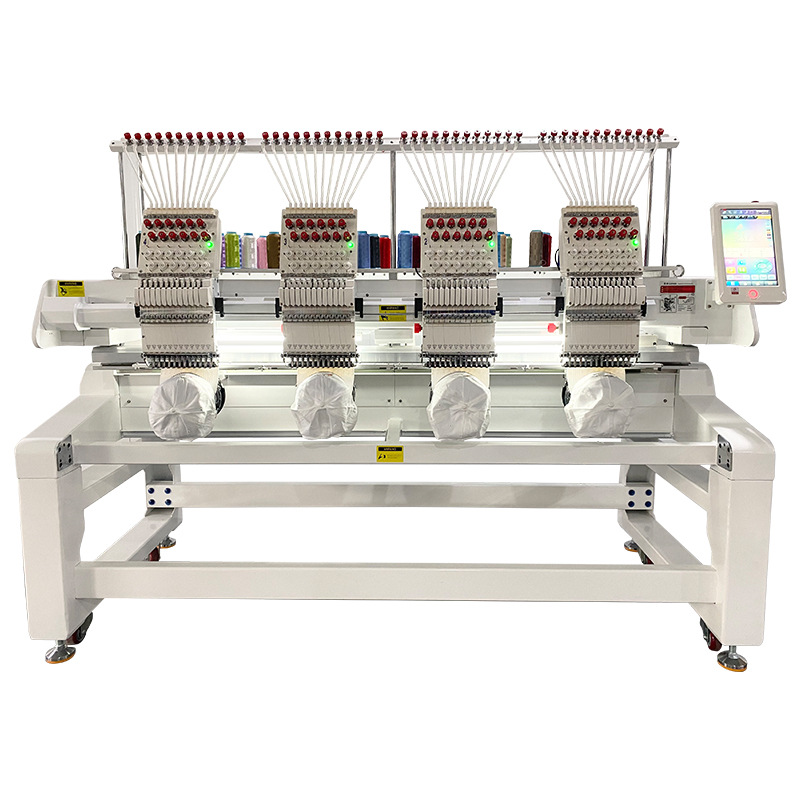
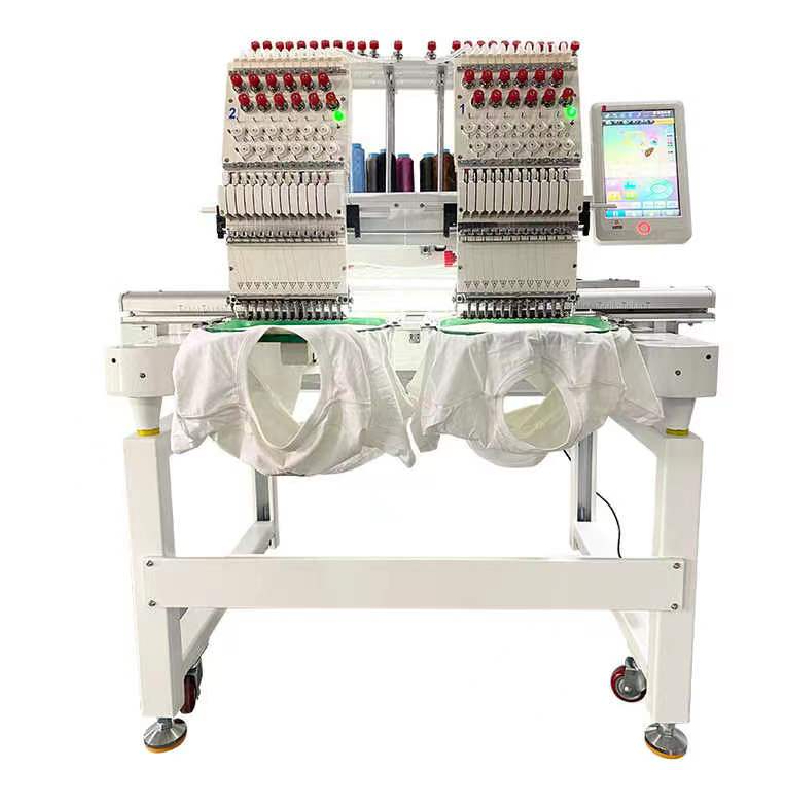
Turkey Industrial Textile Solutions with multi head embroidery machine

Empowering Turkish garment manufacturers with high-precision digital embroidery technology to scale production and enhance design quality across Eurasia.

The State of Textile Embroidery in Turkey

Analyzing the intersection of traditional craftsmanship and industrial automation in the Turkish market.

Turkey stands as a global powerhouse in textile manufacturing, particularly in the Bursa and Istanbul regions. The current market is shifting from manual labor to the adoption of a digital embroidery machine to meet the strict quality standards of the European Union fashion market.

The local economic climate demands high efficiency and low operational costs. Manufacturers are increasingly replacing outdated equipment with a 4 head embroidery machine to balance the need for small-batch customization and industrial-scale output.

Climate factors in Turkey, specifically the humidity in coastal cities, have pushed the industry toward machines with better corrosion resistance and advanced tension control to ensure consistent stitch quality on diverse fabrics like cotton and synthetic blends.
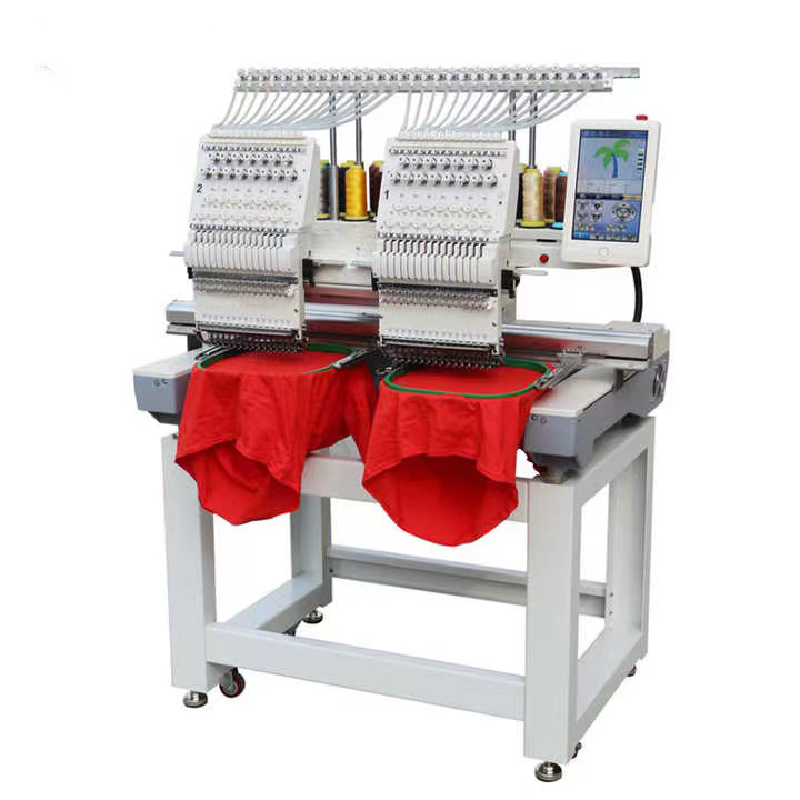
Evolution and Technical Trajectory of Embroidery

From mechanical looms to AI-driven precision stitching.

Market Development History

During the 1990s, the Turkish textile sector relied heavily on single-needle mechanical systems. The first major shift occurred in the early 2000s with the introduction of the embroidery machine single head, allowing local artisans to digitize traditional patterns for the first time.

Between 2010 and 2020, the demand for mass export led to the dominance of multi-head systems. The integration of computerized control panels transformed the workshop environment, reducing human error and increasing throughput for home textile exports.

Since 2021, the focus has pivoted toward specialized equipment. The rise of the street-wear trend in Istanbul has surged the demand for the cap embroidery machine, moving the industry toward high-precision, niche product lines.

Future Development Trends

IoT-Integrated Production

Integration of cloud-based monitoring will allow Turkish factory managers to track machine uptime and thread consumption in real-time across multiple facilities.

Eco-Friendly Threading Systems

A shift toward biodegradable threads and energy-efficient servo motors to align with the "European Green Deal" requirements for textile exports.

AI-Driven Pattern Optimization

Implementation of AI to automatically adjust stitch density based on fabric elasticity, reducing waste and production time.

Industry Trends & Future Outlook

Strategic foresight for the next 3-5 years in the specialized equipment sector.

Hyper-Customization
The trend toward "On-Demand" fashion will make versatile, smaller-head machines more valuable for rapid prototyping.
Smart Logistics
Integration of automated fabric feeding systems to reduce manual handling in large Turkish factories.
Energy Efficiency
Adoption of low-energy motors to combat rising electricity costs in the Asia-Turkey region.
Material Diversification
Developing specialized needles and frames for high-performance sports fabrics common in Turkey's exports.

Industry Outlook

Google search trends indicate a sharp increase in queries for "automated embroidery solutions" and "sustainable textile machinery" within the Turkish market. This suggests that local businesses are moving beyond simple hardware acquisition toward holistic production ecosystem upgrades.

The convergence of digital design software and industrial hardware will likely lead to a 20% increase in productivity for mid-sized Turkish firms, as the gap between creative conceptualization and physical production closes.

Localized Application Scenarios in Turkey

Practical implementations of embroidery technology across various Turkish sectors.

01. Luxury Home Textiles in Bursa

Using multi-head systems to create intricate traditional Ottoman patterns on high-thread-count linens for the European luxury hotel market.

02. Streetwear Branding in Istanbul

Leveraging a cap embroidery machine for limited-edition headwear releases, catering to the youth fashion culture of the metropolis.

03. Corporate Uniforms for Tourism

Deploying a 4 head embroidery machine to quickly produce branded apparel for the vast hospitality sector in Antalya and Cappadocia.

04. Custom Couture Workshops

Utilizing the embroidery machine single head for bespoke bridal gowns and evening wear in high-end boutiques.

05. Industrial Workwear Production

Scaling production of durable, logo-embossed protective clothing for the automotive and aerospace industries in Turkey using heavy-duty digital systems.

Brand Story

Global Development Journey of Xingtai Pufa Trading Co., Ltd.

Founding Vision

Established with the goal of bridging the gap between complex textile engineering and intuitive user operation for global manufacturers.

Technical Breakthrough

Perfected the synchronization of multi-head movements, drastically reducing thread breakage and increasing operational speed.

Market Expansion

Expanded into the Eurasia and Turkish markets, providing localized technical support and tailored machinery configurations.

Digital Transformation

Launched an integrated software-hardware ecosystem, allowing users to upload designs via cloud and execute them instantly on-site.

Sustainable Future

Committing to the production of energy-efficient, low-waste embroidery equipment to support the global textile industry's green transition.

Turkish Market FAQ

Expert answers to the most common technical and commercial queries in the region.

How to choose the right multi head embroidery machine for a startup in Istanbul?

For startups, we recommend starting with a 4-head system to balance versatility and space. It allows for small batch production while maintaining professional industrial quality.

Can a digital embroidery machine handle heavy Turkish denim fabrics?

Yes, our industrial-grade digital machines are equipped with high-torque motors and reinforced needles specifically designed for thick fabrics like denim and canvas.

What is the advantage of a cap embroidery machine over a flat bed system?

Cap machines feature a cylindrical hoop and a moving frame that allows precise stitching on curved surfaces, which is impossible with standard flat bed machines.

Is the embroidery machine single head suitable for luxury couture work?

Absolutely. The single-head system provides the highest level of precision and control for one-off, high-value pieces required in the haute couture sector.

How does the humidity in coastal Turkey affect machine maintenance?

We use anti-corrosive coatings on critical components and recommend a specific lubrication schedule to prevent oxidation in humid environments.

What are the electricity requirements for industrial embroidery systems in Turkey?

Our machines are compatible with standard Turkish industrial voltage (380V/50Hz), but we provide optional voltage stabilizers for regions with unstable power grids.

Ready to Upgrade Your Production?

Our experts are ready to provide tailored embroidery solutions for your business in Turkey. Let's optimize your textile manufacturing today.

Contact Us Now

If you are interested in our products, you can choose to leave your information here, and we will be in touch with you shortly.