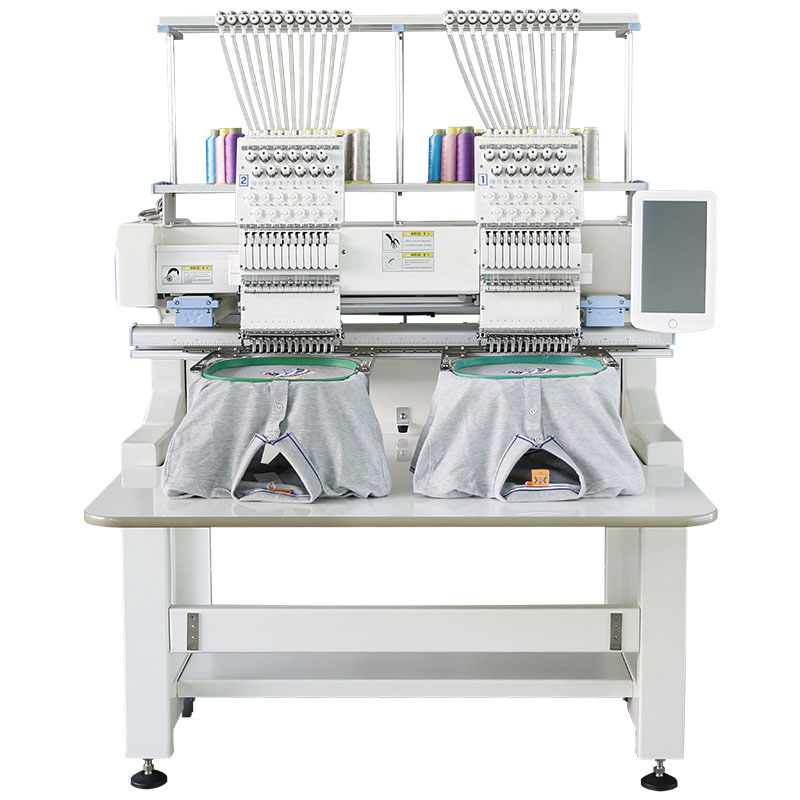
UK High-Precision digital embroidery machine Solutions

Empowering British textile workshops with industrial-grade automation and artisanal precision for the modern fashion era.

Current State of the UK Textile Machinery Market

Analyzing the synergy between heritage craftsmanship and automated efficiency in the United Kingdom.

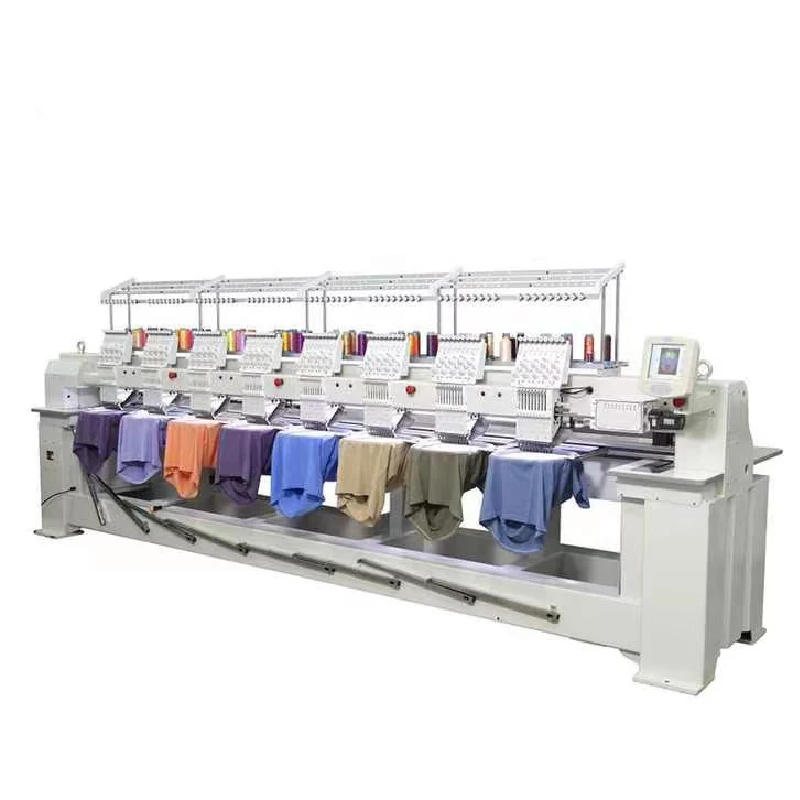
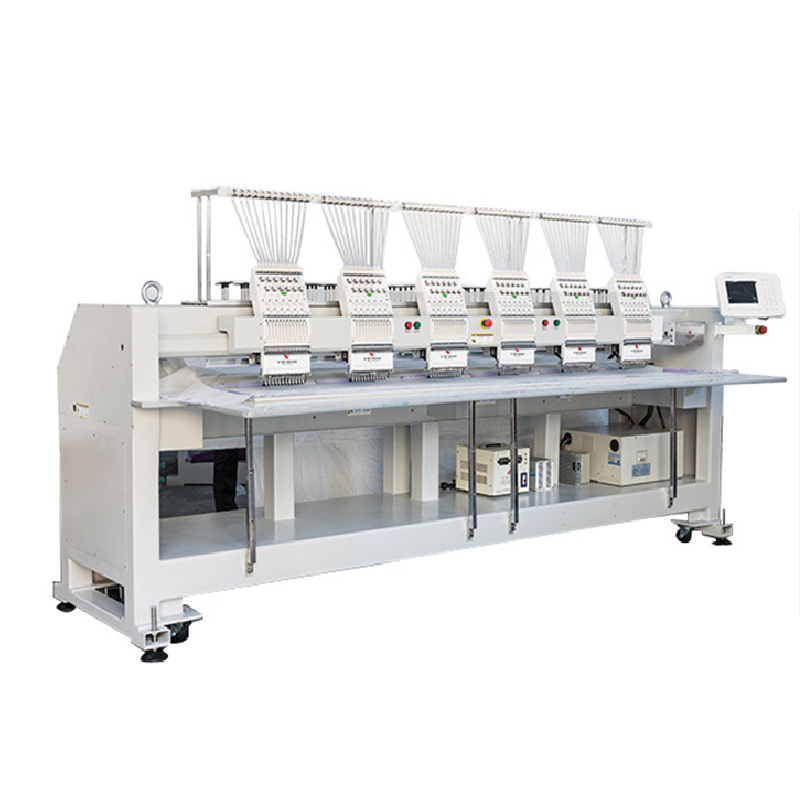
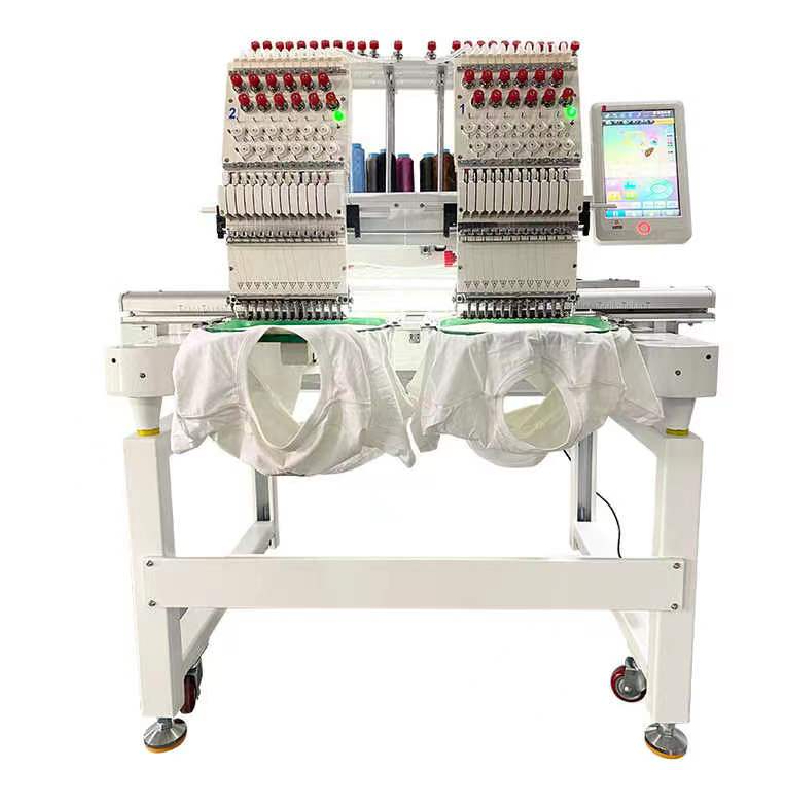
The UK textile sector is currently navigating a transition toward "micro-factories" and high-value customization. With rising labor costs in regions like Lancashire and Leicester, businesses are increasingly adopting a multi head embroidery machine to maximize output per square foot of workshop space.

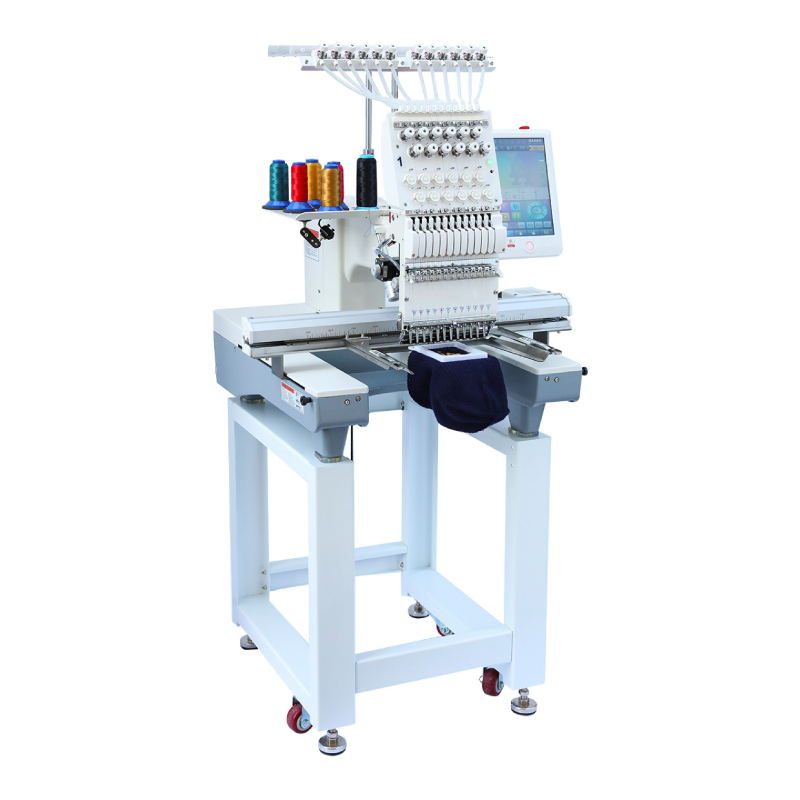
British designers are shifting away from mass outsourcing, favoring local "on-demand" production to reduce carbon footprints. This has surged the demand for a versatile embroidery machine single head for sampling and high-end bespoke tailoring in London's Savile Row and beyond.

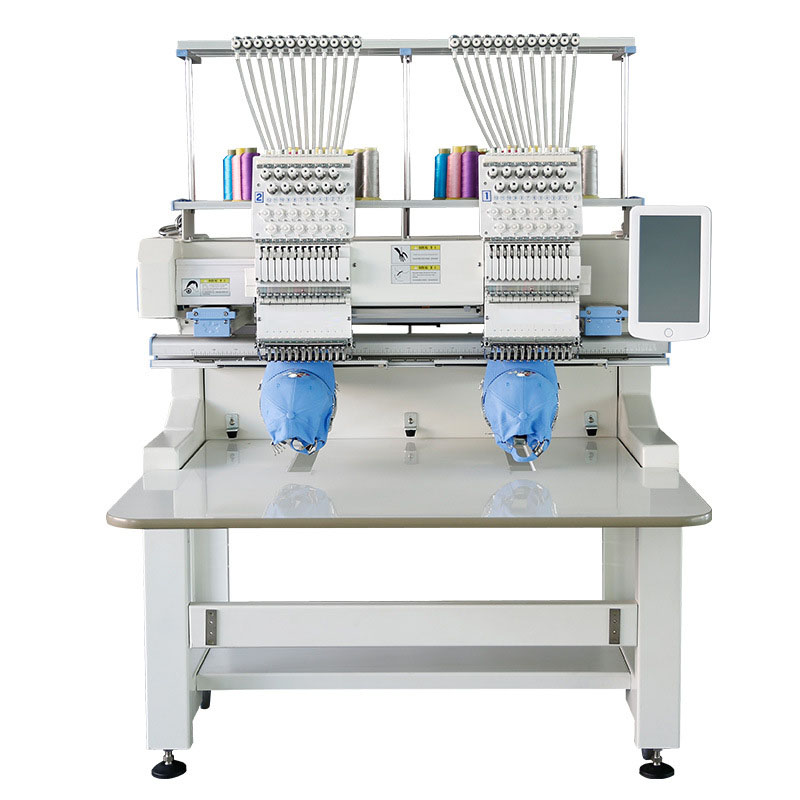
Furthermore, the UK's strong sports apparel market—driven by global football and rugby brands—requires specialized equipment. The integration of a cap embroidery machine has become essential for merchandising hubs to meet tight turnaround times for seasonal fan gear.
Evolution and Technical Trajectory of Embroidery Systems

From mechanical looms to AI-driven digital precision.

Market Development History

Until the late 1990s, the UK market relied heavily on manual and semi-automatic mechanical systems. Production was slow, and design changes required physical template reconstructions, limiting the ability of small studios to compete.

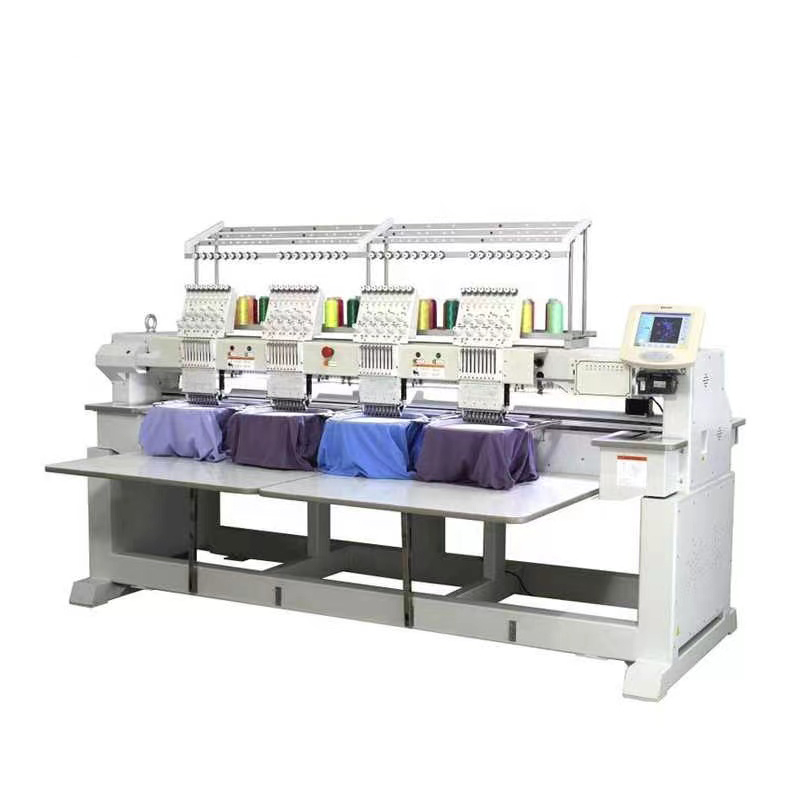
The early 2000s marked the "Digital Pivot," where the introduction of computerized control systems allowed for the first widespread use of the 4 head embroidery machine, enabling medium-sized businesses to replicate complex patterns with 100% consistency.

From 2015 to the present, the trajectory has shifted toward IoT integration. Modern machines now feature cloud-based design uploads and real-time tension monitoring, drastically reducing fabric waste in high-cost UK production environments.

Future Development Trends

AI-Driven Fabric Recognition

Future systems will automatically adjust stitch density based on the GSM and elasticity of the fabric, reducing human error in luxury garment production.

Sustainability-Focused Power Modules

With the UK's Net Zero goals, we expect a shift toward ultra-low energy servo motors that reduce power consumption by 30% during idle periods.

Hyper-Local Modular Scalability

The rise of "pod-based" manufacturing will lead to modular machines that can be easily expanded from single to multi-head configurations as businesses grow.

Industry Trends and Future Outlook 2025-2030

Strategic foresight for the textile equipment sector in the United Kingdom.

Eco-Friendly Threading
Integration of biodegradable thread paths and energy-saving modes to meet UK green certifications.
Smart Cloud Management
Remote monitoring of machine health and stitch counts via 5G networks for UK-wide fleet management.
Adaptive Speed Control
Dynamic RPM adjustment to prevent thread breakage on delicate UK silks and laces.
Hybrid Workflows
Seamless transition between manual artistry and high-speed digital production.

Industry Outlook

Based on Google search trends in the UK, there is a growing interest in "sustainable fashion tech" and "local garment production." This indicates that the market is moving away from purely volume-based machinery toward flexible, precision tools that support ethical manufacturing.

We predict that within 3-5 years, the demand for integrated digital ecosystems—where the design software communicates directly with the machine's tension sensors—will become the standard for the UK's competitive textile landscape.

Local Application Scenarios in the United Kingdom

Real-world implementations of our embroidery technology across British industries.

1. London Luxury Fashion Houses

Using a embroidery machine single head to create limited-edition couture pieces where absolute precision and fabric delicacy are paramount.

2. Manchester Corporate Branding Hubs

Deploying a 4 head embroidery machine to handle medium-batch corporate polo shirts and uniforms for Northern England's business districts.

3. Premier League Merchandising Units

Utilizing high-speed cap embroidery machine units to produce thousands of branded fan caps during peak season and match days.

4. Heritage Textile Mills in Scotland

Integrating a multi head embroidery machine into traditional wool production to add modern, digitized patterns to classic tartans.

5. Independent Etsy Artist Studios

Adopting a digital embroidery machine for personalized home decor and customized apparel, enabling "made-to-order" business models.

Brand Story

Global Development History of Xingtai Pufa Trading Co., Ltd.

Foundational Excellence

Established with a mission to bridge the gap between industrial capacity and artisanal quality in textile machinery.

Technological Breakthrough

Pioneered the integration of high-stability frames and precision digital controllers for the global market.

European Expansion

Strategically entered the European market, optimizing machinery to meet the rigorous standards of UK and EU manufacturers.

Solving Industry Pain Points

Focused on reducing thread breakage and increasing energy efficiency for small-to-medium workshops.

Sustainable Future

Committing to a greener manufacturing process, ensuring our machines contribute to a circular textile economy.

UK Client Frequently Asked Questions

Expert answers to common queries regarding embroidery machine deployment in the United Kingdom.

What is the best digital embroidery machine for a small London studio?

For small studios, we recommend a single-head digital system. It offers the flexibility needed for bespoke designs and takes up minimal space while maintaining industrial precision.

How does a 4 head embroidery machine improve production efficiency?

A 4-head machine allows you to produce four identical garments simultaneously. This quadruples your output without increasing the labor cost of machine operation.

Can a cap embroidery machine handle different types of headwear?

Yes, our specialized cap machines feature adjustable frames that accommodate structured caps, beanies, and soft-crown headwear common in the UK market.

Is a multi head embroidery machine suitable for start-ups in the UK?

If your business model focuses on B2B corporate contracts (like sports teams), a multi-head machine is a vital investment to ensure scalable growth from day one.

What maintenance is required for an embroidery machine single head in humid climates?

In the UK's humid environment, regular lubrication of the moving parts and the use of high-quality, moisture-resistant threads are recommended to prevent tension issues.

Do your digital machines support UK standard voltage and safety certifications?

Absolutely. All our machines are configured for UK voltage standards and undergo rigorous safety testing to comply with European manufacturing regulations.

Request Your UK Production Consultation

Ready to upgrade your textile capabilities? Our experts are available to provide customized machinery layouts for your facility in the United Kingdom.

Contact Us Now

If you are interested in our products, you can choose to leave your information here, and we will be in touch with you shortly.