
Sep . 22, 2025 14:10 Back to list
Automatic Embroidery Machine: Efficient Multi-Head Flat & Cap Models
Industry Trends and the Evolution of Automated Embroidery
The textile and apparel industry is undergoing a significant transformation, driven by increasing demands for customization, efficiency, and rapid production cycles. At the heart of this evolution is the automatic embroidery machine. These sophisticated systems are no longer just tools for embellishment; they are integral components of modern manufacturing lines, enabling businesses to meet diverse market needs from high-volume corporate branding to intricate bespoke designs.
Current trends indicate a strong move towards greater automation and integration. Manufacturers are seeking machines that offer not only precision and speed but also versatility, capable of handling a wide array of materials and products. The emergence of digital pattern management, cloud-based design libraries, and IoT connectivity allows for seamless workflow integration, reducing manual intervention and minimizing errors. Furthermore, there's a growing demand for `multi heads embroidery machine` configurations, which significantly boost production capacity for large-scale operations, and specialized units like the `cap embroidery machine`, addressing niche market requirements with dedicated functionality. The focus on sustainability also drives innovation, with machines designed for optimized thread usage and energy efficiency.
This technological advancement allows businesses to offer more complex and high-quality embroidered products, maintaining a competitive edge in a globalized market. The ability to quickly switch between designs and product types—from a `flat embroidery machine` for patches and garment panels to a specialized attachment for caps or cylindrical items—is paramount for operational agility.
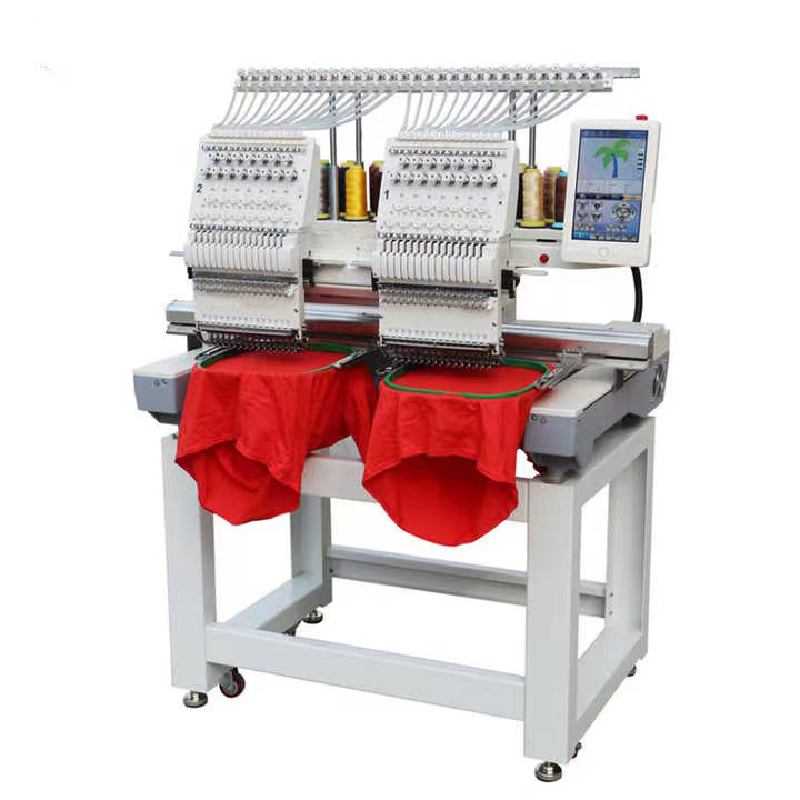
Fig 1: A modern automatic embroidery machine in operation, showcasing precision and efficiency.
Technical Specifications: Latest Popular 2 Heads 15 Needles Machine
Our Latest Popular 2 Heads 15 Needles Flat Garment Pillow Towel Bag T-shirt Cap Embroidery Machine represents a pinnacle of contemporary embroidery technology. Designed for versatility and high-volume output, this automatic embroidery machine combines robust engineering with intuitive control, making it ideal for both burgeoning businesses and established garment factories. The 15-needle configuration per head provides an extensive color palette without manual thread changes, optimizing design flexibility and production speed.
Key technical parameters highlight its operational prowess, ensuring consistent stitch quality and reduced downtime. The dual-head design doubles production capacity compared to single-head units, making it an efficient `multi heads embroidery machine` for diverse applications. Its specialized hooping system allows for seamless transitions between flat embroidery on garments, pillows, and towels, and the intricate demands of `cap embroidery machine` functions, demonstrating superior adaptability.
| Parameter | Specification | Details/Advantages |
|---|---|---|
| Number of Heads | 2 | Enhanced productivity, simultaneous two-piece production. |
| Number of Needles per Head | 15 | Extensive color range for complex designs without manual changes. |
| Embroidery Area (Flat) | 500 x 350 mm per head | Large working area for diverse garment sizes and designs. |
| Embroidery Area (Cap) | 270 degrees wide angle | Specialized for high-quality cap and hat embroidery. |
| Max. Speed | 1200 stitches/min | High-speed operation for efficient mass production. |
| Control System | 7-inch HD LCD Touch Screen | User-friendly interface, real-time stitching display. |
| Memory Capacity | 20,000,000 stitches / 200 designs | Ample storage for extensive design libraries. |
| Data Transfer | USB, Network Port | Flexible design loading and connectivity. |
| Motor Type | Servo Motors (Main, X, Y Axis) | High precision, low noise, energy efficiency, enhanced durability. |
| Power Consumption | ~1.5 kW | Optimized for energy efficiency during continuous operation. |
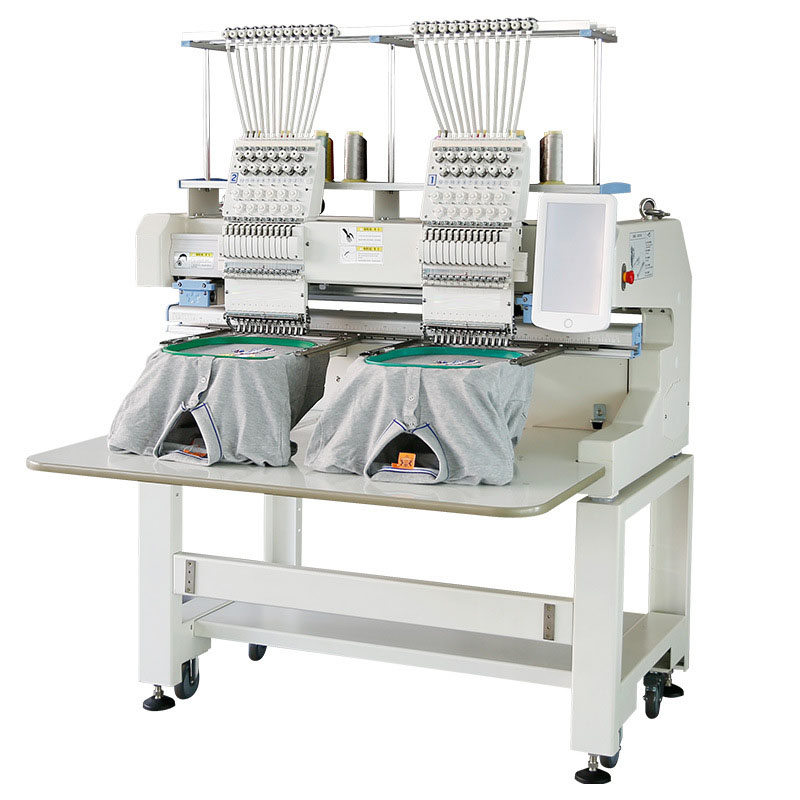
Fig 2: Close-up of the robust build and precision components of the embroidery machine.
The Manufacturing Process of an Automatic Embroidery Machine
The creation of a high-performance automatic embroidery machine involves a meticulous manufacturing process, emphasizing precision engineering and quality control at every stage. This ensures durability, reliability, and the consistent production of superior embroidery.
1. Material Selection and Sourcing
The foundation of a durable machine lies in its materials. High-grade industrial steel is selected for the main frame and chassis, providing structural rigidity and vibration dampening. Precision components, such as shafts, gears, and needle bars, are often crafted from hardened steel alloys or aerospace-grade aluminum, chosen for their superior strength-to-weight ratio and corrosion resistance. Advanced polymers are used for specific parts, like thread guides and bobbin cases, for their low friction properties and wear resistance.
2. Component Fabrication and Machining
- Casting & Forging: Larger structural elements, such as the machine base or specific bracketry, may undergo casting or forging processes. Casting allows for complex shapes and high material density, while forging enhances mechanical properties by aligning grain structures, resulting in exceptional strength and fatigue resistance.
- CNC Machining: This is a critical stage for precision components. Computer Numerical Control (CNC) machining centers precisely cut, mill, and drill metal parts to micron-level tolerances. This includes the intricate designs of the hook system, the smooth surfaces of the thread path components, and the exact dimensions of the X-Y movement systems. This precision is vital for achieving consistent stitch density, minimal thread breaks, and long-term operational stability.
- Surface Treatment: Components undergo various surface treatments, including anodizing for aluminum parts (enhancing corrosion resistance and hardness), electroplating for steel parts (for wear resistance and aesthetics), and powder coating for the main chassis (providing a durable, chip-resistant finish).
3. Electronic & Software Integration
The control board, servo motors, sensors (e.g., thread break detection), and touch screen interface are assembled and integrated. The proprietary operating software, which controls stitch patterns, machine diagnostics, and user interface, is loaded and calibrated. This intelligent integration defines the user experience and overall machine efficiency.
4. Assembly and Calibration
Highly skilled technicians meticulously assemble thousands of individual parts. Critical alignments, such as needle-to-hook timing, presser foot pressure, and thread tension systems, are painstakingly calibrated using specialized tools and diagnostic software. Each head of a `multi heads embroidery machine` undergoes individual calibration to ensure synchronized performance.
5. Quality Control and Testing Standards
Every automatic embroidery machine undergoes rigorous multi-stage testing.
- Component-Level Testing: Individual parts are inspected for dimensional accuracy and material integrity.
- Sub-Assembly Testing: Modules like the X-Y drive system or thread trimming mechanism are tested for functionality and precision.
- Full Machine Endurance Testing: Each machine runs for extended periods, performing complex embroidery patterns to test reliability under load. This simulates real-world operational scenarios.
- Performance Validation: Stitch quality, speed accuracy, noise levels, and vibration are measured against stringent benchmarks. Compliance with international standards such as ISO 9001 for quality management and CE marking for European safety standards is strictly enforced. ANSI/ASQ Z1.4 sampling procedures are often applied for lot inspections to maintain consistency.
6. Target Industries and Advantages
These machines serve a broad spectrum of industries including:
- Textile & Apparel: For garment embellishment, fashion design, and uniform production.
- Promotional Products: For branded merchandise like caps, bags, and corporate wear.
- Home Furnishings: For decorative pillows, towels, and upholstery.
- Automotive & Marine: For custom interiors and branding.
The robust construction and quality materials contribute to an estimated service life of 10-15 years with proper maintenance. Advantages in typical application scenarios include significant energy saving due to advanced servo motor technology (up to 30% compared to stepping motors) and superior corrosion resistance, ensuring longevity even in challenging workshop environments, thereby reducing total cost of ownership.
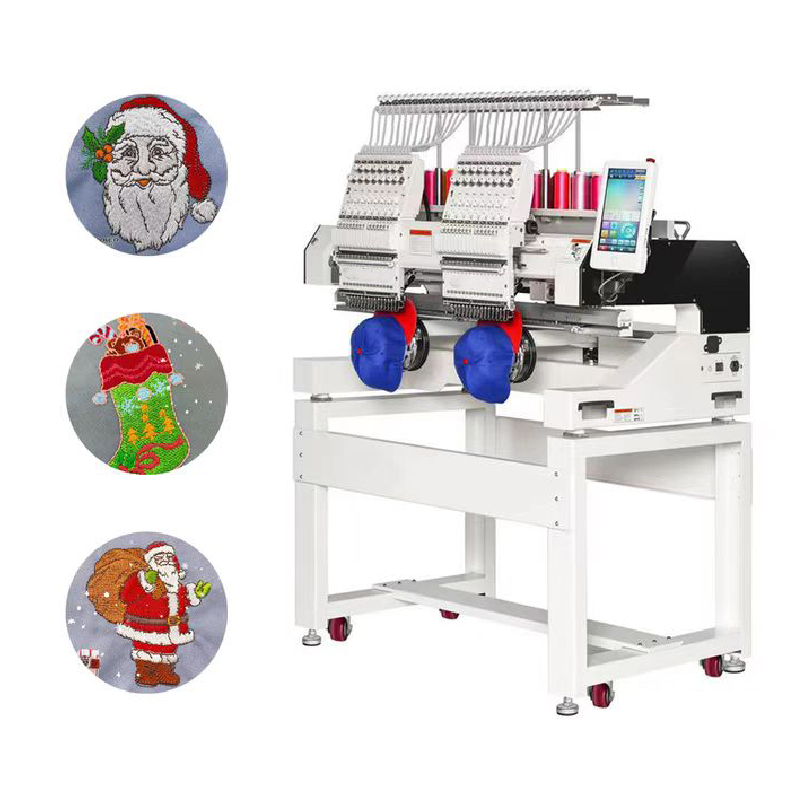
Fig 3: Quality control inspection of machine components during assembly.
Application Scenarios and Technical Advantages
The versatility of a modern automatic embroidery machine extends across numerous application scenarios, delivering unparalleled technical advantages for businesses aiming for high-quality output and operational efficiency.
Diverse Application Scenarios:
- Apparel Decoration: From custom T-shirts, polos, and jackets to intricate designs on couture garments. The `flat embroidery machine` capabilities ensure flawless embellishment on various fabric weights and types.
- Headwear Customization: Special `cap embroidery machine` attachments enable precise branding and decoration on baseball caps, beanies, and visors, often requiring specialized hooping and stitch path optimization for curved surfaces.
- Accessory Embellishment: Bags, backpacks, patches, and badges can be efficiently personalized or branded, providing durable and attractive finishes.
- Home Textiles: Adding monograms or decorative patterns to towels, pillows, and blankets, enhancing product value and appeal.
- Corporate & Promotional Items: Mass production of embroidered logos on uniforms, promotional giveaways, and corporate apparel, maintaining brand consistency across large orders.
- Small Batch Production: For businesses focused on bespoke designs or short-run, high-value items, the machine’s quick setup and design change capabilities are invaluable.
Key Technical Advantages:
- Precision and Stitch Quality: Advanced servo motor control on X, Y, and Z axes ensures exceptional stitch registration and uniform tension, leading to crisp, defined embroidery. This is critical for achieving high stitch density without puckering or thread breaks.
- High Speed and Productivity: With speeds up to 1200 stitches per minute and multi-head configurations, production output is significantly increased. Features like automatic thread trimming and color change minimize idle time.
- Versatility: The ability to seamlessly switch between flat, cap, and cylindrical embroidery modes, coupled with a 15-needle setup, allows for a vast array of design complexity and product types. Hoop recognition technology automatically detects the correct hoop size, preventing design errors.
- User-Friendly Interface: A 7-inch HD LCD touch screen provides intuitive control over design loading, parameter adjustments, and real-time monitoring of the embroidery process, including stitch count and estimated completion time.
- Durability and Reliability: Constructed with robust industrial-grade components and subjected to rigorous quality control, these machines are built for continuous, heavy-duty operation, minimizing maintenance and extending service life.
- Cost-Effectiveness: While the initial investment in a `cheap 15 needle embroidery machine` might seem significant, the long-term benefits in terms of reduced labor costs, waste minimization, and increased output lead to a substantial return on investment. Energy-efficient servo motors further contribute to lower operational expenses.
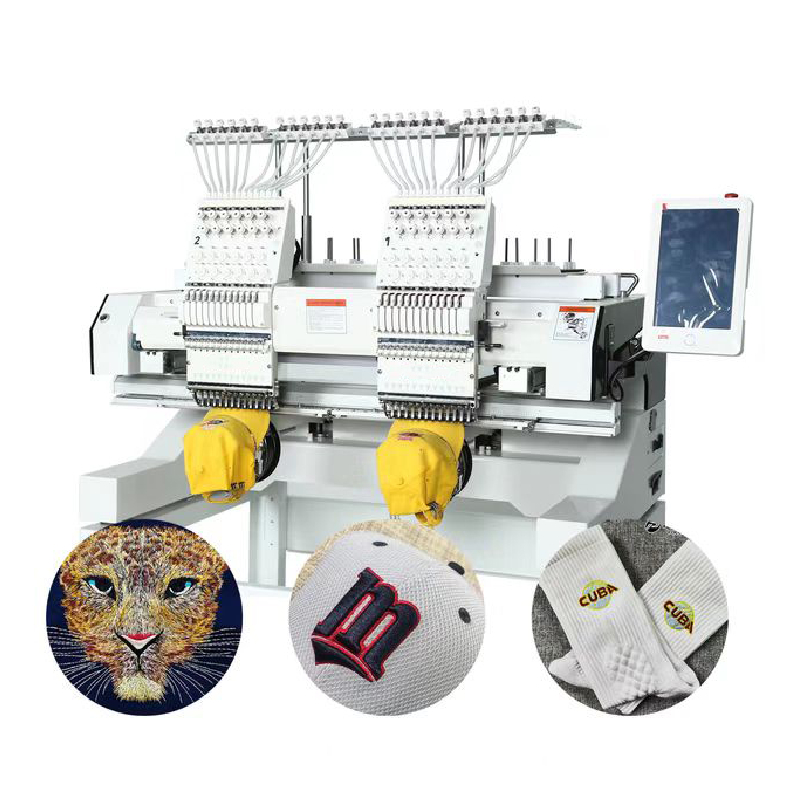
Fig 4: The machine demonstrating its capability for high-quality cap embroidery.
Vendor Comparison and Competitive Analysis
Choosing the right automatic embroidery machine involves a comprehensive comparison of vendors, assessing factors such as technical capabilities, build quality, support, and overall value. While many manufacturers offer competitive products, discerning the nuances can significantly impact operational efficiency and long-term profitability. Below, we provide a comparative analysis, highlighting where our featured Latest Popular 2 Heads 15 Needles machine stands out.
| Feature/Vendor | Our Featured Machine (2 Heads, 15 Needles) | Competitor A (Entry-Level 1 Head, 12 Needles) | Competitor B (High-End 4 Heads, 15 Needles) |
|---|---|---|---|
| Heads/Needles | 2 Heads, 15 Needles | 1 Head, 12 Needles | 4 Heads, 15 Needles |
| Max. Speed (Stitches/min) | 1200 | 1000 | 1000-1100 |
| Embroidery Area (Flat) | 500x350mm per head | 300x200mm | 400x300mm per head |
| Cap Embroidery | Standard (270°) | Optional/Limited | Standard (270°) |
| Control System | 7" HD LCD Touch Screen | 5" LCD (Non-touch) | 10" HD LCD Touch Screen |
| Motor Type | Full Servo Motors | Stepping Motors (X/Y) | Full Servo Motors |
| Price Point (Relative) | Mid-Range, High Value | Low-Range (can be a `cheap 15 needle embroidery machine` alternative, but with fewer features) | High-Range |
| Warranty (Standard) | 2 Years Mechanical, 1 Year Electrical | 1 Year Mechanical/Electrical | 2-3 Years Mechanical, 1-2 Years Electrical |
| Support Network | Global Distributors, Online Tech Support | Regional Dealers, Basic Support | Extensive Global Network, Premium Support |
Our 2 Heads 15 Needles automatic embroidery machine is strategically positioned to offer a superior balance of performance, versatility, and cost-effectiveness. It surpasses entry-level models by providing dual-head productivity and a comprehensive 15-needle color palette, along with advanced servo motor precision. While high-end `multi heads embroidery machine` units like Competitor B offer even greater scale, our model provides a significantly higher speed per head and a generous embroidery area, making it an excellent choice for businesses requiring robust production without the premium cost of an enterprise-level system. The full servo motor system ensures superior stitch quality and longevity compared to machines utilizing stepping motors, which can lead to reduced precision and higher noise levels over time.
Furthermore, our commitment to robust warranty terms and a responsive global support network adds a layer of trustworthiness that is often lacking in `cheap 15 needle embroidery machine` offerings found from less reputable sources. This focus on reliability and comprehensive service ensures a better long-term investment for our clients.
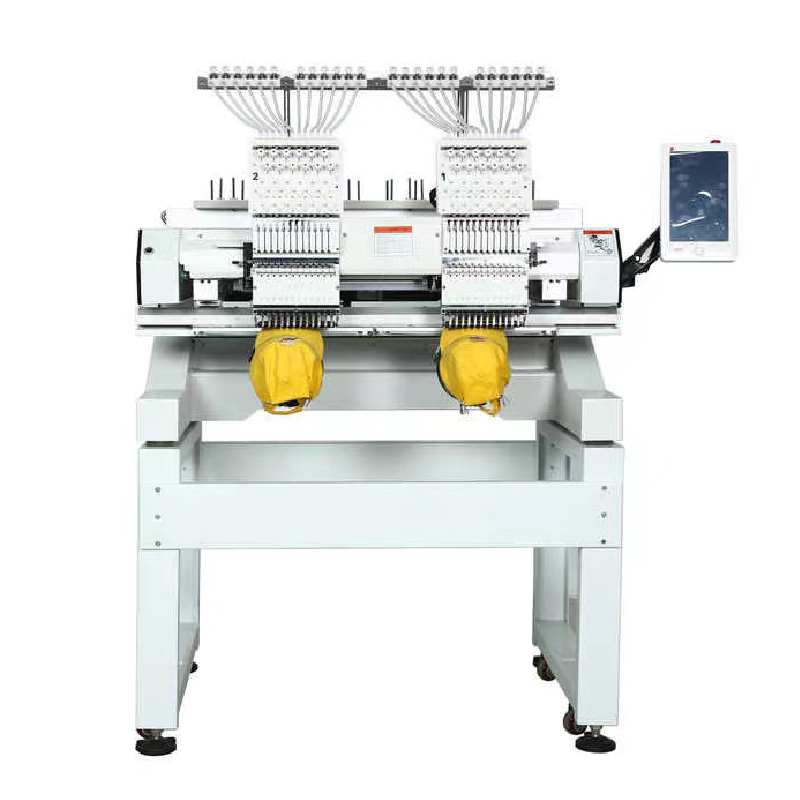
Fig 5: Demonstrating embroidery on various textile products.
Customized Solutions and Application Case Studies
Understanding that every business has unique requirements, we offer comprehensive customized solutions for our automatic embroidery machine range. Our engineering team works closely with clients to configure machines that perfectly align with their specific operational demands and production goals.
Customization Options:
- Specialized Hooping Systems: Beyond standard flat and cap frames, we can provide custom-designed hooping for unique products such as shoes, pockets, or oversized textile panels.
- Software Integration: Seamless integration with existing ERP/MES systems for streamlined order processing, design management, and production tracking. Our control systems are compatible with industry-standard embroidery formats (.DST, .DSB, etc.).
- Multi-Head Configurations: While our featured model is 2-heads, for larger industrial needs, we can deliver advanced `multi heads embroidery machine` setups (e.g., 4, 6, 8, or more heads) to maximize throughput.
- Extended Embroidery Areas: For clients requiring larger design fields for items like curtains or banners, we can engineer machines with extended X and Y axis travel.
- Automated Material Handling: Options for automated feeding and unloading systems for high-volume, continuous production lines.
Application Case Studies:
Case Study 1: Scaling Production for a Boutique Apparel Brand
Client: "Thread & Needle Co.," a burgeoning boutique known for customized T-shirts and hoodies.
Challenge: Thread & Needle Co. experienced rapid growth, with their single-head, 9-needle machine struggling to keep up with order volumes, leading to extended lead times and missed opportunities. They needed to scale without compromising their reputation for high-quality, intricate designs.
Solution: We recommended our 2 Heads 15 Needles automatic embroidery machine. The dual-head configuration immediately doubled their output capacity, while the 15-needle setup allowed them to execute more complex, multi-color designs without frequent thread changes. The `flat embroidery machine` functionality was perfect for their garment range, and the robust servo motors ensured consistent precision even at high speeds.
Outcome: Within three months, Thread & Needle Co. reduced their average order fulfillment time by 40%. They were able to accept larger corporate orders, expanding their B2B client base, and reported a 25% increase in monthly revenue. Customer feedback consistently praised the enhanced quality and quicker delivery.
Case Study 2: Enhancing Versatility for a Promotional Products Manufacturer
Client: "PromoGear Inc.," a leading manufacturer of branded promotional items including caps, bags, and uniforms.
Challenge: PromoGear Inc. operated with several older machines, each specialized for either flat or cap embroidery, leading to inefficient workflow and machine underutilization. They sought a versatile solution to consolidate operations and improve overall productivity.
Solution: We provided them with a customized setup of our 2 Heads 15 Needles automatic embroidery machine, equipped with additional sets of cap frames and specialized tubular hoops. The machine's inherent ability to seamlessly switch between `cap embroidery machine` mode and flat mode, combined with its high speed, significantly streamlined their production.
Outcome: PromoGear Inc. achieved a 30% increase in daily output for mixed orders (e.g., uniforms and matching caps). The simplified workflow led to a 15% reduction in labor costs associated with machine changeovers. The improved precision and consistent quality helped them secure a major contract with a national sports league, solidifying their market position. The reliability and robust nature of the equipment were key factors cited in their success.
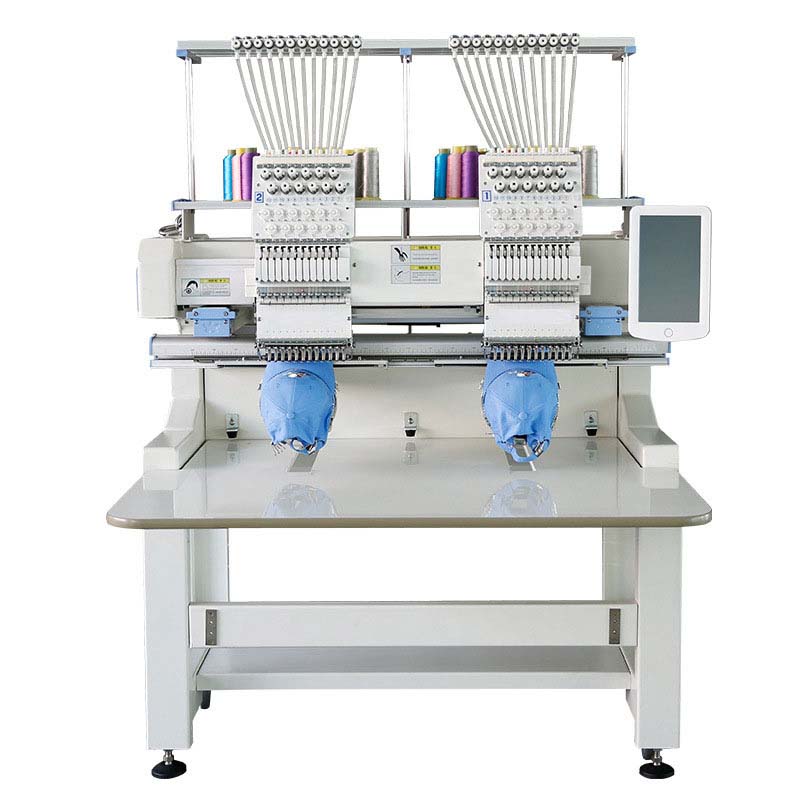
Fig 6: A finished embroidered product, demonstrating the machine's capability.
Trustworthiness: FAQ, Lead Time, Warranty, and Customer Support
Building long-term partnerships in the B2B sector hinges on trust, reliability, and robust support systems. We are committed to providing transparent information regarding our automatic embroidery machine products, from initial inquiry through years of operation. Our manufacturing facility holds ISO 9001:2015 certification for quality management, and our products adhere to CE and RoHS directives, underscoring our commitment to international standards and product safety.
Frequently Asked Questions (FAQ):
-
Q: What types of materials can this automatic embroidery machine embroider?
A: Our machine is highly versatile and can embroider on a wide range of materials including cotton, polyester, denim, leather, silk, towels, fleece, and various blended fabrics. The appropriate needle and stabilizer selection are crucial for optimal results. -
Q: Is the machine compatible with existing embroidery design software?
A: Yes, our control system supports all industry-standard embroidery file formats, including .DST and .DSB, making it compatible with popular digitizing software such as Wilcom, CorelDRAW, Embrilliance, and others. Designs can be transferred via USB or network. -
Q: What maintenance is required for the machine?
A: Regular maintenance includes daily lubrication of specific moving parts, routine cleaning of the bobbin area and tension disks, and periodic checks of belts and motor components. A comprehensive maintenance guide is provided with each machine, and we offer training on best practices. -
Q: Can I upgrade to more heads later if my business grows?
A: Our 2-head machine is a standalone unit. For scaling up, we typically recommend investing in additional `multi heads embroidery machine` units or a larger multi-head model from our range, which can be integrated into your production line. We can consult on the most cost-effective growth strategy.
Lead Time & Fulfillment Details:
Our standard lead time for the Latest Popular 2 Heads 15 Needles Flat Garment Pillow Towel Bag T-shirt Cap Embroidery Machine is typically 15-20 business days from order confirmation and deposit receipt. This period allows for final assembly, rigorous quality testing, and comprehensive packing to ensure safe transit. For customized configurations or larger `multi heads embroidery machine` orders, lead times may vary and will be clearly communicated during the quotation process. We work with trusted global logistics partners to facilitate timely and secure delivery worldwide.
Warranty Commitments:
We stand by the quality and durability of our automatic embroidery machine. Each machine comes with a standard warranty package:
- 2-Year Warranty on Mechanical Parts: Covering all major mechanical components against manufacturing defects.
- 1-Year Warranty on Electrical/Electronic Parts: Covering the control board, motors, and other electronic components.
- Lifetime Technical Support: Our commitment to assist you with any technical queries or troubleshooting throughout the lifespan of your machine.
Extended warranty options are available upon request for additional peace of mind.
Customer Support & After-Sales Service:
Our dedication to customer satisfaction extends far beyond the point of sale. We provide comprehensive after-sales support designed to minimize downtime and ensure optimal performance of your automatic embroidery machine:
- Multi-Channel Technical Support: Access to our expert technical team via phone, email, and live chat during business hours. Remote diagnostics and troubleshooting are standard.
- On-Site Installation & Training (Optional): For certain regions, we offer professional installation and hands-on training for your operators, covering machine operation, maintenance, and basic troubleshooting.
- Spare Parts Availability: A comprehensive inventory of genuine spare parts is maintained for rapid dispatch, minimizing potential downtime.
- Online Resources: Access to an extensive library of user manuals, video tutorials, and troubleshooting guides.
Conclusion
The modern automatic embroidery machine stands as a testament to engineering excellence, offering unparalleled precision, speed, and versatility for a wide array of industrial and commercial applications. From single-head, high-precision units to advanced `multi heads embroidery machine` configurations, these systems are critical for businesses seeking to enhance productivity, expand design capabilities, and maintain a competitive edge in the dynamic textile and apparel market. Our Latest Popular 2 Heads 15 Needles machine exemplifies this, providing a powerful and reliable solution for flat, garment, pillow, towel, bag, T-shirt, and `cap embroidery machine` requirements. Investing in such advanced technology is not merely an expense but a strategic move towards operational efficiency, superior product quality, and sustained business growth.
References
- International Organization for Standardization. (2015). ISO 9001:2015 Quality management systems – Requirements. ISO.org.
- American National Standards Institute / American Society for Quality. (2018). ANSI/ASQ Z1.4-2008 (R2018) Sampling Procedures and Tables for Inspection by Attributes. ASQ.org.
- European Parliament and Council of the European Union. (2014). Directive 2014/35/EU on the harmonisation of the laws of the Member States relating to the making available on the market of electrical equipment designed for use within certain voltage limits (Low Voltage Directive). EUR-Lex.Europa.eu.
- European Parliament and Council of the European Union. (2011). Directive 2011/65/EU on the restriction of the use of certain hazardous substances in electrical and electronic equipment (RoHS Directive). EUR-Lex.Europa.eu.
- Textile Exchange. (2023). Preferred Fiber & Materials Market Report. TextileExchange.org.
Latest news
-
How to Find the Best Computerized Machine Embroidery Suppliers
NewsApr.16,2026
-
Professional Computerized Machine Embroidery Service for Brands
NewsApr.09,2026
-
Selecting The Ideal Computerized Machine Embroidery Factory For Your Business
NewsApr.07,2026
-
Choosing a Reliable Computerized Machine Embroidery Manufacturer for Optimal Results
NewsApr.04,2026
-
Exploring Premier Computerized Embroidery Machine Factories for Quality Production
NewsMar.31,2026
-
Find Your Ideal Computerized Embroidery Machine Supplier with XT PFSM
NewsMar.28,2026
Sep . 08, 2025 16:38 Back to list
Automatic Embroidery Machine: Efficient Multi-Head Flat & Cap Models
Industry Trends and the Evolution of Automated Embroidery
The textile and apparel industry is undergoing a significant transformation, driven by increasing demands for customization, efficiency, and rapid production cycles. At the heart of this evolution is the automatic embroidery machine. These sophisticated systems are no longer just tools for embellishment; they are integral components of modern manufacturing lines, enabling businesses to meet diverse market needs from high-volume corporate branding to intricate bespoke designs.
Current trends indicate a strong move towards greater automation and integration. Manufacturers are seeking machines that offer not only precision and speed but also versatility, capable of handling a wide array of materials and products. The emergence of digital pattern management, cloud-based design libraries, and IoT connectivity allows for seamless workflow integration, reducing manual intervention and minimizing errors. Furthermore, there's a growing demand for `multi heads embroidery machine` configurations, which significantly boost production capacity for large-scale operations, and specialized units like the `cap embroidery machine`, addressing niche market requirements with dedicated functionality. The focus on sustainability also drives innovation, with machines designed for optimized thread usage and energy efficiency.
This technological advancement allows businesses to offer more complex and high-quality embroidered products, maintaining a competitive edge in a globalized market. The ability to quickly switch between designs and product types—from a `flat embroidery machine` for patches and garment panels to a specialized attachment for caps or cylindrical items—is paramount for operational agility.
Fig 1: A modern automatic embroidery machine in operation, showcasing precision and efficiency.
Technical Specifications: Latest Popular 2 Heads 15 Needles Machine
Our Latest Popular 2 Heads 15 Needles Flat Garment Pillow Towel Bag T-shirt Cap Embroidery Machine represents a pinnacle of contemporary embroidery technology. Designed for versatility and high-volume output, this automatic embroidery machine combines robust engineering with intuitive control, making it ideal for both burgeoning businesses and established garment factories. The 15-needle configuration per head provides an extensive color palette without manual thread changes, optimizing design flexibility and production speed.
Key technical parameters highlight its operational prowess, ensuring consistent stitch quality and reduced downtime. The dual-head design doubles production capacity compared to single-head units, making it an efficient `multi heads embroidery machine` for diverse applications. Its specialized hooping system allows for seamless transitions between flat embroidery on garments, pillows, and towels, and the intricate demands of `cap embroidery machine` functions, demonstrating superior adaptability.
| Parameter | Specification | Details/Advantages |
|---|---|---|
| Number of Heads | 2 | Enhanced productivity, simultaneous two-piece production. |
| Number of Needles per Head | 15 | Extensive color range for complex designs without manual changes. |
| Embroidery Area (Flat) | 500 x 350 mm per head | Large working area for diverse garment sizes and designs. |
| Embroidery Area (Cap) | 270 degrees wide angle | Specialized for high-quality cap and hat embroidery. |
| Max. Speed | 1200 stitches/min | High-speed operation for efficient mass production. |
| Control System | 7-inch HD LCD Touch Screen | User-friendly interface, real-time stitching display. |
| Memory Capacity | 20,000,000 stitches / 200 designs | Ample storage for extensive design libraries. |
| Data Transfer | USB, Network Port | Flexible design loading and connectivity. |
| Motor Type | Servo Motors (Main, X, Y Axis) | High precision, low noise, energy efficiency, enhanced durability. |
| Power Consumption | ~1.5 kW | Optimized for energy efficiency during continuous operation. |
Fig 2: Close-up of the robust build and precision components of the embroidery machine.
The Manufacturing Process of an Automatic Embroidery Machine
The creation of a high-performance automatic embroidery machine involves a meticulous manufacturing process, emphasizing precision engineering and quality control at every stage. This ensures durability, reliability, and the consistent production of superior embroidery.
1. Material Selection and Sourcing
The foundation of a durable machine lies in its materials. High-grade industrial steel is selected for the main frame and chassis, providing structural rigidity and vibration dampening. Precision components, such as shafts, gears, and needle bars, are often crafted from hardened steel alloys or aerospace-grade aluminum, chosen for their superior strength-to-weight ratio and corrosion resistance. Advanced polymers are used for specific parts, like thread guides and bobbin cases, for their low friction properties and wear resistance.
2. Component Fabrication and Machining
- Casting & Forging: Larger structural elements, such as the machine base or specific bracketry, may undergo casting or forging processes. Casting allows for complex shapes and high material density, while forging enhances mechanical properties by aligning grain structures, resulting in exceptional strength and fatigue resistance.
- CNC Machining: This is a critical stage for precision components. Computer Numerical Control (CNC) machining centers precisely cut, mill, and drill metal parts to micron-level tolerances. This includes the intricate designs of the hook system, the smooth surfaces of the thread path components, and the exact dimensions of the X-Y movement systems. This precision is vital for achieving consistent stitch density, minimal thread breaks, and long-term operational stability.
- Surface Treatment: Components undergo various surface treatments, including anodizing for aluminum parts (enhancing corrosion resistance and hardness), electroplating for steel parts (for wear resistance and aesthetics), and powder coating for the main chassis (providing a durable, chip-resistant finish).
3. Electronic & Software Integration
The control board, servo motors, sensors (e.g., thread break detection), and touch screen interface are assembled and integrated. The proprietary operating software, which controls stitch patterns, machine diagnostics, and user interface, is loaded and calibrated. This intelligent integration defines the user experience and overall machine efficiency.
4. Assembly and Calibration
Highly skilled technicians meticulously assemble thousands of individual parts. Critical alignments, such as needle-to-hook timing, presser foot pressure, and thread tension systems, are painstakingly calibrated using specialized tools and diagnostic software. Each head of a `multi heads embroidery machine` undergoes individual calibration to ensure synchronized performance.
5. Quality Control and Testing Standards
Every automatic embroidery machine undergoes rigorous multi-stage testing.
- Component-Level Testing: Individual parts are inspected for dimensional accuracy and material integrity.
- Sub-Assembly Testing: Modules like the X-Y drive system or thread trimming mechanism are tested for functionality and precision.
- Full Machine Endurance Testing: Each machine runs for extended periods, performing complex embroidery patterns to test reliability under load. This simulates real-world operational scenarios.
- Performance Validation: Stitch quality, speed accuracy, noise levels, and vibration are measured against stringent benchmarks. Compliance with international standards such as ISO 9001 for quality management and CE marking for European safety standards is strictly enforced. ANSI/ASQ Z1.4 sampling procedures are often applied for lot inspections to maintain consistency.
6. Target Industries and Advantages
These machines serve a broad spectrum of industries including:
- Textile & Apparel: For garment embellishment, fashion design, and uniform production.
- Promotional Products: For branded merchandise like caps, bags, and corporate wear.
- Home Furnishings: For decorative pillows, towels, and upholstery.
- Automotive & Marine: For custom interiors and branding.
The robust construction and quality materials contribute to an estimated service life of 10-15 years with proper maintenance. Advantages in typical application scenarios include significant energy saving due to advanced servo motor technology (up to 30% compared to stepping motors) and superior corrosion resistance, ensuring longevity even in challenging workshop environments, thereby reducing total cost of ownership.
Fig 3: Quality control inspection of machine components during assembly.
Application Scenarios and Technical Advantages
The versatility of a modern automatic embroidery machine extends across numerous application scenarios, delivering unparalleled technical advantages for businesses aiming for high-quality output and operational efficiency.
Diverse Application Scenarios:
- Apparel Decoration: From custom T-shirts, polos, and jackets to intricate designs on couture garments. The `flat embroidery machine` capabilities ensure flawless embellishment on various fabric weights and types.
- Headwear Customization: Special `cap embroidery machine` attachments enable precise branding and decoration on baseball caps, beanies, and visors, often requiring specialized hooping and stitch path optimization for curved surfaces.
- Accessory Embellishment: Bags, backpacks, patches, and badges can be efficiently personalized or branded, providing durable and attractive finishes.
- Home Textiles: Adding monograms or decorative patterns to towels, pillows, and blankets, enhancing product value and appeal.
- Corporate & Promotional Items: Mass production of embroidered logos on uniforms, promotional giveaways, and corporate apparel, maintaining brand consistency across large orders.
- Small Batch Production: For businesses focused on bespoke designs or short-run, high-value items, the machine’s quick setup and design change capabilities are invaluable.
Key Technical Advantages:
- Precision and Stitch Quality: Advanced servo motor control on X, Y, and Z axes ensures exceptional stitch registration and uniform tension, leading to crisp, defined embroidery. This is critical for achieving high stitch density without puckering or thread breaks.
- High Speed and Productivity: With speeds up to 1200 stitches per minute and multi-head configurations, production output is significantly increased. Features like automatic thread trimming and color change minimize idle time.
- Versatility: The ability to seamlessly switch between flat, cap, and cylindrical embroidery modes, coupled with a 15-needle setup, allows for a vast array of design complexity and product types. Hoop recognition technology automatically detects the correct hoop size, preventing design errors.
- User-Friendly Interface: A 7-inch HD LCD touch screen provides intuitive control over design loading, parameter adjustments, and real-time monitoring of the embroidery process, including stitch count and estimated completion time.
- Durability and Reliability: Constructed with robust industrial-grade components and subjected to rigorous quality control, these machines are built for continuous, heavy-duty operation, minimizing maintenance and extending service life.
- Cost-Effectiveness: While the initial investment in a `cheap 15 needle embroidery machine` might seem significant, the long-term benefits in terms of reduced labor costs, waste minimization, and increased output lead to a substantial return on investment. Energy-efficient servo motors further contribute to lower operational expenses.
Fig 4: The machine demonstrating its capability for high-quality cap embroidery.
Vendor Comparison and Competitive Analysis
Choosing the right automatic embroidery machine involves a comprehensive comparison of vendors, assessing factors such as technical capabilities, build quality, support, and overall value. While many manufacturers offer competitive products, discerning the nuances can significantly impact operational efficiency and long-term profitability. Below, we provide a comparative analysis, highlighting where our featured Latest Popular 2 Heads 15 Needles machine stands out.
| Feature/Vendor | Our Featured Machine (2 Heads, 15 Needles) | Competitor A (Entry-Level 1 Head, 12 Needles) | Competitor B (High-End 4 Heads, 15 Needles) |
|---|---|---|---|
| Heads/Needles | 2 Heads, 15 Needles | 1 Head, 12 Needles | 4 Heads, 15 Needles |
| Max. Speed (Stitches/min) | 1200 | 1000 | 1000-1100 |
| Embroidery Area (Flat) | 500x350mm per head | 300x200mm | 400x300mm per head |
| Cap Embroidery | Standard (270°) | Optional/Limited | Standard (270°) |
| Control System | 7" HD LCD Touch Screen | 5" LCD (Non-touch) | 10" HD LCD Touch Screen |
| Motor Type | Full Servo Motors | Stepping Motors (X/Y) | Full Servo Motors |
| Price Point (Relative) | Mid-Range, High Value | Low-Range (can be a `cheap 15 needle embroidery machine` alternative, but with fewer features) | High-Range |
| Warranty (Standard) | 2 Years Mechanical, 1 Year Electrical | 1 Year Mechanical/Electrical | 2-3 Years Mechanical, 1-2 Years Electrical |
| Support Network | Global Distributors, Online Tech Support | Regional Dealers, Basic Support | Extensive Global Network, Premium Support |
Our 2 Heads 15 Needles automatic embroidery machine is strategically positioned to offer a superior balance of performance, versatility, and cost-effectiveness. It surpasses entry-level models by providing dual-head productivity and a comprehensive 15-needle color palette, along with advanced servo motor precision. While high-end `multi heads embroidery machine` units like Competitor B offer even greater scale, our model provides a significantly higher speed per head and a generous embroidery area, making it an excellent choice for businesses requiring robust production without the premium cost of an enterprise-level system. The full servo motor system ensures superior stitch quality and longevity compared to machines utilizing stepping motors, which can lead to reduced precision and higher noise levels over time.
Furthermore, our commitment to robust warranty terms and a responsive global support network adds a layer of trustworthiness that is often lacking in `cheap 15 needle embroidery machine` offerings found from less reputable sources. This focus on reliability and comprehensive service ensures a better long-term investment for our clients.
Fig 5: Demonstrating embroidery on various textile products.
Customized Solutions and Application Case Studies
Understanding that every business has unique requirements, we offer comprehensive customized solutions for our automatic embroidery machine range. Our engineering team works closely with clients to configure machines that perfectly align with their specific operational demands and production goals.
Customization Options:
- Specialized Hooping Systems: Beyond standard flat and cap frames, we can provide custom-designed hooping for unique products such as shoes, pockets, or oversized textile panels.
- Software Integration: Seamless integration with existing ERP/MES systems for streamlined order processing, design management, and production tracking. Our control systems are compatible with industry-standard embroidery formats (.DST, .DSB, etc.).
- Multi-Head Configurations: While our featured model is 2-heads, for larger industrial needs, we can deliver advanced `multi heads embroidery machine` setups (e.g., 4, 6, 8, or more heads) to maximize throughput.
- Extended Embroidery Areas: For clients requiring larger design fields for items like curtains or banners, we can engineer machines with extended X and Y axis travel.
- Automated Material Handling: Options for automated feeding and unloading systems for high-volume, continuous production lines.
Application Case Studies:
Case Study 1: Scaling Production for a Boutique Apparel Brand
Client: "Thread & Needle Co.," a burgeoning boutique known for customized T-shirts and hoodies.
Challenge: Thread & Needle Co. experienced rapid growth, with their single-head, 9-needle machine struggling to keep up with order volumes, leading to extended lead times and missed opportunities. They needed to scale without compromising their reputation for high-quality, intricate designs.
Solution: We recommended our 2 Heads 15 Needles automatic embroidery machine. The dual-head configuration immediately doubled their output capacity, while the 15-needle setup allowed them to execute more complex, multi-color designs without frequent thread changes. The `flat embroidery machine` functionality was perfect for their garment range, and the robust servo motors ensured consistent precision even at high speeds.
Outcome: Within three months, Thread & Needle Co. reduced their average order fulfillment time by 40%. They were able to accept larger corporate orders, expanding their B2B client base, and reported a 25% increase in monthly revenue. Customer feedback consistently praised the enhanced quality and quicker delivery.
Case Study 2: Enhancing Versatility for a Promotional Products Manufacturer
Client: "PromoGear Inc.," a leading manufacturer of branded promotional items including caps, bags, and uniforms.
Challenge: PromoGear Inc. operated with several older machines, each specialized for either flat or cap embroidery, leading to inefficient workflow and machine underutilization. They sought a versatile solution to consolidate operations and improve overall productivity.
Solution: We provided them with a customized setup of our 2 Heads 15 Needles automatic embroidery machine, equipped with additional sets of cap frames and specialized tubular hoops. The machine's inherent ability to seamlessly switch between `cap embroidery machine` mode and flat mode, combined with its high speed, significantly streamlined their production.
Outcome: PromoGear Inc. achieved a 30% increase in daily output for mixed orders (e.g., uniforms and matching caps). The simplified workflow led to a 15% reduction in labor costs associated with machine changeovers. The improved precision and consistent quality helped them secure a major contract with a national sports league, solidifying their market position. The reliability and robust nature of the equipment were key factors cited in their success.
Fig 6: A finished embroidered product, demonstrating the machine's capability.
Trustworthiness: FAQ, Lead Time, Warranty, and Customer Support
Building long-term partnerships in the B2B sector hinges on trust, reliability, and robust support systems. We are committed to providing transparent information regarding our automatic embroidery machine products, from initial inquiry through years of operation. Our manufacturing facility holds ISO 9001:2015 certification for quality management, and our products adhere to CE and RoHS directives, underscoring our commitment to international standards and product safety.
Frequently Asked Questions (FAQ):
-
Q: What types of materials can this automatic embroidery machine embroider?
A: Our machine is highly versatile and can embroider on a wide range of materials including cotton, polyester, denim, leather, silk, towels, fleece, and various blended fabrics. The appropriate needle and stabilizer selection are crucial for optimal results. -
Q: Is the machine compatible with existing embroidery design software?
A: Yes, our control system supports all industry-standard embroidery file formats, including .DST and .DSB, making it compatible with popular digitizing software such as Wilcom, CorelDRAW, Embrilliance, and others. Designs can be transferred via USB or network. -
Q: What maintenance is required for the machine?
A: Regular maintenance includes daily lubrication of specific moving parts, routine cleaning of the bobbin area and tension disks, and periodic checks of belts and motor components. A comprehensive maintenance guide is provided with each machine, and we offer training on best practices. -
Q: Can I upgrade to more heads later if my business grows?
A: Our 2-head machine is a standalone unit. For scaling up, we typically recommend investing in additional `multi heads embroidery machine` units or a larger multi-head model from our range, which can be integrated into your production line. We can consult on the most cost-effective growth strategy.
Lead Time & Fulfillment Details:
Our standard lead time for the Latest Popular 2 Heads 15 Needles Flat Garment Pillow Towel Bag T-shirt Cap Embroidery Machine is typically 15-20 business days from order confirmation and deposit receipt. This period allows for final assembly, rigorous quality testing, and comprehensive packing to ensure safe transit. For customized configurations or larger `multi heads embroidery machine` orders, lead times may vary and will be clearly communicated during the quotation process. We work with trusted global logistics partners to facilitate timely and secure delivery worldwide.
Warranty Commitments:
We stand by the quality and durability of our automatic embroidery machine. Each machine comes with a standard warranty package:
- 2-Year Warranty on Mechanical Parts: Covering all major mechanical components against manufacturing defects.
- 1-Year Warranty on Electrical/Electronic Parts: Covering the control board, motors, and other electronic components.
- Lifetime Technical Support: Our commitment to assist you with any technical queries or troubleshooting throughout the lifespan of your machine.
Extended warranty options are available upon request for additional peace of mind.
Customer Support & After-Sales Service:
Our dedication to customer satisfaction extends far beyond the point of sale. We provide comprehensive after-sales support designed to minimize downtime and ensure optimal performance of your automatic embroidery machine:
- Multi-Channel Technical Support: Access to our expert technical team via phone, email, and live chat during business hours. Remote diagnostics and troubleshooting are standard.
- On-Site Installation & Training (Optional): For certain regions, we offer professional installation and hands-on training for your operators, covering machine operation, maintenance, and basic troubleshooting.
- Spare Parts Availability: A comprehensive inventory of genuine spare parts is maintained for rapid dispatch, minimizing potential downtime.
- Online Resources: Access to an extensive library of user manuals, video tutorials, and troubleshooting guides.
Conclusion
The modern automatic embroidery machine stands as a testament to engineering excellence, offering unparalleled precision, speed, and versatility for a wide array of industrial and commercial applications. From single-head, high-precision units to advanced `multi heads embroidery machine` configurations, these systems are critical for businesses seeking to enhance productivity, expand design capabilities, and maintain a competitive edge in the dynamic textile and apparel market. Our Latest Popular 2 Heads 15 Needles machine exemplifies this, providing a powerful and reliable solution for flat, garment, pillow, towel, bag, T-shirt, and `cap embroidery machine` requirements. Investing in such advanced technology is not merely an expense but a strategic move towards operational efficiency, superior product quality, and sustained business growth.
References
- International Organization for Standardization. (2015). ISO 9001:2015 Quality management systems – Requirements. ISO.org.
- American National Standards Institute / American Society for Quality. (2018). ANSI/ASQ Z1.4-2008 (R2018) Sampling Procedures and Tables for Inspection by Attributes. ASQ.org.
- European Parliament and Council of the European Union. (2014). Directive 2014/35/EU on the harmonisation of the laws of the Member States relating to the making available on the market of electrical equipment designed for use within certain voltage limits (Low Voltage Directive). EUR-Lex.Europa.eu.
- European Parliament and Council of the European Union. (2011). Directive 2011/65/EU on the restriction of the use of certain hazardous substances in electrical and electronic equipment (RoHS Directive). EUR-Lex.Europa.eu.
- Textile Exchange. (2023). Preferred Fiber & Materials Market Report. TextileExchange.org.
Next:
Latest news

Copyright © 2026 Xingtai Pufa Trading Co., Ltd All Rights Reserved. Sitemap | Privacy Policy | Top Blog | Global Service