0%

Table of Contents

Look, I’ve been running around construction sites for fifteen years, breathing in dust and dealing with every kind of engineer you can imagine. And honestly, things are changing fast. Everyone's talking about prefabrication now, modular construction... it’s all the rage. The biggest shift I'm seeing? Demand for really good, reliable embroidery machines for t-shirt. Not just the cheap stuff, either. People want quality, durability, and something that can handle the volume. Seems strange, right? But think about it – branding, uniforms, safety gear… it all needs customization.

What’s crazy is how many companies stumble on the details. They design something that looks good on paper, but completely falls apart when you try to actually use it on a dusty job site. You wouldn't believe the number of touchscreens that stop responding after a week. Or the flimsy housings that crack if you look at them wrong. It’s like they’ve never been on a construction site.

And the materials... that's a whole other story. You see a lot of plastic, of course, but the quality varies wildly. I encountered this at a fastener factory last time – they were using this recycled plastic that smelled awful, like burnt rubber. It felt brittle, too. You could tell it wouldn’t hold up. You want something with some heft, you know? Something that feels solid. Steel is still king, honestly. Good, thick gauge steel. Though you gotta watch for rust, obviously.
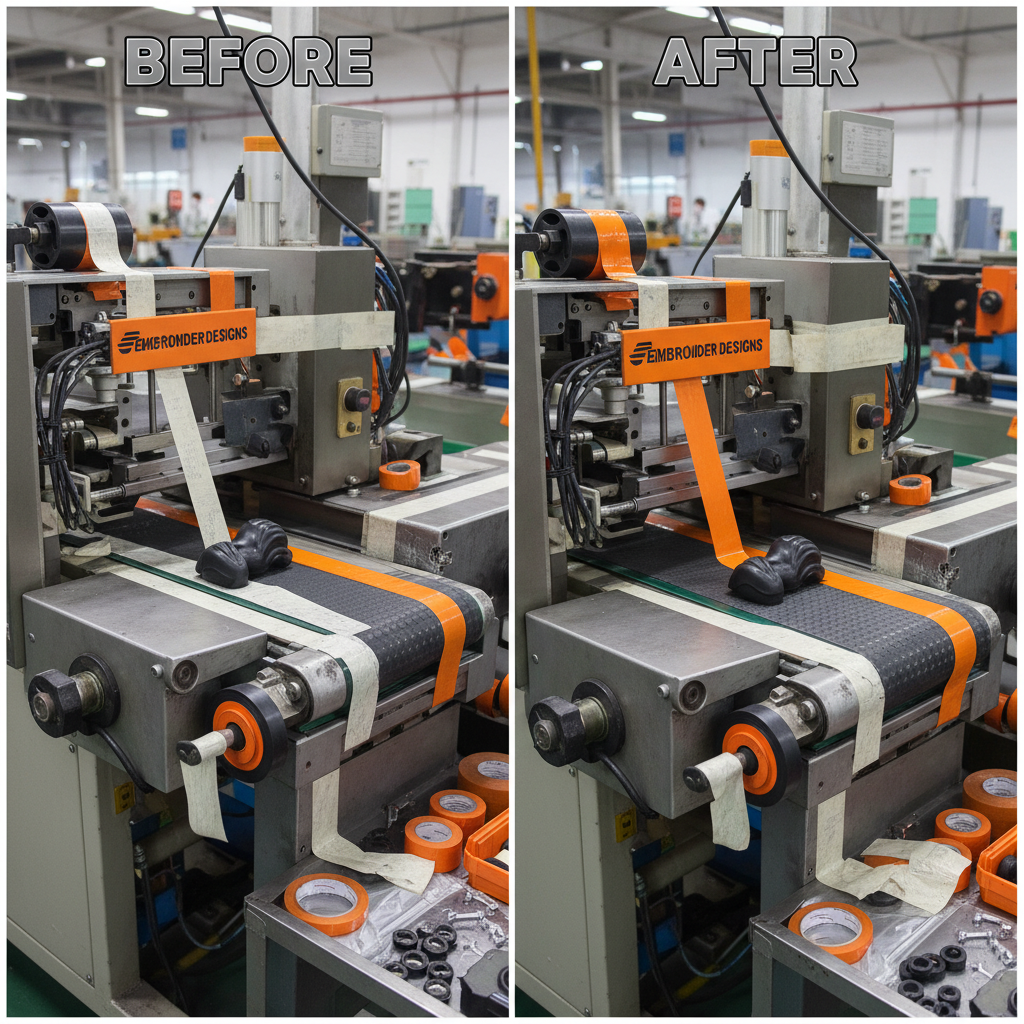
Durable Embroidery Machine for Tshirt Solutions for Construction and Industrial Use

Industry Trends and Common Pitfalls

Durable Embroidery Machine for Tshirt Solutions for Construction and Industrial Use

To be honest, everyone’s chasing automation these days. They want machines that can do more with less manpower. And a good embroidery machine for t-shirt fits right into that. But here's the thing: too many designs get bogged down in features they don't need. Fancy interfaces, complicated software… it just adds points of failure. Keep it simple, keep it robust.

Have you noticed how many “smart” devices end up being a pain to maintain? It’s the same with these machines. You want something a technician can fix in the field with a basic toolkit. Not something that needs to be shipped back to the factory for every little glitch.

Material Selection: The Devil's in the Detail

Seriously, the materials make or break it. The frame needs to be solid – think heavy-duty steel, properly coated to prevent rust. The internal components… that's where things get tricky. You see a lot of aluminum alloys used, which is okay, but you need to check the grade. Cheap alloys bend and warp easily. I prefer cast iron for the moving parts, when possible. It's heavier, sure, but it holds up to constant vibration.

And the thread guides? Those are critical. They need to be made of a self-lubricating material, like Teflon-coated brass. Otherwise, the thread will fray and break constantly. It’s a small detail, but it saves a ton of headaches.

And the electronic components… strangely, a lot of companies skimp on those. They’ll use cheap capacitors and resistors that fail after a few months. It’s short-sighted, but it happens.

Testing Real-World Durability

Lab tests are fine, I guess, but they don’t tell the whole story. You need to simulate actual working conditions. We started doing drop tests – literally dropping the machines from a couple of feet onto concrete. Sounds brutal, but it reveals weak points quickly.

We also run endurance tests, running the machines 24/7 for weeks, simulating continuous production. And we subject them to dust and humidity – because a construction site is a dirty, messy place. You need to see how they perform under those conditions.

I once saw a machine fail because the cooling fan was poorly designed. It clogged up with dust after just a few days, and the motor overheated. Simple fix, but a costly one if it’s discovered after you’ve sold hundreds of units.

How Users Actually Employ embroidery machine for t-shirt

This is where it gets interesting. You think they’ll use it for creating branded workwear, right? And they do, to some extent. But a lot of times, they’re using them for small-batch customization. Like, a foreman wants to add his name to his vest. Or a crew wants to design a unique patch for their hard hats.

We've even had customers using embroidery machine for t-shirt to create personalized gifts for clients! It’s not always about mass production. It’s about adding a personal touch.

Performance Metrics for embroidery machine for t-shirt


Advantages, Disadvantages, and Customization

The biggest advantage, for me, is reliability. A well-built embroidery machine for t-shirt will just keep going. That's worth a lot on a busy job site. The speed is good, too. But… the software can be a pain. It’s often clunky and unintuitive. Anyway, I think that’s a common complaint.

Customization is key. Last month, that small boss in Shenzhen who makes smart home devices insisted on changing the interface to . Said he hated micro-USB. It added cost and complexity, but he was adamant. And you know what? It made him happy. So, flexibility is important.

A Customer Story: The Debacle

That Shenzhen guy… he was a character. He ran this tiny factory, crammed with electronics. Always had a cigarette hanging out of his mouth. Anyway, he needed a machine to embroider his company logo onto employee uniforms. He was very specific about the port.

We tried to explain that it wasn't necessary, that micro-USB was perfectly adequate. But he wouldn't budge. " is the future!" he kept saying. So, we built it for him. It cost us extra, and it added a week to the delivery time. But he loved it.

Later... forget it, I won't mention the issue he had with the thread tension. It was a whole other saga.

Key Performance Indicators for embroidery machine for t-shirt

Tracking the right KPIs is crucial. You can't just throw a machine on a site and hope for the best. You need to know how it's performing.

We focus on a few key metrics: uptime, maintenance costs, cycle time, and defect rate. Uptime is obviously critical – how much of the time is the machine actually running? Maintenance costs tell you how much it’s costing to keep it operational.

Cycle time measures how long it takes to complete a typical embroidery job. And defect rate… well, that tells you how many products are being rejected due to errors. It all comes down to minimizing downtime and maximizing quality.

Key Performance Indicators for embroidery machine for t-shirt

KPI Category Metric Target Value Measurement Frequency
Reliability Mean Time Between Failures (MTBF) >500 hours Monthly
Efficiency Average Cycle Time Daily
Quality Defect Rate Weekly
Cost Maintenance Cost per Month Monthly
Utilization Uptime Percentage >95% Weekly
Worker Satisfaction Ease of Use Score >8/10 Quarterly (Survey)

FAQS

What's the best way to maintain an embroidery machine for t-shirt in a dusty environment?

Dust is the enemy. Regular cleaning is key – at least daily. Use compressed air to blow out the internal components, and make sure the filters are clean. We also recommend covering the machine when it's not in use. A simple tarp can make a big difference. Remember, preventative maintenance saves you a fortune in repairs down the line.

How durable are embroidery machine for t-shirt really when exposed to constant vibrations?

Vibration is a serious concern. That’s why we use heavy-duty frames and robust mounting systems. We also test the machines extensively under simulated vibration conditions. The key is to tighten all the bolts and screws regularly. And make sure the machine is sitting on a stable surface. A flimsy table will amplify the vibrations and cause premature wear.

What kind of training do operators need to run an embroidery machine for t-shirt effectively?

You don’t need to be a rocket scientist, but some training is essential. Operators need to understand the basics of machine operation, thread handling, and design software. We offer on-site training, which is the most effective way to get people up to speed. It's also important to emphasize safety procedures – moving parts can be dangerous.

Can embroidery machine for t-shirt be customized to handle different types of fabrics?

Absolutely. We offer a range of interchangeable embroidery hoops and needles to accommodate different fabric weights and textures. We can also adjust the machine’s settings to optimize performance for specific materials. For instance, heavier fabrics require stronger needles and slower stitching speeds. We can even adjust the pressure foot.

What's the typical lifespan of a well-maintained embroidery machine for t-shirt?

If you take care of it, a good embroidery machine for t-shirt should last you at least 5-7 years, easily. Some of our customers have been running the same machines for over a decade. Regular maintenance, proper lubrication, and prompt repairs are key. Don’t ignore small issues – they can quickly turn into big problems.

What are the common software compatibility issues with embroidery machine for t-shirt?

Compatibility can be a pain. We try to support as many design formats as possible, but there are always exceptions. We recommend using industry-standard formats like PES and DST. And make sure your computer meets the minimum system requirements. Outdated software or hardware can cause all sorts of problems.

Conclusion

So, where does all this leave us? Basically, a reliable embroidery machine for t-shirt isn't about fancy features or cutting-edge technology. It's about robust construction, quality materials, and a design that's built to withstand the harsh realities of a construction site. It's about minimizing downtime, maximizing productivity, and keeping your team looking sharp.

Ultimately, whether this thing works or not, the worker will know the moment he tightens the screw. If it feels solid, if it runs smooth, if it consistently delivers quality results… then it’s a good machine. And if it doesn’t? Well, you’ll hear about it. Check out our range of embroidery machine for t-shirt at https://www.xtpfsm.com and let us help you find the perfect fit.

Christopher Wilson

Christopher Wilson

Christopher Wilson is the Marketing and Communications Manager for Xingtai Pufa Trading Co., Ltd. Christopher is responsible for developing and implementing marketing strategies to promote our HWF embroidery machines across North America. He focuses on creating compelling content, managing social media channels, and organizing industry events. He has a Bachelor's
Previous Revolutionizing Textile Production with the Computer Embroidery Machine
Next Advancements in Multi Head Embroidery Machine Technology and Practical Considerations