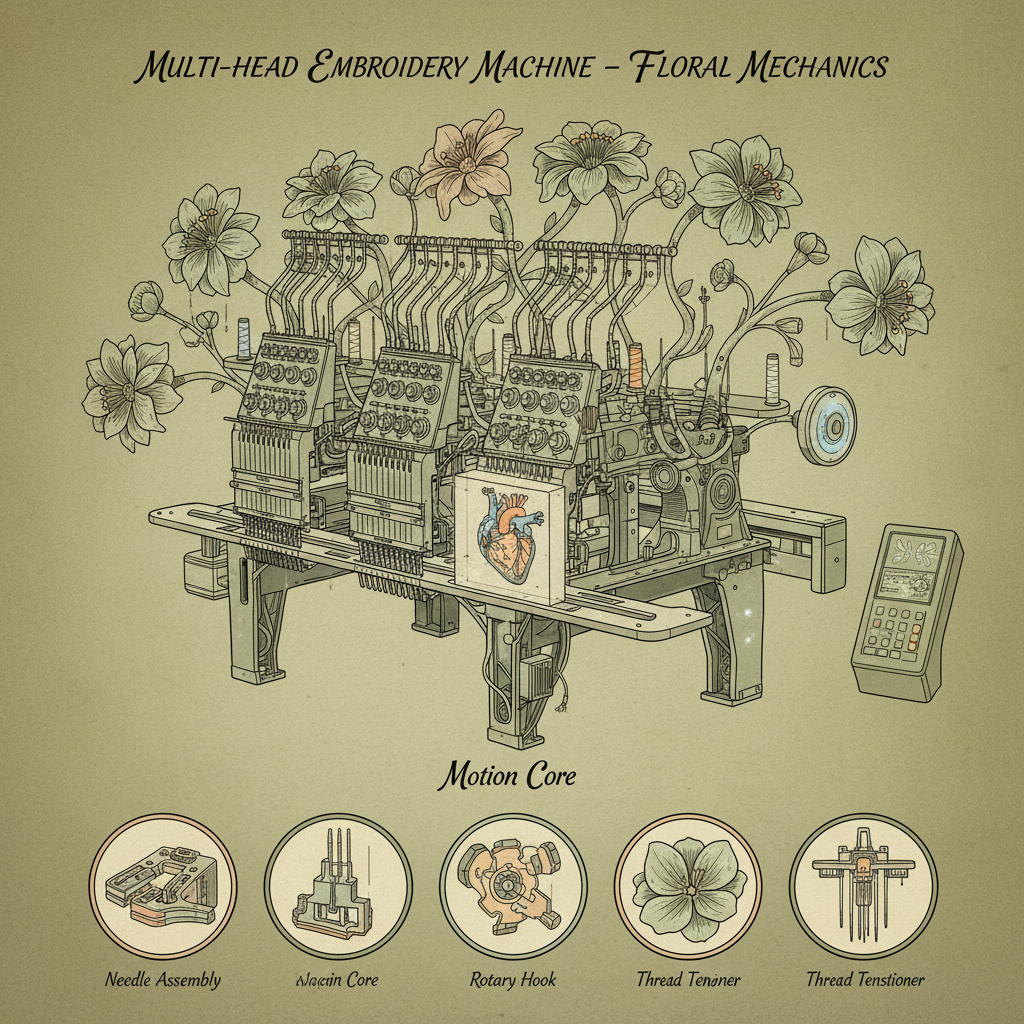
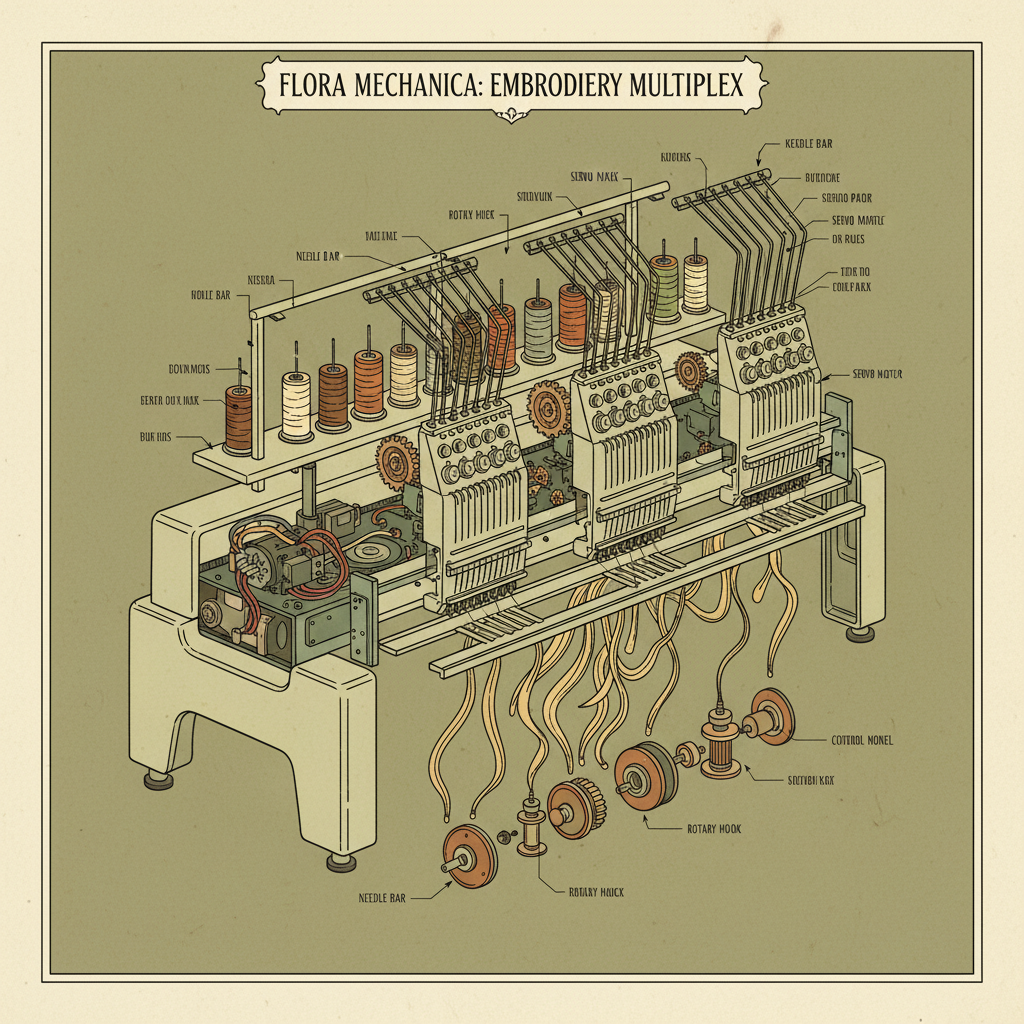
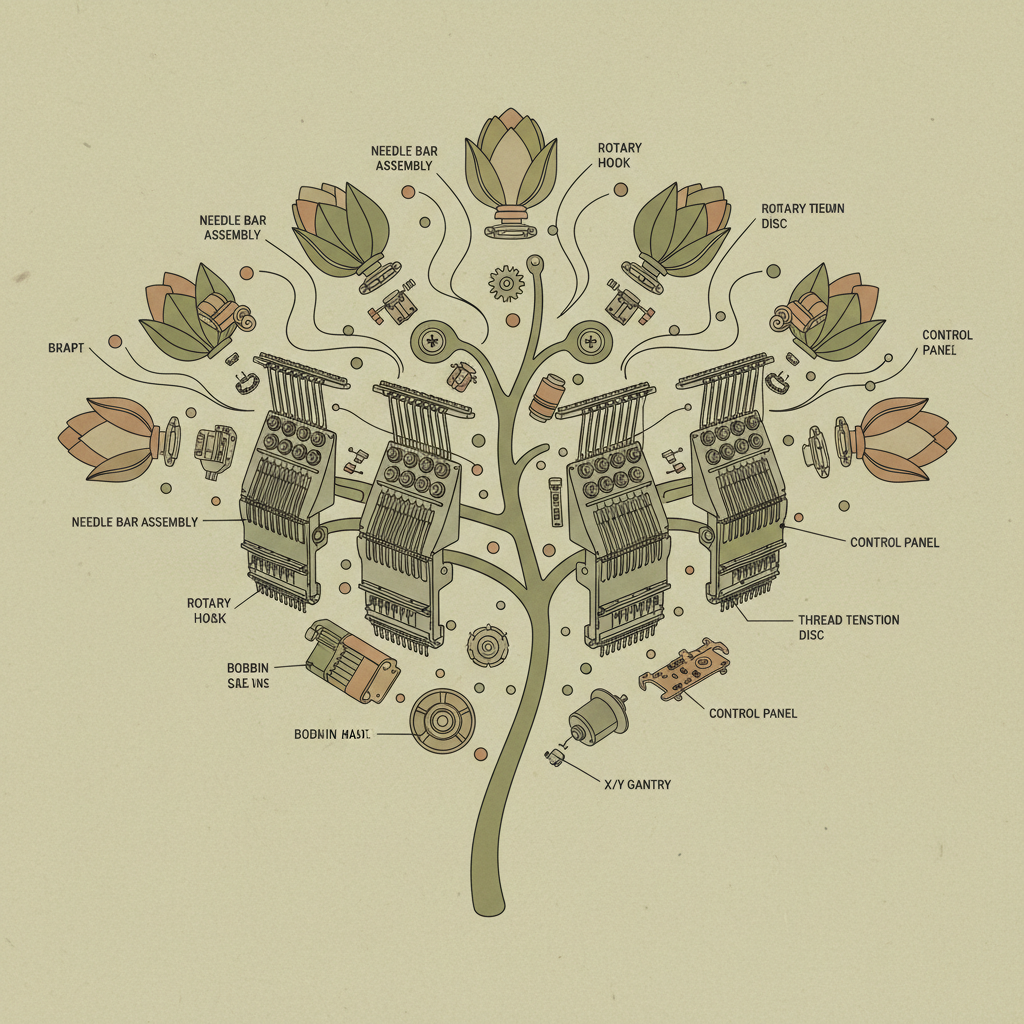
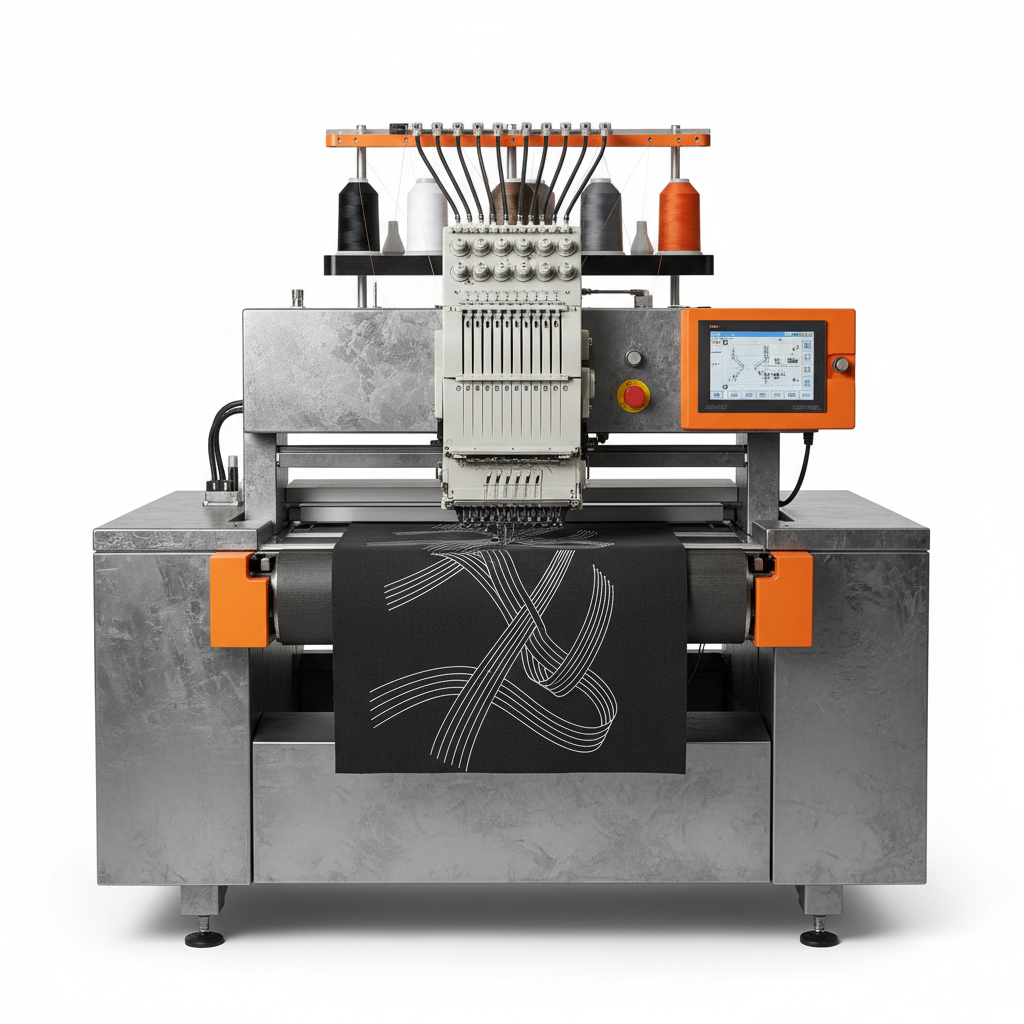
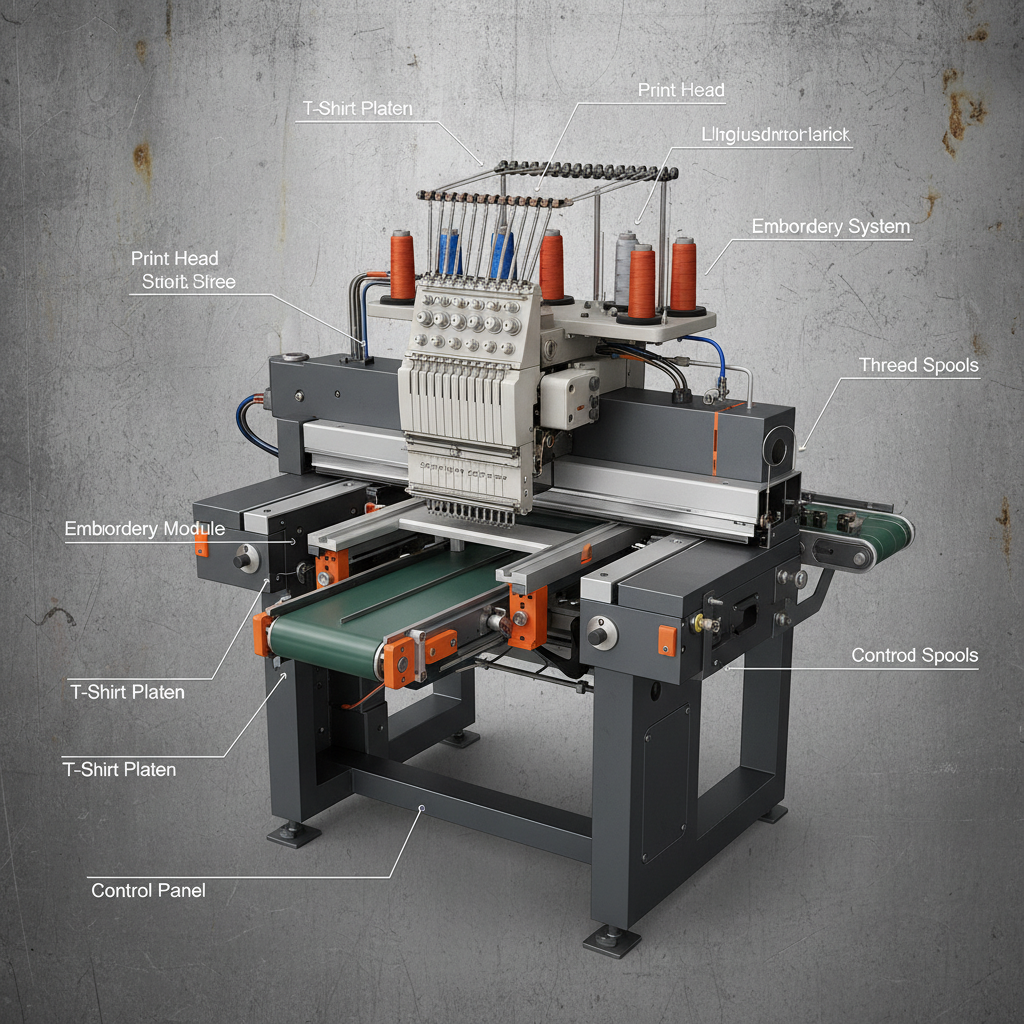
Look, I’ve been running around construction sites for fifteen years, dealing with dust, sweat, and more than my fair share of arguments with engineers. Lately, everyone's obsessed with this "smart" stuff, right? Automated everything. Multi head embroidery machines are getting a serious upgrade, that's for sure. It’s not just about slapping a touchscreen on something anymore; it’s about how it integrates with the whole workflow. To be honest, it’s a little tiring seeing companies reinvent the wheel when a good, solid machine that works is often enough.
But then you see what’s possible, and it gets you thinking. The big trend right now is definitely customization – not just designs, but the machines themselves. People want machines built for their specific needs, and that's where it gets tricky.
It's amazing how many people underestimate the sheer physical demands of this work. Designing something beautiful on a screen is one thing; building it so it can withstand daily abuse from a frustrated operator is another entirely.
The Current Landscape of Multi Head Embroidery Machine Technology
Have you noticed how everything is becoming more data-driven? It's the same with these multi head embroidery machines. It's not enough to just run; they're collecting data on stitch counts, thread usage, even operator habits. Which, frankly, some workers don't appreciate. But it means preventative maintenance is getting smarter – predicting failures before they happen.
That's the good part. The less good part is everyone's trying to pack more features in, which just adds complexity. Sometimes simple is better, you know? Especially when you’re dealing with guys who just want a machine that doesn’t break down every other day.
Common Design Pitfalls in Multi Head Embroidery Machine Manufacturing
Strangely, one of the biggest problems I see is insufficient attention to vibration. These things are shaking constantly, and if the frame isn’t built right, you’re going to have issues. You’ll get loose screws, misaligned heads... it’s a nightmare. I encountered this at a factory in Dongguan last time; they'd used these really lightweight aluminum extrusions to save money, and the whole machine was rattling itself apart within a month.
Another trap? Ignoring ergonomics. The operator spends hours hunched over this machine. If the controls aren’t intuitive, if the loading/unloading process is awkward, you're going to have tired, frustrated workers – and mistakes. And mistakes cost money.
And don't even get me started on thread tension sensors. Cheap ones are useless. They give you false readings, leading to inconsistent stitch quality and a whole lot of wasted thread.
Core Materials and Their Practical Implications
The steel is crucial, obviously. We’re talking high-carbon steel for the frame, properly heat-treated for strength and durability. You can feel the difference between good steel and cheap steel. The good stuff feels solid, weighty. The cheap stuff… well, it feels like it’ll bend if you look at it wrong.
Then there's the aluminum. High-quality aluminum alloys are good for the heads themselves, keeping them lightweight and responsive. But again, you need the right alloy and the right machining. Otherwise, it'll warp over time.
And the plastics? Don’t underestimate those. The quality of the polymer used for bushings and bearings can make or break the smoothness of the operation. I've smelled some seriously nasty off-gassing from cheap plastics, too. It’s not healthy for the workers. Anyway, I think material selection is the backbone of a reliable machine.
Real-World Testing and Validation Processes
Lab testing is fine, I guess. But honestly, it doesn’t tell you much. You need to put these machines through the wringer in a real-world environment. We run them 24/7 for weeks, pushing them to their limits. Different fabrics, different designs, different operators… everything.
One of the tests we do is the “dust test.” We intentionally expose the machine to a ton of dust – like, the kind you find in a textile factory – to see how well the seals hold up and how easily it can be cleaned. A lot of machines fail that test.
And we always do a “fatigue test.” We run the same simple design over and over and over again, thousands of times, to see if anything starts to loosen or crack. It’s boring, but it’s effective.
Multi Head Embroidery Machine Component Reliability Ratings
User Applications: Expectations vs. Reality
People often think they'll be churning out perfect designs right out of the box. That's rarely the case. There's a learning curve, and it takes time to master the software and get the machine dialed in. I think the biggest misconception is about speed. They see the marketing materials and think they can double their output overnight. It doesn’t happen like that.
What they actually use these machines for is surprisingly varied. It’s not always what we expect. A lot of them are doing small, custom runs – personalized gifts, team uniforms, that sort of thing. Some are even using them to create patches for motorcycle clubs. You’d be surprised.
Advantages, Disadvantages, and Customization Options
The biggest advantage, of course, is speed and efficiency. A good multi head machine can produce a lot of embroidered items quickly. It also opens up opportunities for more complex designs. But… they’re expensive. And they require skilled operators. And if one head goes down, it can disrupt the whole operation.
As for customization, we've done everything from changing the number of heads to adding specialized attachments for things like sequin embroidery. Last month, that small boss in Shenzhen who makes smart home devices insisted on changing the interface to , and the result was a three-week delay and a whole lot of cursing. But he was adamant; he wanted everything to be “future-proof.” Honestly, I don’t think it mattered to his workers.
We can also tweak the software to integrate with different design programs or accounting systems. Anything, really, if the customer is willing to pay for it.
A Case Study: Customization Challenges and Solutions
We had a client, a big sportswear manufacturer, who wanted a machine that could handle a wider range of fabrics – everything from delicate silks to heavy-duty canvas. That was a challenge. The standard thread tensioners just couldn’t cope with the varying thicknesses.
We ended up developing a custom tensioning system with adjustable pressure and a wider range of settings. It wasn’t cheap, and it took a lot of trial and error, but it solved the problem. The client was happy, and we learned a valuable lesson about the importance of versatility.
Later… forget it, I won't mention it. It involved a very demanding project manager and a questionable shipment of bearings.
Summary of Multi Head Embroidery Machine Performance Metrics
| Component |
Reliability (1-10) |
Maintenance Frequency |
Cost of Replacement |
| Embroidery Heads |
9 |
Monthly |
$500 - $1000 |
| Control System |
7 |
Quarterly |
$300 - $600 |
| Frame Structure |
8 |
Annual |
$800 - $1500 |
| Thread Delivery System |
6 |
Bi-Weekly |
$100 - $200 |
| Software Interface |
5 |
As Needed |
$200 - $400 |
| Power Supply |
7 |
Semi-Annual |
$400 - $700 |
FAQS
Honestly, it depends entirely on how well it’s maintained. A neglected machine might only last five years, but a well-cared-for one can easily go ten, even fifteen. Regular lubrication, cleaning, and timely replacement of worn parts are key. We’ve seen machines from the 90s still running strong, but they’ve been religiously serviced. It's like a car, really. Treat it right, and it’ll treat you right.
Thread breakage is the bane of every embroiderer's existence. Usually, it's a tension issue – either too tight or too loose. But it could also be the thread itself. Cheap thread is prone to breaking. Make sure you're using a good quality thread and that it’s compatible with the fabric you’re embroidering. Also, check the needle – a dull or damaged needle will shred the thread. And don't forget to clean the bobbin case regularly!
That depends on your production volume and the complexity of your designs. If you’re doing small, simple runs, a single-head machine might be sufficient. But if you’re handling large orders or intricate designs with multiple colors, you’ll need more heads. Consider your current workload and your anticipated growth. It's better to start with a few extra heads than to be constantly bottlenecked.
Energy consumption varies depending on the machine's size and features, but it's not insignificant. You're looking at anywhere from 1 to 3 kilowatts per hour, which can add up quickly. Consider investing in energy-efficient models and implementing practices like turning off the machine when it’s not in use. And, of course, factor those costs into your pricing.
Generally, yes, but it requires some adjustment. Metallic and glow-in-the-dark threads are often more delicate and require slower speeds and specialized needles. You may also need to adjust the thread tension and lubrication settings. Always test on a scrap piece of fabric before embroidering your final product. And be prepared for more frequent thread breaks.
Comprehensive training is absolutely essential. Operators need to understand the machine's mechanics, software, and troubleshooting procedures. A good training program should cover everything from basic operation to advanced techniques like digitizing and design editing. Don't skimp on training – it'll save you a lot of headaches down the road.
Conclusion
So, there you have it. Multi head embroidery machines are complex pieces of equipment, but they're also incredibly versatile and powerful. They've come a long way in recent years, with advancements in automation, customization, and data analytics. But at the end of the day, it’s still a machine, and it’s only as good as the person operating it.
Ultimately, whether this thing works or not, the worker will know the moment he tightens the screw. And if you’re looking for a reliable machine that can stand up to the rigors of a real-world production environment, check out our multi head embroidery machines at XTPFSM. We build them to last.