0%

Table of Contents

You know, lately everyone's talking about efficiency, right? And, well, with the price of everything going up… especially steel. Seems like everyone's scrambling for lighter, stronger materials. The big push now is automating more of the embroidery process, reducing manpower. To be honest, it’s a bit of a race against time, getting everything automated before labor costs completely eat into profits. It's all about getting more output with less input, and frankly, it's a headache sometimes.

But it’s not just about speed. People are also realizing that quality still matters. A cheap 6 head embroidery machine might churn out a lot of designs, but if the stitches are constantly breaking or the alignment is off…well, it's just a waste of time and material. I’ve seen it firsthand.

I’ve been seeing a lot of companies trying to streamline the whole design-to-production process. It’s good, but there are pitfalls. Have you noticed how often people overcomplicate things? They want all these fancy features and forget the basic principle: make it reliable and easy to use.
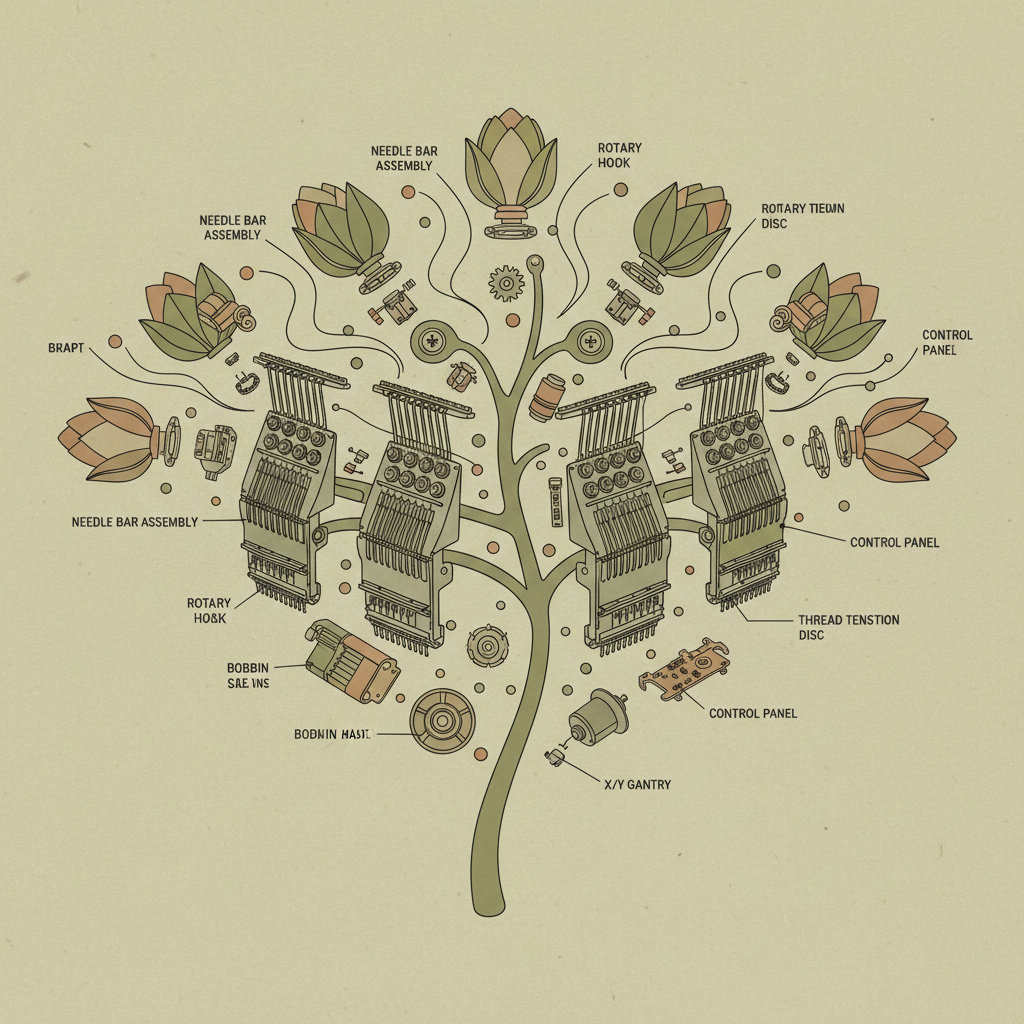
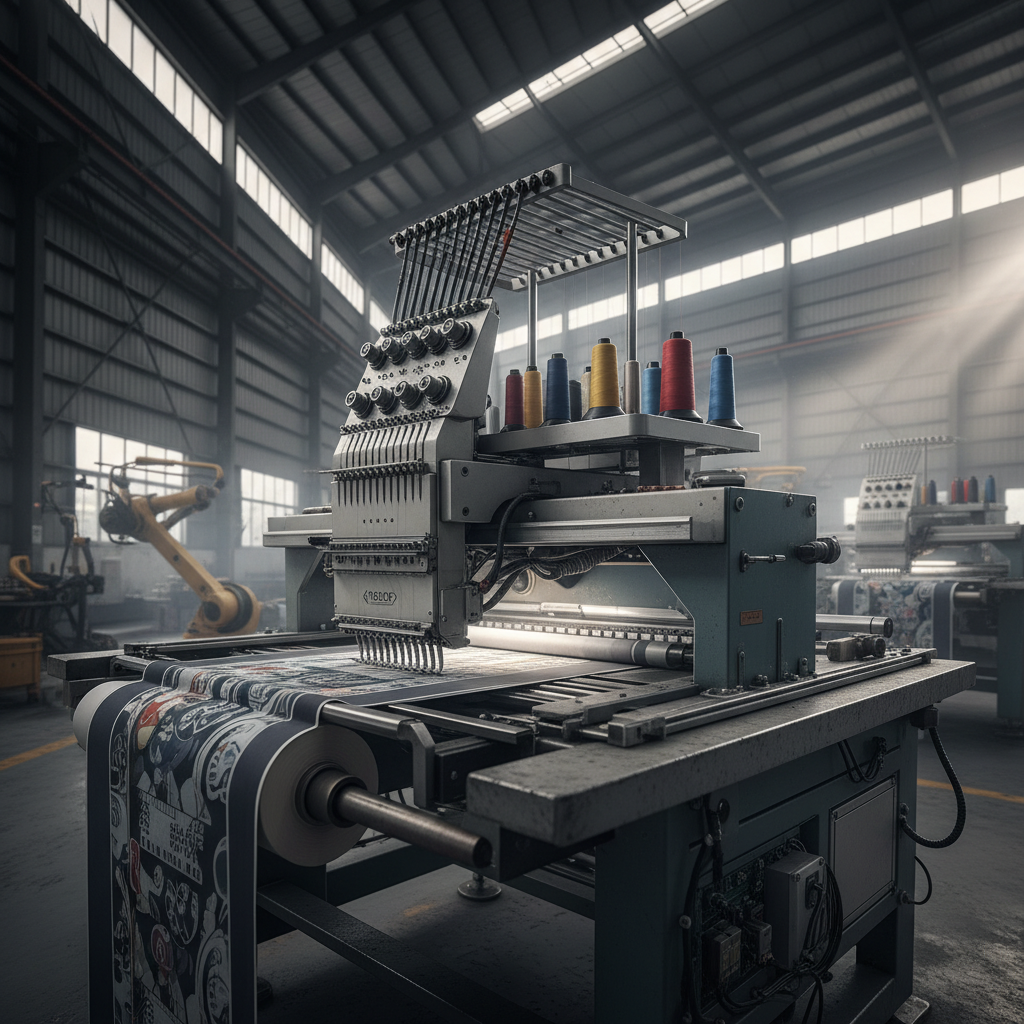
Optimizing Embroidery Production with a Reliable 6 Head Embroidery Machine

The Rise of Automation in 6 Head Embroidery Machine
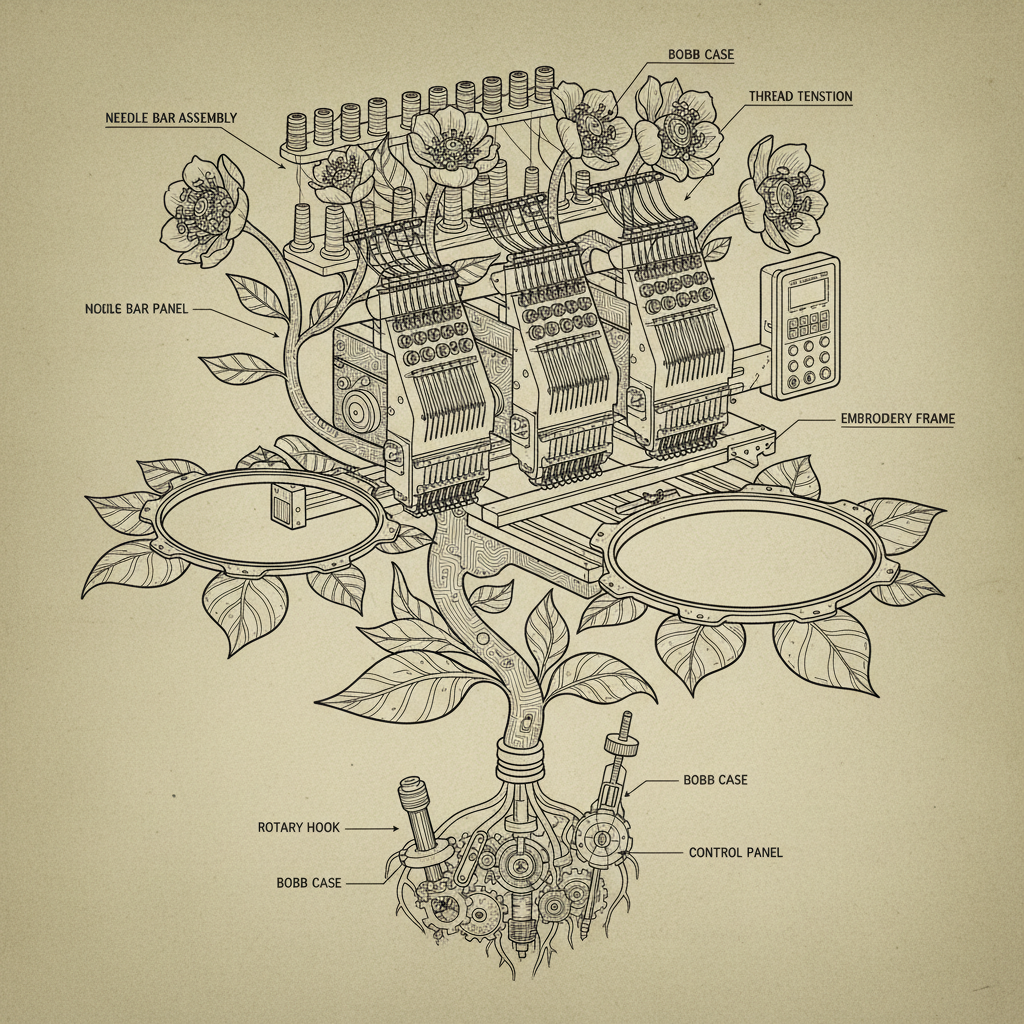
Optimizing Embroidery Production with a Reliable 6 Head Embroidery Machine

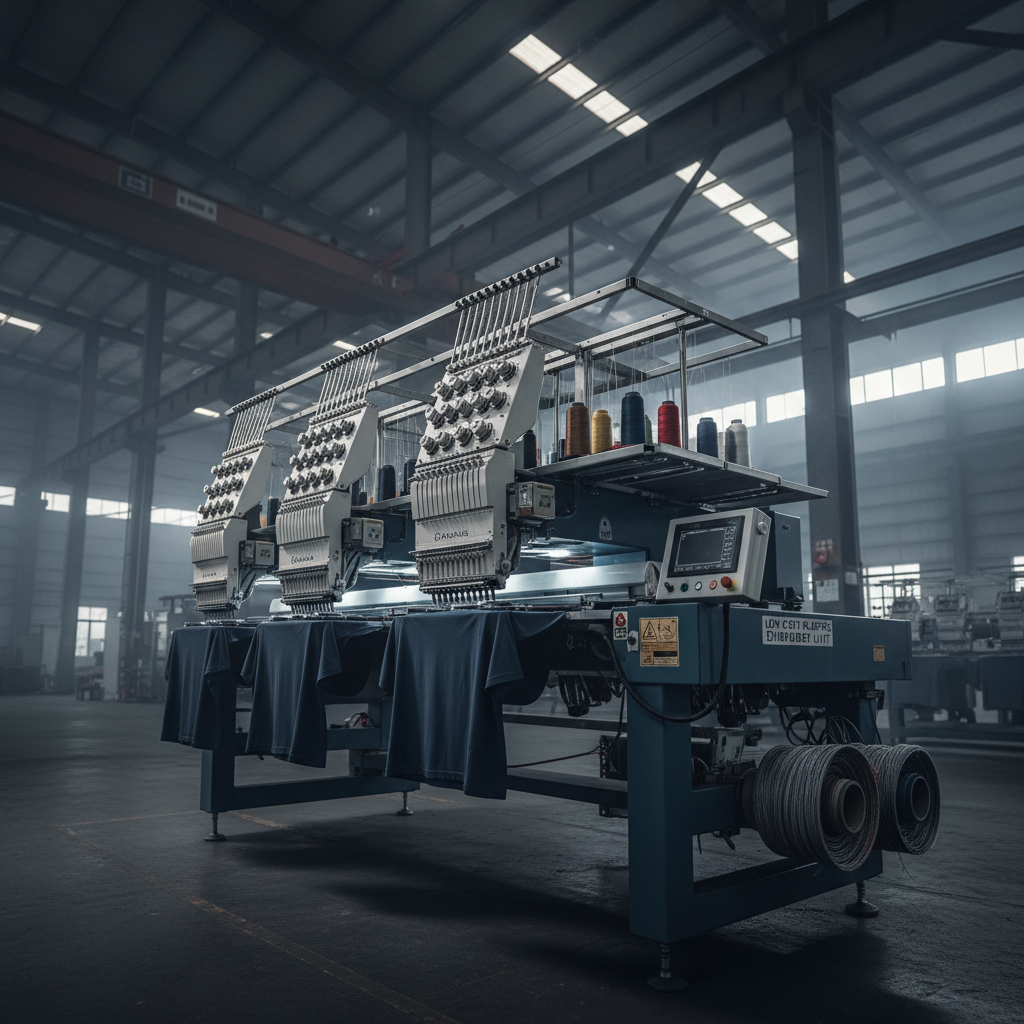
Strangely enough, everyone wants more heads, right? Six heads is the sweet spot for a lot of businesses – enough capacity to handle decent-sized orders without becoming a monster to manage. But the real game changer isn’t just how many heads, it's how smart those heads are. Automated thread trimming, automatic needle threading… those are the things that save you hours. And honestly, those hours add up to real money.

I encountered this at a factory in Dongguan last time. They were struggling to meet deadlines because of constant thread breaks and re-threading. They upgraded to a 6 head embroidery machine with automatic features, and suddenly everything smoothed out. It wasn't cheap, but the return on investment was pretty clear.

Design Pitfalls: Keeping it Simple with 6 Head Embroidery Machine

Now, a lot of these manufacturers want to pack in every bell and whistle they can think of. Fancy touchscreen interfaces, complicated design software integration… it sounds good on paper, but it often leads to headaches. People just want something that works. I saw a machine once with so many settings, it took a week just to train someone to operate it. And the software crashed constantly.

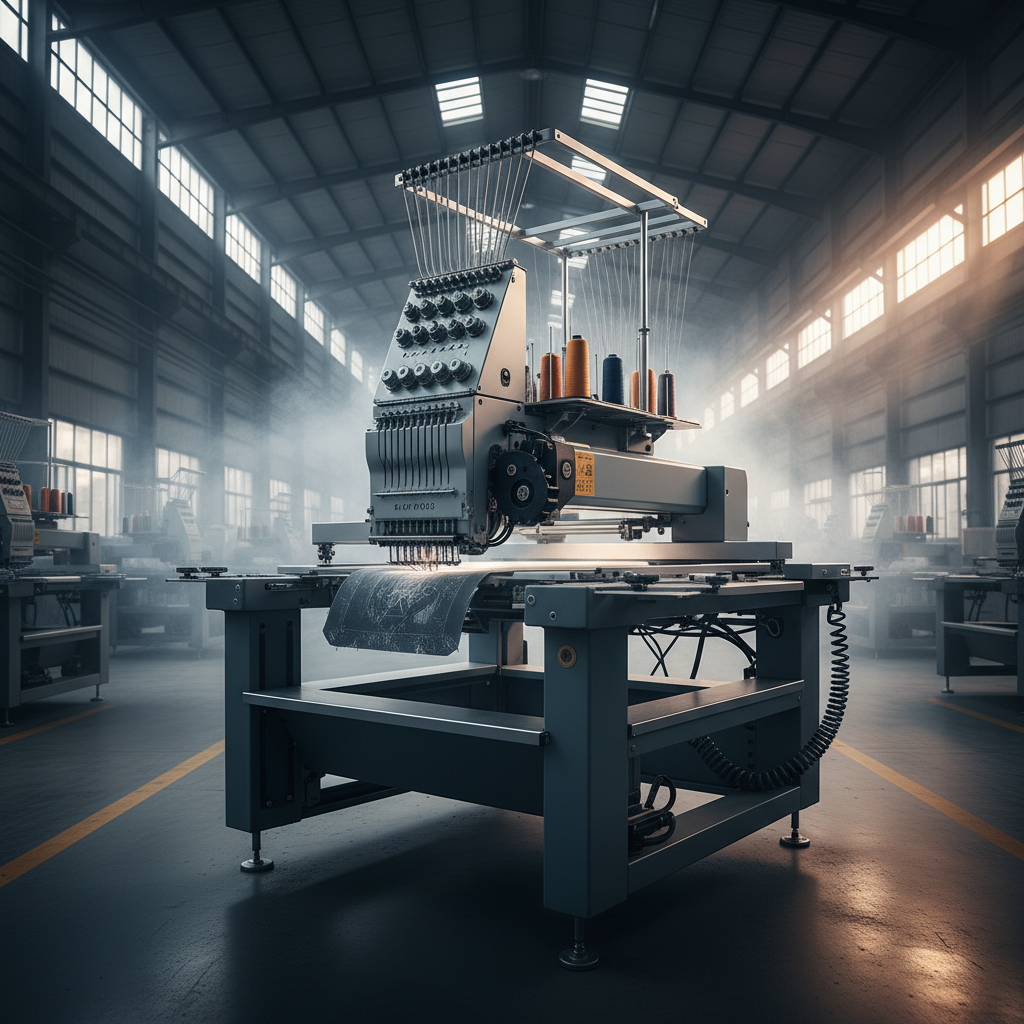
The best 6 head embroidery machine designs are the ones that are intuitive. Simple controls, clear displays, easy access to all the key components. Don’t get me wrong, advanced features are great, but they shouldn’t get in the way of the basic functionality. Keep it simple, stupid, as they say.

It's funny, designers always want to make things look sleek, but forget that a machine needs to be serviced. Can you easily change the bobbin? Can you get to the needles without dismantling half the machine? Those are the real questions.

Materials Matter: The Feel of a Good 6 Head Embroidery Machine

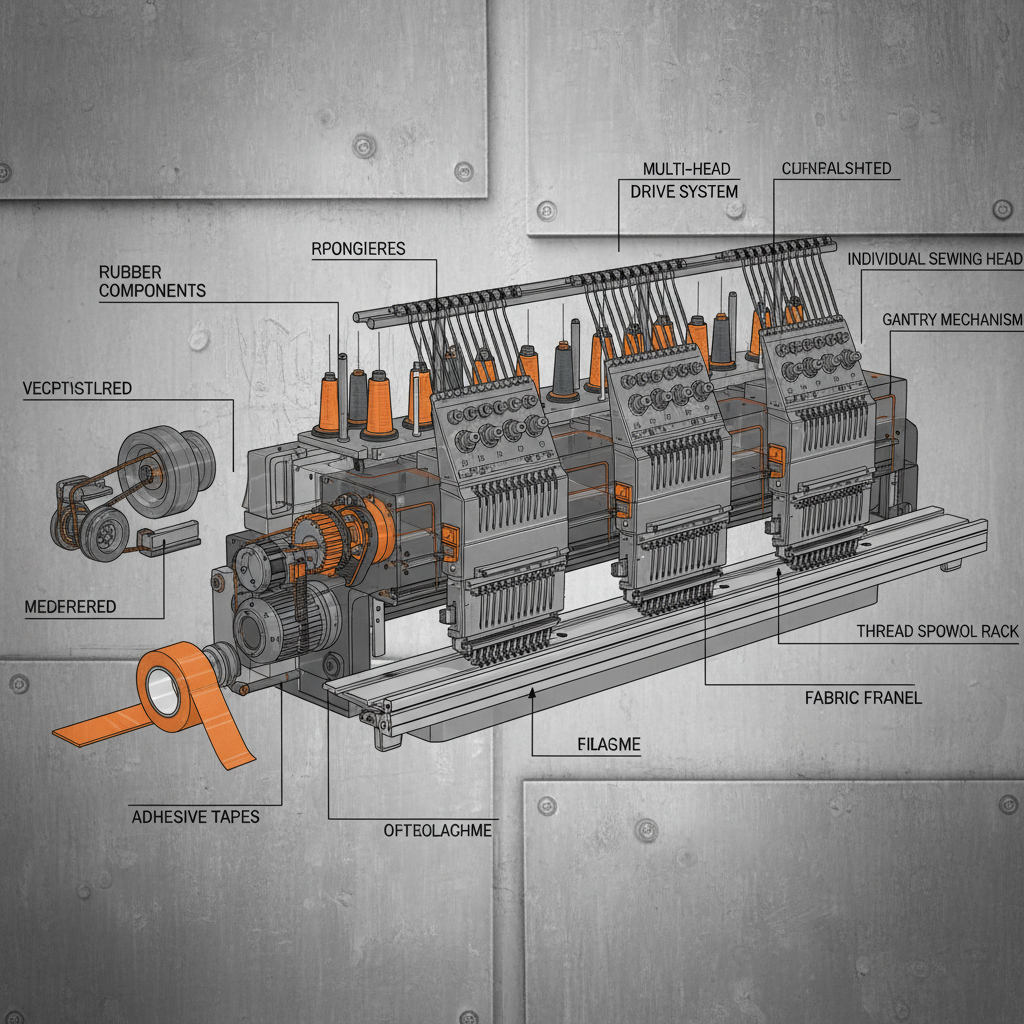
Let me tell you about the frame. It's gotta be solid. I’ve worked with machines built with flimsy steel, and they vibrate like crazy. It throws off the stitches, wears out the components faster, and just generally makes life miserable. You want something heavy-duty, something that can withstand constant use. The smell of a well-oiled, properly constructed machine is… comforting, you know? It means it’s built to last.

The thread guides – those are critical. They need to be smooth, polished, so the thread doesn't fray or break. I've seen some made with rough plastic that just shreds the thread. And the motors... you can tell a good motor by the sound. A smooth, consistent hum. A rattling, straining sound means trouble.

And don't even get me started on the hoops. They need to be tight, secure, and easy to adjust. A wobbly hoop ruins everything. The ones made with good quality aluminum are the best, in my opinion. They hold their shape and don’t warp over time.

Real-World Testing of 6 Head Embroidery Machine

Forget the lab tests. I’m talking about putting these machines through real abuse. We run them 12 hours a day, 7 days a week, with different types of fabric, different thread weights, different designs. That’s how you find out what’s really going to break.

We test for stitch accuracy, color consistency, thread tension… all the things that matter to the end user. But we also test for durability. Can it handle heavy fabrics like denim? Can it embroider delicate materials like silk without damaging them? Can it withstand the heat and humidity of a typical factory environment?

6 Head Embroidery Machine Performance Metrics


User Habits: How People Actually Use 6 Head Embroidery Machine

This is where it gets interesting. You think people will use all the fancy features you built in, but they usually don't. Most of the time, they stick to the basic stitch patterns and color combinations. They just want something that's fast, reliable, and easy to use. It’s surprising how often people ignore the manual.

What I've noticed is that a lot of users will modify the machine over time. They’ll add their own jigs and fixtures, replace the needles with different sizes, tweak the thread tension… They customize it to fit their specific needs. You gotta design for that, make it easy for them to make those modifications.

The Advantages (and Disadvantages) of a 6 Head Embroidery Machine

The biggest advantage? Obviously, increased production capacity. You can run multiple designs simultaneously, which saves a ton of time. And with six heads, you can handle larger orders without having to constantly switch machines.

But there are downsides. They're more expensive, for one thing. And they take up a lot of space. And if one head breaks down, it can disrupt the entire operation. Plus, training operators takes longer. Anyway, I think finding the right balance is key.

You also need to consider maintenance. A 6 head embroidery machine needs regular cleaning, lubrication, and parts replacement. Ignoring maintenance will lead to breakdowns and costly repairs.

Customization and Real-World Stories with 6 Head Embroidery Machine

People always want something different, right? A specific thread color, a custom stitch pattern, a different hoop size… That’s why customization is so important. We had a customer last month, a small boss in Shenzhen who makes smart home devices, insisted on changing the interface to . Said he wanted everything standardized. The result was a week-long delay, because the existing software wasn't compatible. Later… forget it, I won’t mention it.

But we can usually accommodate those requests. We have a team of engineers who can modify the machine to meet specific needs. We can even create custom designs and stitch patterns. It's not always easy, but it’s worth it to keep the customer happy.

We also offer training and support. We want our customers to be successful with our machines. If they're struggling with something, we're there to help.

Summary of Key 6 Head Embroidery Machine Characteristics

Feature Importance Maintenance Level Customization Potential
Automated Thread Trimming High (8/10) Low Medium
Frame Stability Very High (10/10) Medium Low
Software Interface Medium (6/10) High High
Motor Reliability Very High (9/10) Medium Low
Hoop Security High (7/10) Low Medium
Color Accuracy Medium (7/10) Low Medium

FAQS

What's the typical lead time for a 6 head embroidery machine order?

Lead times vary depending on the complexity of the machine and current production schedules, but generally, you’re looking at around 6-8 weeks. Sometimes it’s faster, sometimes it’s longer, depending on component availability. A lot of suppliers are still dealing with supply chain issues, so it's best to order well in advance if you have a specific deadline. We try to be upfront about that.

How often do I need to perform routine maintenance on a 6 head machine?

Routine maintenance is key. I recommend daily cleaning – removing thread scraps, wiping down the machine – and a more thorough service every month. That includes lubricating all the moving parts, checking the thread tension, and inspecting the needles. Neglecting maintenance will lead to problems down the road, trust me. It's cheaper to prevent issues than to fix them.

What type of fabrics can a 6 head embroidery machine handle?

Most 6 head machines can handle a wide range of fabrics, from lightweight silks to heavier denims. However, the type of needle and thread you use is crucial. For delicate fabrics, you'll need finer needles and thinner thread. For heavier fabrics, you'll need stronger needles and thicker thread. Experimentation is key, but always start with a test piece.

What kind of training is provided with the purchase of a machine?

We offer comprehensive training for our customers. We can provide on-site training, or we can conduct training remotely via video conferencing. We cover everything from basic operation to advanced troubleshooting. We also provide detailed manuals and support resources. Our goal is to ensure that our customers are comfortable and confident using our machines.

What if I need spare parts for my 6 head embroidery machine?

We maintain a large inventory of spare parts. You can order parts directly from us, and we can ship them to you quickly. We also have a network of authorized service centers that can provide repairs and maintenance. Always use genuine parts, though. Aftermarket parts are often cheaper, but they're usually lower quality and can cause problems.

What’s the biggest mistake people make when buying a 6 head machine?

Thinking only about price. It's tempting to go with the cheapest option, but you'll end up paying more in the long run. A cheap machine will likely break down more often, require more maintenance, and produce lower-quality results. Focus on reliability, build quality, and support, not just the sticker price. Seriously.

Conclusion

Ultimately, a 6 head embroidery machine is a significant investment, but one that can pay off handsomely if you choose wisely. It’s about balancing automation with reliability, simplicity with functionality, and cost with long-term value. It’s not about fancy features; it’s about getting the job done efficiently and consistently.

And here's the thing: whether this thing works or not, the worker will know the moment he tightens the screw. That’s all that really matters. If it feels solid, runs smooth, and produces good results, then it’s a good machine. Check out our website at www.xtpfsm.com to learn more and see how we can help you find the perfect 6 head embroidery machine for your needs.

Robert Johnson

Robert Johnson

Robert Johnson is the North American Sales Manager for Xingtai Pufa Trading Co., Ltd. Robert has a proven track record of success in building strong relationships with clients in the embroidery, hat, and leather goods industries. He possesses a deep understanding of the market and consistently exceeds sales targets. Prior
Previous Advancements in Multi Head Embroidery Machine Technology and Practical Considerations
Next Exploring the Landscape of Modern 4 Head Embroidery Machine Technology