The world of textile production is constantly evolving, with the demand for personalized and efficient solutions growing exponentially. At the heart of this transformation lies the embroidery machine 1 head, a cornerstone of modern embroidery. This single-head machine isn’t simply a tool; it’s a gateway to creativity, small-business empowerment, and bespoke design. Understanding its capabilities, applications, and future potential is crucial for anyone involved in the apparel, promotional products, or craft industries.
Globally, the embroidery market is a multi-billion dollar industry, projected to continue its upward trajectory. According to industry reports, the demand for customized apparel and textiles is driven by changing consumer preferences and the rise of personalized branding. The embroidery machine 1 head plays a pivotal role in meeting this demand, providing accessible and cost-effective solutions for businesses of all sizes. It addresses the challenge of providing high-quality embroidery without the significant capital investment required for multi-head machines.
However, the industry faces challenges like keeping pace with technological advancements, maintaining sustainable practices, and navigating supply chain disruptions. The embroidery machine 1 head, through its adaptability and efficiency, offers a pathway to overcome these hurdles, enabling businesses to thrive in a competitive landscape.
Defining the Embroidery Machine 1 Head
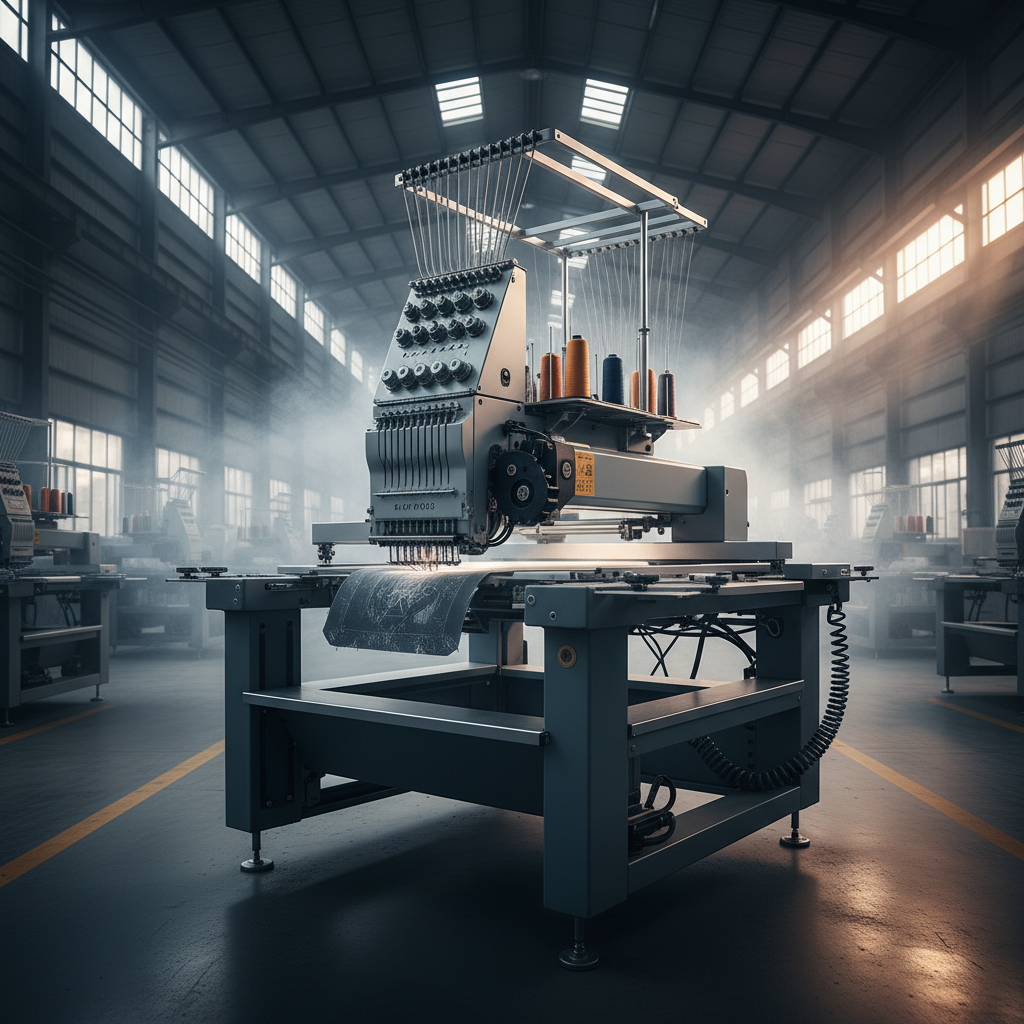
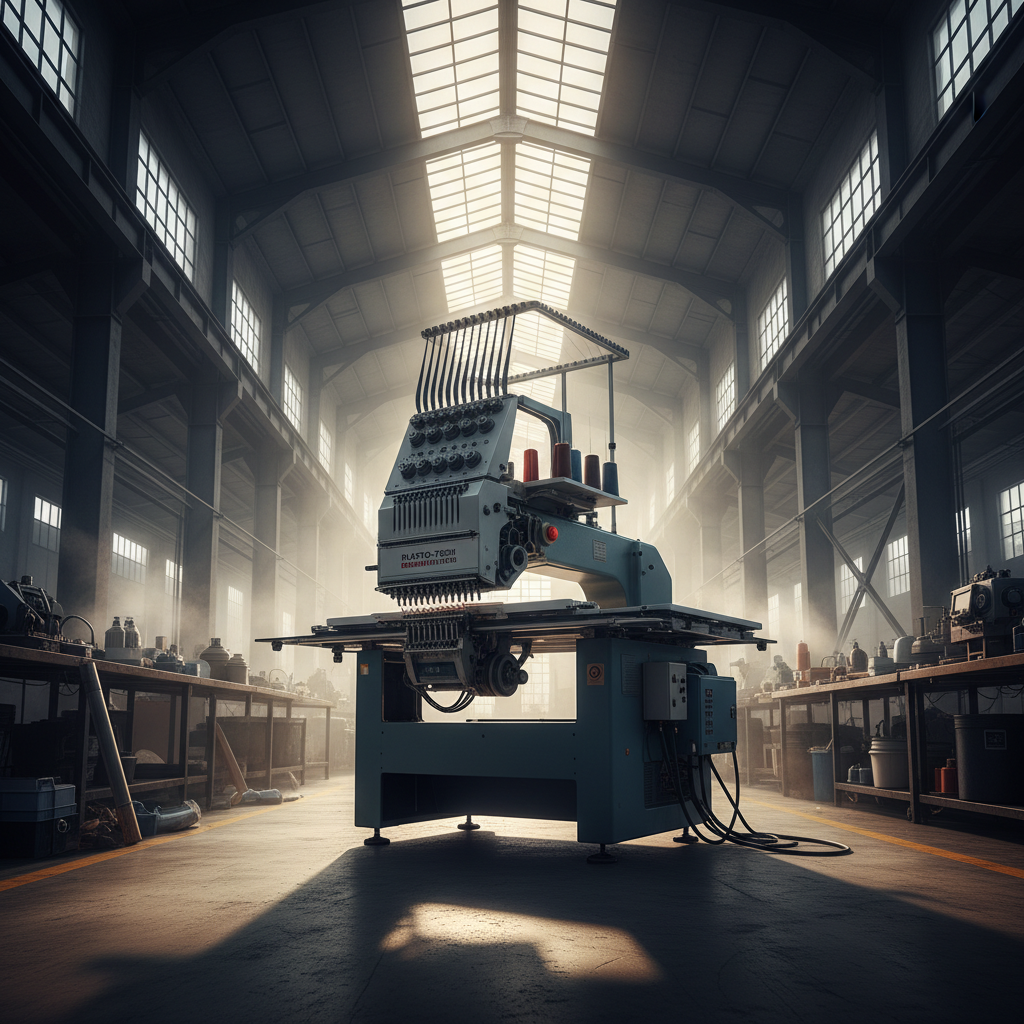
An embroidery machine 1 head, as the name suggests, is an embroidery machine equipped with a single needle and hoop. This configuration distinguishes it from multi-head machines capable of simultaneous embroidery on multiple items. It’s designed for smaller production runs, custom projects, and businesses that prioritize flexibility over sheer volume. It's the ideal starting point for entrepreneurs entering the embroidery world.
The relevance of this technology extends beyond simple garment decoration. It’s increasingly integrated into fields like personalized gift creation, promotional merchandise, uniform customization, and even artistic textile expression. Its accessibility makes it a vital tool for fostering creativity and empowering small-scale manufacturing, contributing to economic growth and localized production capabilities.
Global Relevance and Industry Impact
The global textile industry, heavily reliant on embroidery for value addition, is a significant contributor to international trade. The embroidery machine 1 head plays a critical role in democratizing access to this market, particularly for small and medium-sized enterprises (SMEs) in developing nations. These machines empower local businesses to compete effectively with larger players by offering customized products tailored to specific market niches.
Data from the World Trade Organization (WTO) indicates a steady increase in trade of apparel and textiles, with customized items showing the strongest growth. This trend directly benefits manufacturers equipped with embroidery machine 1 head units. They can respond rapidly to evolving consumer preferences and demand for unique designs.
The increasing demand for sustainable and ethical production practices is also driving the adoption of single-head embroidery machines. Their smaller footprint and lower energy consumption align with environmentally conscious business models. This allows businesses to cater to a growing consumer base that prioritizes responsible sourcing and production.
Core Components and Functionality
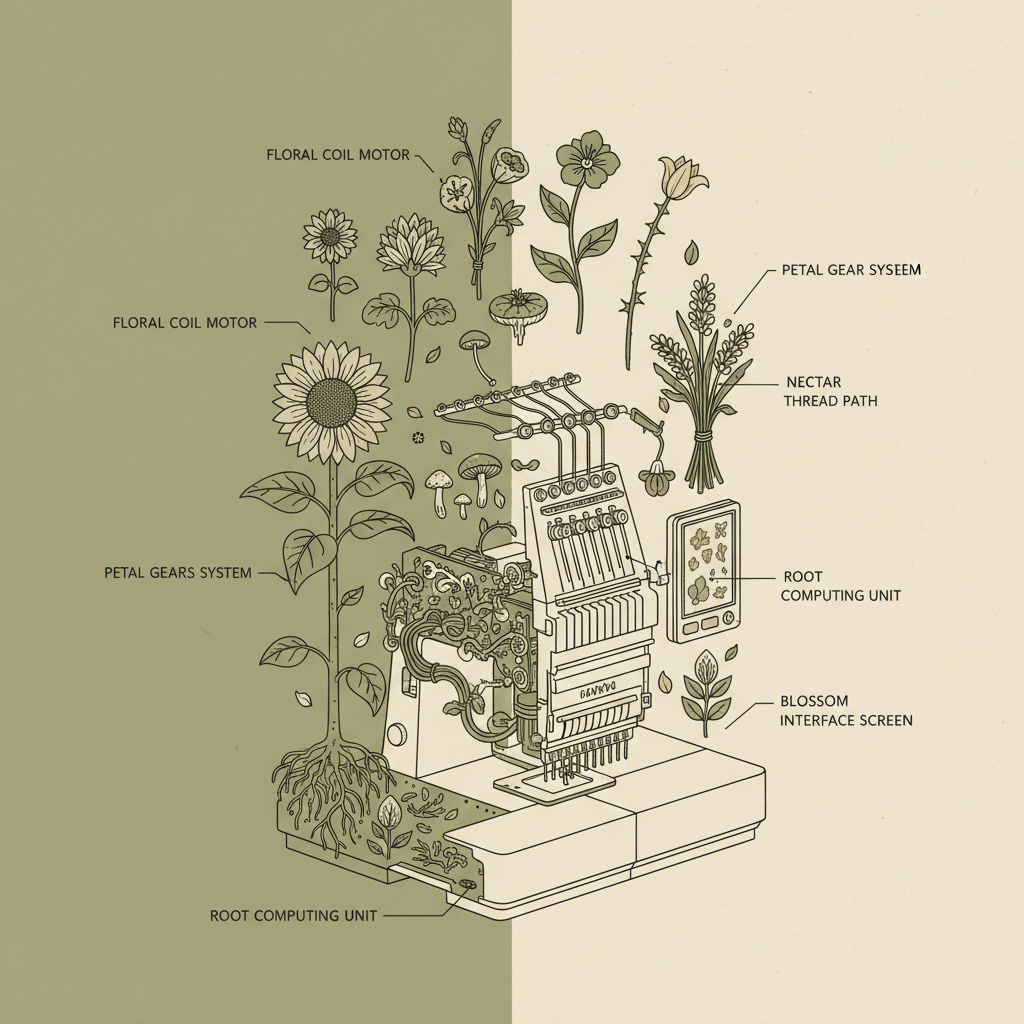
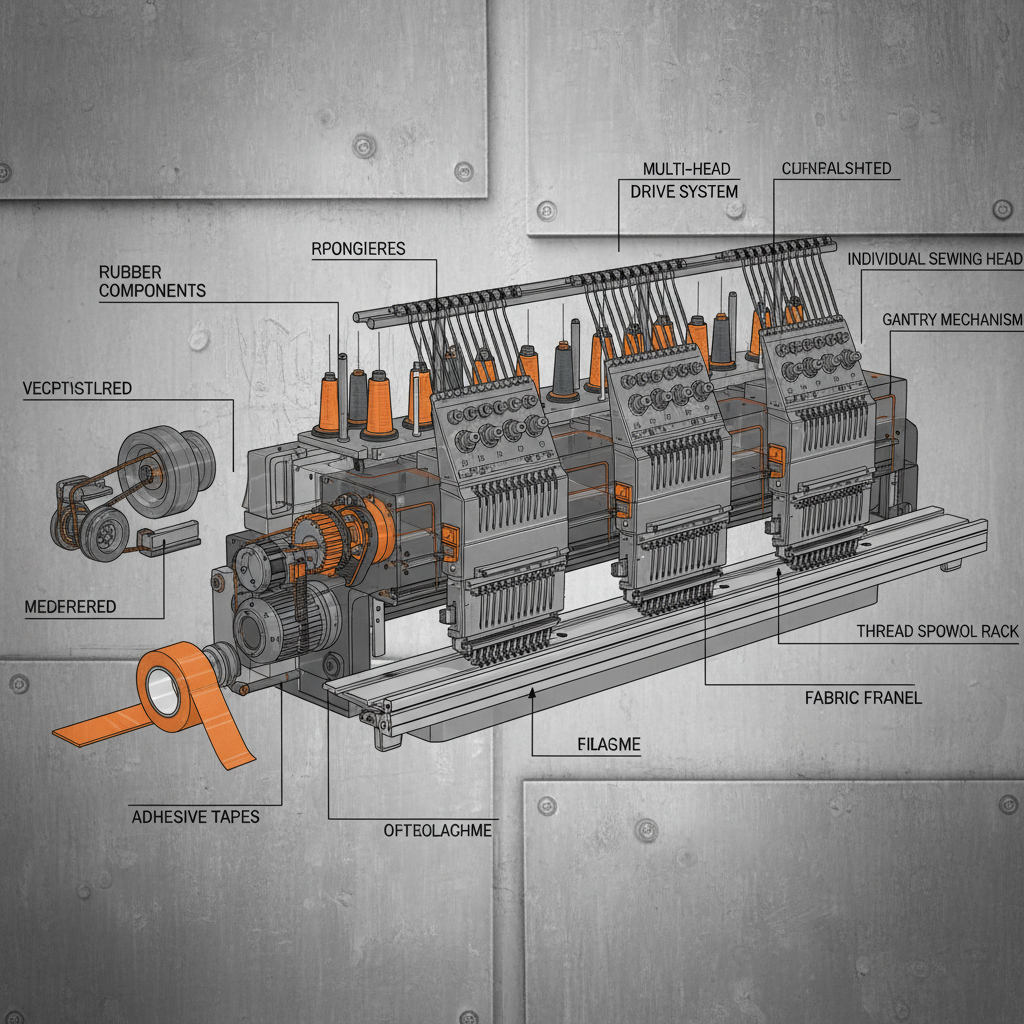
At its core, the embroidery machine 1 head consists of several key components. These include the embroidery head itself (containing the needle, thread tensioner, and presser foot), a control panel for programming designs, a hoop frame to secure the fabric, and a drive system that moves the fabric under the needle. Modern machines often incorporate user-friendly software for design editing and transfer.
Functionally, the machine operates by translating digital embroidery designs into stitched patterns. The user loads the design into the machine’s software, specifies fabric type and thread colors, and then the machine automatically follows the programmed path, creating the desired embroidery. The precision of these machines ensures consistent and high-quality results.
Crucially, modern embroidery machine 1 head units incorporate features like automatic thread trimming, needle threading, and error detection to streamline the embroidery process and minimize downtime. These advancements enhance productivity and reduce the skill level required to operate the machine effectively.
Key Factors: Performance and Reliability
Durability and reliability are paramount when considering an embroidery machine 1 head. A robust frame, high-quality components, and a well-engineered drive system contribute to the machine's longevity and ability to withstand continuous operation. Regular maintenance, including lubrication and cleaning, is essential for preserving performance.
Furthermore, ease of use is a critical factor. Intuitive control panels, user-friendly software, and readily available support documentation empower operators to learn and master the machine quickly. This translates to increased productivity and reduced training costs.
Performance Metrics for Embroidery Machine 1 Head
Applications Across Diverse Industries
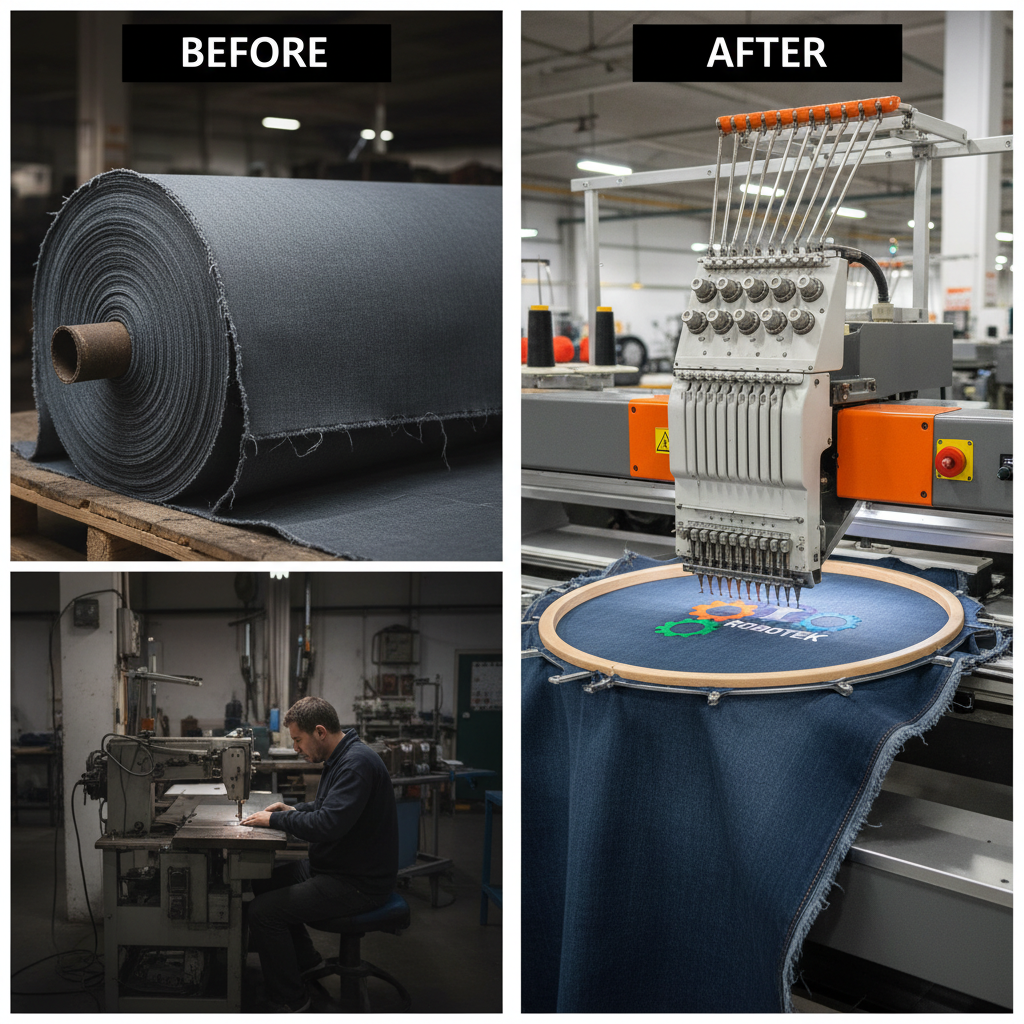
The versatility of the embroidery machine 1 head lends itself to a wide range of applications. In the apparel industry, it's used for customizing t-shirts, caps, jackets, and other garments with logos, designs, and monograms. Promotional product companies rely on these machines to create branded merchandise for marketing campaigns.
Beyond apparel, embroidery machine 1 head units are utilized in the home decor sector for embellishing towels, curtains, and upholstery. They’re also finding increased use in the creation of personalized gifts, such as embroidered blankets, pillows, and baby items. The possibilities are limited only by creativity.
Advantages and Long-Term Value Proposition
One of the most significant advantages of an embroidery machine 1 head is its cost-effectiveness. Compared to multi-head machines, they require a significantly lower initial investment, making them accessible to startups and small businesses. This lower cost is complemented by relatively low operating and maintenance expenses.
The flexibility to handle diverse projects, from small custom orders to larger production runs, is another key benefit. This adaptability allows businesses to cater to a broader range of customers and market segments. Furthermore, the ability to personalize products adds value and fosters customer loyalty, enhancing brand reputation.
From a sustainability standpoint, smaller machines often have a lower environmental impact due to reduced energy consumption and waste. Investing in an embroidery machine 1 head offers a financially sound and environmentally responsible solution for businesses seeking to thrive in today’s competitive landscape.
Future Trends and Technological Innovations
The future of embroidery machine 1 head technology is poised for exciting advancements. Integration with artificial intelligence (AI) will likely lead to automated design creation, optimized stitching patterns, and predictive maintenance capabilities. This means enhanced efficiency and reduced downtime.
We can also anticipate increased connectivity through the Internet of Things (IoT), enabling remote monitoring, control, and data analysis. This will allow businesses to track production metrics, identify areas for improvement, and optimize their workflows. Moreover, advancements in materials science could lead to the development of new and innovative embroidery threads with enhanced durability, vibrancy, and sustainability.
Finally, expect to see greater emphasis on user-friendly interfaces and intuitive software, making embroidery machine 1 head operation accessible to a wider range of users, regardless of their technical expertise.
Key Performance Indicators for Embroidery Machine 1 Head Maintenance
| Maintenance Task |
Frequency |
Estimated Time (Minutes) |
Impact on Performance (1-10) |
| Needle Replacement |
Every 8 hours of operation |
5 |
9 |
| Bobbin Cleaning |
Daily |
3 |
8 |
| Machine Lubrication |
Monthly |
15 |
7 |
| Hoop Cleaning |
After each project |
2 |
6 |
| Drive Belt Inspection |
Quarterly |
10 |
8 |
| Software Updates |
As available |
20 |
5 |
FAQS
The key distinction lies in productivity. Multi-head machines embroider multiple designs simultaneously, making them ideal for large production runs. A embroidery machine 1 head focuses on quality and flexibility for smaller batches or personalized projects. Single-head machines are also more affordable and easier to learn. They are excellent for starting businesses or handling customized orders. The choice depends on your production volume and business model.
Most embroidery machine 1 head units can handle a wide range of fabrics, including cotton, polyester, denim, felt, and blends. However, the appropriate stabilizer and needle type are crucial for optimal results. Delicate fabrics like silk or chiffon may require special techniques and stabilizers. It's always recommended to test a small sample before embroidering on a large scale.
Many embroidery software programs are compatible, including popular options like Wilcom EmbroideryStudio, PE-Design, and Embrilliance. The specific compatibility depends on the machine's make and model. These software packages allow you to create, edit, and convert designs into a format readable by the embroidery machine. Some machines also come with their own proprietary software.
Regular maintenance is essential for longevity. This includes cleaning the bobbin area, lubricating moving parts, replacing needles, and keeping the machine dust-free. Following the manufacturer’s recommended maintenance schedule will prevent breakdowns and ensure optimal performance. Routine maintenance typically takes 15-30 minutes per week.
The learning curve varies depending on prior experience. However, most users can learn the basics of operation within a few days with proper training. Mastering design creation and advanced features may take longer. Numerous online resources, tutorials, and workshops are available to help you gain proficiency. The user-friendliness of the latest embroidery machine 1 head models significantly reduces the learning time.
With regular maintenance and proper care, a quality embroidery machine 1 head can last for 10-15 years or even longer. The lifespan depends on the frequency of use, the complexity of the designs being embroidered, and the quality of the machine's components. Investing in a reputable brand and adhering to the maintenance schedule is key to maximizing its lifespan.
Conclusion
In conclusion, the embroidery machine 1 head stands as a vital tool for businesses and individuals seeking to unlock the creative potential of personalized textile design. Its accessibility, versatility, and cost-effectiveness make it an ideal solution for a wide range of applications, from small-scale customization to larger production runs. By understanding its core components, advantages, and future trends, you can harness its power to drive innovation and achieve sustainable growth.
As technology continues to evolve, we can expect even more sophisticated and user-friendly embroidery machine 1 head models to emerge. Embracing these advancements and prioritizing regular maintenance will ensure you remain competitive in a dynamic market. Visit our website at www.xtpfsm.com to explore our range of machines and discover how we can help you bring your embroidery visions to life.