0%

Table of Contents

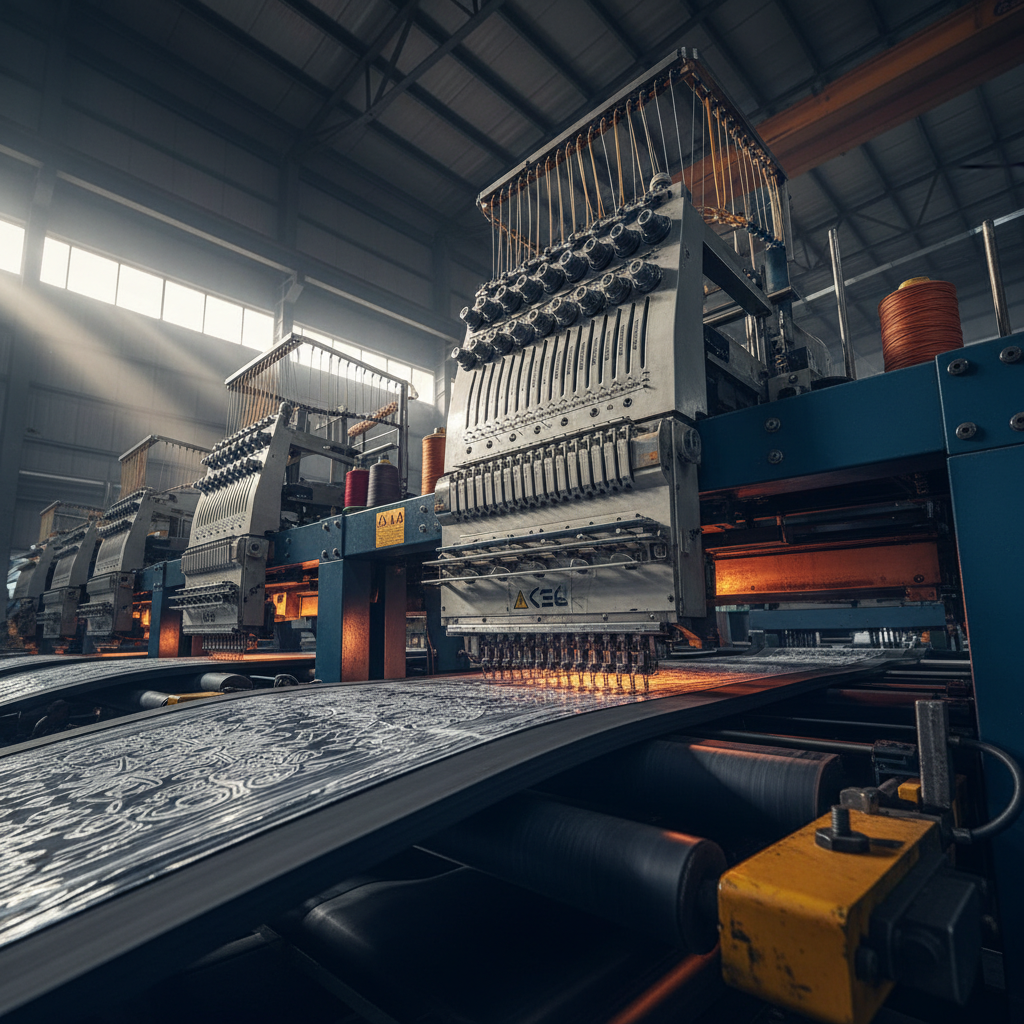
The world of embroidery has undergone a significant transformation with the advent of small embroidery machines. These compact, versatile devices are revolutionizing the way individuals and businesses approach personalized design and textile artistry. From hobbyists seeking creative outlets to small-scale entrepreneurs building their brands, the accessibility and affordability of a small embroidery machine are empowering a new wave of makers. Their increasing sophistication, coupled with user-friendly interfaces, is driving a global surge in demand, impacting industries ranging from fashion and apparel to promotional products and home décor.

The relevance of small embroidery machines extends beyond mere aesthetics. They represent a democratization of manufacturing, allowing for localized production, reduced supply chain dependencies, and greater design control. In a world increasingly focused on personalization and sustainability, these machines offer a compelling solution for creating unique, high-quality goods with minimal environmental impact. Understanding their capabilities, applications, and future trends is crucial for anyone involved in design, manufacturing, or retail.

This surge in popularity is also driven by the growth of the 'maker' movement and the increasing demand for customized products. Small embroidery machines cater to this demand perfectly, offering a cost-effective and efficient way to create personalized gifts, branded merchandise, and unique apparel. The ability to quickly prototype designs and offer on-demand customization gives businesses a significant competitive advantage in today's fast-paced market.
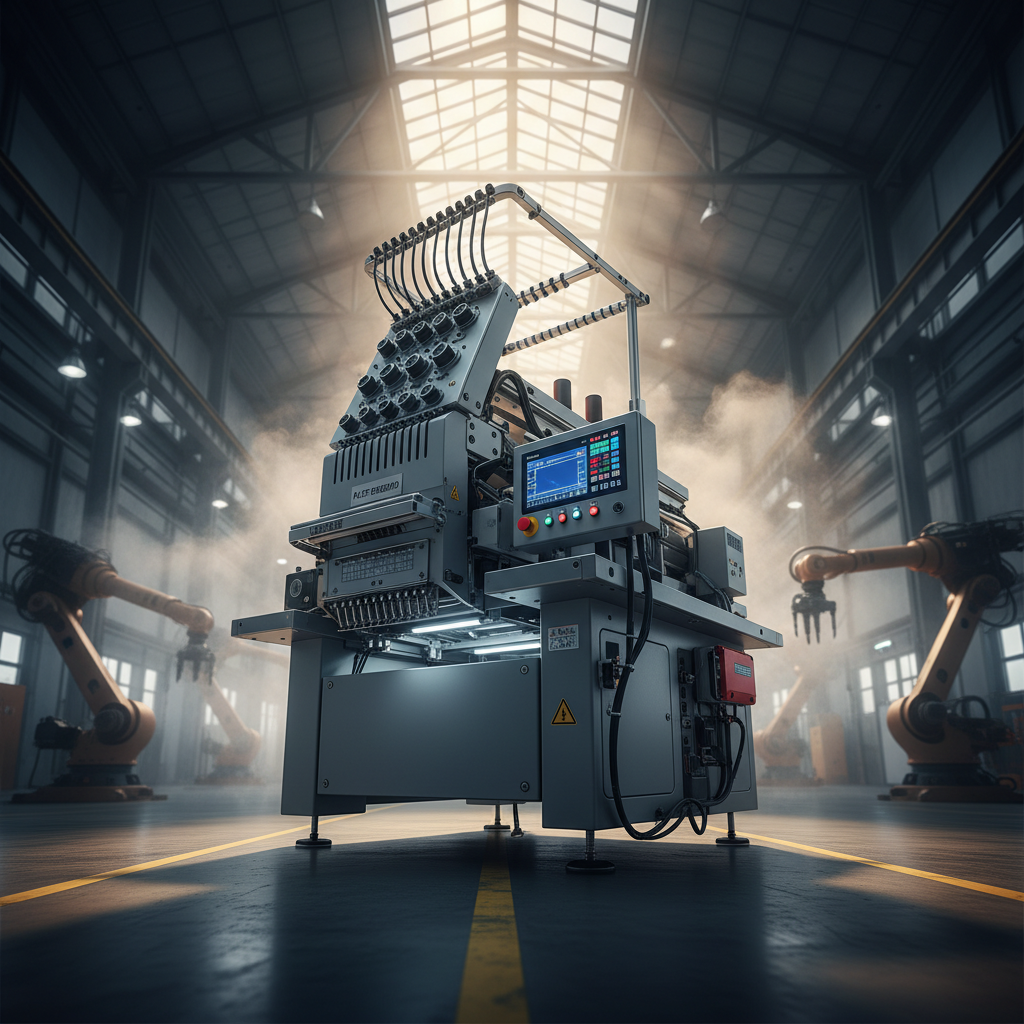
Revolutionizing Textile Art with the Versatile small embroidery machine

The Core Concepts of a small embroidery machine
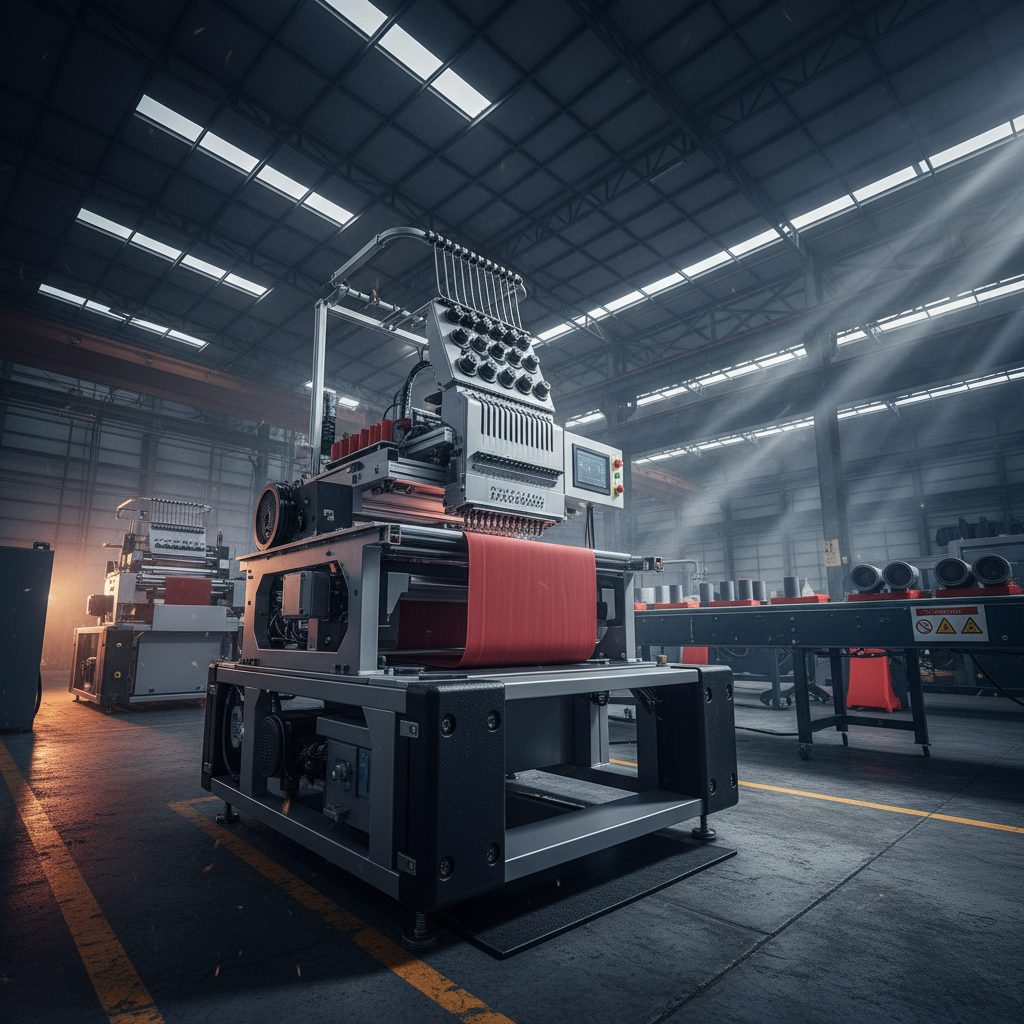
Revolutionizing Textile Art with the Versatile small embroidery machine

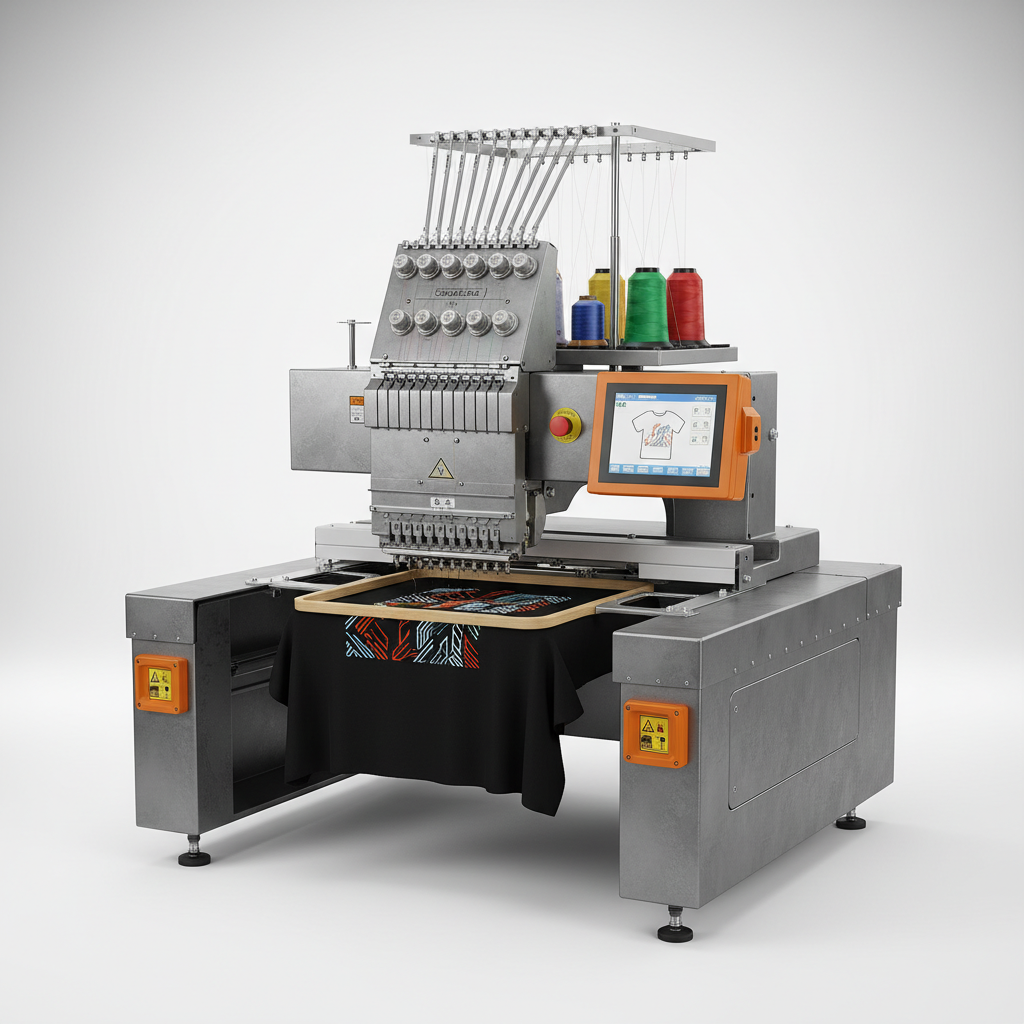
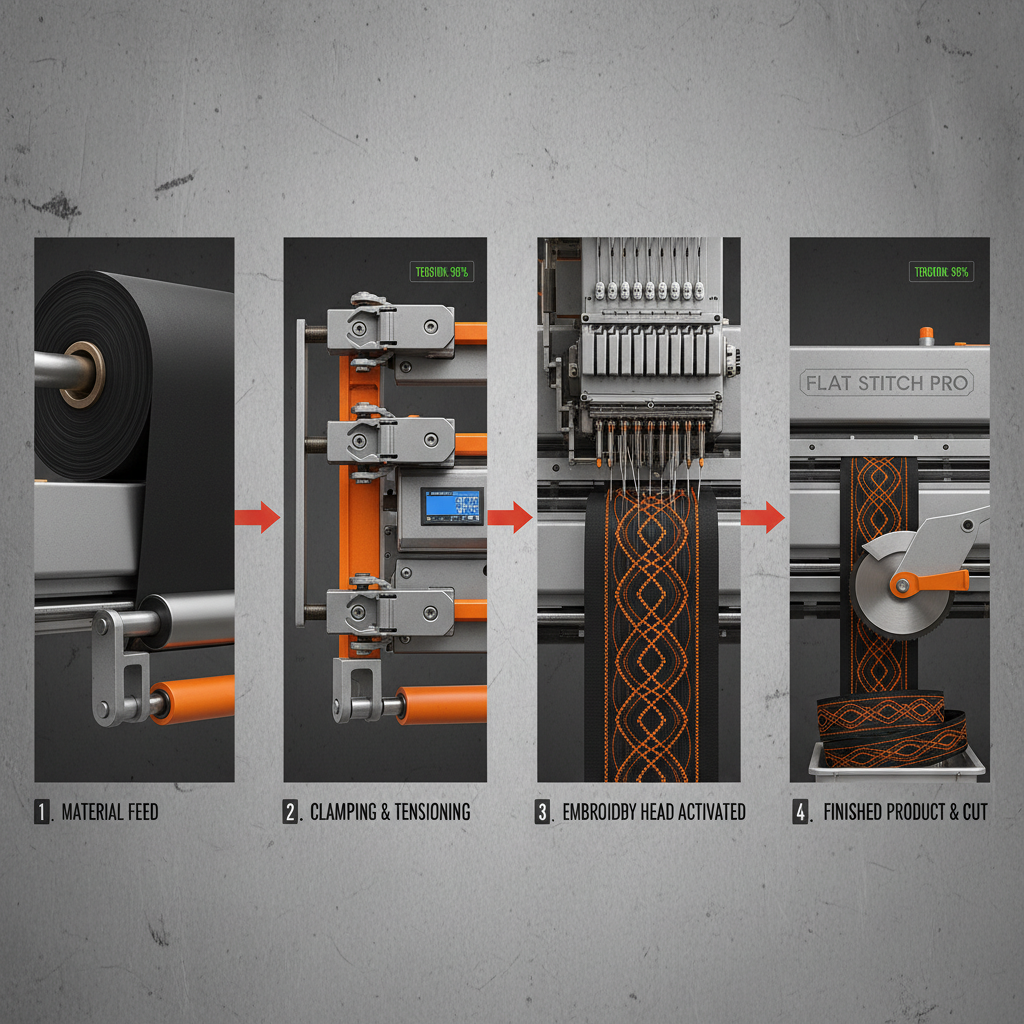
At its heart, a small embroidery machine is a computerized sewing machine designed to create intricate designs and patterns on fabric. Unlike traditional sewing machines, which primarily focus on joining fabrics, embroidery machines specialize in stitching decorative elements. This is achieved through the use of digitized designs, which are translated into a series of precise movements by the machine's robotic arm and needle. The compact size of these machines doesn't compromise their ability to produce professional-quality embroidery.

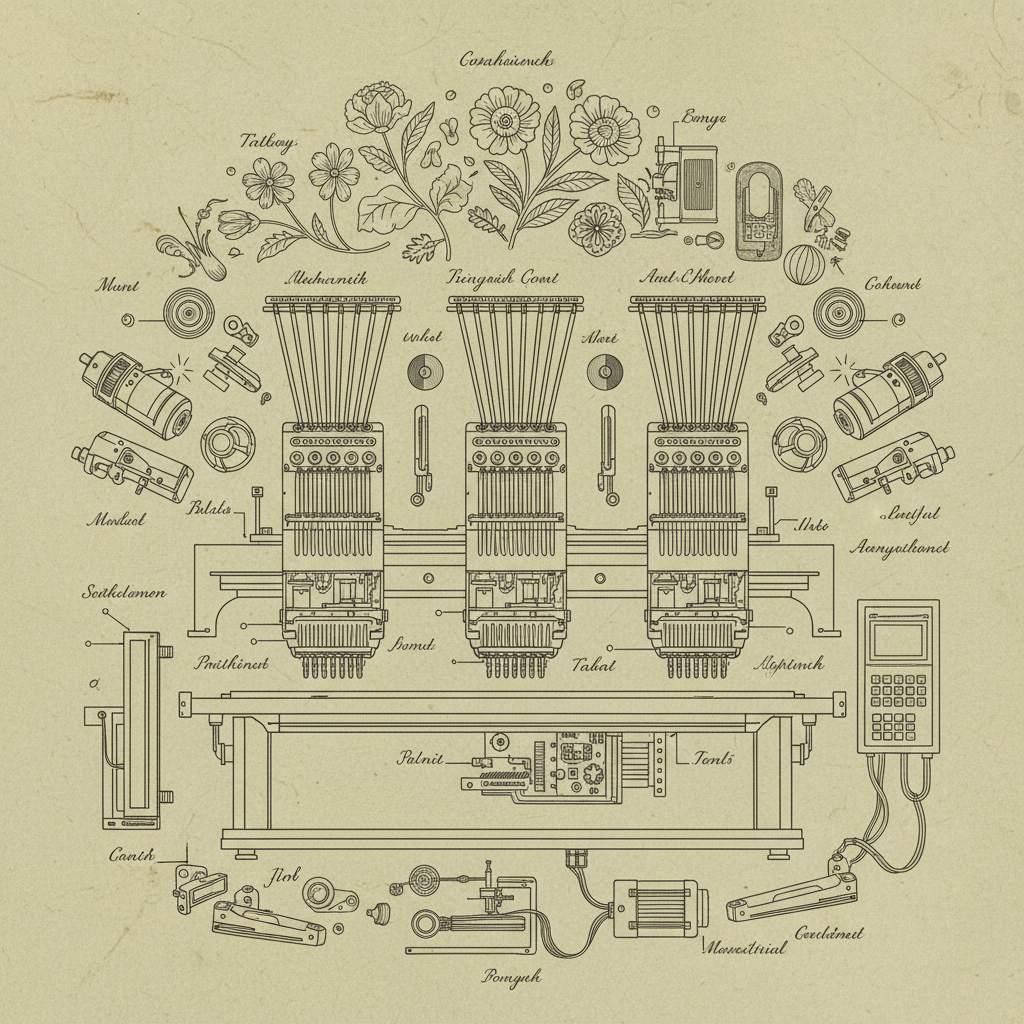
Understanding the core concepts involves recognizing the interplay between hardware and software. The machine itself handles the physical stitching process, while the software allows users to create, edit, and transfer designs to the machine. Modern small embroidery machines often come equipped with user-friendly software interfaces, making them accessible to both beginners and experienced embroiderers.

Defining the small embroidery machine

A small embroidery machine is essentially a self-contained embroidery production unit, typically designed for home or small business use. It distinguishes itself from industrial embroidery machines through its reduced footprint, lower cost, and often, simpler operation. While industrial machines are built for high-volume production, small embroidery machines prioritize versatility and ease of use. They cater to projects ranging from customizing apparel and creating personalized gifts to crafting intricate home décor items.

The connection to modern industry lies in its enabling of micro-manufacturing and on-demand customization. Businesses can utilize these machines to offer personalized products, reduce inventory costs, and respond quickly to changing market trends. This is particularly valuable for small businesses and entrepreneurs who lack the resources for large-scale production runs.

Furthermore, the accessibility of small embroidery machines addresses humanitarian needs by facilitating local craft production and economic empowerment in developing communities. The ability to create income-generating crafts locally can significantly improve livelihoods and reduce reliance on external aid.

Key Factors Influencing small embroidery machine Performance

Several key factors determine the performance and suitability of a small embroidery machine. Durability is paramount, as frequent use and intricate designs demand a robust build quality. Machines constructed with high-quality components and featuring reinforced stitching mechanisms are less prone to breakdowns and offer a longer lifespan.

Design Capabilities directly impact the range of projects a machine can handle. Factors like the maximum embroidery area, the number of needles, and the supported file formats (e.g., DST, PES, EMB) determine the complexity and scale of designs that can be executed. The quality of the software plays a vital role in this.

Ease of Use is crucial, especially for beginners. User-friendly interfaces, intuitive software, and clear instructions simplify the learning process and reduce the risk of errors. Features like automatic needle threading and bobbin winding contribute to a smoother embroidery experience. Maintenance Requirements also matter; machines that are easy to clean and maintain minimize downtime and ensure consistent performance. Finally, Cost Efficiency – considering both the initial purchase price and ongoing running costs (e.g., thread, bobbins) – is essential for making a sound investment.

Global Applications of the small embroidery machine

The applications of small embroidery machines are incredibly diverse and span across numerous industries and regions. In the fashion and apparel sector, they are used for customizing clothing, creating branded merchandise, and adding intricate embellishments to garments. In the promotional products industry, they personalize items like hats, bags, and uniforms with logos and slogans.

Across North America and Europe, small businesses are utilizing these machines to offer on-demand embroidery services for individuals and corporate clients. In Asia, particularly in countries with thriving textile industries, they support small-scale garment workshops and home-based entrepreneurs. In post-disaster relief operations, they can even be employed to repair clothing and create essential items for affected communities.

Furthermore, remote industrial zones in South America and Africa are seeing increased adoption of small embroidery machines as a means of empowering local artisans and creating sustainable livelihoods. The ability to produce high-quality embroidered goods locally reduces reliance on imports and stimulates economic growth within these communities.

small embroidery machine Application Ratings


Advantages and Long-Term Value of small embroidery machine

The tangible benefits of investing in a small embroidery machine are numerous. Cost savings are significant, as it eliminates the need to outsource embroidery work and reduces reliance on expensive custom-made goods. Sustainability is also enhanced through localized production, reducing transportation costs and carbon emissions.

From a social impact perspective, these machines empower individuals and communities by providing income-generating opportunities and fostering creativity. The reliability of modern machines ensures consistent performance and minimizes downtime, while the ability to create unique, personalized products builds brand loyalty and enhances customer satisfaction. Emotionally, the ability to create something beautiful and personalized fosters a sense of pride and accomplishment.

Future Trends in small embroidery machine Technology

The future of small embroidery machines is poised for exciting advancements. Integration with artificial intelligence (AI) is expected to automate design processes and optimize stitching parameters. Advancements in material science will lead to the development of more durable and eco-friendly threads and fabrics.

Digital transformation will see machines seamlessly integrated with cloud-based design platforms, allowing for remote collaboration and access to a wider range of design resources. Automation will further streamline production processes, reducing manual labor and increasing efficiency. The trend towards sustainability will drive the adoption of energy-efficient machines and the use of recycled materials.

Challenges and Solutions Related to small embroidery machine

Despite their benefits, challenges remain. One common limitation is the learning curve associated with design software and machine operation. Addressing this requires comprehensive training programs and user-friendly software interfaces. Another challenge is maintaining consistent thread quality and preventing breakage, which can be mitigated through proper machine maintenance and the use of high-quality threads.

Scaling up production can be difficult with smaller machines, requiring careful planning and potentially the addition of multiple units. A solution lies in optimizing workflow processes and utilizing automation tools where possible. Finally, ensuring compatibility with different fabric types requires experimentation and the selection of appropriate needles and stitching settings.

Expert insights recommend investing in machines with automatic features to minimize errors and improve efficiency. Regularly cleaning and maintaining the machine is critical for long-term performance. Exploring online communities and forums can provide valuable support and troubleshooting advice.

Core Aspects of Troubleshooting and Maintenance of small embroidery machine

Problem Area Likely Cause Severity Level (1-5) Recommended Solution
Thread Breakage Incorrect thread tension, dull needle 3 Adjust thread tension, replace needle
Skipped Stitches Incorrect needle size for fabric, improper machine settings 2 Change needle size, adjust machine settings
Design Distortion Fabric not properly hooped, design resolution too low 4 Re-hoop fabric, use higher resolution design
Machine Noise Lack of lubrication, loose parts 1 Lubricate machine, tighten loose parts
Software Issues Outdated software, corrupted files 3 Update software, recover files from backup
Bobbin Problems Incorrect bobbin winding, wrong bobbin type 2 Rewind bobbin correctly, use appropriate bobbin

FAQS

What is the learning curve like for operating a small embroidery machine?

The learning curve can vary depending on your prior experience with sewing or design software. However, many modern small embroidery machines come with user-friendly interfaces and tutorials. While mastering advanced techniques takes time and practice, basic operation can be learned relatively quickly. Online resources, workshops, and dedicated user communities are also available to help you get started. Expect to spend a few hours familiarizing yourself with the software and machine functions before tackling complex projects.

What types of fabrics can a small embroidery machine handle?

Most small embroidery machines can handle a wide range of fabrics, including cotton, linen, polyester, denim, and even some lighter-weight leathers. However, the best results are typically achieved with stable, woven fabrics. Knits and stretchy materials may require stabilizers to prevent puckering or distortion. It’s crucial to select the appropriate needle type and thread weight for the fabric being used to ensure optimal embroidery quality and prevent damage to the machine.

How much maintenance does a small embroidery machine require?

Regular maintenance is essential for keeping your small embroidery machine running smoothly. This includes cleaning lint and debris from the bobbin area, lubricating moving parts, and changing the needle regularly. Following the manufacturer’s instructions for oiling and cleaning is crucial. Periodic inspection of the thread path and tension settings can also prevent problems. Proper maintenance will extend the life of your machine and ensure consistent embroidery quality.

Can I use pre-designed embroidery patterns, or do I need to create my own?

You can certainly use pre-designed embroidery patterns! Many websites and online marketplaces offer a vast library of embroidery designs in various formats. You can also create your own designs using specialized embroidery software. Most small embroidery machines are compatible with common design file formats like PES, DST, and EMB. The ability to utilize both pre-designed and custom designs provides flexibility and creative freedom.

What is the typical lifespan of a small embroidery machine?

The lifespan of a small embroidery machine depends heavily on usage frequency and maintenance. With regular maintenance and careful operation, a good-quality machine can last for 5-10 years or even longer. Factors like the build quality of components, the complexity of projects undertaken, and the environmental conditions in which the machine is used can all influence its longevity. Investing in a reputable brand and following the manufacturer’s recommendations will help maximize its lifespan.

What is the difference between a multi-needle and single-needle small embroidery machine?

Single-needle machines are generally more affordable and easier to learn, making them ideal for beginners and smaller projects. They require manual thread changes for each color in a design. Multi-needle machines, on the other hand, can automatically switch between multiple thread colors without manual intervention, significantly speeding up the embroidery process and allowing for more complex designs. They are typically more expensive and require a higher level of expertise to operate.

Conclusion

In conclusion, the small embroidery machine represents a powerful tool for creativity, entrepreneurship, and economic empowerment. From democratizing access to personalized design to fostering sustainable manufacturing practices, its impact is far-reaching. Understanding its core concepts, applications, and future trends is crucial for anyone seeking to capitalize on this rapidly evolving technology.

Looking ahead, the continued integration of AI, automation, and sustainable materials promises to further enhance the capabilities and value of small embroidery machines. We encourage exploration of these innovative technologies and a commitment to responsible manufacturing practices. Visit our website at www.xtpfsm.com to learn more about our range of small embroidery machines and discover how you can unlock your creative potential.

David Miller

David Miller

David Miller is a Senior Applications Engineer at Xingtai Pufa Trading Co., Ltd., specializing in the integration of our HWF embroidery machines into various textile production lines. With over 8 years of experience in automated manufacturing, David focuses on optimizing machine performance and providing technical support to our clients in
Previous The Revolutionary Impact of Tshirt Embroidery Machines on Personalized Apparel
Next Embroidery Machine 1 Head Revolutionizing Textile Personalization and Small Business Growth