The world of personalized apparel is constantly evolving, and at the heart of this evolution lies the computerized t shirt embroidery machine. These machines have revolutionized how designs are transferred onto fabric, offering businesses and individuals alike unparalleled levels of precision, speed, and creative control. From small-scale home businesses to large-scale industrial operations, the impact of computerized embroidery is undeniable. Understanding the capabilities and applications of these machines is crucial for anyone involved in the garment industry, promotional product market, or even personal crafting projects.
The demand for customized clothing and merchandise continues to rise globally, fueled by a desire for unique and personalized items. This trend directly correlates with the increasing adoption of computerized t shirt embroidery machines. According to industry reports, the global embroidery machines market is projected to experience significant growth in the coming years, driven by factors such as increasing disposable incomes, evolving fashion trends, and the growing popularity of online customization platforms. This presents both opportunities and challenges, necessitating a deeper understanding of this technology.
The benefits extend beyond just commercial applications. Computerized t shirt embroidery machines empower entrepreneurs, hobbyists, and schools to create high-quality, customized products without the need for extensive manual skills. This accessibility fosters creativity and allows for the development of unique branding and personalized gifts, contributing to a more vibrant and diverse marketplace.
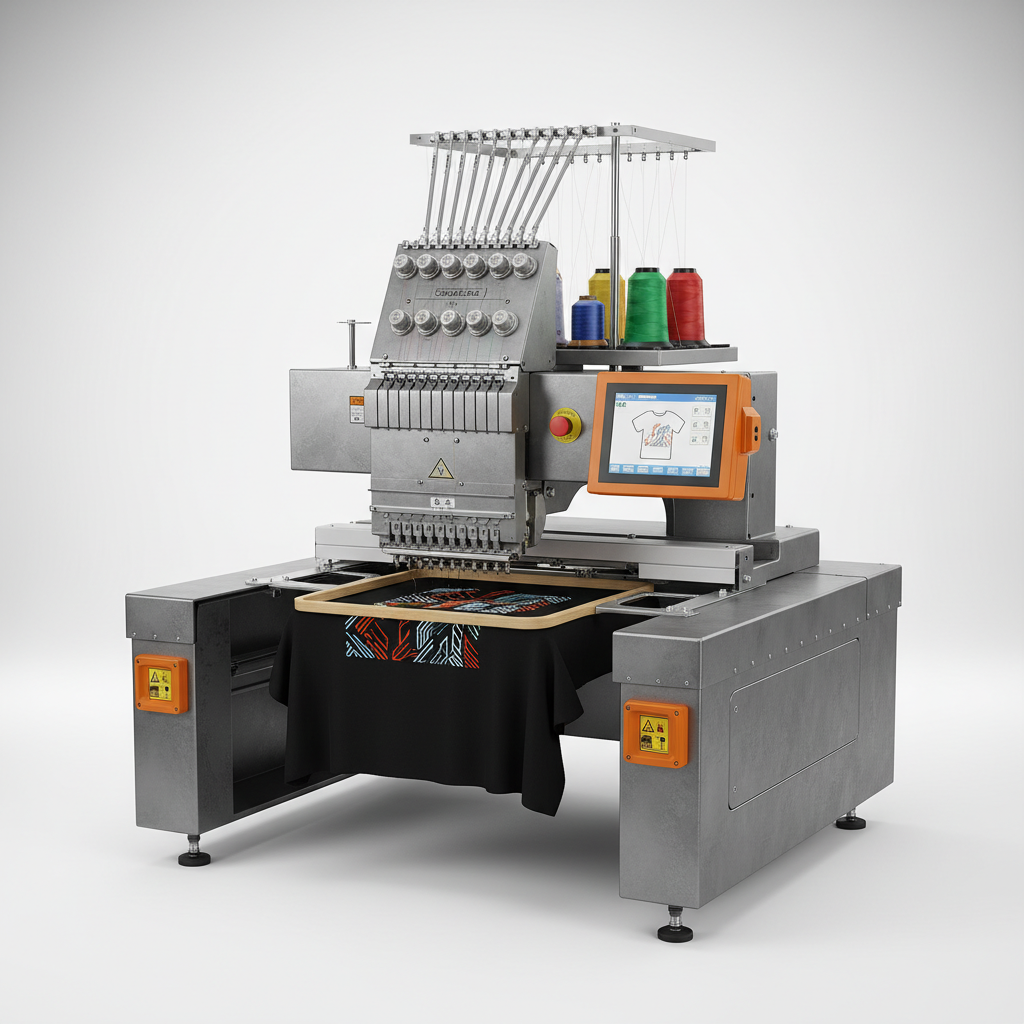
The Rise of Computerized T-Shirt Embroidery
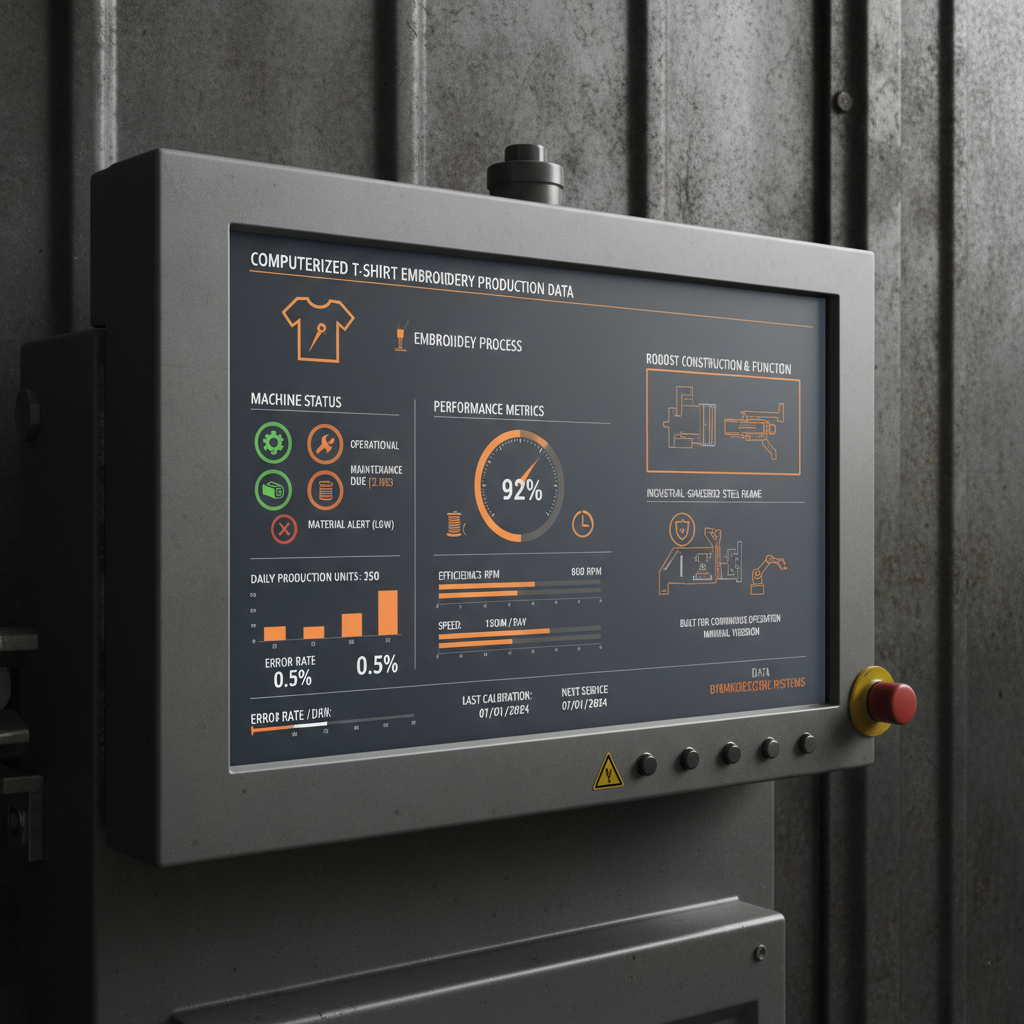
The transition from manual embroidery to computerized t shirt embroidery machines marks a significant turning point in textile decoration. Historically, embroidery was a labor-intensive craft, requiring skilled artisans and considerable time. The introduction of computerized machines automated this process, dramatically increasing efficiency and opening new possibilities for design complexity. This shift has enabled businesses to meet the growing demand for personalized and customized apparel with greater speed and affordability.
The evolution of these machines hasn't stopped at automation. Modern computerized t shirt embroidery machines incorporate advanced features such as multi-needle capabilities, automatic thread trimming, and sophisticated design software integration. This continuous innovation has solidified their position as a cornerstone of the modern garment industry.
FAQS
The lifespan of a computerized t shirt embroidery machine varies depending on usage and maintenance, but with regular care, a quality machine can last between 10-15 years. Consistent lubrication, prompt repairs, and careful operation are key to maximizing its longevity. Higher-end models often feature more durable components contributing to a longer lifespan. Proactive maintenance schedules are highly recommended.
Maintenance costs for a computerized t shirt embroidery machine can vary widely. Routine maintenance like oiling and cleaning is relatively inexpensive, around $10-$50 per year. However, unexpected repairs, like replacing a motherboard or drive motor, can cost several hundred dollars. Budgeting for annual preventative maintenance services is highly advisable to avoid major breakdowns and costly repairs.
While advanced programming skills aren’t typically necessary, a basic understanding of computer operation and software navigation is essential. Most machines come with user-friendly software for creating and editing designs. Familiarity with file formats like DST and PES is also helpful. Many manufacturers offer training programs to help users get up to speed quickly.
Most computerized t shirt embroidery machines can handle a wide range of fabrics, including cotton, polyester, denim, and fleece. However, delicate fabrics like silk or chiffon require specialized needles and stabilizers. It’s crucial to select the appropriate needle type, thread weight, and stabilizer material to achieve optimal results and prevent fabric damage. Testing a small sample area is always recommended.
Common issues include thread breaks, skipped stitches, and fabric jams. These are often caused by incorrect threading, dull needles, improper tension settings, or incompatible stabilizers. Regularly inspecting the machine, cleaning lint buildup, and following the manufacturer’s guidelines can prevent many of these problems. Proper maintenance drastically reduces these issues.
The embroidery area determines the maximum size of designs you can create. Larger areas are suitable for creating intricate back designs or large logos, while smaller areas are ideal for chest embroidery or smaller details. Consider the types of projects you plan to undertake and choose a machine with an appropriate embroidery area to meet your needs. The size directly impacts the variety of products you can offer.
Conclusion
Computerized t shirt embroidery machines have fundamentally transformed the textile industry, offering unprecedented levels of precision, efficiency, and creative flexibility. From streamlining production processes to empowering small businesses and fostering innovation, these machines provide significant advantages for a wide range of applications. Understanding their core components, capabilities, and future trends is essential for success in this dynamic field.
Looking ahead, the integration of AI, sustainable practices, and digital connectivity will continue to drive innovation in embroidery technology. Investing in a reliable computerized t shirt embroidery machine isn't merely acquiring equipment, it's investing in a future of customized creativity and business opportunity. Visit our website at www.xtpfsm.com to explore our range of embroidery machines and find the perfect solution for your needs.
Related Posts
-
Exploring the Nuances of the Modern Single Head Embroidery Machine Industry
-
Advanced Hat Embroidery Machine Technology and Its Growing Applications
-
Advancements in Multi Head Embroidery Machine Technology and Practical Considerations
-
Finding the Right Cheap Custom Hat Embroidery Machine for Your Business