The modern textile industry relies heavily on precision and efficiency, and at the heart of this lies the embroidery machine computer. These sophisticated systems have revolutionized the creation of intricate designs on a vast range of materials, impacting everything from fashion and apparel to promotional products and home décor. Understanding the nuances of embroidery machine computers – their capabilities, components, and future trends – is crucial for anyone involved in textile production, design, or related fields.
Globally, the demand for customized and high-quality embroidery continues to rise, fueled by trends like personalization and a desire for unique, handcrafted items. According to industry reports, the global embroidery machines market is projected to reach significant growth in the coming years. This growth necessitates a deeper understanding of the embroidery machine computer technology that drives it.
The challenges faced by the textile industry – including labor costs, production speed, and design complexity – are directly addressed by advanced embroidery machine computer systems. These machines offer automated design input, precise stitch control, and the ability to handle a wide variety of fabrics and thread types, ultimately increasing productivity and reducing errors.
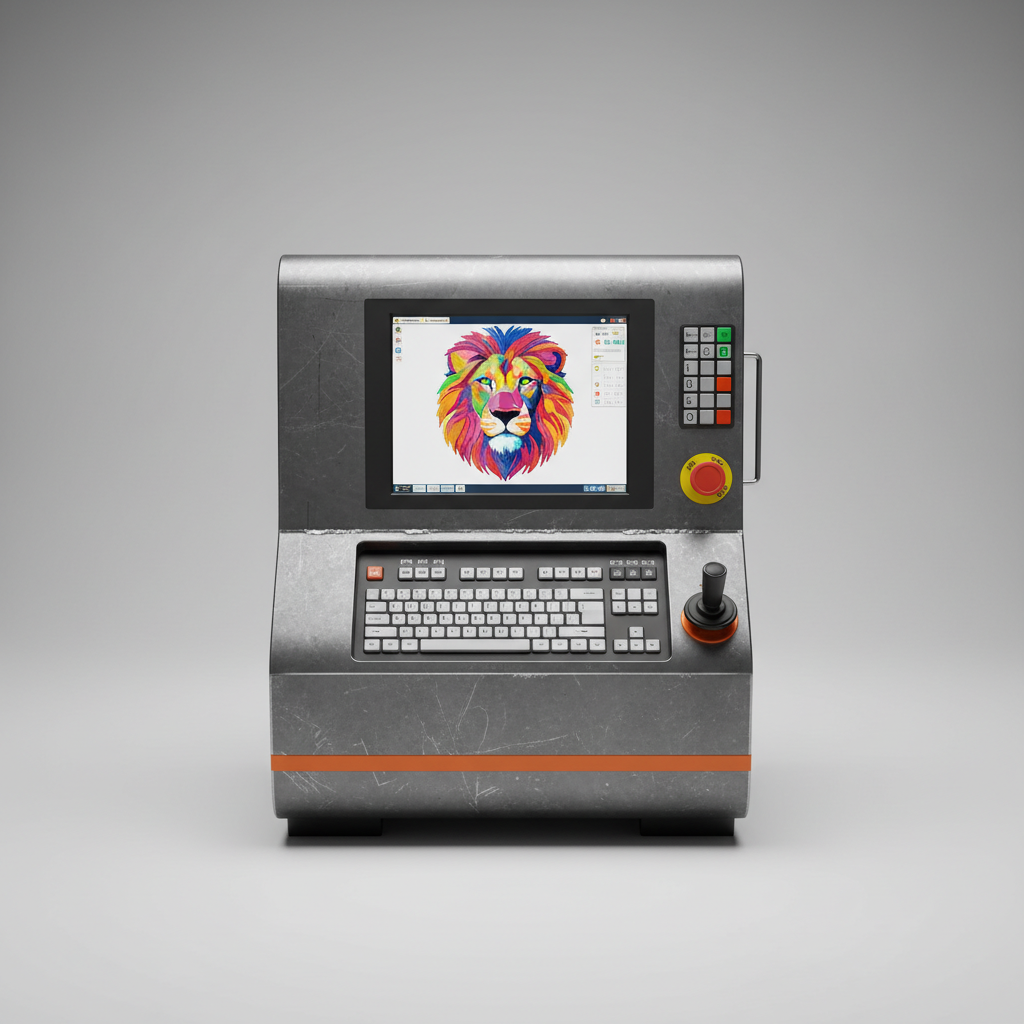
The Core Functionality of embroidery machine computer
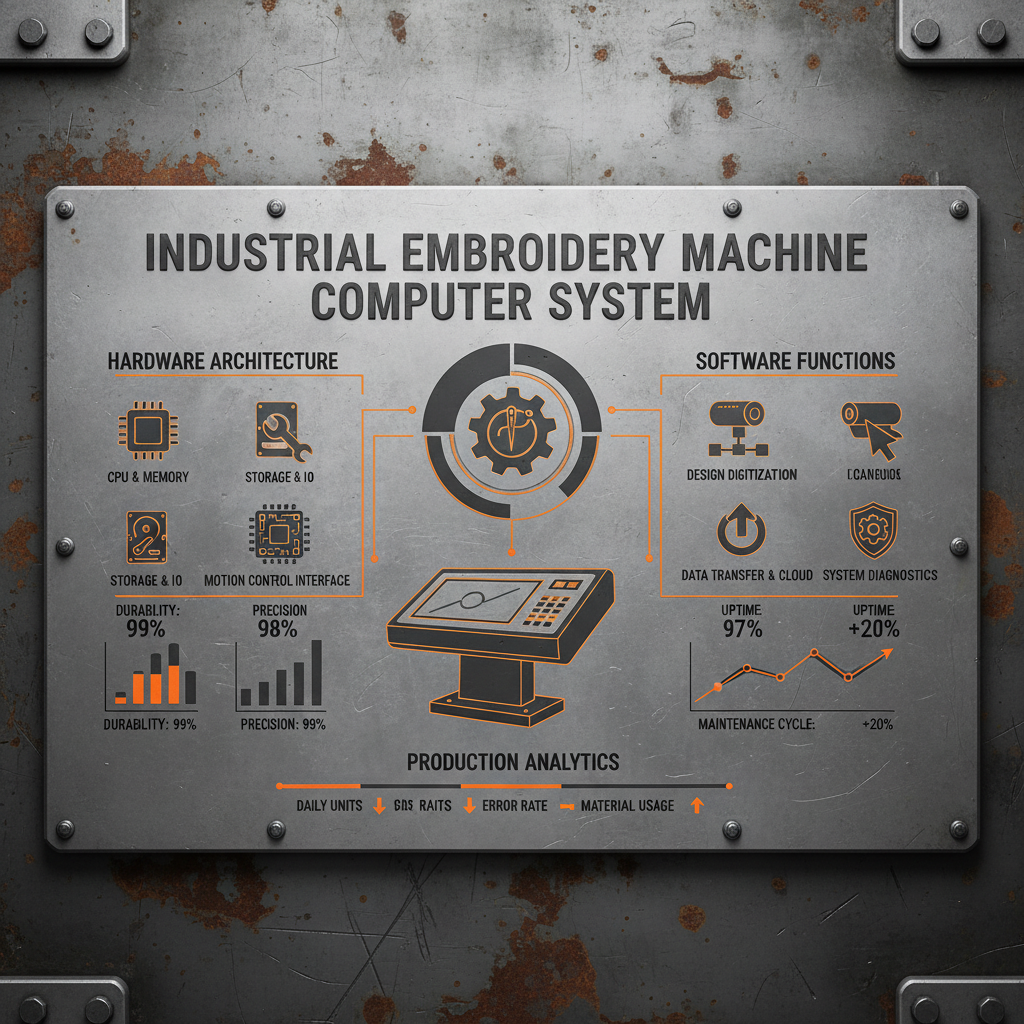
An embroidery machine computer is essentially a digitally controlled sewing machine designed to create embroidery designs on fabric. Unlike traditional manual embroidery, these machines automate the stitching process, utilizing pre-programmed designs loaded into their internal memory or transferred from external sources like USB drives. This allows for consistent, high-quality results and the ability to reproduce intricate designs with ease.
The core functionality extends beyond simple stitching. Modern embroidery machine computer systems can handle multiple needles, allowing for a wide range of colors and thread types to be used within a single design. They can also adapt to different fabric thicknesses and textures, ensuring optimal stitch penetration and a professional finish.
FAQS
The lifespan of an embroidery machine computer can vary widely depending on usage, maintenance, and the quality of the machine. With proper care and regular servicing, a commercial-grade machine can often last for 10-15 years, or even longer. However, heavily used machines may require more frequent repairs and component replacements. Smaller, hobby-level machines may have a shorter lifespan, typically around 5-10 years.
The cost of an embroidery machine computer depends on its features, capabilities, and brand. Entry-level, single-needle machines can start around $500-$1,000, while professional-grade, multi-needle machines can range from $5,000 to $20,000 or more. Factors like embroidery area, stitch speed, and the availability of advanced software features all contribute to the overall price.
Most embroidery machine computer systems are compatible with a variety of embroidery software programs. Popular options include Wilcom EmbroideryStudio, Embrilliance, and PE-Design. These programs allow users to create, edit, and convert designs into a format readable by the machine, typically DST, PES, or other proprietary formats. Compatibility should always be checked before purchasing software.
Regular maintenance is essential for keeping your embroidery machine computer running smoothly. This includes cleaning lint from the bobbin area, oiling moving parts, replacing needles regularly, and checking the thread tension. Following the manufacturer's recommended maintenance schedule will help prevent breakdowns and ensure optimal performance. Routine cleaning prevents build-up which causes issues.
Yes, embroidery machine computer systems can handle a wide range of fabrics, but the appropriate settings must be used for each type. Different fabrics require different needles, thread weights, and stitch densities. Delicate fabrics may require a lighter touch and slower stitch speed, while heavier fabrics may require a stronger needle and increased tension. Always test on a scrap piece of fabric first.
The learning curve for using an embroidery machine computer varies depending on the complexity of the machine and the user’s prior experience. Basic operation is relatively straightforward, but mastering design creation and troubleshooting can take time and practice. Many manufacturers offer training courses and online tutorials to help users get up to speed. Patience and experimentation are key to success.
Conclusion
In conclusion, the embroidery machine computer has revolutionized the textile industry, providing businesses and individuals with the tools to create high-quality, customized embroidery designs with efficiency and precision. From its historical evolution to its current capabilities and future innovations, understanding this technology is crucial for anyone involved in this dynamic field.
Looking ahead, continued advancements in software, automation, and materials will further enhance the capabilities of embroidery machine computer, unlocking new creative possibilities and driving economic growth. Investing in knowledge and staying abreast of industry trends will be essential for maximizing the benefits of this transformative technology. Visit our website at www.xtpfsm.com to explore our range of embroidery machine solutions.
Related Posts
-
Best Cheap Logo Embroidery Machines for Professional Branding
-
Discover the Benefits of Affordable Cheap Embroidery Loom Solutions for Your Business
-
Durable Embroidery Machine for Tshirt Solutions for Construction and Industrial Use
-
Exploring the Nuances of the Modern Single Head Embroidery Machine Industry