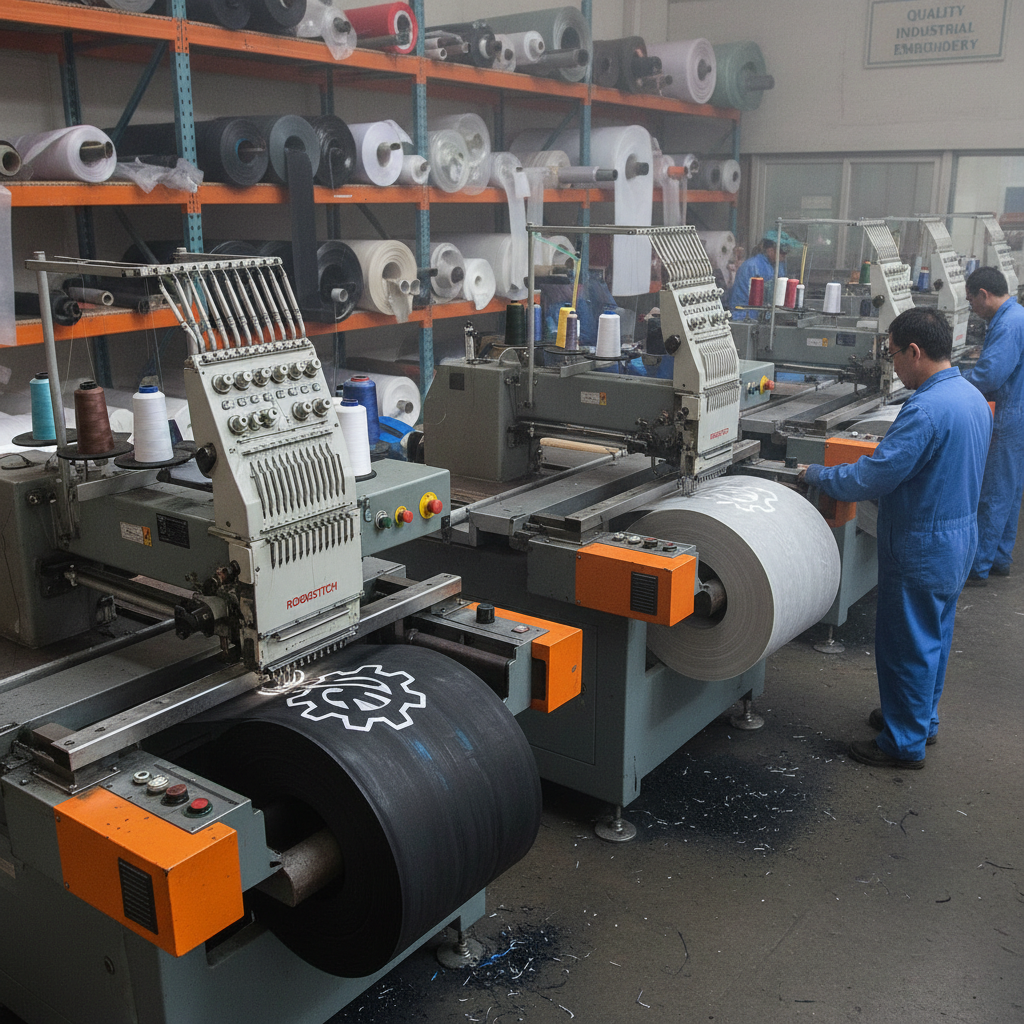
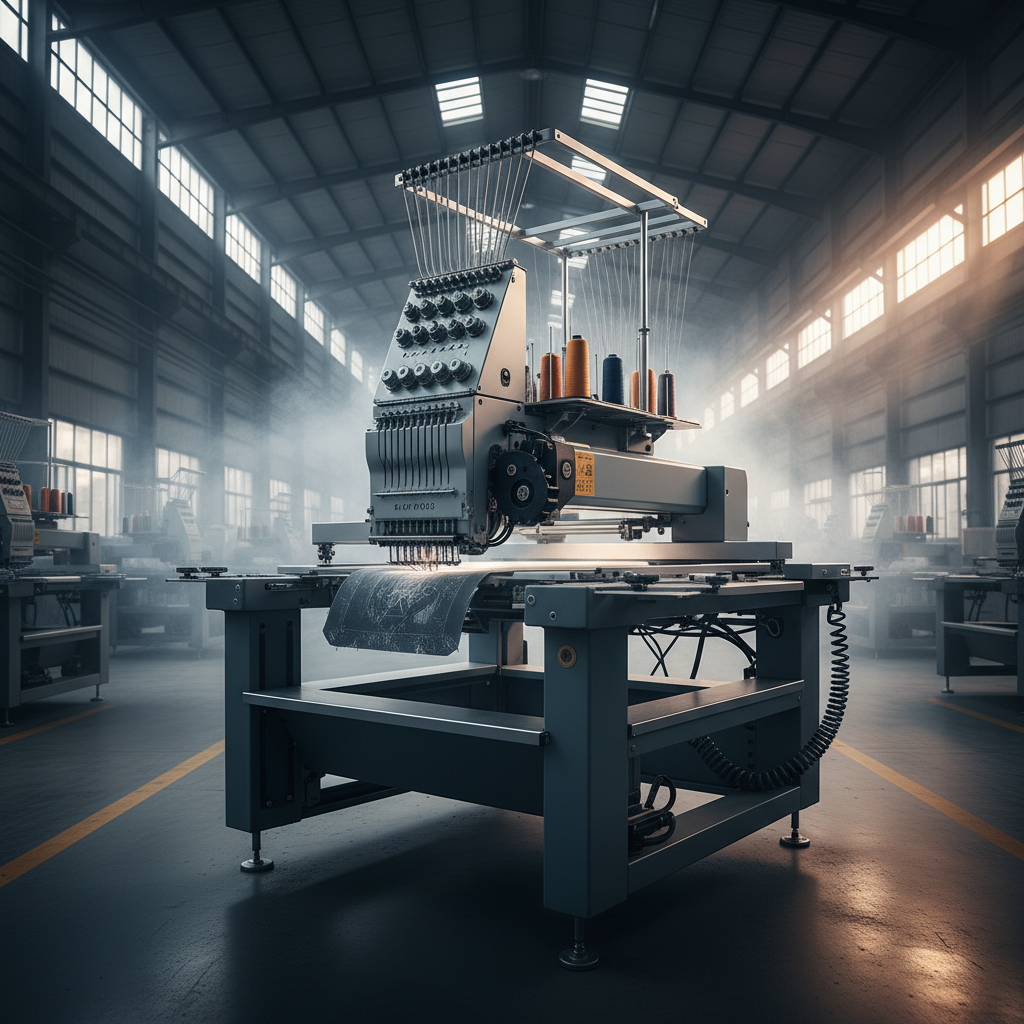
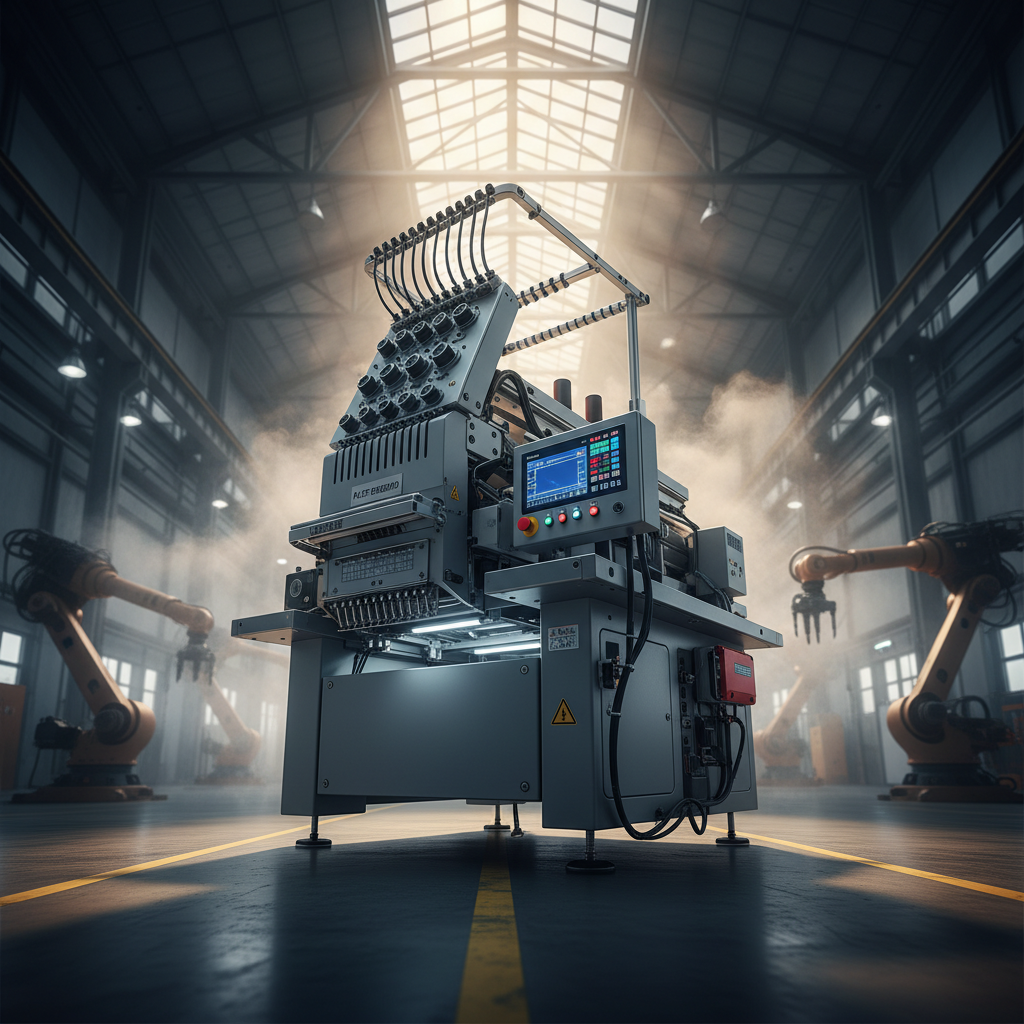
In the competitive landscape of modern apparel branding, the demand for accessible high-quality customization has led to a surge in the popularity of cheap logo embroidery machines. These systems empower small business owners, independent designers, and corporate promotional departments to bring their visual identities to life without the prohibitive overhead of industrial-grade textile factories. By lowering the barrier to entry, these machines have democratized the art of branding, allowing for rapid prototyping and personalized merchandise.
Globally, the textile machinery market is shifting toward versatility and affordability. The rise of "micro-factories" and home-based studios indicates a clear trend: users no longer want to outsource every single cap or polo shirt. Instead, they seek reliable, budget-friendly solutions that can handle precise logo reproduction. This shift is not just about cost-saving; it is about gaining creative control and reducing the lead times associated with third-party suppliers.
Understanding the nuances of selecting the right affordable equipment is crucial for ensuring long-term ROI. Whether you are considering a Single head embroidery machine for bespoke items or scaling up to a Four head or Six head embroidery machine for larger batches, the goal remains the same—achieving professional-grade stitch density and alignment while keeping capital expenditure low. Investing in the right cheap logo embroidery machines can transform a side hustle into a scalable enterprise.
The Global Market for Cheap Logo Embroidery Machines
The global textile machinery sector has witnessed a significant pivot toward the "prosumer" market. According to industry trends aligned with ISO standards for garment machinery, there is an increasing demand in emerging economies—particularly across Southeast Asia and Latin America—for cheap logo embroidery machines that do not compromise on precision. This growth is driven by the explosion of e-commerce platforms like Shopify and Etsy, where personalized apparel is a primary revenue driver.
However, the challenge has always been the "cost-quality paradox." Historically, low-cost machines were prone to thread breakage and misalignment. Modern engineering has solved this by integrating simplified servo-motor controls and standardized parts, making it possible for entrepreneurs to launch a professional embroidery business with a minimal initial investment while maintaining a competitive edge in the global marketplace.
Defining Value in Affordable Embroidery Technology
When we discuss cheap logo embroidery machines, the term "cheap" should not be synonymous with "low quality." Instead, it refers to "value-engineered" equipment. These machines strip away unnecessary industrial bells and whistles—such as massive automatic thread pallets or oversized work areas—to focus on the core necessity: the ability to render a clean, crisp logo on a variety of fabrics.
In the context of modern industry, these machines serve as an essential bridge for humanitarian and social enterprises. For instance, vocational training centers in developing regions use these affordable tools to teach garment construction and branding, providing local artisans with the means to generate income. The accessibility of the hardware allows for a faster transition from learning to earning.
Ultimately, the meaning of an affordable logo machine lies in its utility-to-price ratio. By utilizing a Two head embroidery machine or a Single head embroidery machine, a user can achieve a professional finish that was previously only available to large-scale factories, thereby redefining what is possible for the small-scale manufacturer.
Core Components of High-Efficiency Budget Machines
The first pillar of success for cheap logo embroidery machines is Structural Durability. Even at a lower price point, a cast-iron frame is essential to minimize vibration. If a machine shakes during high-speed operation, the logo's registration will shift, leading to wasted fabric and thread.
Scalability and Versatility are equally critical. Many budget-conscious users start with a Single head embroidery machine but require a path to upgrade. The integration of standardized hoop sizes and compatible software ensures that as the business grows, the transition to a Four head or Six head embroidery machine is seamless, preventing the need to relearn the entire operational workflow.
Finally, Cost Efficiency in Maintenance defines the long-term viability of these machines. By using universal needles and bobbins, cheap logo embroidery machines reduce the operational overhead, ensuring that the cost per stitch remains low enough to allow for competitive pricing in the retail market.
Performance Metrics for Cheap Logo Embroidery Machines
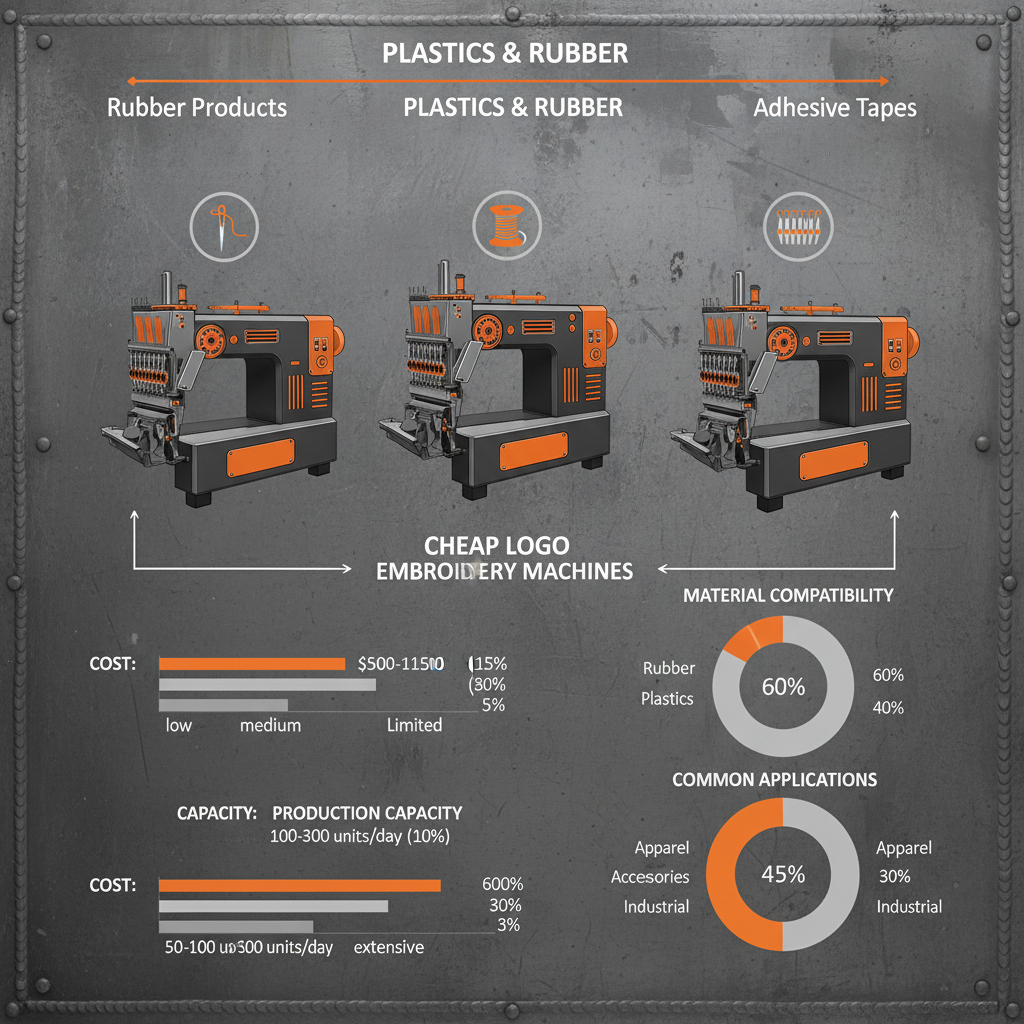
Evaluating the effectiveness of cheap logo embroidery machines requires looking beyond the sticker price. Key performance indicators (KPIs) include the maximum stitches per minute (SPM), the accuracy of the X-Y axis movement, and the ease of digitizing designs. A machine that is "cheap" but requires hours of manual calibration is actually more expensive in terms of labor.
To provide a clear comparison, we look at different configurations of affordable machines. While a Single head machine offers the highest precision for unique pieces, multi-head options like the Four head embroidery machine drastically increase the hourly output, lowering the cost per unit and increasing the overall profit margin for the operator.
Comparative Efficiency of Budget Embroidery Systems
Real-World Applications and Industry Use Cases
In real-world scenarios, cheap logo embroidery machines are transforming local economies. For example, in small industrial zones in Vietnam or India, entrepreneurs use these machines to provide rapid branding for local sports teams and corporate uniforms. The ability to produce a small run of 10-20 hats without paying setup fees to a large factory allows these small businesses to thrive.
Beyond commerce, these machines are used in creative arts and education. Design students often utilize Single head embroidery machines to experiment with textile art and wearable tech. By integrating budget-friendly hardware into the curriculum, universities can provide hands-on experience in digital fabrication, preparing students for the realities of the modern garment industry.
Long-Term Value and Sustainability Benefits
The long-term value of investing in cheap logo embroidery machines extends beyond the initial balance sheet. By enabling "on-demand" production, these machines significantly reduce textile waste. Instead of ordering 1,000 pre-embroidered shirts that might never be worn, businesses can embroider garments as they are sold, promoting a more sustainable, lean manufacturing model.
From a psychological perspective, owning the means of production fosters a sense of dignity and independence for the creator. The shift from being a "customer" of a branding agency to being the "producer" allows for an iterative design process. This innovation cycle leads to more daring and creative logo applications, strengthening the brand identity of the end product.
Furthermore, the reliability of modern budget machines ensures that the "trust gap" is closing. When a Two head embroidery machine can consistently deliver a high-quality logo over thousands of cycles, the perceived risk of "cheap" hardware vanishes, replaced by a logical appreciation for efficient engineering.
Future Innovations in Budget Branding Hardware
The future of cheap logo embroidery machines is inextricably linked to digital transformation. We are seeing a move toward AI-driven auto-digitizing, where a user can upload a JPEG and the machine's software automatically optimizes the stitch path for the lowest possible thread consumption. This reduces the learning curve and makes the machines even more accessible to non-technical users.
Sustainability is also driving innovation. New energy-efficient motors are being integrated into budget models, reducing power consumption by up to 30%. Additionally, the development of biodegradable threads and recycled polyester yarns is ensuring that the growth of the affordable embroidery market does not come at the expense of the environment.
As automation continues to evolve, we expect to see "cloud-connected" budget machines. A business owner could potentially send a design from their smartphone to a Six head embroidery machine across the room, creating a fully streamlined, smart-factory environment on a shoestring budget.
Comparison of Budget Machine Configurations for Logo Production
| Machine Model |
Target User |
Production Speed |
ROI Potential |
| Single Head Budget |
Hobbyists/Boutiques |
Low to Moderate |
High (Low Risk) |
| Two Head Budget |
Small Startups |
Moderate |
Medium |
| Four Head Budget |
Local Apparel Shops |
High |
Very High |
| Six Head Budget |
Commercial Promoters |
Very High |
Exceptional |
| Semi-Auto Budget |
Specialty Crafters |
Low |
Moderate |
| Industrial-Lite |
Growth Enterprises |
High |
High |
FAQS
Yes, provided you choose a machine with a professional-grade cast-iron frame and brushless motors. While they lack the 24/7 endurance of $20,000 industrial machines, modern budget options are designed for 8-12 hours of daily operation. Regular lubrication and tension checks are the key to maintaining their lifespan in a commercial setting.
Absolutely. The complexity of a logo depends on the digitizing software and the skill of the operator, not necessarily the number of heads on the machine. A Single head machine is often preferred for complex, high-detail logos because it allows for easier manual adjustments and tighter quality control on each individual piece.
A Two head machine is an entry-level professional tool that doubles your output compared to a single head. However, a Four head machine offers a logarithmic leap in efficiency. For businesses with consistent orders, the Four head machine reaches the break-even point much faster by drastically reducing the time spent on hooping and loading for each single item.
Most cheap logo embroidery machines are designed to be compatible with industry-standard formats like .DST or .PES. While some brands offer proprietary software, many users successfully use open-source or affordable third-party digitizing tools, keeping the total cost of ownership remarkably low.
The secret lies in three areas: high-quality embroidery thread, the correct stabilizer for the fabric weight, and precise digitizing. Even on the most affordable machine, using a high-density satin stitch and ensuring the hoop is tensioned correctly will produce results indistinguishable from high-end industrial equipment.
Not at all. Most budget machines are built with standardized components. Basic maintenance involves cleaning lint from the bobbin case and oiling moving parts according to the manual. Because they use universal parts, replacing a needle or a bobbin is a simple task that any user can master in a few minutes.
Conclusion
In summary, cheap logo embroidery machines have evolved from being mere "entry-level tools" to becoming powerful assets for modern entrepreneurs. By balancing structural integrity with cost-effective electronics, these machines—ranging from the flexible Single head to the high-output Six head embroidery machine—enable businesses to maintain brand consistency while maximizing their profit margins. The integration of sustainable practices and digital advancements ensures that affordable branding is no longer a compromise, but a strategic advantage.
As we look toward a future of hyper-personalization and on-demand manufacturing, the significance of accessible embroidery technology cannot be overstated. For anyone looking to enter the apparel market or enhance their corporate identity, the path forward is clear: invest in hardware that scales with your ambition. To explore the best options for your business, visit our website: www.xtpfsm.com.