0%

Table of Contents

The global demand for customized apparel is steadily increasing, driving innovation in embroidery technology. At the heart of this evolution lies the hat embroidery machine, a specialized piece of equipment that’s becoming indispensable for businesses seeking to offer personalized products. From sports teams and corporate branding to fashion statements and promotional items, the ability to efficiently and accurately embroider hats has never been more crucial. This article delves into the intricacies of hat embroidery machines, exploring their core components, applications, future trends, and the challenges associated with their implementation.

The hat embroidery machine isn’t merely a tool; it’s a facilitator of creativity and brand identity. Globally, the textile and apparel industry represents a significant economic force, with personalization playing a growing role. According to reports by the World Trade Organization, apparel accounts for a substantial portion of global merchandise trade. The demand for bespoke items is particularly strong in North America and Europe, but is rapidly growing in emerging markets like Asia and South America. This surge in demand necessitates efficient and reliable hat embroidery solutions.

The versatility of the hat embroidery machine extends beyond commercial applications. It plays a critical role in supporting small businesses, enabling them to compete with larger corporations by offering customized products at competitive prices. Furthermore, these machines are increasingly used in educational settings, providing students with valuable skills in design, textiles, and entrepreneurship.
Advanced Hat Embroidery Machine Technology and Its Growing Applications

The Significance of Hat Embroidery Machines
Advanced Hat Embroidery Machine Technology and Its Growing Applications

The hat embroidery machine has evolved from a specialized niche tool to an essential component of modern apparel production. Its ability to automate the process of adding intricate designs to hats significantly reduces labor costs and increases production speed. This has made it particularly valuable for businesses operating in competitive markets where efficiency and cost-effectiveness are paramount.

Beyond pure economic benefits, the use of hat embroidery machines allows for a greater level of customization, catering to the growing demand for personalized products. This is a key differentiator for brands looking to build customer loyalty and establish a unique market position.

Defining the Hat Embroidery Machine

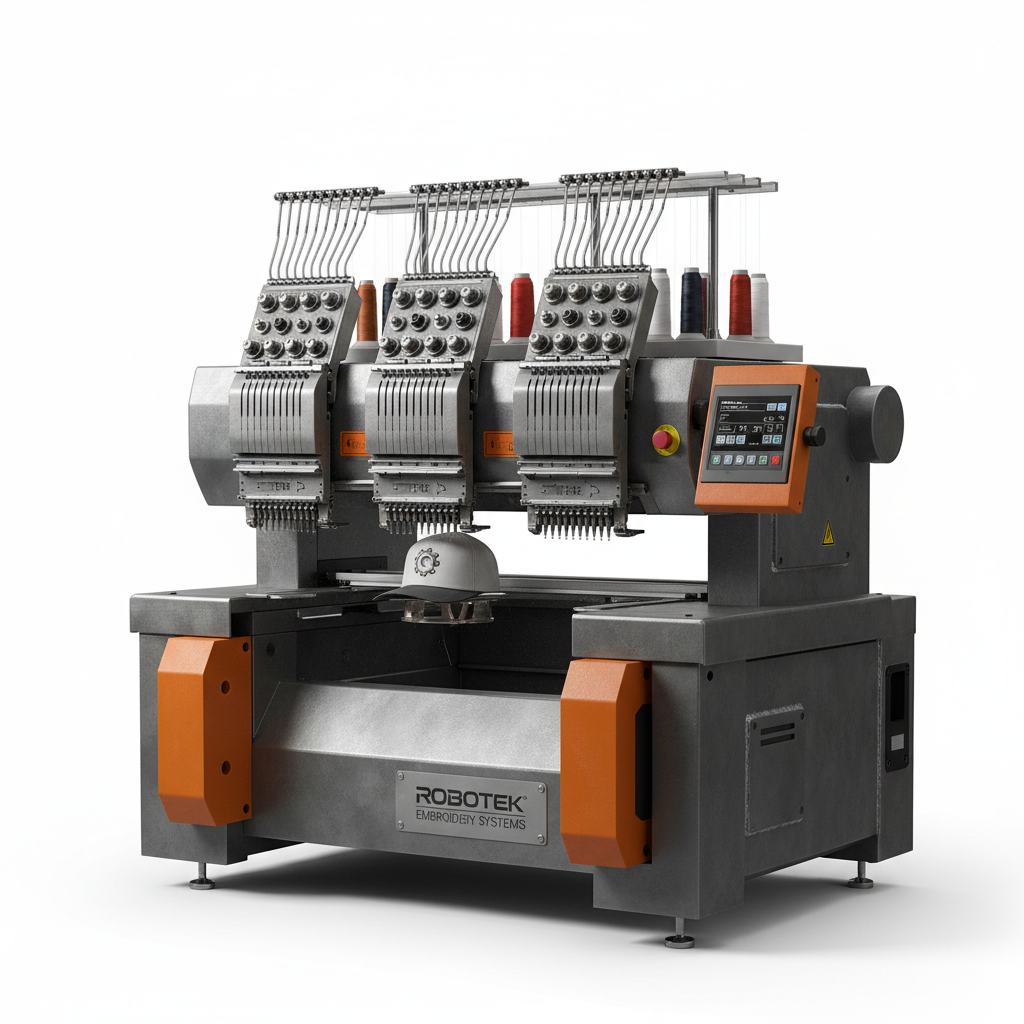
A hat embroidery machine is a specialized type of industrial sewing machine designed to automatically create embroidered designs on hats. Unlike standard embroidery machines, hat embroidery machines utilize cylindrical frames, often referred to as “hat hoops,” to secure the hat during the embroidery process. This allows the machine to accurately stitch designs onto the curved surface of a cap.

Modern hat embroidery machines are often computer-controlled, allowing for the import of digital designs and precise control over stitch patterns, thread colors, and embroidery speed. They can handle a wide range of hat materials, including cotton, polyester, and blends, and are capable of creating both simple and complex designs.

The connection to modern industry and humanitarian needs is seen in its adaptability. From branding for businesses to creating personalized items for fundraising efforts, a hat embroidery machine serves diverse purposes, boosting economies and supporting creative endeavors.

Core Components and Functionality

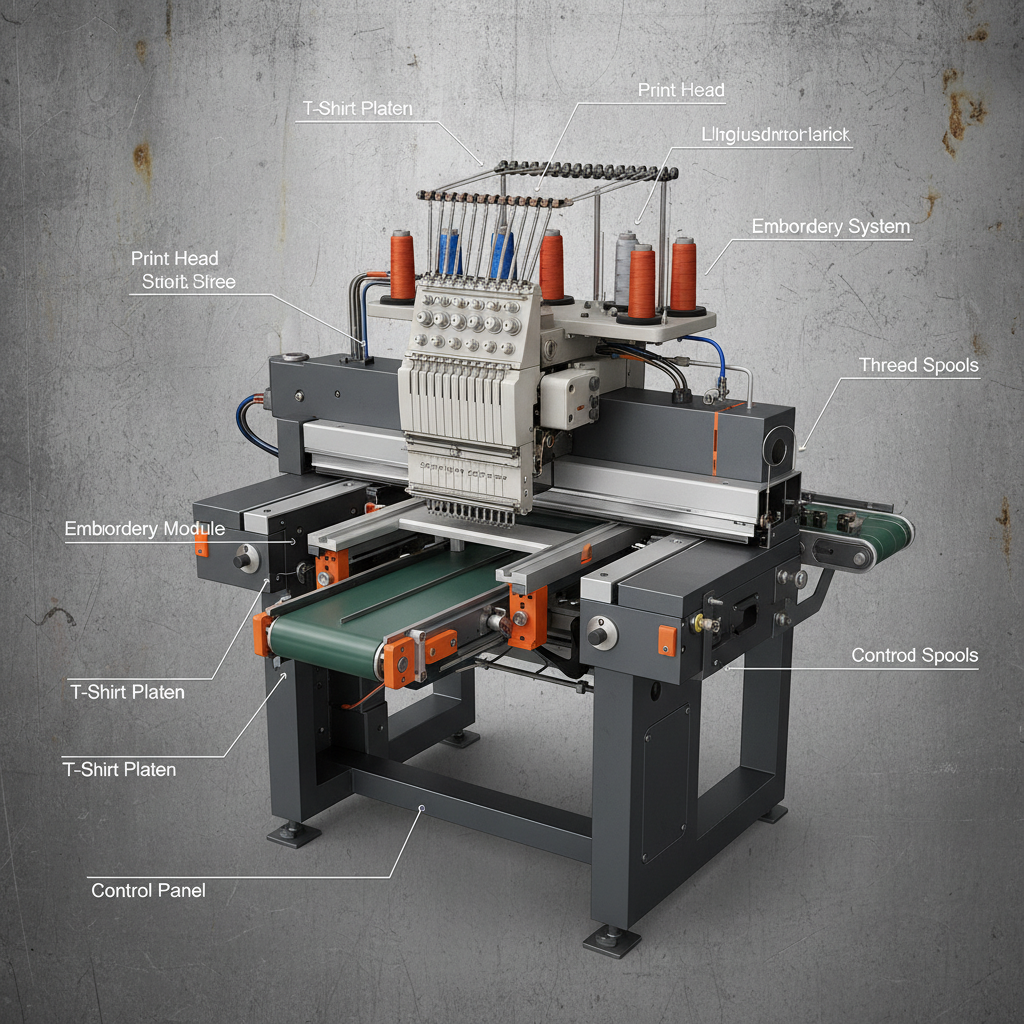
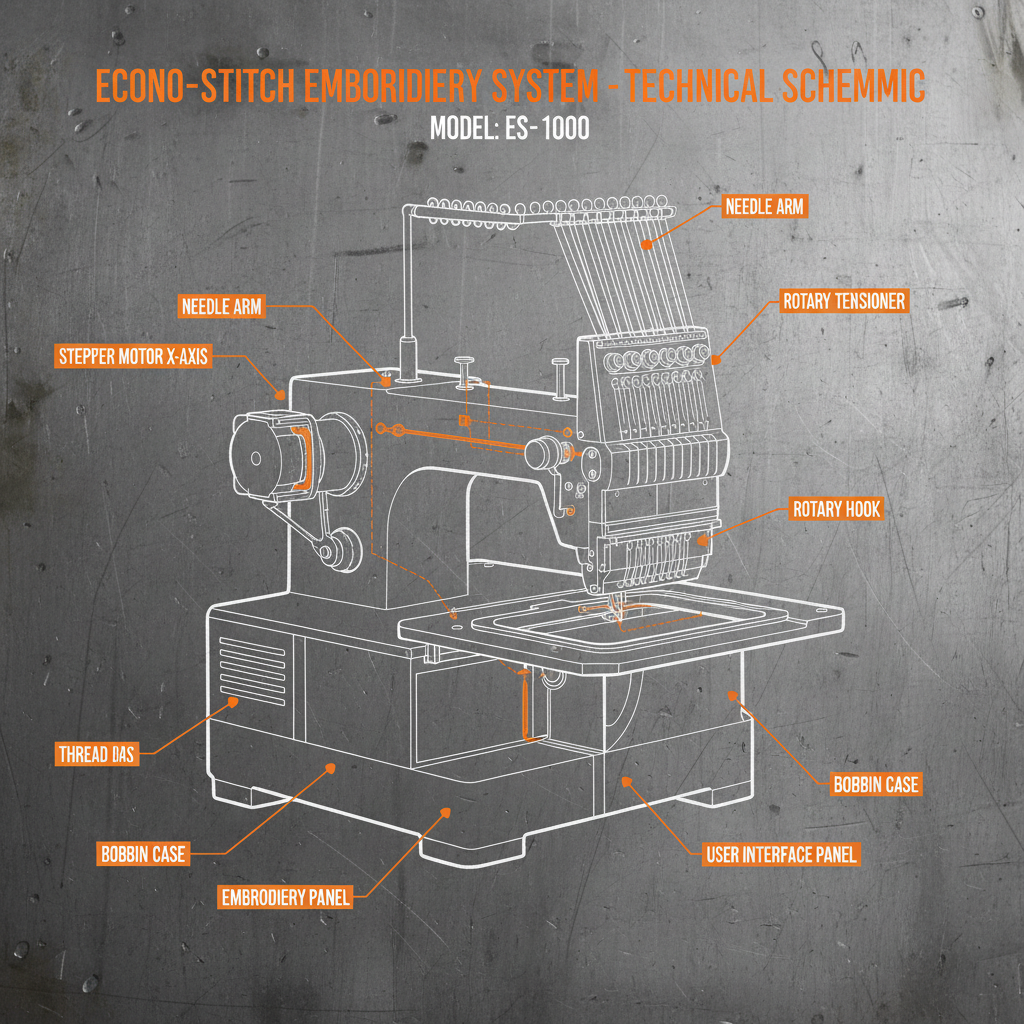
At its core, a hat embroidery machine comprises several key components. The control panel serves as the central interface for programming designs and controlling machine operations. The embroidery head houses the needle, thread mechanisms, and the stitching mechanism itself. The cylindrical frame (hat hoop) is crucial for securely holding the hat during the embroidery process. A multi-directional embroidery arm accurately moves the hat under the needle to create the desired design.

The functionality of a hat embroidery machine hinges on the interplay of these components. Digital designs are converted into a series of coordinates that dictate the movement of the embroidery head and the stitching pattern. The machine then automatically threads the needle, secures the hat in the hoop, and begins stitching the design with precision. Modern machines often include automatic thread trimming and color change features, further streamlining the embroidery process.

Proper maintenance, including regular cleaning and lubrication, is essential to ensure the long-term performance and accuracy of the machine. Understanding each component and its function is crucial for operators to troubleshoot issues and optimize embroidery quality.

Key Factors Influencing Hat Embroidery Machine Performance

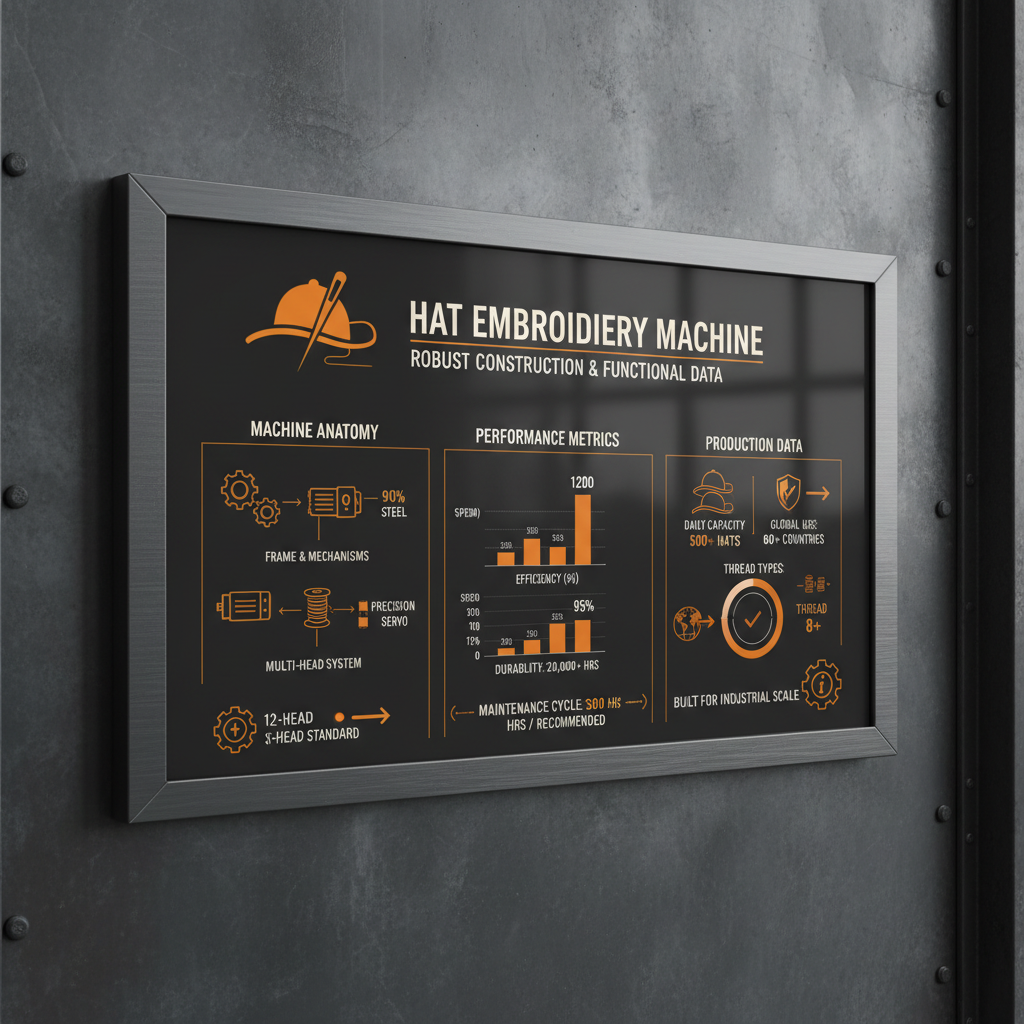
Several factors significantly influence the performance of a hat embroidery machine. Durability is paramount, as these machines are subjected to continuous operation and require robust construction to withstand wear and tear. Scalability refers to the machine’s ability to handle varying production volumes, with multi-needle machines offering increased capacity.

Cost efficiency is another crucial consideration, encompassing both the initial purchase price and the ongoing operating costs, such as thread, electricity, and maintenance. Accuracy is essential for producing high-quality embroidery with crisp, clean lines. Ease of use, particularly for operators with limited experience, is also a key factor, often influenced by the intuitiveness of the control panel and the availability of training resources.

Hat Embroidery Machine Performance Metrics


Global Applications and Diverse Use Cases

The applications of hat embroidery machines are incredibly diverse and span numerous industries. In the sports apparel sector, they are used to create customized team hats and caps. The fashion industry utilizes them for branding and adding unique designs to hats and other apparel items. Promotional product companies rely on these machines to produce branded hats for marketing campaigns and corporate events.

These machines are also vital in the uniform industry, allowing for the creation of customized hats for schools, businesses, and organizations. In remote industrial zones, providing local embroidery services can create economic opportunities. Furthermore, in post-disaster relief operations, customized hats can be quickly produced to aid identification and support affected communities.

Advantages and Long-Term Value Proposition

The advantages of investing in a hat embroidery machine are substantial. Tangible benefits include reduced labor costs, increased production speed, and improved product quality. Sustainability is also enhanced through minimized material waste and the potential for on-demand production, reducing overstock and environmental impact.

The long-term value lies in the ability to create a competitive advantage, build brand recognition, and cater to the growing demand for personalized products. This fosters customer loyalty, drives revenue growth, and establishes a strong market presence. The machine provides businesses with control over their branding and customization processes, reducing reliance on external vendors.

Future Trends and Technological Innovations

The future of hat embroidery machines is poised for significant innovation. Automation and artificial intelligence (AI) are expected to play a larger role, with machines capable of automatically recognizing hat types, adjusting stitching parameters, and even creating designs based on user input. Digital transformation will also drive the development of cloud-based design platforms and remote machine monitoring capabilities.

Sustainability is another key trend, with manufacturers exploring the use of eco-friendly threads and materials. Furthermore, advancements in laser technology may lead to the development of laser embroidery machines, offering even greater precision and design complexity.

Summary of Key Factors and Improvements in Hat Embroidery Machine Technology

Technology Aspect Current Status (Rating 1-10) Projected Improvement (Rating 1-10) Impact on Hat Embroidery Machine Efficiency
Automation Level 6 9 High
Design Software Integration 7 10 Very High
Material Compatibility 8 9 Medium
Energy Efficiency 5 8 Medium
Remote Monitoring Capabilities 4 7 Medium
Precision and Detail 9 10 High

FAQS

What is the typical lifespan of a hat embroidery machine?

The lifespan of a hat embroidery machine typically ranges from 5 to 15 years, depending on usage, maintenance, and the quality of the machine. Regular cleaning, lubrication, and prompt repair of any issues are crucial for maximizing its longevity. Higher-end machines with robust construction and advanced features generally have a longer lifespan, making them a worthwhile investment despite the initial cost.

How much does a good quality hat embroidery machine cost?

The cost of a good quality hat embroidery machine can vary widely depending on its features, capabilities, and brand. Entry-level machines suitable for small businesses typically range from $3,000 to $8,000. More advanced machines with multiple needles, larger embroidery areas, and automated features can cost anywhere from $10,000 to $30,000 or more. Considering long-term return on investment is crucial.

What kind of maintenance is required for a hat embroidery machine?

Regular maintenance is essential for keeping a hat embroidery machine in optimal condition. This includes daily cleaning of the embroidery head and bobbin area, weekly lubrication of moving parts, and periodic inspection and replacement of needles, threads, and other consumables. Annual professional servicing is also recommended to ensure all components are functioning correctly.

What type of training is required to operate a hat embroidery machine effectively?

While some hat embroidery machines are relatively easy to operate, proper training is essential for achieving optimal results and preventing damage to the machine. Training typically covers machine operation, design software, thread selection, troubleshooting common issues, and basic maintenance procedures. Many manufacturers offer training programs, and online resources are also available.

Can a hat embroidery machine embroider other items besides hats?

Yes, most hat embroidery machines can also be used to embroider other items, such as t-shirts, polo shirts, jackets, and bags. However, different hoops and frames may be required to accommodate different materials and shapes. Some machines are specifically designed for multi-item embroidery, offering greater versatility and productivity.

What are the common issues encountered with hat embroidery machines?

Common issues include thread breakage, skipped stitches, hoop slippage, and design distortion. These problems can often be resolved through proper maintenance, correct thread tension adjustments, and the use of appropriate stabilizers. Regularly checking and replacing worn parts, such as needles and bobbin cases, is also crucial for preventing these issues.

Conclusion

In conclusion, the hat embroidery machine represents a significant advancement in apparel customization and production. Its ability to efficiently and accurately embroider designs onto hats, coupled with its versatility and adaptability, makes it an indispensable tool for businesses across a wide range of industries. From enhancing brand identity to supporting small-scale entrepreneurship, the benefits are far-reaching and continue to evolve with technological advancements.

Looking ahead, the future of hat embroidery machines is bright, with ongoing innovations promising even greater automation, precision, and sustainability. Investing in this technology is not merely acquiring a machine; it’s investing in a future of customized products, enhanced brand value, and streamlined production processes. For further information or to explore our range of hat embroidery machines, visit our website: www.xtpfsm.com

David Miller

David Miller

David Miller is a Senior Applications Engineer at Xingtai Pufa Trading Co., Ltd., specializing in the integration of our HWF embroidery machines into various textile production lines. With over 8 years of experience in automated manufacturing, David focuses on optimizing machine performance and providing technical support to our clients in
Previous Exploring the Revolution of Computerized T Shirt Embroidery Machine Technology
Next The Revolutionary Impact of Tshirt Embroidery Machines on Personalized Apparel