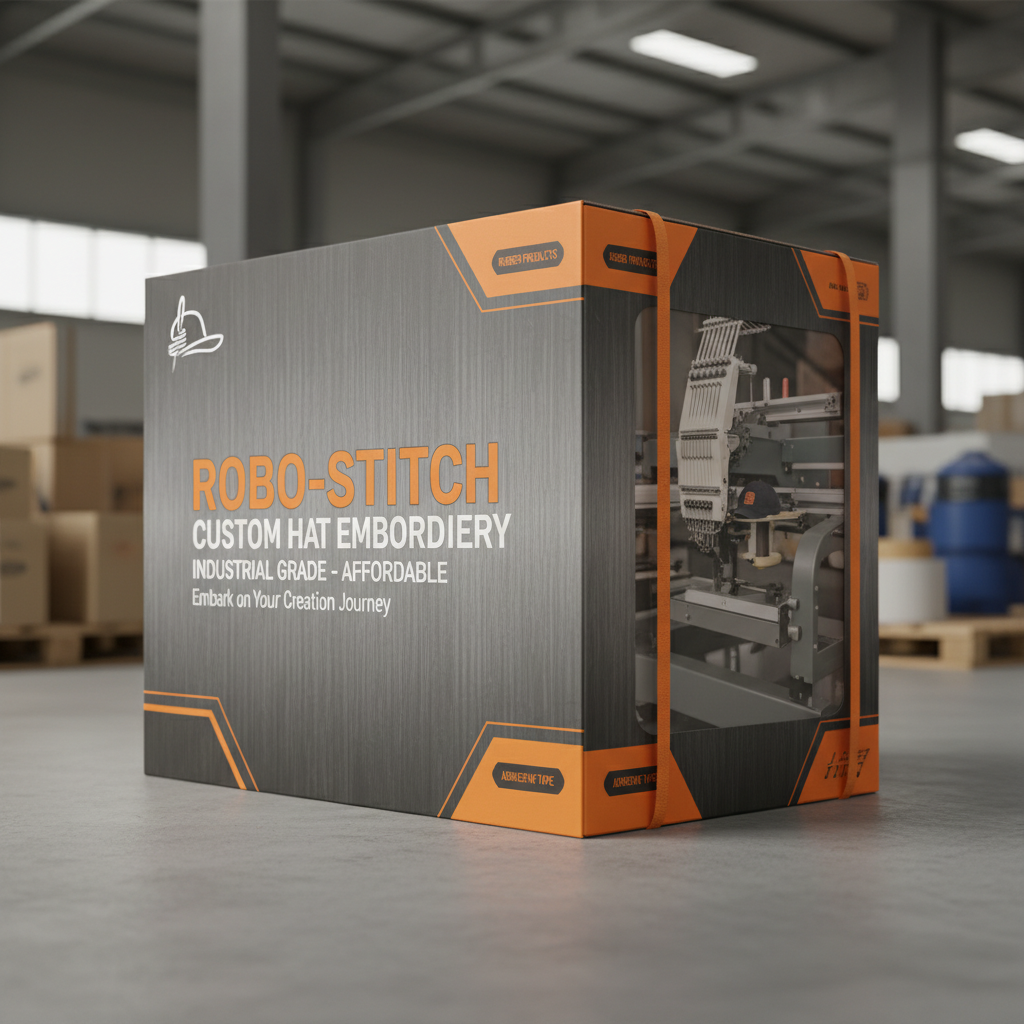
The world of personalized apparel is constantly evolving, and at the heart of this evolution lies the tshirt embroidery machine. From small businesses looking to offer customized merchandise to large-scale manufacturers needing efficient branding solutions, the demand for high-quality, reliable embroidery equipment continues to grow. This technology isn't just about aesthetics; it's about building brand identity, fostering creativity, and enabling entrepreneurial opportunities across the globe. Understanding the intricacies of a tshirt embroidery machine is crucial for anyone looking to enter or expand within the personalized apparel industry.
Globally, the textile and apparel industry represents a significant economic force. According to the World Trade Organization, textiles accounted for approximately 5.8% of total merchandise trade in 2022. Within this market, embroidery represents a substantial and growing segment, driven by consumer demand for unique and personalized products. However, traditional embroidery methods can be labor-intensive and costly. The tshirt embroidery machine addresses this challenge by offering automation, increased efficiency, and reduced production costs, making personalized apparel accessible to a wider market.
The increasing desire for individualized products, coupled with advancements in automation technology, has propelled the adoption of tshirt embroidery machines. These machines aren’t merely tools; they represent a shift towards on-demand manufacturing, empowering businesses to respond quickly to evolving customer preferences. Mastering this technology allows companies to compete effectively in a dynamic marketplace and cater to the growing demand for bespoke designs.
The Fundamentals of tshirt embroidery machine
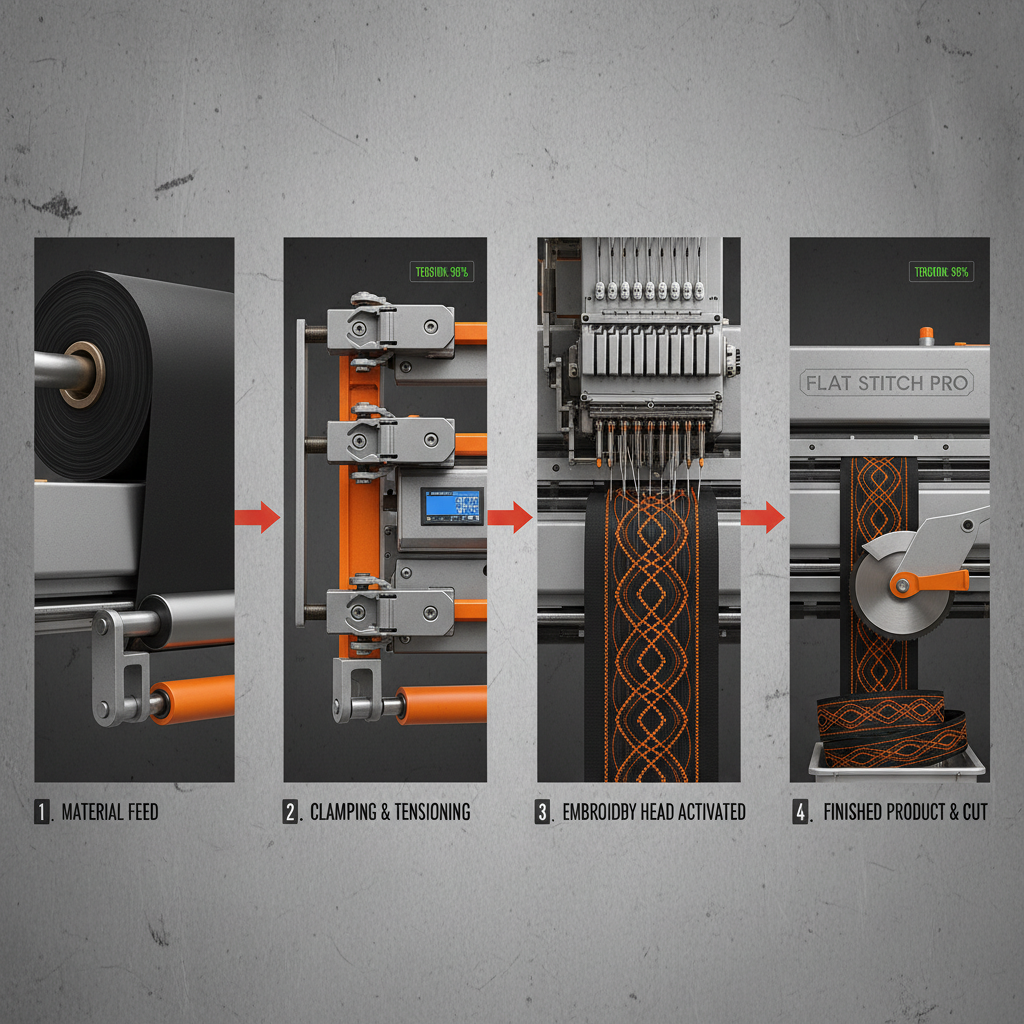
A tshirt embroidery machine fundamentally transforms digital designs into intricate stitched patterns on fabric. It utilizes computerized controls to precisely move an embroidery hoop beneath a needle, following pre-programmed instructions. This process allows for the replication of complex designs with accuracy and efficiency, far surpassing the capabilities of traditional hand embroidery.
The key benefit of using a tshirt embroidery machine lies in its ability to scale production. While hand embroidery is ideal for unique, one-off pieces, the machine allows businesses to fulfill large orders quickly and consistently, catering to both individual consumers and wholesale clients. The use of modern software and hardware provides a highly controlled and repeatable process, ensuring the highest quality output.
Defining tshirt embroidery machine
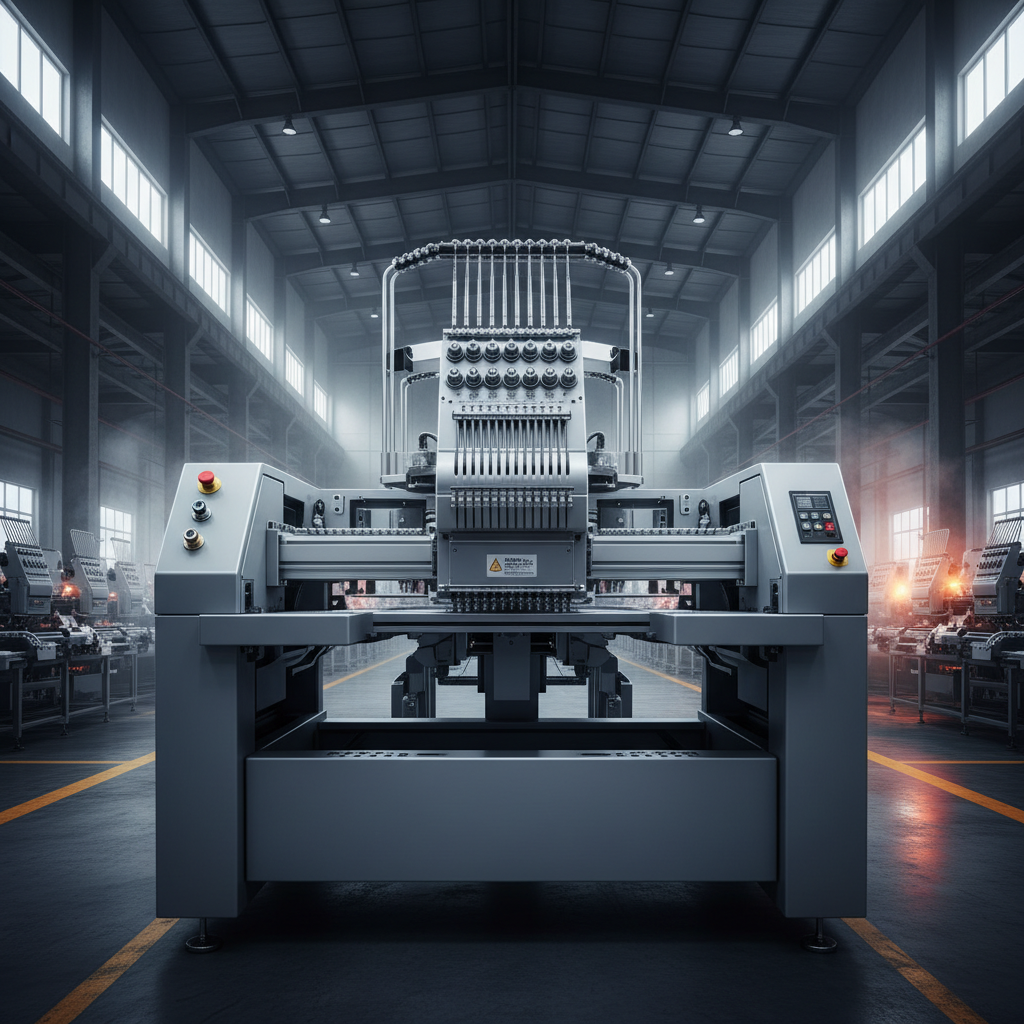
A tshirt embroidery machine is a computerized textile machine designed to create decorative patterns and designs on fabric, specifically t-shirts, though its application extends to a wide range of apparel and textiles. It operates by precisely controlling a needle that punctures the fabric and forms stitches using various thread colors and types. Modern machines are typically multi-needle, allowing for complex designs with multiple colors to be created in a single pass.
The connection to modern industry is significant, impacting sectors like fashion, marketing, and sports. Businesses utilize tshirt embroidery machines for branding, uniform creation, promotional merchandise, and personalized gifts. It addresses the need for efficient, high-quality customization, which is crucial in today's market where consumers increasingly value individuality.
In terms of humanitarian needs, while not a direct solution to core issues, embroidery machines can empower local communities by providing income-generating opportunities. They can facilitate the production of locally designed and branded goods, supporting economic independence and skill development in developing regions.
Core Components of a tshirt embroidery machine
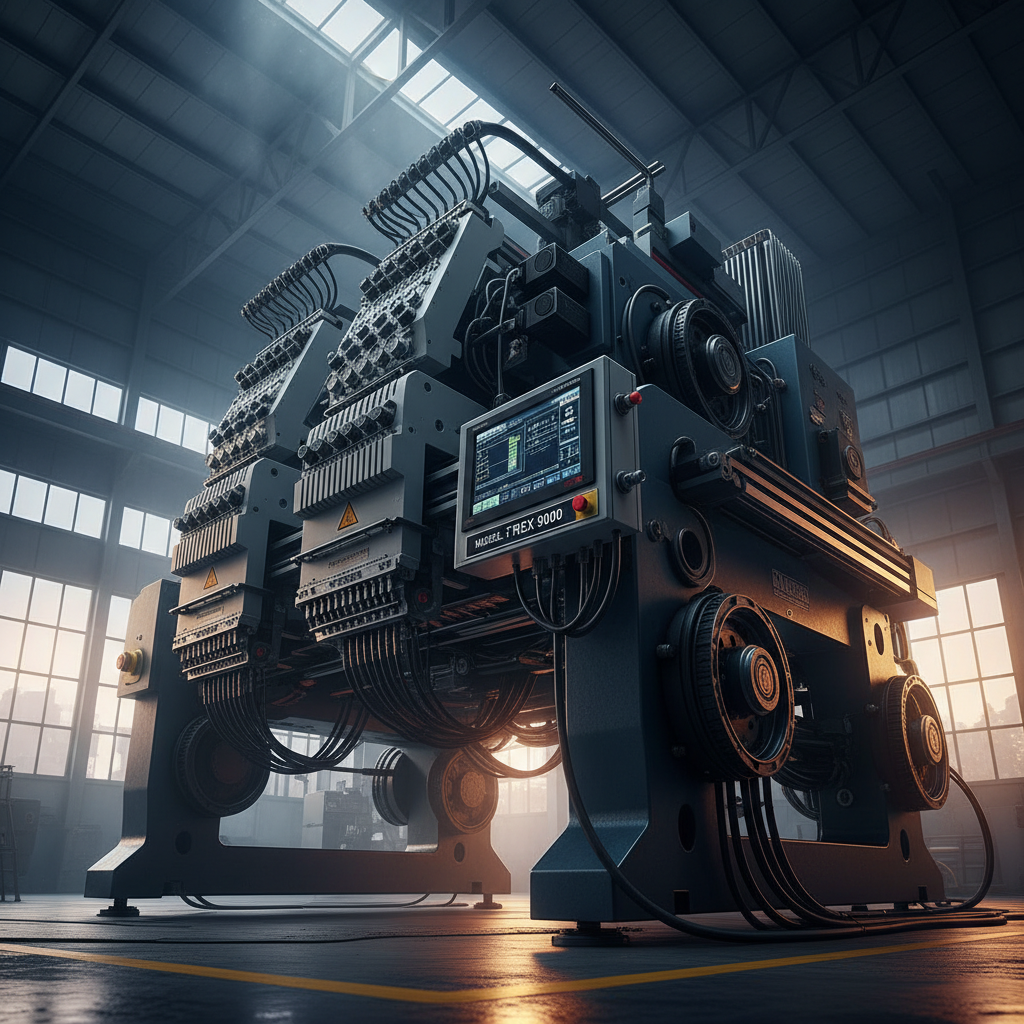
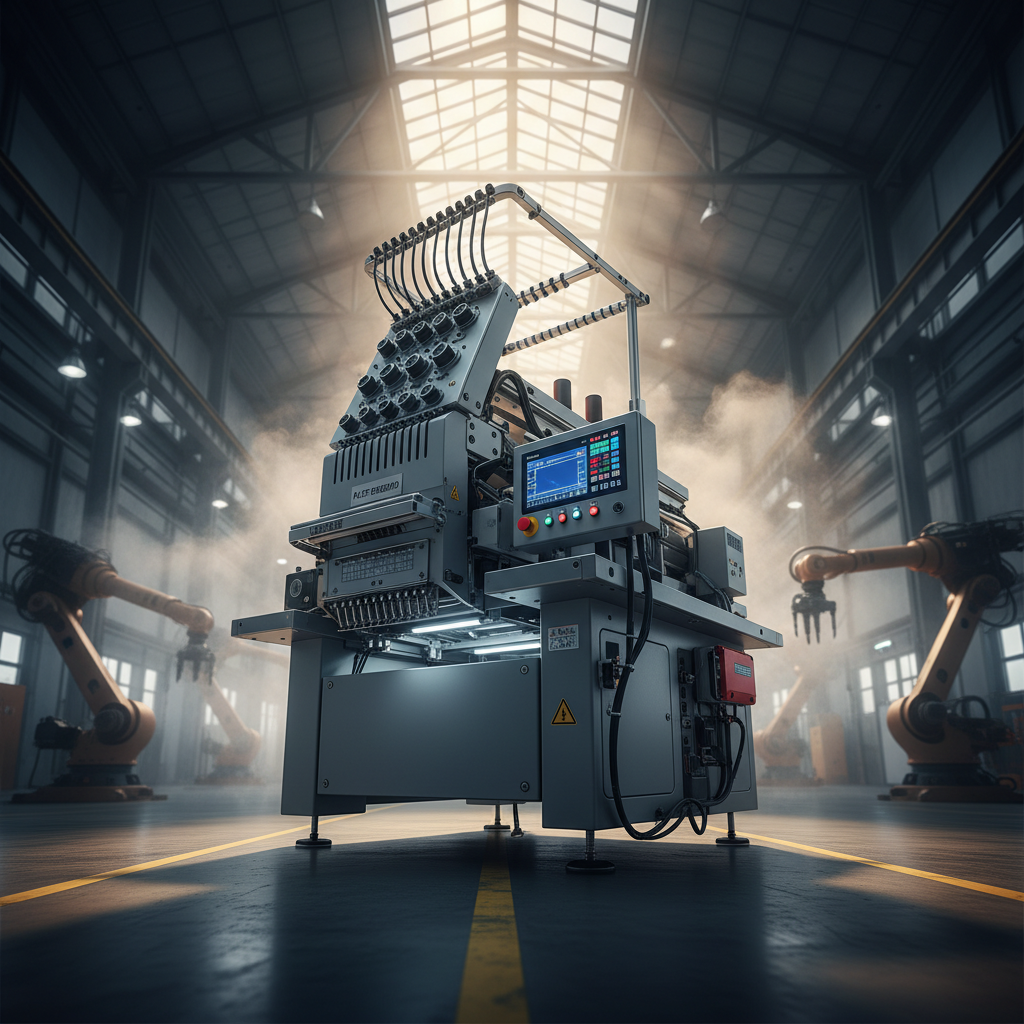
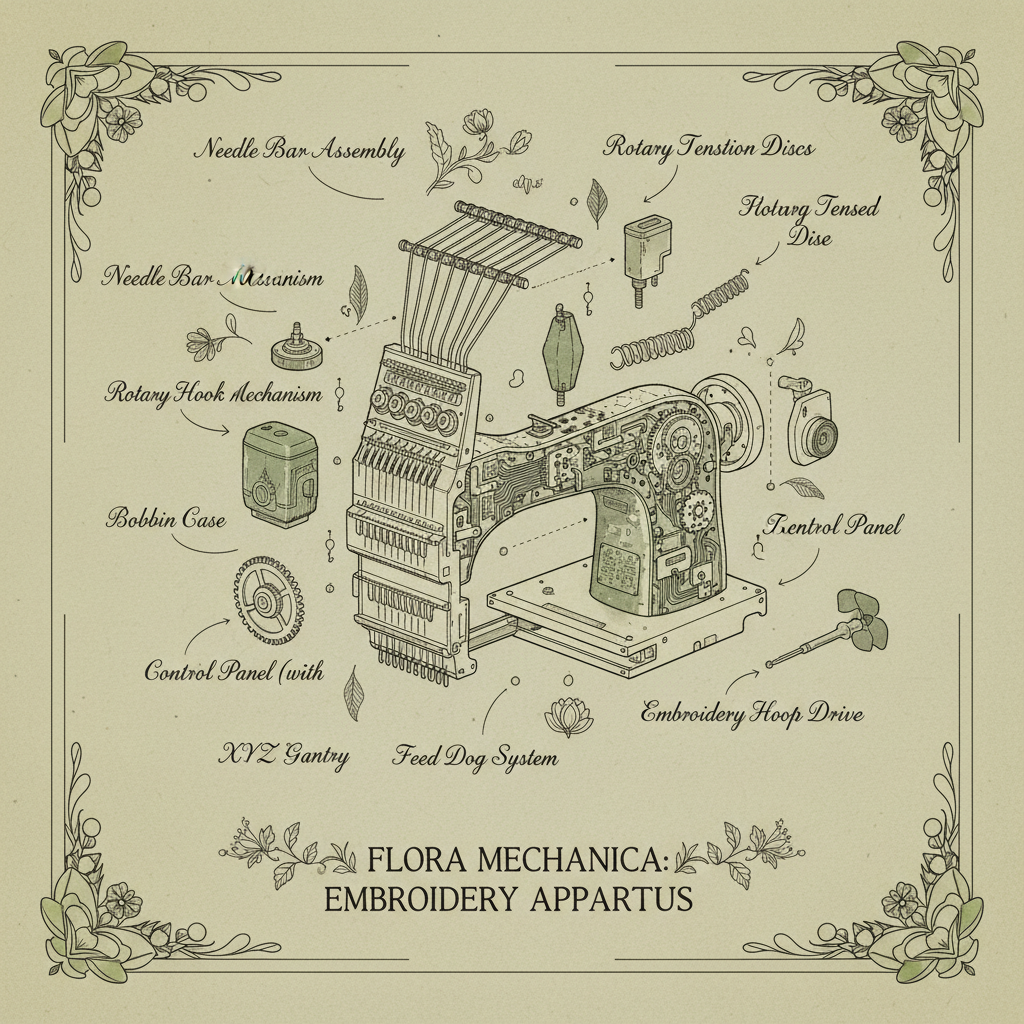
Several key components contribute to the functionality and performance of a tshirt embroidery machine. These include the embroidery head (containing the needles), the hoop clamping system (securing the fabric), the control panel (for programming and operation), and the thread delivery system (managing thread tension and color changes). The quality of each component directly impacts the accuracy, speed, and reliability of the embroidery process.
The software component is equally crucial. Modern embroidery machines utilize software to convert digital designs into stitch patterns that the machine can interpret. This software allows for precise control over stitch density, color sequencing, and design placement. Advanced features often include design editing, automatic thread trimming, and error detection.
Finally, the frame of the machine is critical. A robust, stable frame minimizes vibrations during operation, resulting in higher-quality embroidery. These machines often include features for maintaining consistent tension on the fabric, ensuring accurate stitch placement and preventing puckering.
Practical Applications and Global Reach
The tshirt embroidery machine finds application across diverse industries and geographic locations. In the apparel industry, it's used for creating branded clothing, custom uniforms, and fashion accessories. Marketing agencies utilize them for promotional merchandise, while sports teams rely on them for team apparel and fan gear.
Globally, these machines are widely adopted in countries with established textile industries, such as China, India, and Bangladesh. However, their use is also expanding in developed nations, where businesses seek to offer customized products and reduce reliance on overseas manufacturing. In post-disaster relief operations, embroidery machines can be used to produce identification badges and informational materials for aid workers.
In remote industrial zones, particularly in areas with limited access to skilled labor, the automation offered by embroidery machines can be invaluable. The ability to produce high-quality, customized products locally reduces the need for expensive imports and supports the development of local economies.
Comparison of tshirt embroidery machine Methods
Advantages and Long-Term Value Proposition
The tangible benefits of investing in a tshirt embroidery machine are numerous. Cost savings through reduced labor expenses and increased production efficiency are significant. Sustainability is enhanced by minimizing waste and enabling local production, reducing transportation needs. Social impact is realized through job creation and skill development within communities.
From a logical perspective, the reliability of modern machines minimizes downtime and ensures consistent output. Emotionally, customized embroidery fosters brand loyalty and creates a sense of personal connection with consumers. The ability to quickly adapt to changing market demands increases business agility and resilience.
Emerging Trends in tshirt embroidery machine Technology
Several exciting trends are shaping the future of tshirt embroidery machine technology. Automation is advancing, with machines incorporating features like automatic thread trimming, color changing, and design recognition. Digital integration is becoming more seamless, with cloud-based design software and remote machine control capabilities.
Sustainability is also a key focus, with manufacturers exploring eco-friendly thread options and energy-efficient machine designs. The integration of artificial intelligence (AI) is beginning to emerge, potentially enabling machines to optimize stitch patterns, detect errors, and even create original designs.
Challenges and Innovative Solutions
Despite their advancements, tshirt embroidery machines still face certain challenges. One common limitation is the complexity of operating and maintaining these machines, requiring skilled technicians and ongoing training. Another challenge is the potential for thread breakage and design errors, which can lead to wasted materials and production delays.
Innovative solutions are addressing these issues. User-friendly software interfaces and online training resources are simplifying operation. Advanced thread sensors and automatic error detection systems are minimizing downtime and reducing waste. The development of self-cleaning machines is also reducing maintenance requirements.
Furthermore, the increasing availability of remote diagnostics and support services is enabling quick and efficient troubleshooting, minimizing disruptions to production.
Summary of Challenges and Solutions for tshirt embroidery machine
| Challenge |
Severity (1-10) |
Potential Solution |
Implementation Cost (USD) |
| Machine Complexity |
7 |
Intuitive Software & Training |
500-2000 |
| Thread Breakage |
8 |
Thread Sensors & Quality Control |
200-800 |
| Design Errors |
6 |
Automatic Error Detection |
1000-3000 |
| Maintenance Needs |
5 |
Self-Cleaning Features |
1500-5000 |
| Remote Support |
4 |
Remote Diagnostic Tools |
300-1000 |
| Material Waste |
6 |
Optimized Stitch Patterns |
200-500 |
FAQS
Starting a tshirt embroidery machine business typically involves costs ranging from $5,000 to $20,000 or more, depending on the machine's capabilities and features. This includes the machine itself, software, hoops, threads, stabilizers, a computer, and potentially a heat press for additional garment decoration. Additional expenses such as marketing, website development, and workspace rental should also be factored into the initial budget. Tshirt embroidery machines offer scalable investment options, from entry-level models to professional-grade equipment.
Regular maintenance is crucial for ensuring the longevity and optimal performance of a tshirt embroidery machine. This includes daily cleaning, oiling moving parts, and replacing needles and bobbin cases as needed. Periodic professional servicing, typically every 6-12 months, is also recommended to address more complex maintenance tasks. Proper maintenance minimizes downtime and extends the life of the machine.
Most tshirt embroidery machines can handle a wide range of fabrics, including cotton, polyester, blends, denim, and even some lighter-weight synthetics. However, the type of stabilizer and needle used will vary depending on the fabric. For stretch fabrics, a stretch stabilizer is essential to prevent puckering. Heavier fabrics may require a more robust needle and hoop.
Numerous software options are compatible with tshirt embroidery machines, ranging from basic design editing tools to advanced digitizing software. Popular choices include Wilcom EmbroideryStudio, PE-Design, and CorelDRAW. The software is used to create and convert designs into a stitch format that the machine can read and execute. Compatibility depends on the specific machine model.
The learning curve for operating a tshirt embroidery machine varies depending on the user's technical aptitude and experience. Basic operation, such as loading a design and starting the machine, can be learned relatively quickly. However, mastering advanced features like digitizing, color adjustments, and troubleshooting requires more time and practice. Many manufacturers offer training courses and resources to help users get up to speed.
Maximizing profitability with a tshirt embroidery machine involves several strategies. Focusing on niche markets with high-profit margins, offering personalized designs, and providing excellent customer service are key. Streamlining the production process, managing inventory effectively, and actively marketing your services are also crucial. Utilizing high-quality materials and maintaining the machine properly will minimize waste and downtime.
Conclusion
In conclusion, the tshirt embroidery machine represents a powerful tool for businesses and entrepreneurs looking to capitalize on the growing demand for personalized apparel. Its ability to combine creativity, efficiency, and scalability makes it a valuable asset in a competitive market. From its core components to its emerging trends, understanding this technology is essential for success.
Looking ahead, continued innovation in automation, software, and sustainable practices will further enhance the capabilities of tshirt embroidery machines. By embracing these advancements and prioritizing customer satisfaction, businesses can unlock the full potential of this technology and build lasting success. Visit our website at www.xtpfsm.com to explore our range of high-quality embroidery machines and learn more about how we can help you grow your business.