Machine embroidery, a sophisticated fusion of technology and artistry, has evolved from a specialized craft to a globally significant industry. Its ability to rapidly and accurately reproduce intricate designs on textiles makes it indispensable across diverse sectors, including apparel, home furnishings, and promotional products. The increasing demand for personalized and high-quality textile embellishments is fueling continued growth and innovation in machine embroidery techniques and equipment.
Globally, the machine embroidery market is witnessing substantial expansion, driven by factors such as rising disposable incomes, evolving fashion trends, and the proliferation of e-commerce. According to industry reports, the global embroidery market size was valued at USD 4.2 billion in 2023 and is projected to reach USD 6.8 billion by 2032, growing at a CAGR of 5.3% from 2024 to 2032. This growth underscores the critical role machine embroidery plays in meeting the demands of a rapidly changing consumer landscape.
The core benefit of understanding machine embroidery lies in its ability to bridge the gap between design aspirations and production realities. It empowers businesses to efficiently create customized products, enhance brand visibility, and respond quickly to market demands, offering a competitive edge in a world increasingly focused on personalization and quality.
The Core Principles of machine embroidery
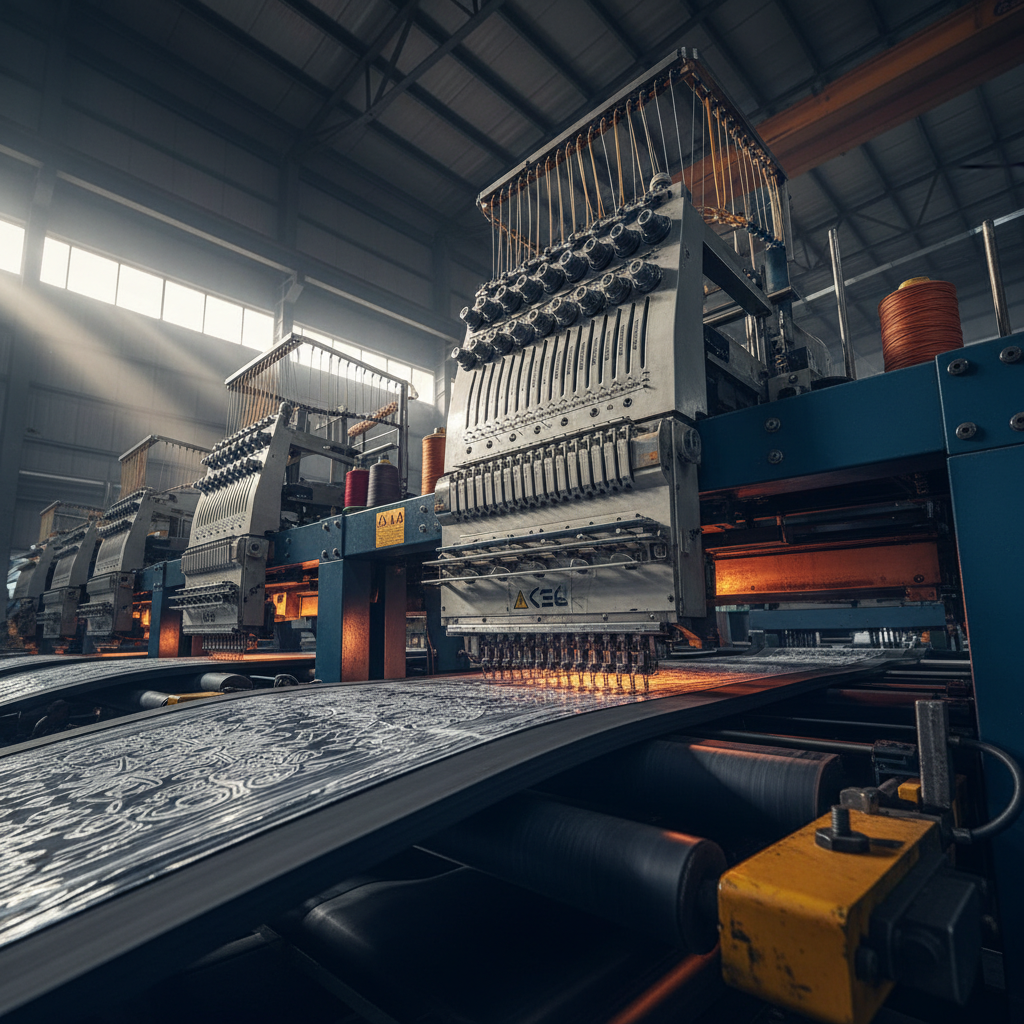
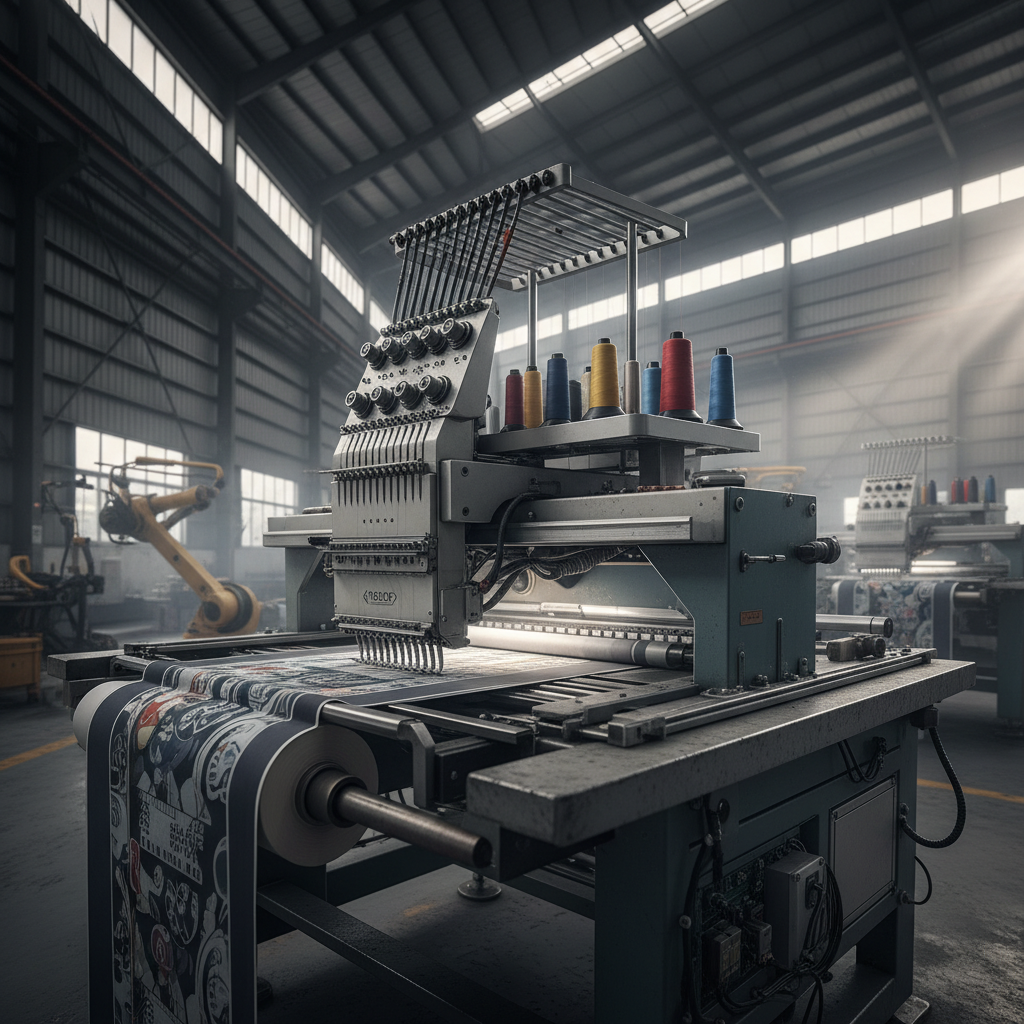
At its heart, machine embroidery relies on the precise coordination of mechanical components and digital controls. The process involves feeding fabric through an embroidery machine, where a needle and thread create designs based on pre-programmed digital patterns. The quality of the embroidery depends on factors like thread type, fabric density, and the precision of the machine itself.
Understanding the core principles of machine embroidery – digitization, stitch types, fabric stabilization, and machine maintenance – is crucial for achieving optimal results. Proper digitization ensures that designs translate accurately from digital files to fabric, while the correct stitch type and fabric stabilization techniques prevent puckering and distortion. Regular machine maintenance guarantees consistent performance and extends the lifespan of the equipment.
The Global Reach of machine embroidery
Machine embroidery has become a truly global phenomenon, transcending geographical boundaries and cultural differences. It’s a cornerstone of textile production in countries like China, India, and Vietnam, where large-scale manufacturing operations cater to international demand. However, machine embroidery is also thriving in developed nations, with a growing number of small businesses and hobbyists embracing the technology for customized apparel and crafts.
The demand for machine embroidery extends across diverse industries, from fashion and sportswear to home décor and advertising. The rise of fast fashion and the growing popularity of personalized gifts have further amplified the need for efficient and high-quality embroidery solutions. This widespread adoption has led to a significant increase in the global trade of embroidered products, creating economic opportunities for businesses and individuals worldwide.
The industry is characterized by a complex network of suppliers, manufacturers, and distributors, creating a dynamic and competitive marketplace. Companies specializing in embroidery machines, threads, stabilizers, and software play crucial roles in supporting the growth and innovation of the sector.
Defining machine embroidery and its Applications
Machine embroidery is a process where a computer-controlled embroidery machine uses a needle to stitch designs onto fabric. Unlike hand embroidery, which relies on manual skill and labor, machine embroidery offers speed, precision, and the ability to reproduce complex patterns consistently. The designs are created digitally using specialized software and then transferred to the machine for execution.
The connection between machine embroidery and modern industry is undeniable. It's a critical component of apparel manufacturing, allowing for the mass production of branded clothing, logos, and decorative elements. Beyond fashion, machine embroidery finds applications in a wide range of fields, including creating custom patches for military and law enforcement uniforms, embellishing home textiles like towels and linens, and producing promotional items for businesses.
Machine embroidery also plays a humanitarian role. For instance, it can be used to create durable, branded clothing for disaster relief efforts, providing comfort and dignity to those affected. It can also empower local artisans in developing countries by providing them with the tools to create and sell embroidered products, fostering economic independence.
Key Factors Driving machine embroidery Success
Several core aspects contribute to the enduring success and widespread adoption of machine embroidery. Durability is a primary advantage. Embroidered designs are inherently long-lasting, resistant to fading and wear, making them ideal for items that require repeated use and washing.
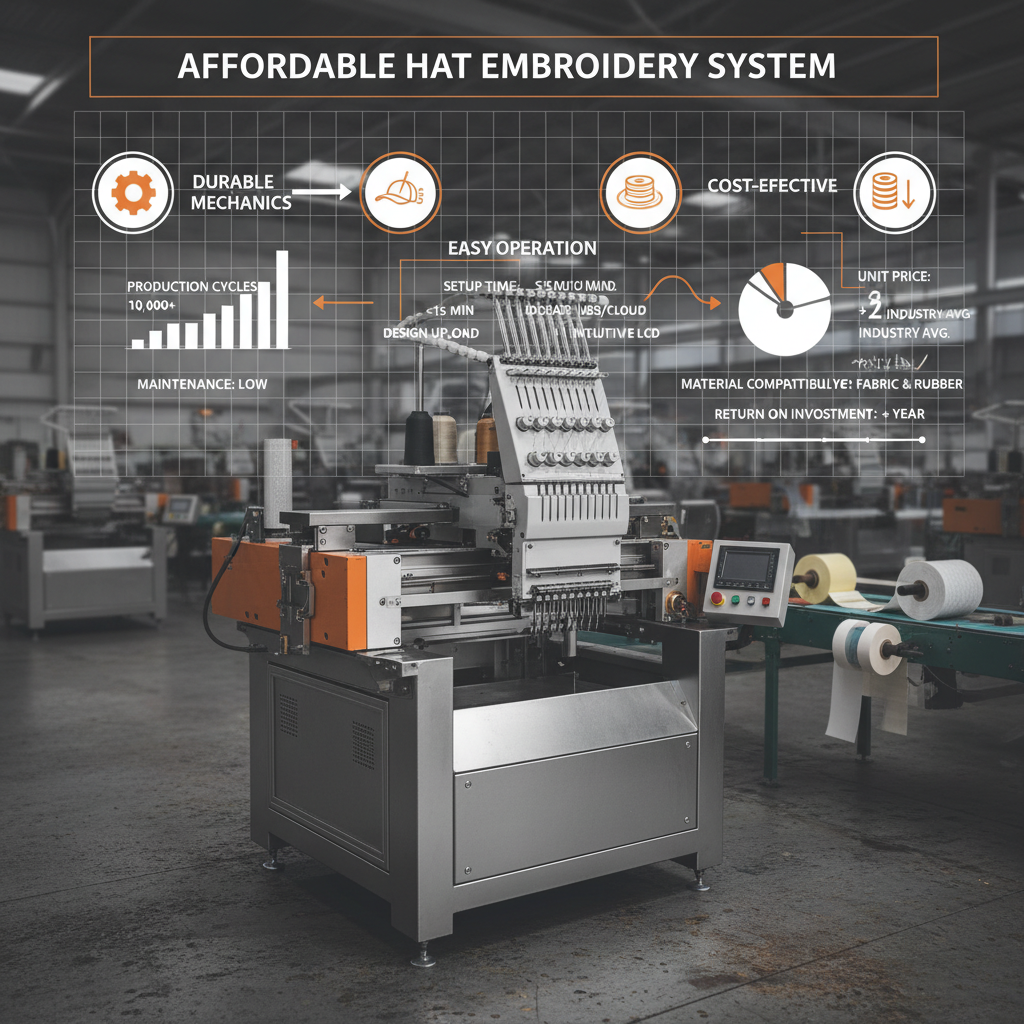
Scalability is another critical factor. Machine embroidery enables businesses to quickly and efficiently produce large volumes of customized products, meeting the demands of diverse clients and markets. Cost Efficiency is enhanced through automation and reduced labor costs. While initial investment in equipment can be substantial, the long-term savings associated with faster production and lower labor expenses make machine embroidery a financially attractive option.
Comparison of machine embroidery Methods
Real-World Applications of machine embroidery
Machine embroidery is deeply integrated into the fashion industry, used extensively for branding, embellishing garments with intricate designs, and creating customized apparel for diverse clients. From high-end designer brands to fast-fashion retailers, embroidery adds value and distinction to clothing lines.
In the corporate world, machine embroidery is indispensable for creating branded uniforms, promotional merchandise, and corporate gifts. Companies utilize embroidered logos on shirts, jackets, hats, and bags to enhance brand recognition and foster a sense of team identity.
The Lasting Value of machine embroidery
The tangible benefits of machine embroidery are numerous. Reduced production costs, increased efficiency, and enhanced product quality contribute to improved profitability. Moreover, the technology's versatility allows businesses to adapt quickly to changing market demands and offer customized solutions tailored to specific client needs.
Beyond the economic advantages, machine embroidery offers significant social and emotional value. Personalized embroidered items evoke a sense of connection and sentimentality, making them cherished gifts and keepsakes. The ability to create unique and meaningful products fosters customer loyalty and enhances brand image.
Future Trends in machine embroidery Technology
The future of machine embroidery is poised for exciting advancements, driven by innovations in software, hardware, and materials. The integration of artificial intelligence (AI) and machine learning algorithms promises to automate complex design processes, optimize stitch patterns, and improve production efficiency.
Sustainable materials and eco-friendly embroidery threads are gaining prominence, reflecting a growing commitment to environmental responsibility. Digital transformation and cloud-based embroidery design platforms are enabling seamless collaboration and remote production capabilities.
Furthermore, the development of 3D embroidery techniques and the exploration of new fabric substrates are expanding the creative possibilities of the technology. These emerging trends will shape the future of machine embroidery and solidify its position as a vital component of the textile industry.
Summary of Machine Embroidery Technology Challenges and Solutions
| Challenge |
Impact on Production |
Potential Solution |
Implementation Cost (1-10) |
| Thread Breakage |
Reduced production speed, increased waste. |
Improved thread tension control, higher quality thread. |
3 |
| Digitization Errors |
Incorrect stitch patterns, design distortion. |
Advanced digitization software, skilled operators. |
6 |
| Fabric Puckering |
Compromised design quality, garment deformation. |
Appropriate fabric stabilization techniques. |
2 |
| Machine Maintenance |
Equipment downtime, reduced productivity. |
Regular preventative maintenance schedule. |
4 |
| Color Matching |
Inaccurate color reproduction, brand inconsistency. |
Digital color calibration tools, high-quality threads. |
5 |
| Design Complexity |
Increased production time, potential errors. |
Optimized stitch patterns, AI-powered design assistance. |
7 |
FAQS
Home-based machines typically have a smaller embroidery field, fewer needles, and are designed for lighter-duty projects. Industrial machines, on the other hand, offer larger embroidery areas, multiple needles for multi-color designs, higher speeds, and increased durability. They are built for continuous, high-volume production. The cost is significantly higher for industrial machines, but the increased efficiency and capabilities often justify the investment for businesses.
The startup costs for a small machine embroidery business can vary widely, ranging from $5,000 to $20,000 or more. Major expenses include the embroidery machine itself ($2,000 - $10,000+), digitizing software ($500 - $2,000), thread, stabilizers, and other supplies ($500 - $1,000). Additional costs include a computer, design services (if not digitizing yourself), and marketing/advertising expenses.
The best fabrics for machine embroidery are generally stable and medium-weight. Cotton, linen, and polyester blends are excellent choices. Knits can also be embroidered, but they often require a stabilizer to prevent distortion. Avoid overly stretchy or loosely woven fabrics, as they can be difficult to embroider cleanly. Always test a sample before embroidering a large run.
Puckering is a common issue with machine embroidery, especially on knits or stretchy fabrics. Using a stabilizer is crucial. Choose a stabilizer appropriate for the fabric weight and type (cut-away, tear-away, or water-soluble). Reducing the stitch density can also help. Consider using a lighter-weight thread and adjusting the machine tension to minimize fabric distortion. Testing on scrap fabric is vital.
Several software options are available for digitizing embroidery designs. Popular choices include Wilcom EmbroideryStudio, Embrilliance Essentials, and PE-Design by Brother. These programs allow you to create, edit, and convert artwork into stitch files that can be read by your embroidery machine. The complexity and cost of the software vary, so choose one that suits your skill level and needs.
Regular maintenance is essential for keeping your machine embroidery machine running smoothly. Oil the machine according to the manufacturer's recommendations (typically after every 8-10 hours of use). Clean lint and debris from the bobbin area and needle plate frequently. Replace needles regularly (every few hours of use or when they become dull). Perform a more thorough cleaning and inspection every few months to prevent major issues.
Conclusion
Machine embroidery represents a powerful convergence of technology and artistry, offering a versatile solution for a wide range of applications. From enhancing product quality and branding to empowering creative expression and fostering economic opportunity, the benefits are far-reaching and continually evolving. Its scalability, durability, and potential for customization make it an essential component of the modern textile industry.
Looking ahead, the future of machine embroidery is bright, driven by innovations in automation, sustainability, and design software. Embracing these advancements will unlock new levels of efficiency, creativity, and environmental responsibility. For those seeking to harness the power of personalized textiles, explore the possibilities at www.xtpfsm.com.