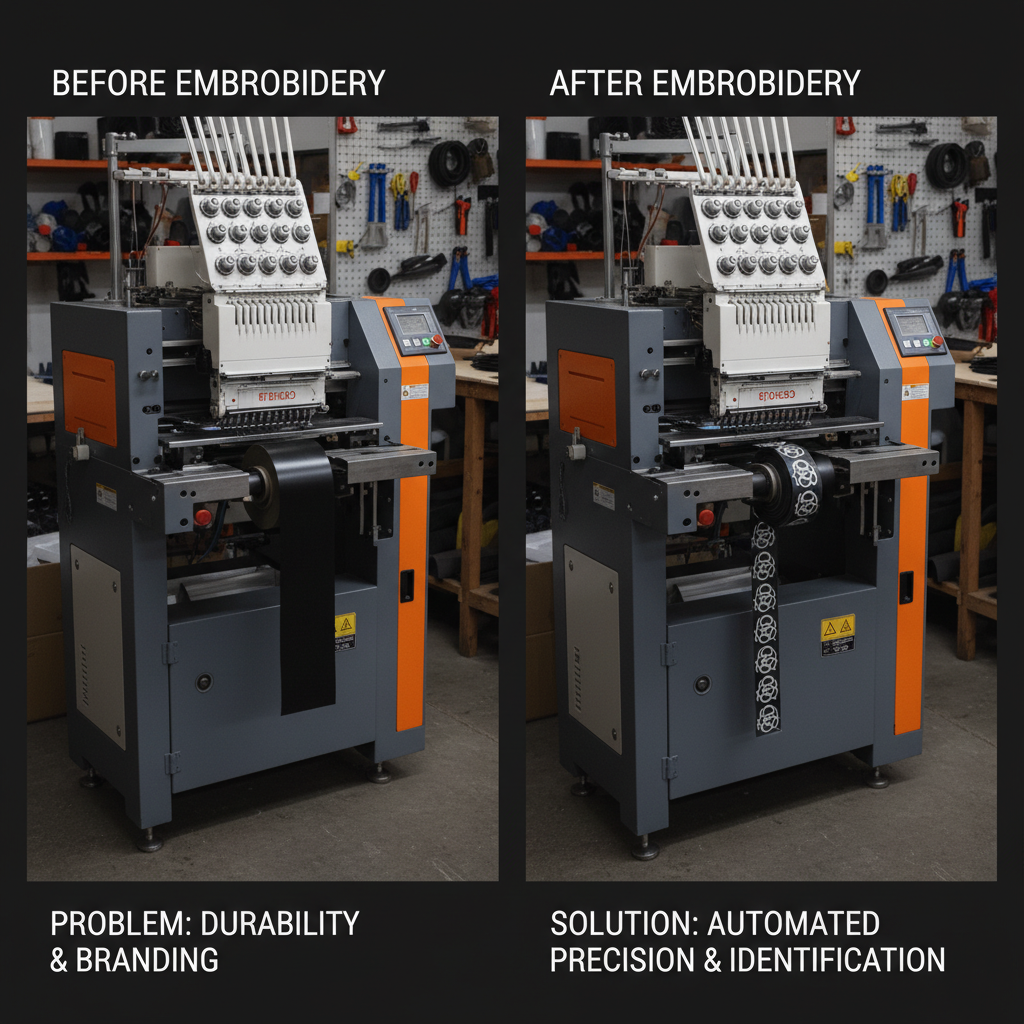
The 12 head embroidery machine represents a significant advancement in textile production, offering unparalleled efficiency and scalability for businesses of all sizes. Its ability to simultaneously embroider multiple designs dramatically reduces production time and labor costs, making it a crucial investment for companies seeking to remain competitive in the global market. Understanding the nuances of these machines – from their technological capabilities to their practical applications – is paramount for optimizing production processes and maximizing return on investment.
Globally, the demand for personalized and high-quality embroidered goods continues to rise, driven by trends in fashion, promotional merchandise, and bespoke apparel. The 12 head embroidery machine directly addresses this demand by providing the capacity to fulfill large orders quickly and accurately. This capability extends beyond commercial applications, finding relevance in educational institutions offering textile arts programs and even small-scale entrepreneurial ventures.
Investing in a 12 head embroidery machine isn't simply acquiring equipment; it's adopting a solution that unlocks greater production potential, reduces operational expenses, and empowers businesses to respond dynamically to evolving market demands. Its versatility and efficiency make it an indispensable asset in the modern textile landscape.
The Core Functionality of a 12 Head Embroidery Machine
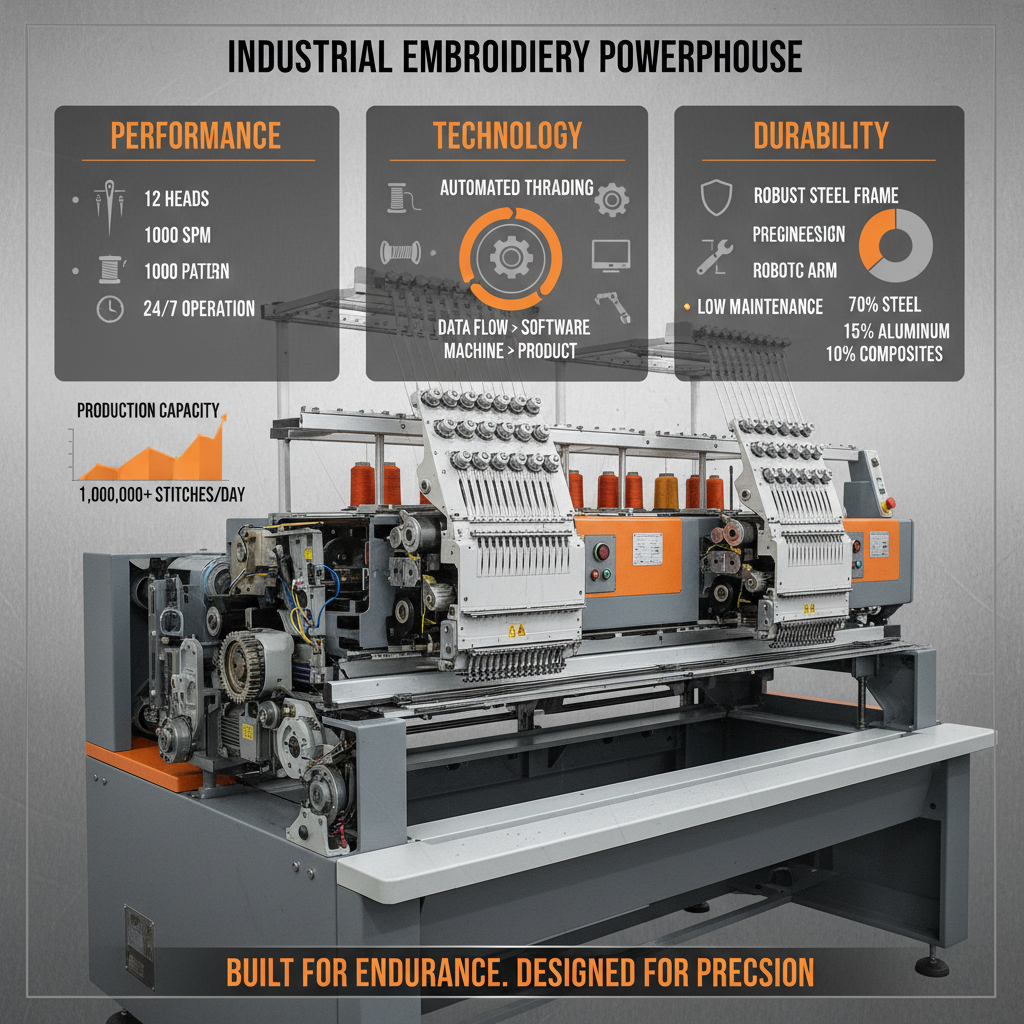
At its core, a 12 head embroidery machine utilizes multiple embroidery heads – in this case, twelve – working concurrently on a single frame or multiple smaller frames. This parallel processing capability drastically increases output compared to single-head machines. Each head independently executes a pre-programmed design, allowing for a mix of different patterns on a single garment or batch of items.
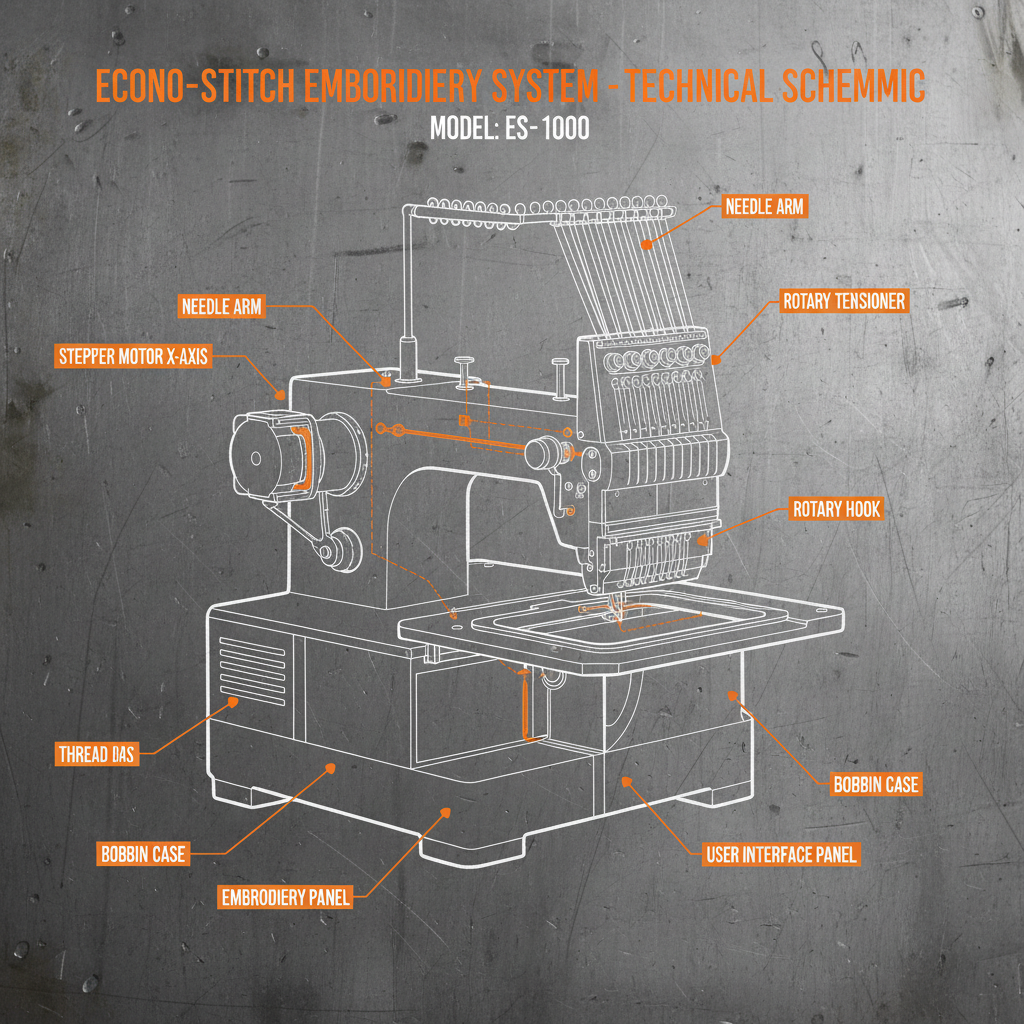
This functionality translates into significant time savings, particularly for businesses handling large orders or requiring diverse design applications. The machine is controlled by sophisticated software that translates digital designs into precise movements of the embroidery heads, ensuring accuracy and consistency. The ability to handle a variety of fabrics and thread types further expands the versatility of a 12 head embroidery machine.
Global Market Dynamics and the 12 Head Machine
The global embroidery market is experiencing steady growth, fueled by increasing consumer demand for personalized products and a resurgence in the popularity of handcrafted goods. According to recent industry reports, the textile machinery market, including embroidery machines, is projected to reach significant values in the coming years. This growth is particularly pronounced in emerging economies with expanding textile industries.
The 12 head embroidery machine plays a critical role in meeting this growing demand. Its capacity to handle large-scale production makes it an essential tool for manufacturers supplying retailers and wholesalers. Furthermore, the machine's ability to produce high-quality embroidery allows businesses to cater to premium market segments.
Competition within the embroidery market is intense, with businesses constantly seeking ways to optimize efficiency and reduce costs. The 12 head embroidery machine provides a competitive advantage by enabling faster turnaround times, lower per-unit production costs, and the ability to handle complex designs.
Defining a 12 Head Embroidery Machine
A 12 head embroidery machine is a multi-needle embroidery machine equipped with twelve independent embroidery heads. Each head functions as a separate embroidery station, capable of stitching a different design simultaneously. This configuration significantly increases production capacity compared to single or multi-head machines with fewer heads. The machine typically operates using computerized control, allowing for intricate and precise design execution.
Its connection to modern industry is undeniable. The machine streamlines the creation of branded apparel, promotional items, personalized gifts, and complex textile art. From large-scale garment manufacturers to small businesses offering customized services, the 12 head embroidery machine serves as a cornerstone of efficient and high-quality textile production.
The humanitarian applications, though less obvious, are also present. In areas rebuilding after disaster, the ability to quickly produce branded clothing or relief items can be invaluable. Similarly, empowering local communities with access to embroidery machines can foster economic independence and preserve traditional crafts.
Key Aspects of 12 Head Embroidery Machine Performance
Several key factors define the performance and value of a 12 head embroidery machine. First, Durability is paramount. A robustly constructed machine with high-quality components ensures longevity and minimizes downtime, crucial for maintaining consistent production. Secondly, Scalability is a significant advantage; the machine can adapt to increasing order volumes without requiring a complete overhaul of production infrastructure.
Cost Efficiency is another critical aspect. While the initial investment may be higher than that of single-head machines, the increased output and reduced labor costs translate into lower per-unit production costs over time. Design Versatility allows for intricate designs, various thread types, and a wide range of fabric compatibility. Finally, User-Friendliness through intuitive software and easy-to-learn operation contributes to a smooth workflow and minimizes training requirements.
12 Head Embroidery Machine Performance Metrics
Real-World Applications of 12 Head Embroidery Machines
The applications of a 12 head embroidery machine are incredibly diverse. In the apparel industry, they are used for mass production of branded clothing, uniforms, and customized fashion items. Promotional product companies leverage them to add logos and designs to caps, bags, and other merchandise. Educational institutions utilize them to train students in textile arts and design.
In remote industrial zones where customized apparel is in demand, a 12 head machine can establish a viable local business. Similarly, in post-disaster relief operations, these machines can be used to produce essential items like clothing and blankets with identifying logos or messages, providing both practical assistance and a sense of community.
The Long-Term Value Proposition
The tangible benefits of investing in a 12 head embroidery machine extend beyond immediate production gains. Reduced labor costs, increased output, and the ability to handle diverse design requirements contribute to a significant return on investment. Sustainability is also a factor, as efficient production minimizes waste and optimizes resource utilization.
Beyond the economic advantages, the machine fosters innovation, allows for creative expression, and builds trust with customers through the delivery of high-quality, customized products. The enhanced reputation and customer loyalty resulting from consistent quality and timely delivery represent an invaluable long-term asset.
Future Trends and Innovations in 12 Head Embroidery Machine Technology
The future of 12 head embroidery machine technology is poised for significant advancements. We can expect to see increased integration of automation and artificial intelligence to optimize production processes and reduce human error. Developments in thread technology, including sustainable and biodegradable options, will drive eco-friendly practices.
Digital transformation will play a key role, with cloud-based design software and remote monitoring capabilities enhancing accessibility and control. Furthermore, innovations in machine learning algorithms will enable machines to adapt to different fabrics and designs automatically, maximizing efficiency and quality.
The push towards more sustainable manufacturing practices will also influence design, leading to more eco-friendly materials and waste reduction strategies within the embroidery process.
Summary of Factors Influencing 12 Head Embroidery Machine Selection
| Machine Capacity |
Software Compatibility |
Maintenance Requirements |
Cost of Operation |
| Number of Heads (12) & Maximum Embroidery Area |
Compatibility with Common Embroidery Design Formats (e.g., DST, PES) |
Frequency of Parts Replacement & Ease of Access |
Electricity Consumption & Thread Costs |
| Production Speed (Stitches per Minute) |
User-Friendliness of Design Editing & Management Tools |
Availability of Technical Support & Training Resources |
Labor Costs Associated with Machine Operation |
| Maximum Fabric Thickness Capability |
Integration with Other Production Systems (e.g., Inventory Management) |
Warranty Coverage & Reliability of Components |
Maintenance Costs (Preventive & Corrective) |
| Range of Supported Embroidery Techniques |
Automatic Thread Trimming & Color Change Features |
Availability of Spare Parts |
Energy Efficiency Rating |
| Precision & Accuracy of Stitch Placement |
Networking Capabilities for Data Transfer & Remote Control |
Ease of Troubleshooting Common Issues |
Impact on Overall Production Costs |
| Ability to Handle Different Types of Embroidery Threads |
Security Features to Protect Designs |
Long-Term Reliability & Durability |
Overall Return on Investment (ROI) |
FAQS
The production capacity of a 12 head embroidery machine varies depending on factors like design complexity, fabric type, and stitch density. However, a well-maintained machine can typically produce between 500 to 1500 embroidered items per 8-hour shift. This is significantly higher than single-head machines, making it ideal for larger production runs. Optimizing machine settings and streamlining the workflow can further enhance output.
Regular maintenance is crucial for ensuring the longevity and optimal performance of a 12 head embroidery machine. This includes daily cleaning of the machine bed and heads, regular lubrication of moving parts, periodic inspection and replacement of needles and bobbins, and annual professional servicing. Proper maintenance prevents breakdowns and extends the machine's lifespan.
While 12 head embroidery machines are sophisticated, most modern models are designed with user-friendliness in mind. The learning curve typically ranges from a few weeks to a few months, depending on the operator's prior experience and technical aptitude. Training courses are readily available, and many manufacturers provide comprehensive manuals and support resources.
A 12 head embroidery machine can handle a wide variety of fabrics, including cotton, polyester, denim, fleece, and leather. However, certain fabrics may require specific needles, threads, and stabilizers to achieve optimal results. It's important to test different settings and materials to determine the best configuration for each fabric type.
The cost of a 12 head embroidery machine can vary significantly depending on the brand, features, and level of automation. Generally, prices range from $15,000 to $50,000 or more. It's essential to consider the long-term return on investment, including increased production capacity and reduced labor costs, when evaluating the cost of the machine.
Most 12 head embroidery machines are compatible with a range of embroidery software, including popular options like Wilcom EmbroideryStudio, Tajima DG/ML by Pulse, and CorelDRAW. These software packages allow users to create, edit, and digitize embroidery designs, and then transfer them to the machine for production. Compatibility should be verified before purchasing software.
Conclusion
The 12 head embroidery machine stands as a cornerstone of modern textile production, offering unparalleled efficiency, scalability, and versatility. From streamlining large-scale manufacturing to enabling customized apparel, its impact on the industry is profound. Understanding its core functionalities, global market dynamics, and future trends is essential for businesses seeking to thrive in a competitive landscape.
As technology continues to advance, we can anticipate even more innovative features and capabilities in 12 head embroidery machines, further enhancing their value and driving growth in the textile industry. To learn more about how a 12 head embroidery machine can transform your business, visit our website: 12 head embroidery machine.