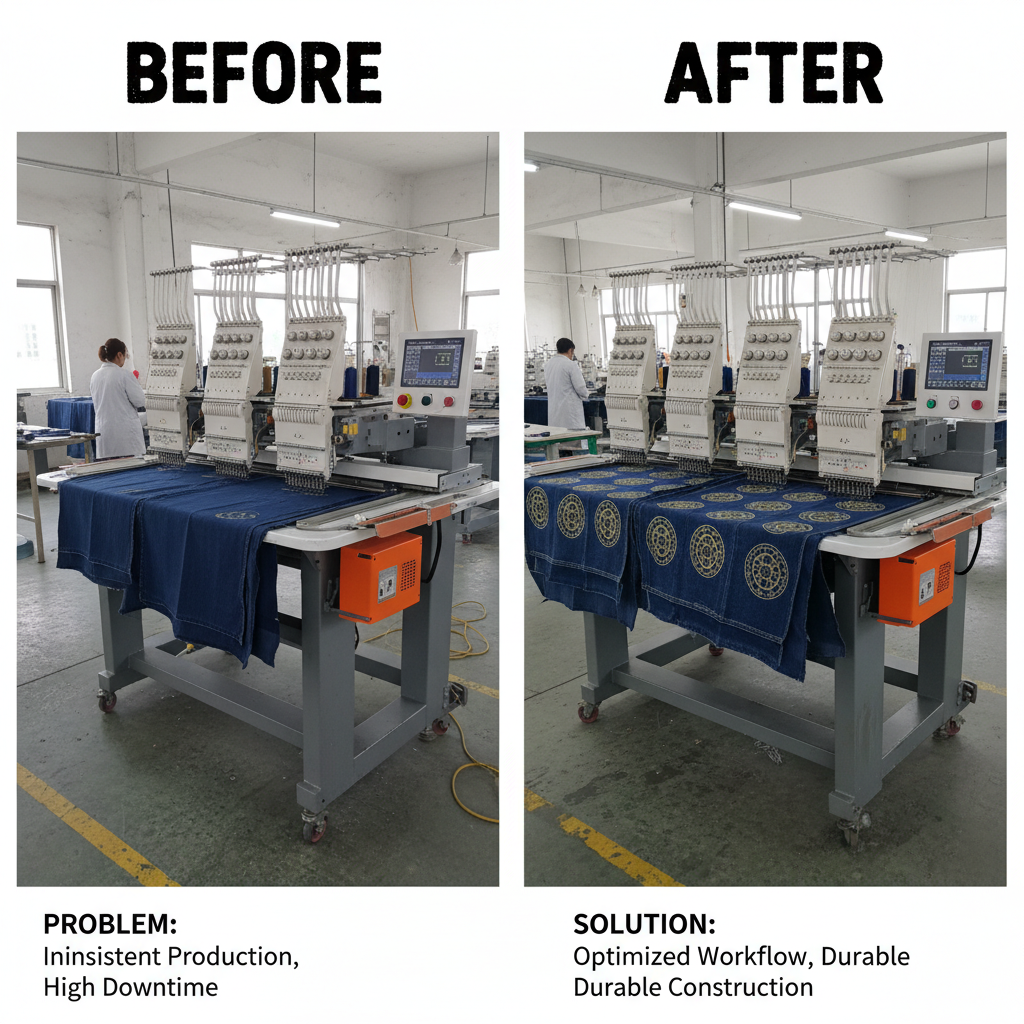
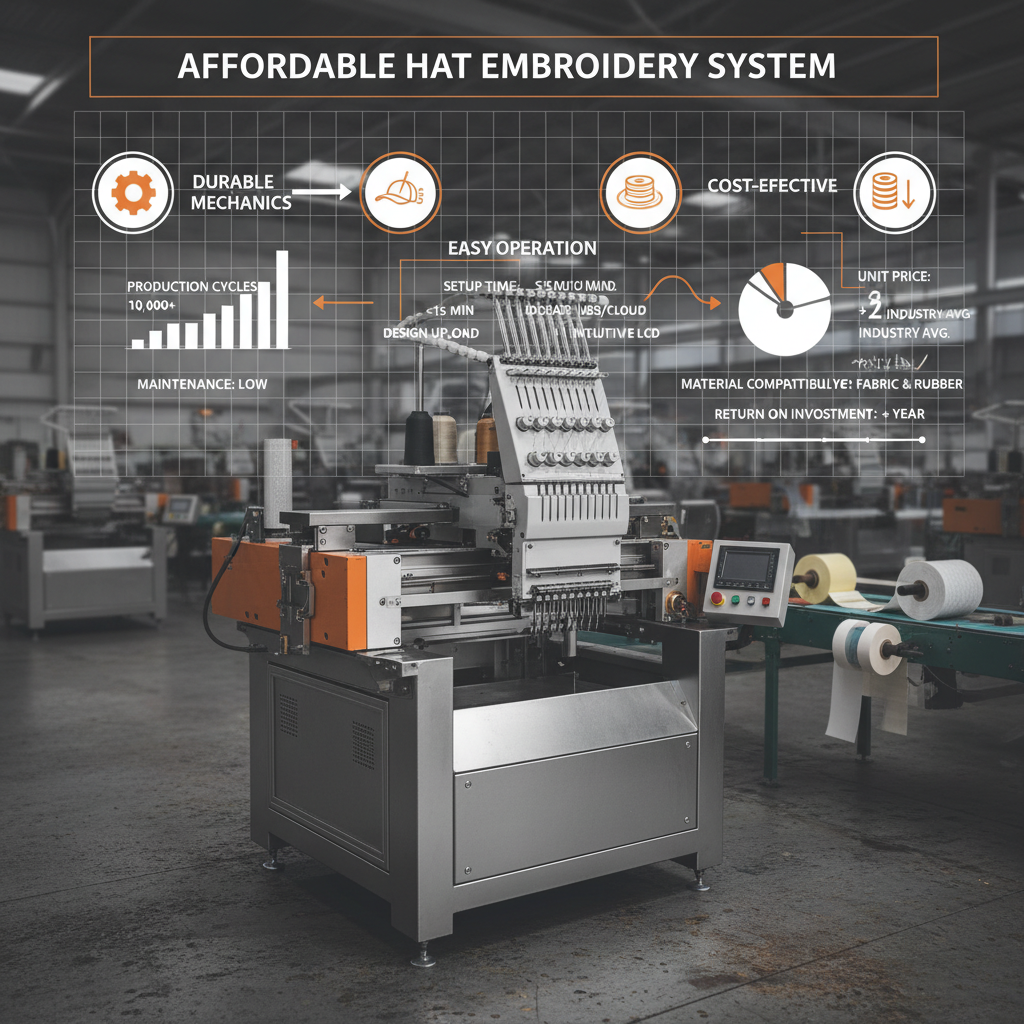
The global market for personalized apparel is booming, and the demand for high-quality, efficient cap embroidery is at its core. Cap embroidery machines represent a critical technology for businesses ranging from small startups creating custom merchandise to large-scale manufacturers fulfilling bulk orders. Understanding the nuances of these machines – their capabilities, applications, and future trends – is vital for anyone involved in the textile, branding, or promotional product industries. A reliable cap embroidery machine can significantly reduce production time, increase precision, and ultimately, improve profitability.
The increasing focus on branding and personalization drives the need for versatile and scalable embroidery solutions. Consumers are increasingly seeking unique items that reflect their individuality, and businesses respond by offering customizable products. This shift necessitates advanced cap embroidery machines capable of handling diverse designs and materials efficiently. The technology isn't merely about aesthetics; it's about meeting market demands and staying competitive in a rapidly evolving landscape.
Investing in understanding the advancements within cap embroidery machine technology isn't simply about acquiring equipment, it's about strategically positioning a business for future growth and success. From enhanced automation to more sophisticated software integration, these developments are shaping the future of personalized apparel production, and are crucial for remaining relevant in a globalized market.
The Core Components of Cap Embroidery Machine
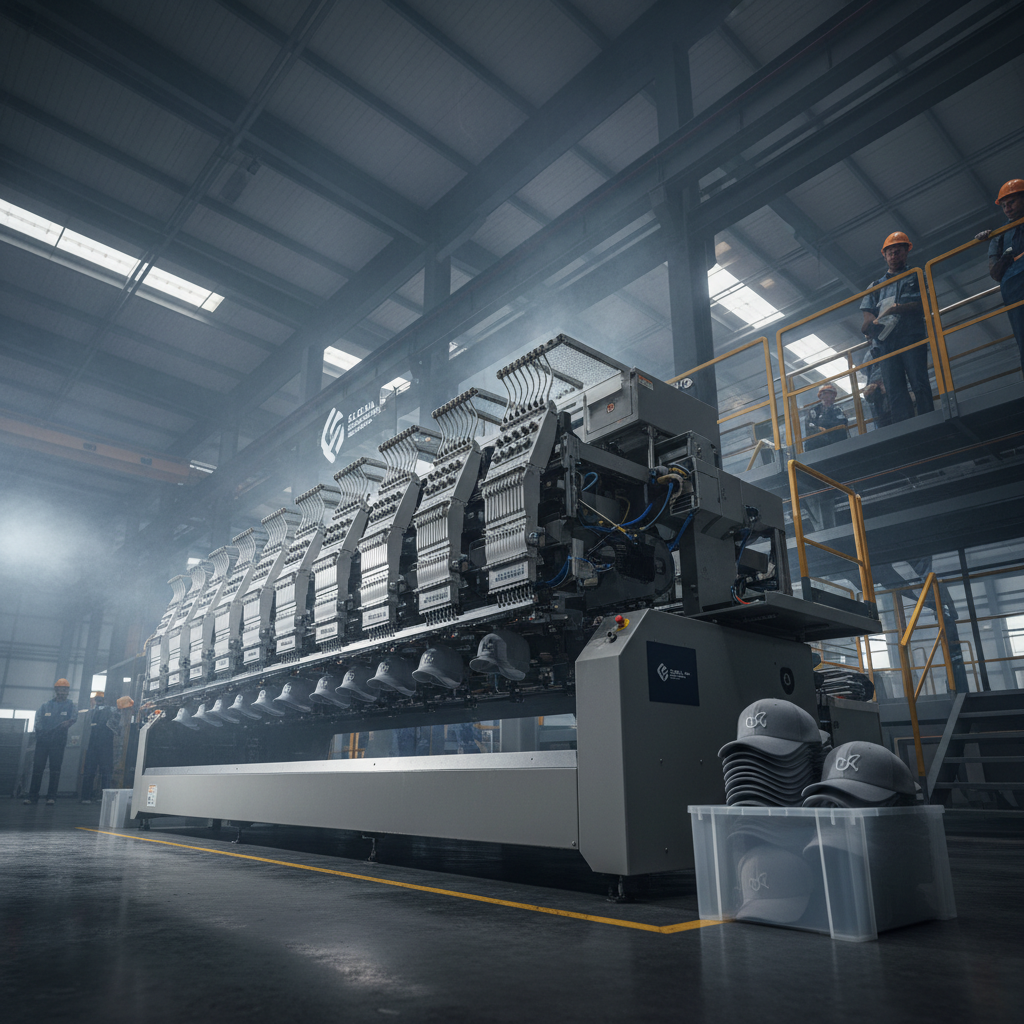
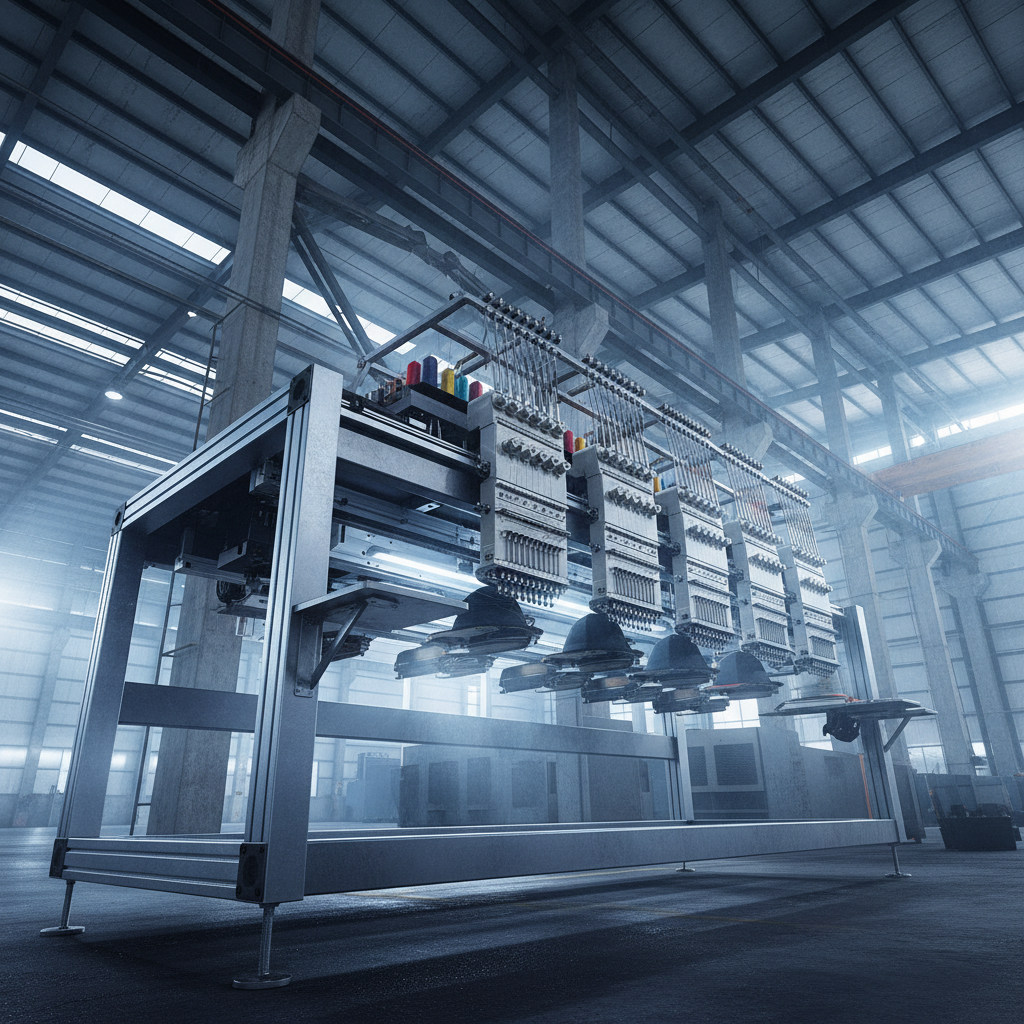
A cap embroidery machine isn't a single entity, but a carefully integrated system. At its heart lies the embroidery head, responsible for the actual stitching. This head is powered by a servo motor, enabling precise and controlled movement. The frame clamping system securely holds the cap during the embroidery process, ensuring accurate design placement. A quality cap embroidery machine will incorporate these core elements with superior materials and construction.
Beyond the core mechanics, the control panel and software play a critical role. Modern machines feature user-friendly interfaces, allowing operators to easily input designs, adjust settings, and monitor the embroidery process. Sophisticated software is essential for converting artwork into stitch patterns and optimizing embroidery parameters for different cap materials and design complexities.
Global Relevance and Industry Context
The global textile industry is a multi-trillion-dollar market, with a significant and growing segment dedicated to personalized apparel. According to Statista, the global customized t-shirt market alone is projected to reach $8.4 billion by 2028. Cap embroidery is a vital component of this personalization trend, serving diverse sectors like sports teams, corporate branding, and fashion. This demonstrates the crucial role of a capable cap embroidery machine in meeting global demand.
The demand for faster turnaround times and higher quality embroidery is fueled by the rise of e-commerce and direct-to-consumer models. Businesses need reliable and efficient machines to meet these expectations. The United Nations Conference on Trade and Development (UNCTAD) highlights the increasing importance of value-added textile products, emphasizing the need for advanced manufacturing technologies like automated cap embroidery.
Increasingly, the industry faces challenges from supply chain disruptions and the need for sustainable practices. Businesses are looking for durable and energy-efficient cap embroidery machine options that can minimize waste and reduce their environmental footprint, while also ensuring consistent production quality and meeting stringent customer expectations.
Defining Cap Embroidery Machines
A cap embroidery machine is a specialized piece of equipment designed to decorate caps and hats with thread-based designs. Unlike flatbed embroidery machines used for fabrics, cap embroidery machines utilize a cylindrical frame to accommodate the curved shape of headwear. These machines precisely position the cap under the embroidery head, allowing for intricate designs to be stitched onto the surface.
The core functionality revolves around converting digital designs into a series of precise stitch patterns. Operators utilize specialized software to create or import designs, which are then read by the machine's control system. The machine automatically moves the embroidery head along the cap's surface, creating the desired pattern. Modern machines often support multiple needles, allowing for designs with a wide range of colors.
Cap embroidery machines are integral to a wide range of industries, including sports apparel, promotional merchandise, and fashion. They enable businesses to offer customized headwear, enhancing brand visibility and customer satisfaction. The quality and precision of a cap embroidery machine directly impact the final product’s appeal and durability.
Key Factors Influencing Cap Embroidery Machine Performance
The performance of a cap embroidery machine is influenced by several key factors, starting with its speed and efficiency. Faster machines, with optimized stitching algorithms, can significantly increase production output. Durability is another crucial aspect; a robust machine built with high-quality components can withstand heavy use and minimize downtime.
Scalability refers to the machine's ability to handle different cap sizes, styles, and design complexities. Machines with adjustable frames and versatile software can accommodate a wider range of customization requests. Cost efficiency encompasses not only the initial purchase price but also the ongoing maintenance, energy consumption, and thread usage.
Cap Embroidery Machine Performance Metrics
Global Applications and Use Cases of Cap Embroidery Machine
Cap embroidery machines are utilized across a diverse range of industries worldwide. In the sports apparel sector, they’re essential for creating team logos and player names on baseball caps, visors, and other headwear. The promotional products industry relies heavily on these machines for branding merchandise for corporate events and marketing campaigns.
Educational institutions use them to personalize caps for school teams and clubs. Fashion designers employ cap embroidery machines to add intricate details and unique embellishments to their designs. In remote industrial zones, they offer opportunities for small businesses to provide custom embroidery services to local communities.
Advantages and Long-Term Value Proposition
Investing in a quality cap embroidery machine offers numerous tangible benefits. Reduced labor costs through automation, increased production speed, and consistent embroidery quality all contribute to improved profitability. The ability to offer customized designs enhances brand appeal and customer loyalty.
Beyond the financial advantages, a reliable machine fosters trust with clients by ensuring consistent, high-quality results. This builds a strong reputation and encourages repeat business. The long-term value proposition extends to increased efficiency, minimized downtime, and the ability to adapt to evolving market demands.
Future Trends and Innovations in Cap Embroidery Machine Technology
The future of cap embroidery machines is being shaped by several key trends. Automation and artificial intelligence are leading to machines that can automatically thread needles, detect errors, and even adjust stitch patterns based on fabric type. Digitalization is enhancing connectivity, enabling remote monitoring and control.
Sustainability is also becoming a major focus, with manufacturers developing machines that consume less energy and minimize waste. The integration of 3D embroidery capabilities is allowing for more complex and textured designs. New materials and thread technologies are expanding the creative possibilities for cap embroidery.
Expect to see increased adoption of cloud-based software solutions for design management and production scheduling, enabling seamless collaboration and optimized workflow. These innovations will further enhance the efficiency, precision, and creative potential of cap embroidery machine technology.
Key Performance Indicators for Cap Embroidery Machine Operations
| Machine Utilization Rate |
Defect Rate (%) |
Average Production Time (per cap) |
Maintenance Cost (per month) |
| 85% |
2% |
3 minutes |
$150 |
| 90% |
1.5% |
2.5 minutes |
$100 |
| 75% |
5% |
4 minutes |
$200 |
| 95% |
0.5% |
2 minutes |
$80 |
| 80% |
3% |
3.5 minutes |
$175 |
| 70% |
7% |
4.5 minutes |
$250 |
FAQS
The lifespan of a cap embroidery machine varies depending on usage and maintenance, but a well-maintained machine can typically last between 5 to 10 years. Regular lubrication, cleaning, and timely replacement of worn parts are crucial for maximizing longevity. Choosing a machine from a reputable manufacturer known for quality components also contributes to a longer lifespan. Investing in preventative maintenance, such as professional servicing, can significantly extend the machine’s operational life.
While advanced computer skills aren't mandatory, a basic understanding of computer operation is beneficial. Most modern cap embroidery machines come with user-friendly software for design input and machine control. Operators should be comfortable with tasks like importing designs, adjusting settings, and saving files. Training is often provided by the manufacturer or supplier to ensure operators can effectively utilize the machine’s features.
Cap embroidery machines are designed to handle a wide variety of cap styles, including baseball caps, visors, beanies, and more. The machine's clamping system adjusts to accommodate different cap sizes and shapes. However, certain materials, like heavily textured or very thick fabrics, might require specialized frames or adjustments. It's essential to check the machine's specifications to ensure compatibility with the intended cap material.
A typical maintenance schedule includes daily cleaning of the machine, weekly lubrication of moving parts, and monthly inspection of belts and bearings. Regularly replacing the needle and bobbin is also crucial. Annual professional servicing by a qualified technician is recommended to identify and address potential issues before they escalate. Following the manufacturer’s maintenance guidelines is essential for optimal performance.
Power consumption varies depending on the machine's size, features, and usage. A standard single-head cap embroidery machine typically consumes between 200 to 500 watts. Multi-head machines, designed for higher production volumes, can consume up to 1000 watts or more. Energy-efficient models are available, which can help reduce operating costs and environmental impact.
Common issues include thread breakage, skipped stitches, and machine errors. Thread breakage often results from incorrect tension, poor thread quality, or a dull needle. Skipped stitches can be caused by improper needle size or incorrect timing. Machine errors may indicate mechanical problems or software glitches. Consulting the machine's manual and performing basic troubleshooting steps can often resolve these issues.
Conclusion
Cap embroidery machines represent a cornerstone of the personalized apparel industry, offering businesses the ability to efficiently produce high-quality, customized headwear. From their core components to the advancements in automation and digitalization, these machines are constantly evolving to meet the demands of a rapidly changing market. Understanding the key performance indicators, future trends, and potential challenges is crucial for making informed investment decisions.
As the demand for personalized products continues to grow, investing in a reliable and versatile cap embroidery machine isn’t just about acquiring equipment; it's about securing a competitive advantage and positioning a business for long-term success. Explore the possibilities and unlock the potential of personalized branding with the right embroidery solution. Visit our website: www.xtpfsm.com