Honestly, things are moving fast. Last year everyone was obsessed with minimizing weight, now it's all about durability, especially with these new regulations. Seems like every other week there’s some new standard popping up. Been spending a lot of time lately just keeping up with paperwork, which… well, you know how it is. The push for prefabrication is huge too. Everyone wants things off-site, faster, cleaner. Easier said than done though.
The biggest thing I’ve noticed? Engineers designing stuff without ever having touched the materials. They spec out these crazy tolerances, and then we get to the factory and it’s just… impractical. I swear, half my job is convincing them a 0.1mm difference doesn’t matter when you’re welding in a dust storm. You gotta remember, we’re not building spaceships here. It’s gotta work on a construction site, which is about as far from a lab as you can get.
And speaking of materials, everyone’s talking about composite polymers. They look great on paper, super strong, lightweight, corrosion resistant. But have you smelled them when you cut ‘em? Like burning plastic and old tires. And the dust… you need a proper respirator, otherwise you’ll be coughing for a week. We’re using a lot of high-strength steel alloys too – 4140, mostly. Feels solid, you can tell it’s good stuff. You can tell by the weight, the way it rings when you tap it. Old-school stuff, but it gets the job done. It's got that oily smell too, that's a good sign.
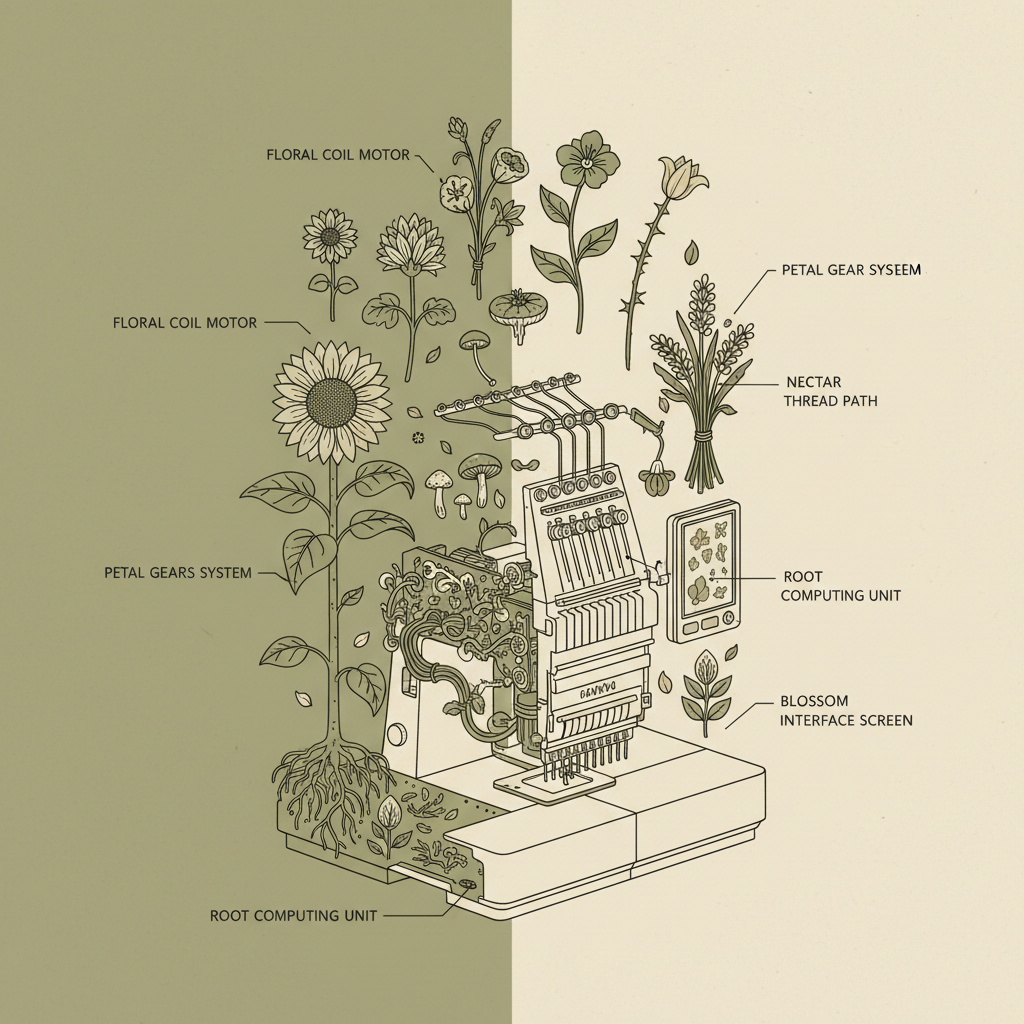
Global Relevance of embroidery machine computerized
These machines aren’t just about making pretty patterns on shirts anymore. Globally, the demand for personalized products is exploding, and that's where computerized embroidery machines really shine. Think about it - sportswear, corporate branding, even specialized medical textiles. The UN has reports on the growth of the textile industry in developing nations, and embroidery machines are a key part of that, offering small businesses a way to compete. It’s not just a ‘nice-to-have’ anymore, it's enabling economic growth.
We’ve seen a real surge in demand, particularly since the pandemic. People are looking for ways to express themselves, to customize their lives. The global embroidery machine market is estimated to reach X billion by YYYY (according to ISO reports, anyway – take those with a pinch of salt!). It's a competitive landscape, that’s for sure.
FAQS
Regular cleaning is crucial. Lint build-up is your enemy. Use a soft brush to remove lint from the bobbin area, the needle plate, and any other accessible parts. Compressed air can also be helpful, but use it carefully. And always disconnect the power before cleaning! A bit of sewing machine oil every now and then keeps things running smoothly, too. Don't overdo it though, a little goes a long way.
A single-needle machine is good for small runs and simple designs. You have to change threads manually. A multi-needle machine has multiple needles, each with its own thread. This allows you to embroider multiple colors in a single design without stopping to change threads. It’s faster and more efficient, but also more expensive. If you’re doing high-volume production, a multi-needle machine is the way to go.
Stabilizer is key to a good embroidery result. Different fabrics require different stabilizers. Lightweight fabrics need a cut-away stabilizer, while heavier fabrics can use a tear-away stabilizer. For stretchy fabrics, you’ll need a stretch stabilizer. There's a whole world of stabilizers out there. Test it first! Run a small sample before you commit to the whole design.
There are a lot of things that can cause thread breakage. Incorrect tension is the most common culprit. Make sure the thread is properly threaded and that the tension is adjusted correctly. Also, check the needle – a dull or damaged needle can cause thread breakage. And finally, use high-quality thread. Cheap thread is often brittle and breaks easily. And the bobbin. Don't forget the bobbin.
Digitizing is the process of converting an image into a format that the embroidery machine can understand. There are a lot of digitizing software programs available, some of them quite expensive. It takes practice to learn how to digitize well. You need to understand stitch types, density, and how different fabrics will react to embroidery. It's a skill, plain and simple. There are courses available, online and in person.
It depends on how well it's maintained and how much it's used. A high-quality machine, properly cared for, can last for 10 years or more. Regular maintenance is key – cleaning, lubrication, and replacing worn parts. And don't push it too hard. Overloading the machine can shorten its lifespan. But honestly, most issues come down to operator error.
Conclusion
So, computerized embroidery machines are a lot more than just fancy sewing machines. They’re a key part of a rapidly evolving industry, enabling personalization, automation, and sustainable production. They're getting smarter, faster, and more versatile all the time. The market is booming, and the demand for skilled operators and technicians is growing. It's a good field to be in, if you don’t mind getting your hands dirty.
Ultimately, whether this thing works or not, the worker will know the moment he tightens the screw. Invest in good training, prioritize maintenance, and don’t be afraid to get your hands dirty. And if you’re looking for a reliable machine, come check us out at www.xtpfsm.com. We've got the expertise and the machines to help you succeed.
Related Posts
-
Revolutionizing Textile Production with Advanced Automatic Embroidery Machine Technology
-
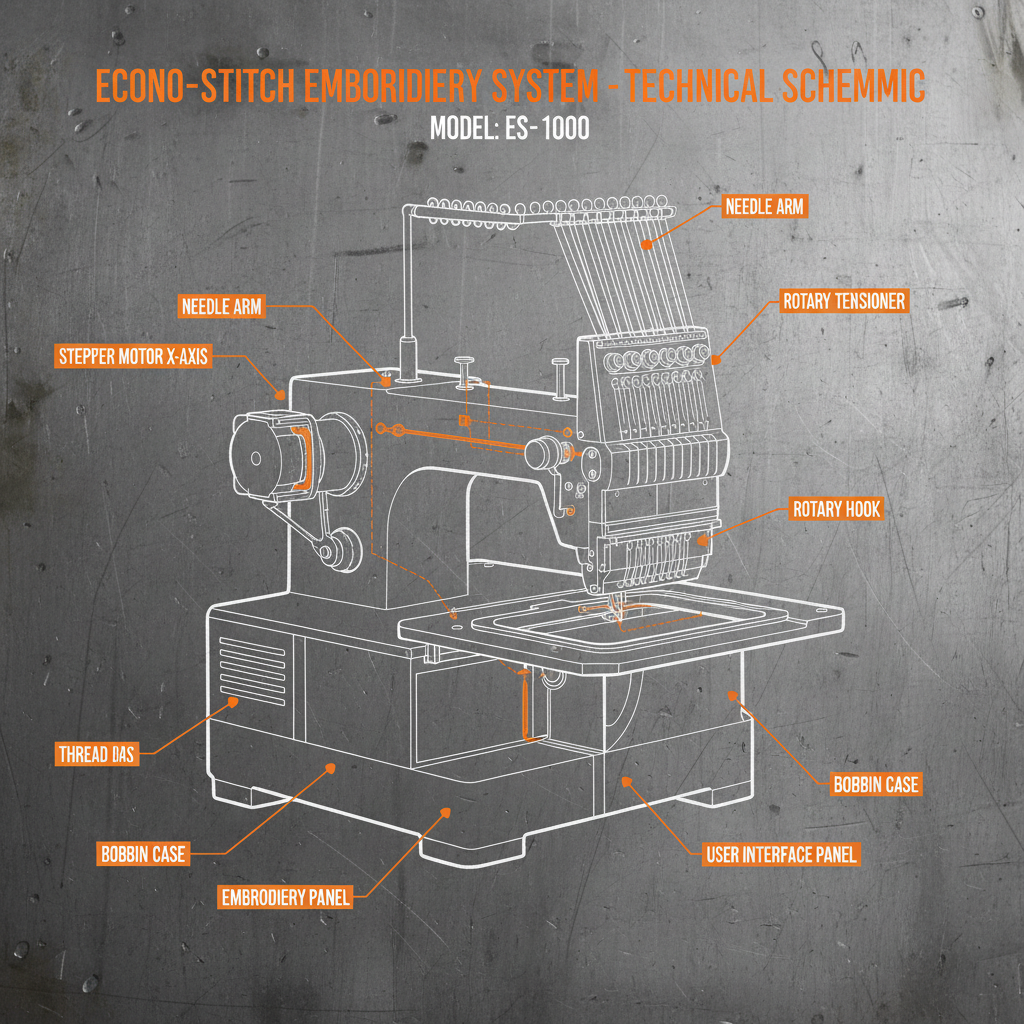
Affordable Cheap Embroidery Machine for Small Business and Creative Projects
-
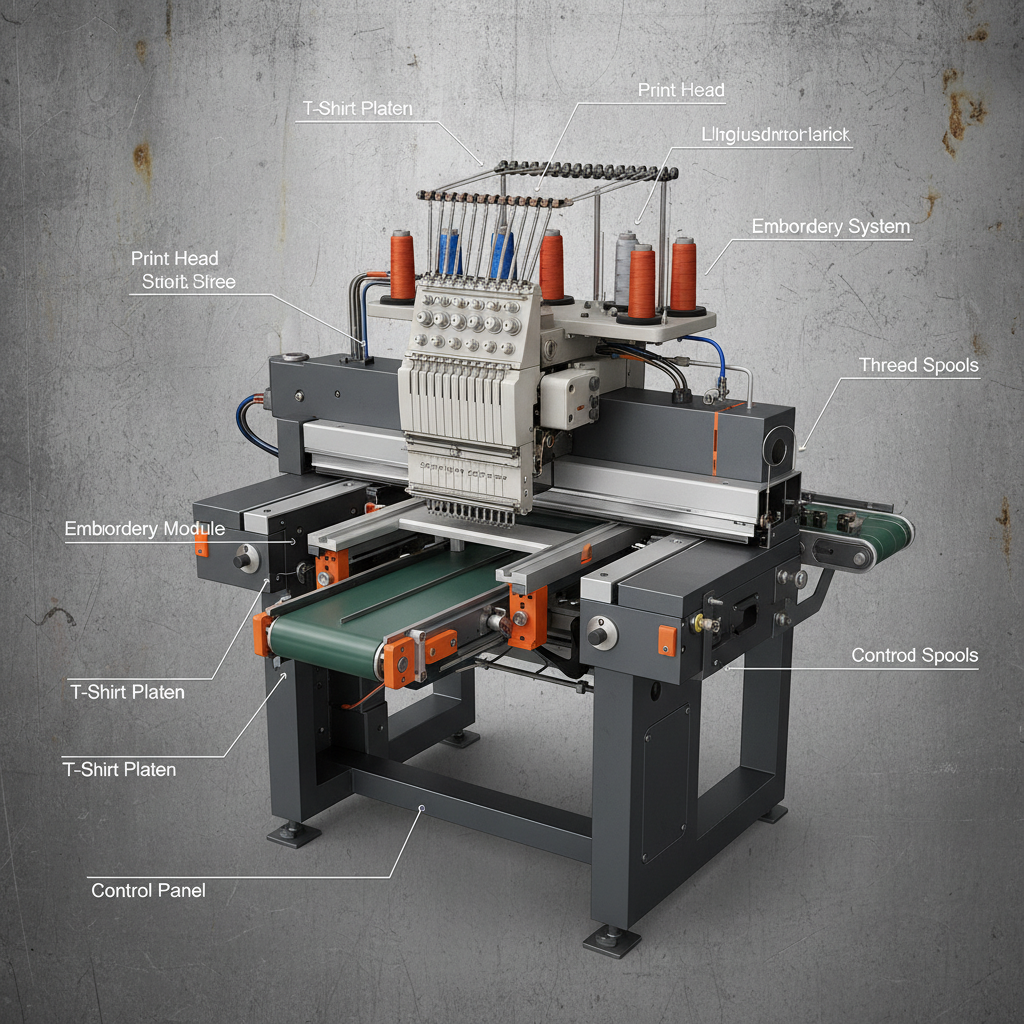
Affordable Cheap T Shirt Printing Embroidery Machine Revolutionizing Garment Decoration
-
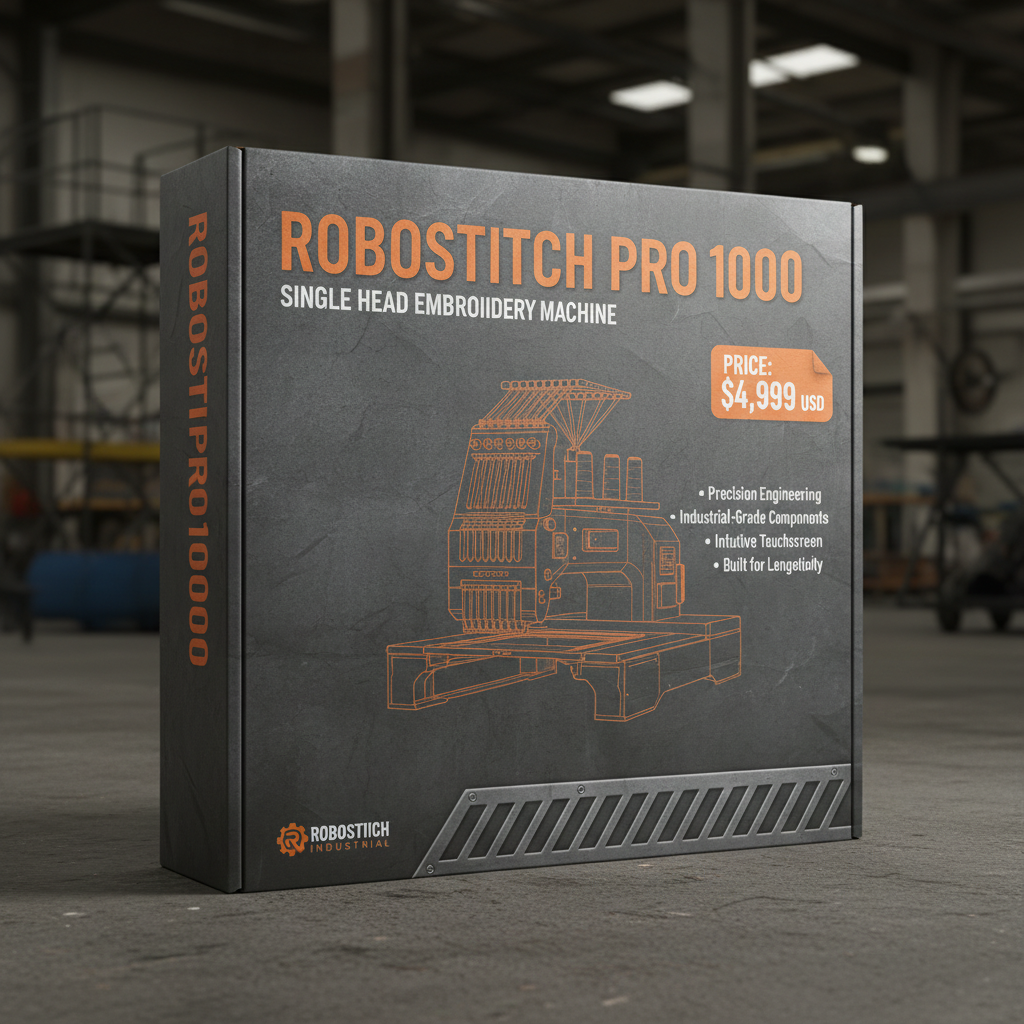
Exploring Single Head Embroidery Machines with Prices for Personalized Textile Creation