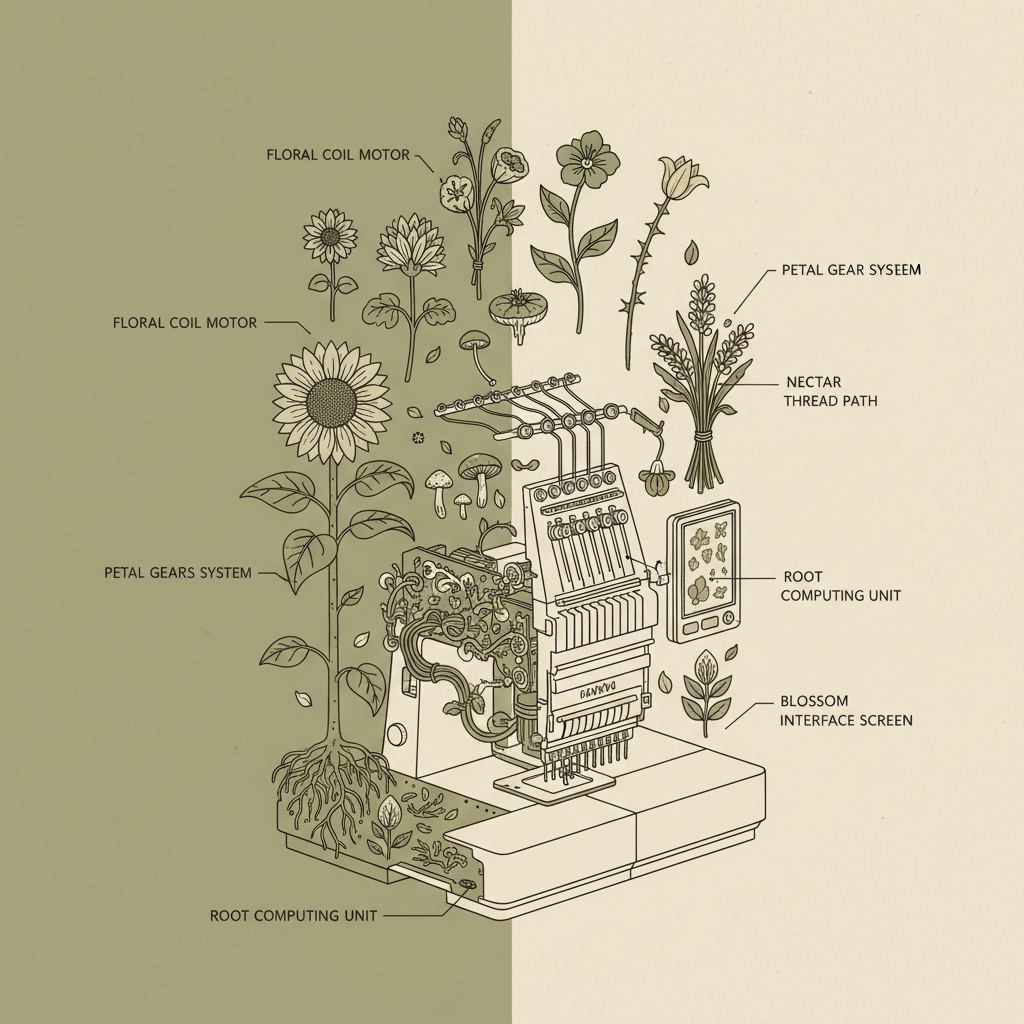
The global textile industry is undergoing a massive digital transformation, where the precision of automation meets the artistry of traditional craftsmanship. At the heart of this evolution is the computer embroidery factory, a hub of innovation that enables brands to scale their production while maintaining intricate detail across thousands of garments. By integrating advanced software with high-speed hardware, these facilities have redefined the standards of efficiency and customization in the apparel sector.
For modern manufacturers, the ability to pivot quickly between different product lines—such as moving from corporate polo shirts to specialized athletic caps—is a critical competitive advantage. A professional computer embroidery factory provides the infrastructure necessary to handle these diverse requirements, utilizing multi-head machines that ensure consistency across every single stitch. This shift toward automation not only reduces human error but significantly lowers the lead time from design concept to finished product.
Whether you are a budding designer or an established garment producer, understanding the operational capabilities of a computer embroidery factory is essential for optimizing your supply chain. From servo-motor precision to high-definition touch screen interfaces, the technology available today allows for unprecedented control over thread tension, color changes, and pattern complexity, ensuring that every logo or artwork is rendered with absolute fidelity.
Technical Foundations of Computer Embroidery Production
The technical backbone of a high-output facility relies on the synergy between high-definition controllers and robust mechanical hardware. For instance, the use of Dahao or RUI NENG high-definition true color screens allows operators to preview patterns and track embroidery paths in real-time. This visual feedback is crucial for ensuring that the DST format patterns are imported correctly via USB and executed without misalignment.
Furthermore, the integration of servo motors ensures that the spindle maintains a consistent speed, typically reaching up to 1000-1200 RPM. This precision is what separates a professional-grade setup from entry-level equipment, allowing for clean edges and dense filling in complex logos. When these technical elements are harmonized, the facility can achieve a seamless workflow from the digital design phase to the final trim.
Core Components for Industrial Scalability
Scalability in embroidery production is primarily driven by the number of heads and needles available on the machinery. By utilizing machines that offer options between 9, 12, and 15 needles, a facility can handle multi-colored designs without frequent manual interventions. The ability to choose between single-head mini machines for samples and multi-head machines for bulk orders allows for a flexible production hierarchy.
Another critical component is the working area, which typically spans 450400mm or larger (up to 400680mm for specialized flat embroidery). This spacious area ensures that larger garments, such as jackets or hoodies, can be embroidered without constant repositioning. When combined with an automatic color change system and automatic trimming, the manual labor required per garment is drastically reduced.
Finally, the structural integrity of the equipment, such as the use of a heavy-duty stand and professional-grade hooks, ensures that the machine remains stable even at maximum speeds. This stability prevents fabric shifting, which is essential for maintaining the high-quality standards expected from a top-tier industrial provider.
Operational Versatility in Modern Facilities
Versatility is the hallmark of a successful computer embroidery factory, as it must cater to a wide array of textile products. Modern machines are designed to be multi-functional, supporting cap embroidery, flat embroidery, and finished garment embroidery on the same platform. This is achieved through interchangeable hoop systems and specialized cap driver heads.
To ensure global accessibility, a computer embroidery factory often utilizes control systems that support multiple languages, including English, Spanish, French, and Arabic. This allows operators from diverse backgrounds to navigate the touch screen interface with ease, adjusting parameters like "Inching 100 degrees" or "Set Origin" without language barriers.
The ability to rapidly switch between a 260-degree wide cap frame and a flat panto frame means that a computer embroidery factory can maximize its machine uptime. Whether the client requires a small logo on a baseball cap or a large graphic on a T-shirt, the system's adaptability ensures that production never grinds to a halt.
Efficiency Benchmarks for Production Output
Measuring efficiency in an embroidery environment involves analyzing the balance between speed (RPM) and the complexity of the design. A machine operating at 1200 RPM can significantly outpace manual or semi-automated processes, provided that the automatic thread break detection is functioning correctly to prevent waste and downtime.
The use of a 12" touch screen system with a user-friendly interface allows for "One-Step Tracing," which minimizes the setup time for new patterns. By optimizing the memory size—capable of holding up to 500 patterns and 200 million stitches—operators can switch between different client orders instantaneously, maximizing the daily output of the facility.
Production Efficiency by Machine Configuration
Global Applications and Market Reach
The application of computerized embroidery extends far beyond simple clothing. It is widely used in the production of promotional merchandise, corporate uniforms, and high-fashion couture. In regions with growing textile hubs, such as Southeast Asia and Latin America, these machines enable local entrepreneurs to compete on a global scale by producing export-quality garments.
Additionally, the networkable and Wi-Fi capable nature of modern controllers allows for centralized management of multiple machines. A factory manager can update designs across an entire floor from a single workstation, ensuring that brand consistency is maintained across thousands of units, regardless of the physical location of the machine.
Long-term Value and Sustainable Growth
Investing in professional embroidery hardware offers significant long-term financial value through the reduction of waste and the increase in product durability. Unlike screen printing, which can fade over time, high-density embroidery adds a tactile luxury and longevity to the garment, allowing brands to charge a premium for their products.
From a sustainability perspective, the precision of digital embroidery reduces thread waste. The automatic trimming feature ensures that only the necessary amount of material is used, and the ability to "preview the pattern" before stitching prevents costly fabric errors that would otherwise end up in landfills.
Moreover, the ease of use for beginners—where operators can become proficient in less than an hour—lowers the barrier to entry for new staff. This reduces training costs and ensures that the facility can scale its workforce quickly to meet seasonal demands, such as the holiday rush or back-to-school surges.
Future Innovations in Embroidery Automation
The future of embroidery is leaning heavily toward full digital integration and "smart" textiles. We are seeing a shift toward AI-driven pattern optimization, where the software automatically suggests the most efficient stitch path to reduce production time without compromising the visual quality of the design.
Integration with cloud-based design platforms will allow customers to upload a logo and have it automatically converted into a DST format, ready for the machine. This will further shorten the cycle between the customer's request and the actual production start, moving the industry closer to a "just-in-time" manufacturing model.
Furthermore, the development of self-adaptive voltage systems (110V/220V) ensures that these machines can be deployed in any electrical environment worldwide without the need for expensive transformers, facilitating the global expansion of embroidery enterprises.
Comparison of Computer Embroidery Machine Specifications
| Machine Model |
Needle Count |
Working Area |
Primary Use Case |
| PF-0604 Mini |
9/12/15 Needles |
450400mm |
Sampling & Small Studios |
| Two Head Standard |
12/15 Needles |
400450mm |
Small Batch Production |
| Four Head Industrial |
12/15 Needles |
400680mm (Flat) |
Medium Scale Garments |
| Six Head High-Cap |
15 Needles |
400450mm |
Bulk Cap Embroidery |
| Custom Wide-Field |
15 Needles |
Customizable |
Specialized Large-Scale Art |
| Multi-Head Network |
12-15 Needles |
Variable |
Factory-wide Integration |
FAQS
We provide comprehensive English teaching manuals and detailed instructional videos. These videos cover every critical step, including machine disassembly, assembly, and daily operation. Furthermore, for those new to the industry, our professional engineers are available to provide guidance, ensuring you can master the operation in less than one hour.
You don't need to worry about the logistics. We partner with reliable freight forwarders who can handle shipping via sea, air, or express directly to your doorstep. We will assist you in choosing the most cost-effective and suitable shipping service based on your location and urgency.
Yes, we offer extensive customization options. You can customize the brand name displayed on the machine, the external color of the machine body, and even request unique pattern presets to align with your business identity.
We provide lifetime online support through WhatsApp, Skype, WeChat, and Email. If you encounter an issue, our engineers can jump on a video call to diagnose the problem in real-time. In extreme cases, our engineers are available to travel overseas to provide on-site assistance.
Our machines primarily use the DST format, which is the industry standard. However, the advanced control systems are capable of reading multiple design formats, including DSB and others, ensuring compatibility with most professional embroidery design software.
All our transactions are processed through the Alibaba platform, which protects the buyer's interests. Your payment is held in an Alibaba bank account and is only released to us after you have received the items and confirmed the detailed information, ensuring a safe and transparent process.
Conclusion
The integration of high-speed servo motors, intuitive touch screen interfaces, and versatile framing systems has transformed the modern computer embroidery factory into a powerhouse of textile innovation. By balancing technical precision—such as the 1200 RPM speed and automatic trimming—with operational flexibility, manufacturers can now meet the demanding needs of global fashion and corporate branding with ease and consistency.
As the industry moves toward greater automation and cloud-based design, the ability to adapt and scale will define the winners in the garment sector. Investing in reliable, multi-functional machinery is not just about increasing output, but about building a sustainable foundation for creative growth and commercial success. Visit our website for more information: www.xtpfsm.com