
Sep . 22, 2025 15:10 Back to list
Pro 12 Needle Embroidery Machine | T-Shirt & Apparel Decor
Industry Trends and the Evolution of Commercial Embroidery
The commercial embroidery industry is experiencing a dynamic transformation, driven by demands for higher efficiency, superior stitch quality, and unparalleled versatility. Businesses, from bespoke apparel manufacturers to large-scale corporate branding agencies, increasingly seek advanced machinery capable of handling diverse projects with precision and speed. Key trends indicate a significant shift towards automated, multi-head, multi-needle systems that reduce production bottlenecks and expand design capabilities. The rise of fast fashion, personalized merchandise, and on-demand production necessitates machinery that can adapt quickly to changing market demands, such as handling intricate designs on various fabric types.
This evolution is particularly evident in the growing adoption of multi-needle embroidery machines. These sophisticated systems allow for a broader color palette and complex design execution without manual thread changes, dramatically improving throughput and operational efficiency. The market for 12 needle embroidery machine solutions, and even those with 15 or 16 needles, is expanding rapidly, fueled by these industry imperatives. Enterprises are investing in technology that offers robust performance, minimal downtime, and the ability to scale operations efficiently to meet global supply chain pressures and consumer expectations.
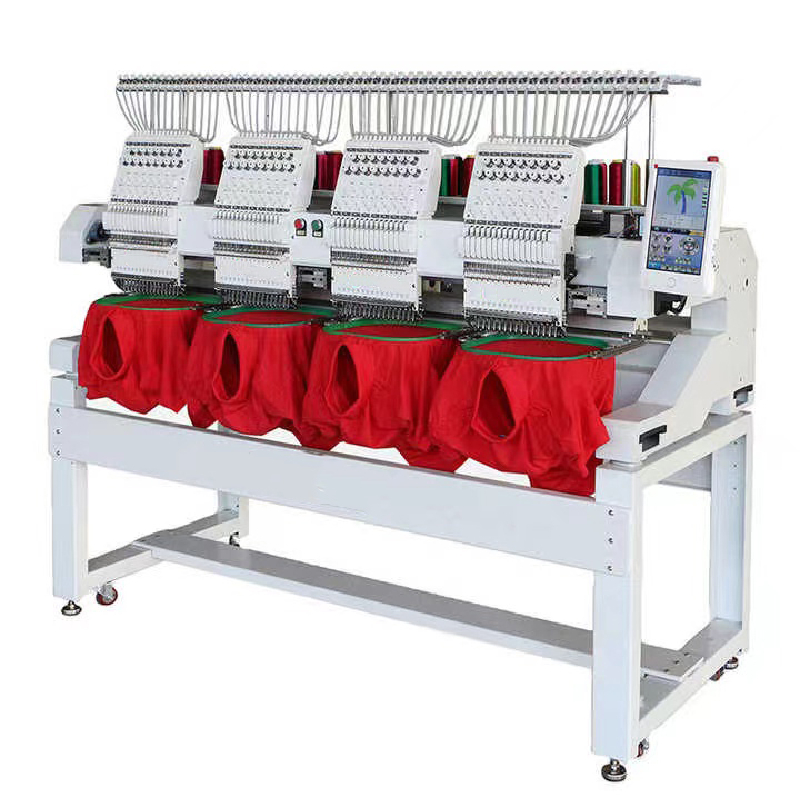
Technical Specifications: Advanced Multi-Head Embroidery Systems
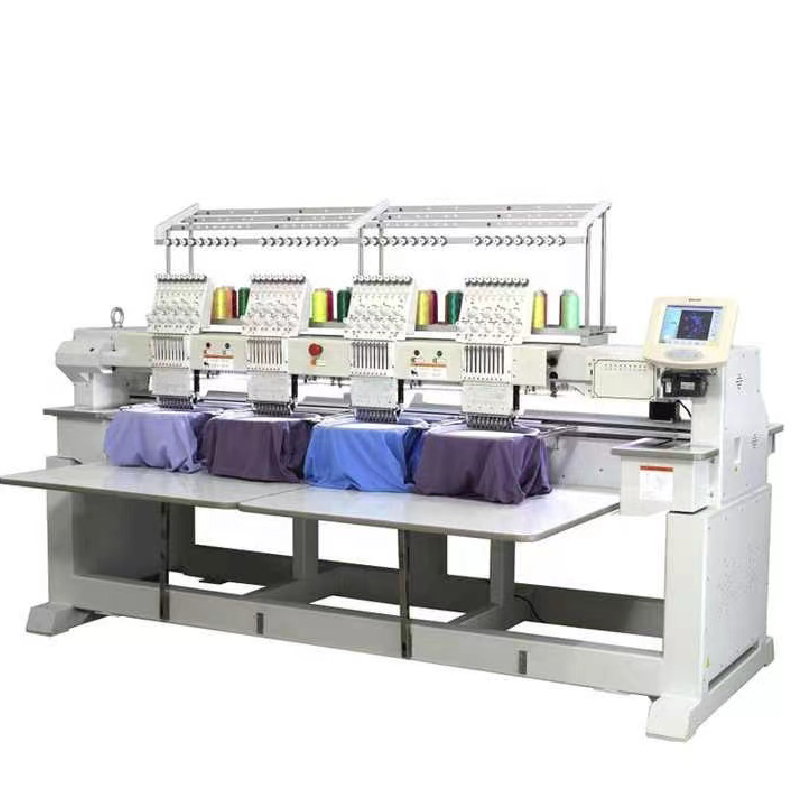
Modern commercial embroidery machines are engineered for peak performance, integrating advanced mechanics with intelligent control systems. A prime example is the High-Quality 4 Head 15 Needle Embroidery Machine, which represents the pinnacle of efficiency and versatility in the market. While the specific model referenced is a 15-needle configuration, it shares core design philosophies with high-performance 12 needle embroidery machine units, offering superior color handling and rapid production capabilities crucial for industrial applications.
Key Technical Parameters:
These specifications highlight the advanced capabilities. The multi-head configuration multiplies productivity, allowing several garments or items to be embroidered simultaneously. The high needle count (15 needles in this case, encompassing the capabilities of a 12 needle embroidery machine) facilitates intricate, multi-color designs without interruption, which is critical for complex corporate logos or detailed artistic work. Servo motors ensure precise stitch placement and durability, while integrated LCD touch screens simplify operation and design management. This level of engineering delivers exceptional reliability and consistent output quality, meeting the rigorous demands of commercial production environments.

Manufacturing Process and Quality Assurance
The manufacturing of a high-performance 12 needle embroidery machine or a 15-needle variant involves a sophisticated process flow that prioritizes precision, material integrity, and long-term reliability. This intricate process ensures that each component contributes to the overall stability, speed, and accuracy of the final product, upholding stringent quality standards.
Process Flow Overview:
- Material Sourcing & Inspection: High-grade materials are meticulously selected. This includes aerospace-grade aluminum alloys for the main frame (pantograph and beam) due to their excellent strength-to-weight ratio and corrosion resistance, ensuring precise movement and minimal vibration. Key mechanical components like shafts, gears, and cams are forged or cast from hardened steel (e.g., 40Cr, 45# steel) for superior wear resistance and structural integrity. Electronic components, such as servo motors (e.g., Panasonic, Fuji), stepper motors (e.g., Dahao), and control boards, are sourced from certified global suppliers, undergoing rigorous incoming quality control (IQC) based on ANSI/ASQC standards.
- Precision Machining: Core metal components undergo advanced CNC machining (Computer Numerical Control) to achieve micron-level tolerances. This includes the intricate details of the needle bar cases, presser foot mechanisms, and hook race assemblies. Techniques like precision grinding and milling are employed to ensure perfect alignment and smooth operation, critical for stitch quality and machine longevity.
- Surface Treatment & Finishing: Components are treated for enhanced durability and corrosion resistance. Anodizing is applied to aluminum parts, while steel components undergo phosphating or nickel plating to prevent rust and reduce friction. High-quality powder coating or electroplating is applied to external surfaces for aesthetic appeal and environmental protection.
- Sub-Assembly & Calibration: Individual modules, such as the head assembly, pantograph system, and control panel, are assembled in cleanroom conditions. Each sub-assembly undergoes initial calibration and functional testing. For instance, needle bar timing and presser foot tension are calibrated to factory specifications to ensure consistent stitch formation.
- Final Assembly: All sub-assemblies are integrated onto the main frame. Electrical wiring, pneumatic systems (if applicable), and software installation are completed. Specialized tools and jigs are used to ensure precise alignment of all heads and the embroidery field.
- Rigorous Testing & Quality Control: Every machine undergoes extensive testing before shipment. This includes:
- Endurance Testing: Machines run continuously for 48-72 hours, simulating real-world production cycles, often executing complex designs at maximum speed. This tests the durability of mechanical and electronic components.
- Vibration Analysis: Using accelerometers, vibration levels are monitored to ensure smooth operation and identify any potential imbalances that could affect stitch quality or machine life.
- Stitch Quality Assessment: Test patterns are embroidered on various fabric types to evaluate stitch density, tension consistency, and overall aesthetic quality. Samples are inspected under magnification.
- Electrical Safety Compliance: Adherence to international standards like CE, UL, and local electrical codes, with tests for insulation resistance, grounding, and operational safety.
- Software Functionality & User Interface Testing: Comprehensive checks of the control system, design loading, editing functions, and error handling.
- Packaging & Shipment: Machines are carefully packed in robust, custom-built wooden crates with moisture barriers and shock-absorbing materials to ensure safe transit globally.
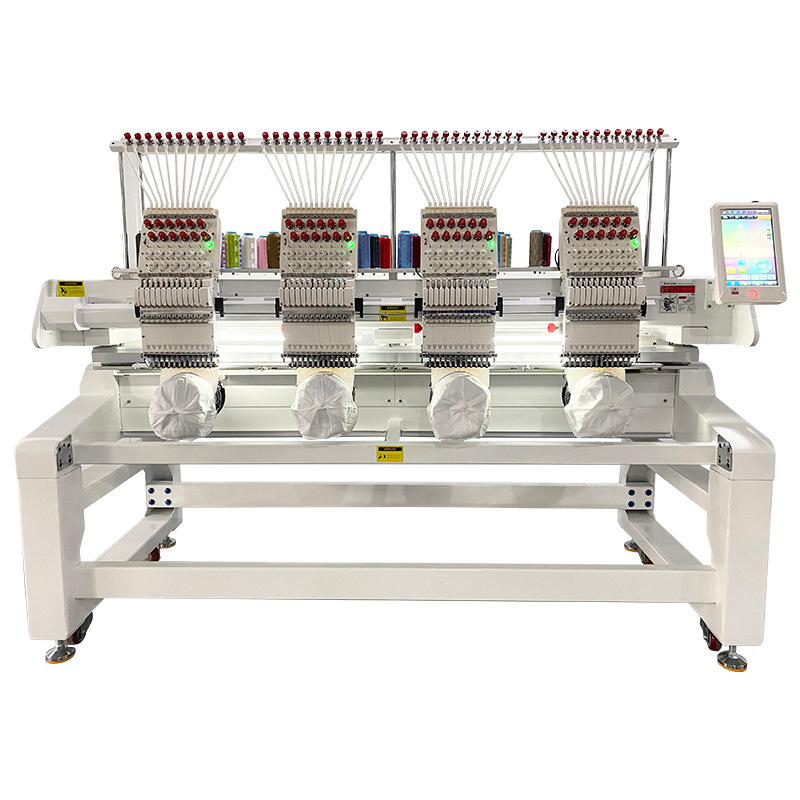
The estimated service life for a well-maintained commercial embroidery machine like this is typically 8-15 years, depending on usage intensity and adherence to maintenance schedules. These machines are designed for continuous operation in demanding environments. Target industries include apparel manufacturing (fashion, sportswear, uniforms), corporate branding (promotional items, workwear), home furnishings (linens, drapery), and specialty textiles (automotive interiors, medical textiles). In typical application scenarios, these machines demonstrate significant advantages such as energy efficiency through optimized motor controls, high precision for intricate logos, and enhanced durability against wear and tear due to superior material selection and manufacturing processes.
Application Scenarios and Technical Advantages
The versatility and robust performance of a multi-needle embroidery machine, such as a 12 needle embroidery machine or a 15-needle variant, make it indispensable across a multitude of industries. Its ability to produce high-quality, multi-color designs at speed positions it as a critical asset for businesses seeking to enhance product offerings and operational efficiency.
Primary Application Scenarios:
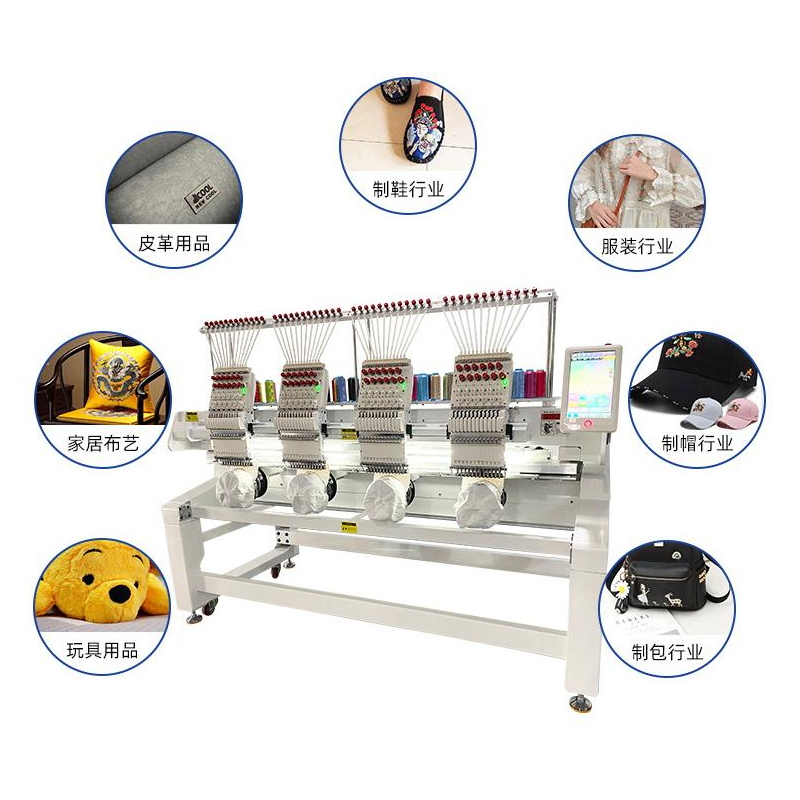
- Apparel Manufacturing: From high-volume production of branded uniforms and sportswear to intricate fashion embellishments, these machines excel. The capability to embroider on various fabrics, including cotton, polyester, denim, and even leather, makes them ideal for custom clothing lines and promotional apparel. The multiple heads allow for concurrent production of `t shirt embroidery machine` designs, significantly boosting output.
- Corporate Branding & Promotional Products: Companies frequently require their logos and branding elements to be embroidered on caps, polos, jackets, bags, and various corporate gifts. The precision and consistency offered by these machines ensure brand integrity across all merchandise.
- Home Furnishings: For luxury linens, towels, draperies, and upholstery, embroidered details add a premium touch. The large embroidery area and ability to handle heavy-duty fabrics are key advantages.
- Automotive Textiles: Customizing car seat covers, floor mats, and interior trims with embroidered logos or patterns demands high durability and precision, which these industrial machines provide.
- Specialty & Niche Markets: These include crafting personalized gifts, creating patches for military or emergency services, and producing unique theatrical costumes or artistic textiles.
Technical Advantages in Detail:
- Unmatched Productivity: Multi-head configurations fundamentally increase output. A 4-head machine effectively multiplies the production rate by four compared to a single-head unit, making it ideal for large orders and batch production without sacrificing individual item quality.
- Expanded Color Palette & Design Complexity: With 12 or more needles, operators have access to a vast array of thread colors without the need for frequent manual changes. This enables the creation of highly detailed, multi-color designs, gradients, and intricate shading effects that would be impractical or impossible on single-needle machines.
- Superior Stitch Quality & Precision: Industrial-grade servo motors and robust mechanical structures ensure consistent stitch length, tension, and placement. This translates to sharper lines, crisp details, and durable embroidery that withstands repeated washing and wear, crucial for maintaining product integrity.
- Versatility Across Materials & Frames: These machines are equipped with interchangeable hooping systems, allowing seamless transitions between flat goods, finished garments, caps, and even specialized items. The adjustable presser foot and tension systems accommodate a wide range of fabric thicknesses and textures, from delicate silks to heavy denim.
- Enhanced Automation & Reduced Labor: Features like automatic thread trimming, color change, and thread break detection minimize operator intervention. This not only reduces labor costs but also improves efficiency and minimizes errors, leading to more predictable production cycles.
- Durability and Longevity: Constructed with heavy-duty components, including reinforced steel frames and high-quality bearings, these machines are built for continuous industrial operation. This ensures a long service life and high uptime, translating into a strong return on investment.
- Energy Efficiency: Modern servo motor technology, as used in many advanced embroidery machines, consumes less power than older stepper motor systems, especially during idle periods. This contributes to lower operational costs and a reduced carbon footprint, aligning with growing industry demands for sustainable manufacturing practices.
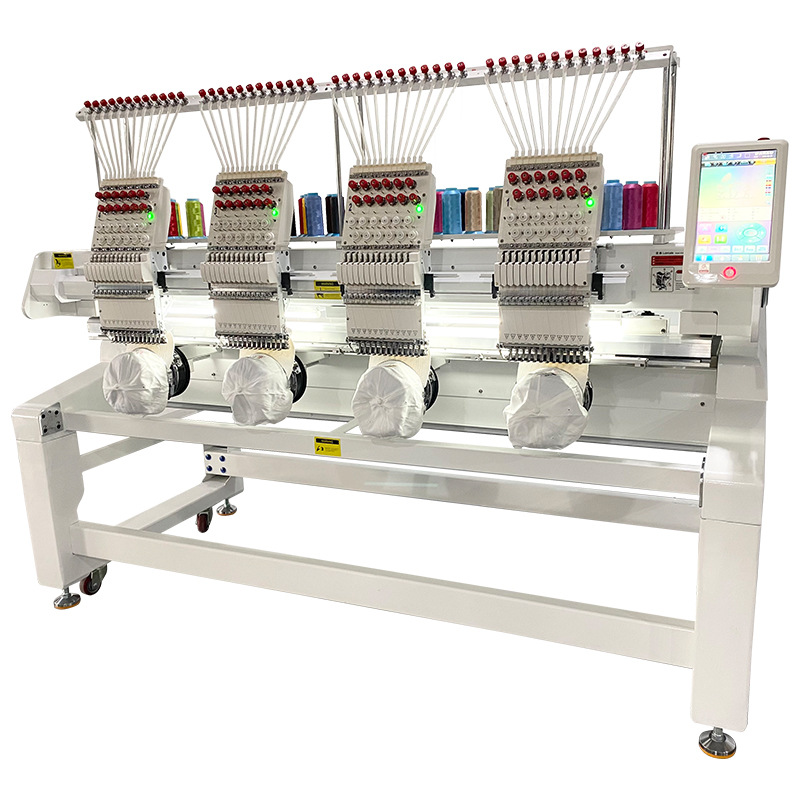
These combined advantages underscore why investing in a high-capacity multi-needle embroidery machine is a strategic decision for businesses aiming to optimize their production capabilities and deliver exceptional quality in a competitive market.
Vendor Comparison and Competitive Landscape
The market for commercial embroidery machines is diverse, with several key players offering a range of solutions. When evaluating a 12 needle embroidery machine or higher-needle count systems, discerning buyers consider factors beyond just price, including build quality, control system sophistication, after-sales support, and specialized features. Understanding the competitive landscape helps in making an informed procurement decision.
Leading Manufacturers and Their Offerings:
- Tajima (Japan): Renowned for high-end, robust industrial machines. Tajima offers multi-head, multi-needle (up to 15 or more) systems with advanced pantograph technology and sophisticated software. Their machines are known for exceptional durability and precision but come at a premium price point. Often favored by large-scale apparel manufacturers.
- Barudan (Japan): Another top-tier Japanese manufacturer, Barudan machines are praised for their reliability, quiet operation, and high-speed capabilities. They also offer a comprehensive range of multi-head models suitable for diverse applications. Similar to Tajima in quality and price.
- Ricoma (China/USA): Ricoma has gained significant market share by offering competitively priced, feature-rich machines that provide a strong balance of performance and affordability. Their models, including 15-needle multi-head units, cater to small-to-medium businesses and those entering the commercial embroidery space. They emphasize user-friendly interfaces and robust support networks.
- Brother (Japan/USA): While strong in home and light commercial machines, Brother also produces multi-needle commercial units, often with integrated software solutions. They focus on ease of use and advanced software integration, appealing to businesses seeking streamlined workflows.
- ZSK (Germany): Known for engineering excellence and specialized solutions, particularly for technical textiles and heavy-duty applications. ZSK machines are highly customizable and offer advanced features for industrial-scale operations, often at the higher end of the price spectrum.
Feature Comparison - 4 Head 15 Needle Machine vs. Typical Industry Offerings:
The table illustrates that while high-end machines offer marginal speed advantages, a well-engineered 4-head 15-needle machine (like the example provided) delivers a comprehensive feature set and robust performance comparable to premium brands, often at a more accessible price point. This positions it as an excellent value proposition for businesses seeking to maximize their return on investment without compromising on critical functionalities such as stitch quality and operational stability. The use of high-quality components, such as Japanese servo motors and Dahao control systems, ensures reliability and longevity, making it a competitive choice against both entry-level and some high-end offerings.
Customized Solutions and Application Case Studies
Beyond standard configurations, advanced multi-needle embroidery machines offer significant potential for customization, allowing businesses to tailor solutions to specific production needs. This adaptability, combined with proven success in real-world scenarios, highlights the strategic value of these machines.
Customization Options:
- Specialized Hoops and Clamping Systems: While standard hoops are included, manufacturers can provide custom frames for unusual item shapes (e.g., shoe tongues, pant legs, large flag embroidery) or specialized clamping systems for non-standard materials like thick leather or rigid plastics.
- Extended Embroidery Areas: For applications requiring very large designs, some models can be customized with larger pantographs or extra-wide embroidery fields, accommodating grand-format projects.
- Integration with Production Lines: Machines can be equipped with communication protocols (e.g., Ethernet IP) to integrate seamlessly into existing automated production lines, enabling centralized control and data exchange for smart factory initiatives.
- Material-Specific Enhancements: Options such as heavy-duty tensioning systems for metallic threads, specialized presser feet for delicate fabrics, or even laser alignment systems for precise placement on challenging substrates can be integrated.
- Software Customization: While most machines come with robust operating software, specific API integrations for ERP systems, design software (e.g., Wilcom, Pulse), or proprietary production management platforms can be developed or facilitated.
Application Case Studies:
Here are examples demonstrating the impact of high-performance embroidery machines like the 12 needle embroidery machine or its 15-needle counterparts:
- Case Study 1: Large-Scale Sportswear Manufacturer
A leading sportswear brand faced challenges in meeting tight deadlines for team uniform orders, which often required complex, multi-color logos. Prior to upgrading, they relied on a mix of older 6-head, 9-needle machines. By investing in five new 4-head, 15-needle embroidery machines, they achieved a 60% increase in daily production capacity. The higher needle count drastically reduced thread change downtime, enabling them to complete detailed team crests and sponsorship logos more efficiently. This upgrade not only improved their order fulfillment rates but also reduced overtime costs by 25% within the first year of operation, demonstrating strong ROI.
- Case Study 2: Boutique Corporate Apparel & Promotional Items
A boutique firm specializing in custom corporate apparel and promotional items frequently handled orders ranging from 50 to 500 units, each requiring unique branding. Their existing single-head machines limited their ability to take on larger, more profitable contracts. Implementing a 2-head, 12 needle embroidery machine allowed them to simultaneously embroider two items, effectively doubling their throughput on smaller runs. The 12 needles provided the versatility needed for diverse client logos, from simple text to intricate crests, expanding their service offering and attracting higher-value clients. Customer feedback highlighted improved lead times and a noticeable enhancement in the consistency of embroidery quality across batches.
- Case Study 3: Automotive Interior Customization Shop
An automotive customization shop, specializing in luxury car interiors, needed to embroider logos and bespoke designs directly onto leather and heavy-duty upholstery fabrics. Standard embroidery machines struggled with the material thickness and required frequent adjustments, leading to inconsistent results. A custom-configured 1-head, 15-needle heavy-duty embroidery machine, equipped with specialized presser feet and reinforced needle bars, provided the necessary power and precision. The ability to handle thick materials without compromising stitch integrity enabled the shop to offer high-end, durable embroidery services, opening new revenue streams in a niche market. The robust construction of the machine ensured longevity even under continuous use with challenging materials.
These case studies underscore the transformative potential of advanced embroidery technology. Businesses can achieve higher productivity, superior quality, and expanded market reach by strategically deploying and, where necessary, customizing these powerful machines.
Frequently Asked Questions (FAQ)
Q1: What are the primary advantages of a 15-needle machine over a 12 needle embroidery machine?
A1: While both offer significant advantages over single-needle machines, a 15-needle unit provides an even broader color palette without manual thread changes, making it ideal for extremely complex or multi-color designs. It slightly increases versatility and reduces setup time for jobs requiring more than 12 distinct colors, enhancing efficiency for intricate, high-end work.
Q2: What kind of maintenance is required for these industrial machines?
A2: Regular maintenance is crucial for optimal performance and longevity. This typically includes daily cleaning (removing lint and thread debris), weekly oiling of specified moving parts, monthly checks of thread tension and needle bar timing, and annual professional servicing. Adhering to the manufacturer's maintenance schedule ensures consistent stitch quality and minimizes downtime.
Q3: How do these machines handle different fabric types?
A3: Modern multi-needle machines are highly versatile. They typically come with adjustable presser feet and tension controls to accommodate a wide range of materials, from delicate silks and knits to heavy denim, canvas, and leather. Proper needle selection (e.g., ballpoint for knits, sharp for woven, titanium for heavy materials) and appropriate backing/stabilizer are also crucial for achieving optimal results on various fabric types.
Lead Time & Fulfillment:
Standard lead time for our 4-head 15-needle embroidery machines typically ranges from 15 to 30 business days from order confirmation and deposit, depending on current production schedules and customization requirements. Expedited shipping options are available upon request. We maintain efficient logistics channels to ensure timely delivery worldwide, with comprehensive tracking and communication throughout the fulfillment process.
Warranty Commitments:
All our commercial embroidery machines come with a comprehensive warranty package. This typically includes a 2-year warranty on major mechanical components and a 1-year warranty on electronic parts. Specific terms and conditions are provided with each sales contract. Extended warranty options are also available to provide prolonged peace of mind for your investment.
Customer Support & After-Sales Service:
We pride ourselves on exceptional customer support. Our dedicated technical support team is available via phone, email, and live chat to assist with any operational, maintenance, or troubleshooting inquiries. We offer remote diagnostics and, when necessary, dispatch certified technicians for on-site support. Comprehensive training programs, including installation and operational guidance, are provided upon machine delivery to ensure your team is fully proficient. Access to a comprehensive online knowledge base, including video tutorials and user manuals, is also part of our commitment to your success.
References
- ISO. (2015). ISO 9001:2015 Quality management systems — Requirements. International Organization for Standardization.
- ASTM International. (Various Standards). Standards for textile testing and material properties.
- Dahao Computer. (Technical Specifications). Documentation on embroidery machine control systems.
- Textile World Magazine. (Industry Reports). Various articles on embroidery technology and market trends.
Latest news
-
How to Find the Best Computerized Machine Embroidery Suppliers
NewsApr.16,2026
-
Professional Computerized Machine Embroidery Service for Brands
NewsApr.09,2026
-
Selecting The Ideal Computerized Machine Embroidery Factory For Your Business
NewsApr.07,2026
-
Choosing a Reliable Computerized Machine Embroidery Manufacturer for Optimal Results
NewsApr.04,2026
-
Exploring Premier Computerized Embroidery Machine Factories for Quality Production
NewsMar.31,2026
-
Find Your Ideal Computerized Embroidery Machine Supplier with XT PFSM
NewsMar.28,2026
Sep . 08, 2025 16:38 Back to list
Pro 12 Needle Embroidery Machine | T-Shirt & Apparel Decor
Industry Trends and the Evolution of Commercial Embroidery
The commercial embroidery industry is experiencing a dynamic transformation, driven by demands for higher efficiency, superior stitch quality, and unparalleled versatility. Businesses, from bespoke apparel manufacturers to large-scale corporate branding agencies, increasingly seek advanced machinery capable of handling diverse projects with precision and speed. Key trends indicate a significant shift towards automated, multi-head, multi-needle systems that reduce production bottlenecks and expand design capabilities. The rise of fast fashion, personalized merchandise, and on-demand production necessitates machinery that can adapt quickly to changing market demands, such as handling intricate designs on various fabric types.
This evolution is particularly evident in the growing adoption of multi-needle embroidery machines. These sophisticated systems allow for a broader color palette and complex design execution without manual thread changes, dramatically improving throughput and operational efficiency. The market for 12 needle embroidery machine solutions, and even those with 15 or 16 needles, is expanding rapidly, fueled by these industry imperatives. Enterprises are investing in technology that offers robust performance, minimal downtime, and the ability to scale operations efficiently to meet global supply chain pressures and consumer expectations.
Technical Specifications: Advanced Multi-Head Embroidery Systems
Modern commercial embroidery machines are engineered for peak performance, integrating advanced mechanics with intelligent control systems. A prime example is the High-Quality 4 Head 15 Needle Embroidery Machine, which represents the pinnacle of efficiency and versatility in the market. While the specific model referenced is a 15-needle configuration, it shares core design philosophies with high-performance 12 needle embroidery machine units, offering superior color handling and rapid production capabilities crucial for industrial applications.
Key Technical Parameters:
These specifications highlight the advanced capabilities. The multi-head configuration multiplies productivity, allowing several garments or items to be embroidered simultaneously. The high needle count (15 needles in this case, encompassing the capabilities of a 12 needle embroidery machine) facilitates intricate, multi-color designs without interruption, which is critical for complex corporate logos or detailed artistic work. Servo motors ensure precise stitch placement and durability, while integrated LCD touch screens simplify operation and design management. This level of engineering delivers exceptional reliability and consistent output quality, meeting the rigorous demands of commercial production environments.
Manufacturing Process and Quality Assurance
The manufacturing of a high-performance 12 needle embroidery machine or a 15-needle variant involves a sophisticated process flow that prioritizes precision, material integrity, and long-term reliability. This intricate process ensures that each component contributes to the overall stability, speed, and accuracy of the final product, upholding stringent quality standards.
Process Flow Overview:
- Material Sourcing & Inspection: High-grade materials are meticulously selected. This includes aerospace-grade aluminum alloys for the main frame (pantograph and beam) due to their excellent strength-to-weight ratio and corrosion resistance, ensuring precise movement and minimal vibration. Key mechanical components like shafts, gears, and cams are forged or cast from hardened steel (e.g., 40Cr, 45# steel) for superior wear resistance and structural integrity. Electronic components, such as servo motors (e.g., Panasonic, Fuji), stepper motors (e.g., Dahao), and control boards, are sourced from certified global suppliers, undergoing rigorous incoming quality control (IQC) based on ANSI/ASQC standards.
- Precision Machining: Core metal components undergo advanced CNC machining (Computer Numerical Control) to achieve micron-level tolerances. This includes the intricate details of the needle bar cases, presser foot mechanisms, and hook race assemblies. Techniques like precision grinding and milling are employed to ensure perfect alignment and smooth operation, critical for stitch quality and machine longevity.
- Surface Treatment & Finishing: Components are treated for enhanced durability and corrosion resistance. Anodizing is applied to aluminum parts, while steel components undergo phosphating or nickel plating to prevent rust and reduce friction. High-quality powder coating or electroplating is applied to external surfaces for aesthetic appeal and environmental protection.
- Sub-Assembly & Calibration: Individual modules, such as the head assembly, pantograph system, and control panel, are assembled in cleanroom conditions. Each sub-assembly undergoes initial calibration and functional testing. For instance, needle bar timing and presser foot tension are calibrated to factory specifications to ensure consistent stitch formation.
- Final Assembly: All sub-assemblies are integrated onto the main frame. Electrical wiring, pneumatic systems (if applicable), and software installation are completed. Specialized tools and jigs are used to ensure precise alignment of all heads and the embroidery field.
- Rigorous Testing & Quality Control: Every machine undergoes extensive testing before shipment. This includes:
- Endurance Testing: Machines run continuously for 48-72 hours, simulating real-world production cycles, often executing complex designs at maximum speed. This tests the durability of mechanical and electronic components.
- Vibration Analysis: Using accelerometers, vibration levels are monitored to ensure smooth operation and identify any potential imbalances that could affect stitch quality or machine life.
- Stitch Quality Assessment: Test patterns are embroidered on various fabric types to evaluate stitch density, tension consistency, and overall aesthetic quality. Samples are inspected under magnification.
- Electrical Safety Compliance: Adherence to international standards like CE, UL, and local electrical codes, with tests for insulation resistance, grounding, and operational safety.
- Software Functionality & User Interface Testing: Comprehensive checks of the control system, design loading, editing functions, and error handling.
- Packaging & Shipment: Machines are carefully packed in robust, custom-built wooden crates with moisture barriers and shock-absorbing materials to ensure safe transit globally.
The estimated service life for a well-maintained commercial embroidery machine like this is typically 8-15 years, depending on usage intensity and adherence to maintenance schedules. These machines are designed for continuous operation in demanding environments. Target industries include apparel manufacturing (fashion, sportswear, uniforms), corporate branding (promotional items, workwear), home furnishings (linens, drapery), and specialty textiles (automotive interiors, medical textiles). In typical application scenarios, these machines demonstrate significant advantages such as energy efficiency through optimized motor controls, high precision for intricate logos, and enhanced durability against wear and tear due to superior material selection and manufacturing processes.
Application Scenarios and Technical Advantages
The versatility and robust performance of a multi-needle embroidery machine, such as a 12 needle embroidery machine or a 15-needle variant, make it indispensable across a multitude of industries. Its ability to produce high-quality, multi-color designs at speed positions it as a critical asset for businesses seeking to enhance product offerings and operational efficiency.
Primary Application Scenarios:
- Apparel Manufacturing: From high-volume production of branded uniforms and sportswear to intricate fashion embellishments, these machines excel. The capability to embroider on various fabrics, including cotton, polyester, denim, and even leather, makes them ideal for custom clothing lines and promotional apparel. The multiple heads allow for concurrent production of `t shirt embroidery machine` designs, significantly boosting output.
- Corporate Branding & Promotional Products: Companies frequently require their logos and branding elements to be embroidered on caps, polos, jackets, bags, and various corporate gifts. The precision and consistency offered by these machines ensure brand integrity across all merchandise.
- Home Furnishings: For luxury linens, towels, draperies, and upholstery, embroidered details add a premium touch. The large embroidery area and ability to handle heavy-duty fabrics are key advantages.
- Automotive Textiles: Customizing car seat covers, floor mats, and interior trims with embroidered logos or patterns demands high durability and precision, which these industrial machines provide.
- Specialty & Niche Markets: These include crafting personalized gifts, creating patches for military or emergency services, and producing unique theatrical costumes or artistic textiles.
Technical Advantages in Detail:
- Unmatched Productivity: Multi-head configurations fundamentally increase output. A 4-head machine effectively multiplies the production rate by four compared to a single-head unit, making it ideal for large orders and batch production without sacrificing individual item quality.
- Expanded Color Palette & Design Complexity: With 12 or more needles, operators have access to a vast array of thread colors without the need for frequent manual changes. This enables the creation of highly detailed, multi-color designs, gradients, and intricate shading effects that would be impractical or impossible on single-needle machines.
- Superior Stitch Quality & Precision: Industrial-grade servo motors and robust mechanical structures ensure consistent stitch length, tension, and placement. This translates to sharper lines, crisp details, and durable embroidery that withstands repeated washing and wear, crucial for maintaining product integrity.
- Versatility Across Materials & Frames: These machines are equipped with interchangeable hooping systems, allowing seamless transitions between flat goods, finished garments, caps, and even specialized items. The adjustable presser foot and tension systems accommodate a wide range of fabric thicknesses and textures, from delicate silks to heavy denim.
- Enhanced Automation & Reduced Labor: Features like automatic thread trimming, color change, and thread break detection minimize operator intervention. This not only reduces labor costs but also improves efficiency and minimizes errors, leading to more predictable production cycles.
- Durability and Longevity: Constructed with heavy-duty components, including reinforced steel frames and high-quality bearings, these machines are built for continuous industrial operation. This ensures a long service life and high uptime, translating into a strong return on investment.
- Energy Efficiency: Modern servo motor technology, as used in many advanced embroidery machines, consumes less power than older stepper motor systems, especially during idle periods. This contributes to lower operational costs and a reduced carbon footprint, aligning with growing industry demands for sustainable manufacturing practices.
These combined advantages underscore why investing in a high-capacity multi-needle embroidery machine is a strategic decision for businesses aiming to optimize their production capabilities and deliver exceptional quality in a competitive market.
Vendor Comparison and Competitive Landscape
The market for commercial embroidery machines is diverse, with several key players offering a range of solutions. When evaluating a 12 needle embroidery machine or higher-needle count systems, discerning buyers consider factors beyond just price, including build quality, control system sophistication, after-sales support, and specialized features. Understanding the competitive landscape helps in making an informed procurement decision.
Leading Manufacturers and Their Offerings:
- Tajima (Japan): Renowned for high-end, robust industrial machines. Tajima offers multi-head, multi-needle (up to 15 or more) systems with advanced pantograph technology and sophisticated software. Their machines are known for exceptional durability and precision but come at a premium price point. Often favored by large-scale apparel manufacturers.
- Barudan (Japan): Another top-tier Japanese manufacturer, Barudan machines are praised for their reliability, quiet operation, and high-speed capabilities. They also offer a comprehensive range of multi-head models suitable for diverse applications. Similar to Tajima in quality and price.
- Ricoma (China/USA): Ricoma has gained significant market share by offering competitively priced, feature-rich machines that provide a strong balance of performance and affordability. Their models, including 15-needle multi-head units, cater to small-to-medium businesses and those entering the commercial embroidery space. They emphasize user-friendly interfaces and robust support networks.
- Brother (Japan/USA): While strong in home and light commercial machines, Brother also produces multi-needle commercial units, often with integrated software solutions. They focus on ease of use and advanced software integration, appealing to businesses seeking streamlined workflows.
- ZSK (Germany): Known for engineering excellence and specialized solutions, particularly for technical textiles and heavy-duty applications. ZSK machines are highly customizable and offer advanced features for industrial-scale operations, often at the higher end of the price spectrum.
Feature Comparison - 4 Head 15 Needle Machine vs. Typical Industry Offerings:
The table illustrates that while high-end machines offer marginal speed advantages, a well-engineered 4-head 15-needle machine (like the example provided) delivers a comprehensive feature set and robust performance comparable to premium brands, often at a more accessible price point. This positions it as an excellent value proposition for businesses seeking to maximize their return on investment without compromising on critical functionalities such as stitch quality and operational stability. The use of high-quality components, such as Japanese servo motors and Dahao control systems, ensures reliability and longevity, making it a competitive choice against both entry-level and some high-end offerings.
Customized Solutions and Application Case Studies
Beyond standard configurations, advanced multi-needle embroidery machines offer significant potential for customization, allowing businesses to tailor solutions to specific production needs. This adaptability, combined with proven success in real-world scenarios, highlights the strategic value of these machines.
Customization Options:
- Specialized Hoops and Clamping Systems: While standard hoops are included, manufacturers can provide custom frames for unusual item shapes (e.g., shoe tongues, pant legs, large flag embroidery) or specialized clamping systems for non-standard materials like thick leather or rigid plastics.
- Extended Embroidery Areas: For applications requiring very large designs, some models can be customized with larger pantographs or extra-wide embroidery fields, accommodating grand-format projects.
- Integration with Production Lines: Machines can be equipped with communication protocols (e.g., Ethernet IP) to integrate seamlessly into existing automated production lines, enabling centralized control and data exchange for smart factory initiatives.
- Material-Specific Enhancements: Options such as heavy-duty tensioning systems for metallic threads, specialized presser feet for delicate fabrics, or even laser alignment systems for precise placement on challenging substrates can be integrated.
- Software Customization: While most machines come with robust operating software, specific API integrations for ERP systems, design software (e.g., Wilcom, Pulse), or proprietary production management platforms can be developed or facilitated.
Application Case Studies:
Here are examples demonstrating the impact of high-performance embroidery machines like the 12 needle embroidery machine or its 15-needle counterparts:
- Case Study 1: Large-Scale Sportswear Manufacturer
A leading sportswear brand faced challenges in meeting tight deadlines for team uniform orders, which often required complex, multi-color logos. Prior to upgrading, they relied on a mix of older 6-head, 9-needle machines. By investing in five new 4-head, 15-needle embroidery machines, they achieved a 60% increase in daily production capacity. The higher needle count drastically reduced thread change downtime, enabling them to complete detailed team crests and sponsorship logos more efficiently. This upgrade not only improved their order fulfillment rates but also reduced overtime costs by 25% within the first year of operation, demonstrating strong ROI.
- Case Study 2: Boutique Corporate Apparel & Promotional Items
A boutique firm specializing in custom corporate apparel and promotional items frequently handled orders ranging from 50 to 500 units, each requiring unique branding. Their existing single-head machines limited their ability to take on larger, more profitable contracts. Implementing a 2-head, 12 needle embroidery machine allowed them to simultaneously embroider two items, effectively doubling their throughput on smaller runs. The 12 needles provided the versatility needed for diverse client logos, from simple text to intricate crests, expanding their service offering and attracting higher-value clients. Customer feedback highlighted improved lead times and a noticeable enhancement in the consistency of embroidery quality across batches.
- Case Study 3: Automotive Interior Customization Shop
An automotive customization shop, specializing in luxury car interiors, needed to embroider logos and bespoke designs directly onto leather and heavy-duty upholstery fabrics. Standard embroidery machines struggled with the material thickness and required frequent adjustments, leading to inconsistent results. A custom-configured 1-head, 15-needle heavy-duty embroidery machine, equipped with specialized presser feet and reinforced needle bars, provided the necessary power and precision. The ability to handle thick materials without compromising stitch integrity enabled the shop to offer high-end, durable embroidery services, opening new revenue streams in a niche market. The robust construction of the machine ensured longevity even under continuous use with challenging materials.
These case studies underscore the transformative potential of advanced embroidery technology. Businesses can achieve higher productivity, superior quality, and expanded market reach by strategically deploying and, where necessary, customizing these powerful machines.
Frequently Asked Questions (FAQ)
Q1: What are the primary advantages of a 15-needle machine over a 12 needle embroidery machine?
A1: While both offer significant advantages over single-needle machines, a 15-needle unit provides an even broader color palette without manual thread changes, making it ideal for extremely complex or multi-color designs. It slightly increases versatility and reduces setup time for jobs requiring more than 12 distinct colors, enhancing efficiency for intricate, high-end work.
Q2: What kind of maintenance is required for these industrial machines?
A2: Regular maintenance is crucial for optimal performance and longevity. This typically includes daily cleaning (removing lint and thread debris), weekly oiling of specified moving parts, monthly checks of thread tension and needle bar timing, and annual professional servicing. Adhering to the manufacturer's maintenance schedule ensures consistent stitch quality and minimizes downtime.
Q3: How do these machines handle different fabric types?
A3: Modern multi-needle machines are highly versatile. They typically come with adjustable presser feet and tension controls to accommodate a wide range of materials, from delicate silks and knits to heavy denim, canvas, and leather. Proper needle selection (e.g., ballpoint for knits, sharp for woven, titanium for heavy materials) and appropriate backing/stabilizer are also crucial for achieving optimal results on various fabric types.
Lead Time & Fulfillment:
Standard lead time for our 4-head 15-needle embroidery machines typically ranges from 15 to 30 business days from order confirmation and deposit, depending on current production schedules and customization requirements. Expedited shipping options are available upon request. We maintain efficient logistics channels to ensure timely delivery worldwide, with comprehensive tracking and communication throughout the fulfillment process.
Warranty Commitments:
All our commercial embroidery machines come with a comprehensive warranty package. This typically includes a 2-year warranty on major mechanical components and a 1-year warranty on electronic parts. Specific terms and conditions are provided with each sales contract. Extended warranty options are also available to provide prolonged peace of mind for your investment.
Customer Support & After-Sales Service:
We pride ourselves on exceptional customer support. Our dedicated technical support team is available via phone, email, and live chat to assist with any operational, maintenance, or troubleshooting inquiries. We offer remote diagnostics and, when necessary, dispatch certified technicians for on-site support. Comprehensive training programs, including installation and operational guidance, are provided upon machine delivery to ensure your team is fully proficient. Access to a comprehensive online knowledge base, including video tutorials and user manuals, is also part of our commitment to your success.
References
- ISO. (2015). ISO 9001:2015 Quality management systems — Requirements. International Organization for Standardization.
- ASTM International. (Various Standards). Standards for textile testing and material properties.
- Dahao Computer. (Technical Specifications). Documentation on embroidery machine control systems.
- Textile World Magazine. (Industry Reports). Various articles on embroidery technology and market trends.
Next:
Latest news

Copyright © 2026 Xingtai Pufa Trading Co., Ltd All Rights Reserved. Sitemap | Privacy Policy | Top Blog | Global Service