
Apr . 16, 2026 02:05 Back to list
How to Find the Best Computerized Machine Embroidery Suppliers
How to Choose the Best Computerized Machine Embroidery Suppliers for Your Business
In the modern textile and garment industry, precision and efficiency are the cornerstones of success. Finding reliable computerized machine embroidery suppliers is essential for businesses looking to scale their production without compromising on quality. Whether you are starting a custom apparel brand or upgrading an industrial factory, the right partner provides more than just hardware; they provide the technical support and innovation needed to stay competitive. In this guide, we will explore the critical factors to consider when selecting a supplier, the latest trends in embroidery technology, and how to ensure you get the best return on your investment.
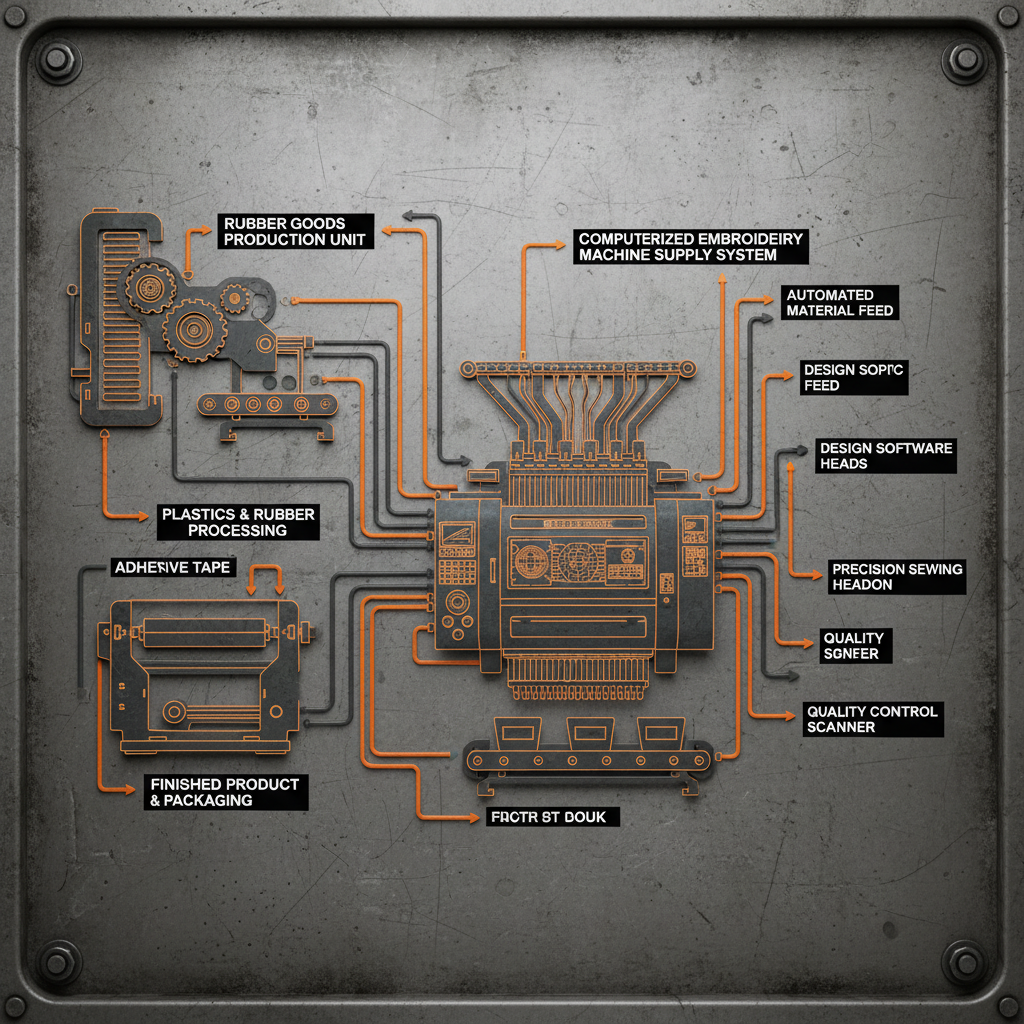
Evaluating the Expertise of Computerized Machine Embroidery Suppliers
Not all computerized machine embroidery suppliers are created equal. When vetting a potential partner, you must look beyond the price tag. Professional suppliers should demonstrate a deep understanding of stitch density, thread tension management, and software compatibility. A supplier that offers comprehensive onboarding and training ensures that your operators can utilize the machine's full potential, reducing downtime and material waste. Furthermore, check for certifications and a proven track record of serving diverse industries, from luxury fashion to corporate promotional wear.
Industry Tip: Always ask for a sample run using your most complex design. This reveals the supplier's machine precision and their ability to handle intricate detailing without thread breakage.
Technological Innovations in Modern Embroidery Machinery
The shift toward automation has revolutionized how computerized machine embroidery suppliers design their equipment. Modern machines now feature intelligent thread break detection, automatic color changing, and high-speed servo motors that maintain stability even at maximum RPMs. The integration of cloud-based design software allows for seamless transfers from the computer to the machine, drastically reducing the time spent on setup. For high-volume producers, multi-head machines with synchronized precision are the gold standard for consistency across thousands of units.
Key Tech Advantages:
• High-Speed Precision: Faster production cycles without sacrificing stitch quality.
• User-Friendly Interfaces: Touch-screen controls for intuitive design adjustments.
• Energy Efficiency: Reduced power consumption through advanced motor technology.
Comparing Single-Head vs. Multi-Head Systems from Suppliers
Depending on your business scale, you may be torn between different machine configurations. Top computerized machine embroidery suppliers typically offer both single-head machines for boutique work and multi-head systems for industrial output. Single-head machines offer maximum flexibility for unique pieces, while multi-head machines ensure that every item in a large batch is identical. The choice depends entirely on your projected monthly volume and the variety of your product line.
The Importance of After-Sales Service from Embroidery Suppliers
A machine is only as good as the support behind it. When partnering with computerized machine embroidery suppliers, the warranty and maintenance package are just as important as the machine's specifications. Industrial embroidery machines operate under high stress; wear and tear on needles, bobbins, and belts are inevitable. A supplier that provides on-site repair services, remote diagnostic tools, and a steady supply of genuine spare parts can save your business from costly shutdowns.
Technical Specifications to Demand from Suppliers
To ensure you are getting a professional-grade tool, you need to analyze the technical data sheets provided by your computerized machine embroidery suppliers. Pay close attention to the maximum embroidery area and the maximum stitching speed (SPM). A machine that can handle a wider range of fabrics—from delicate silk to heavy denim—provides the versatility needed to expand your product offerings. Below is a typical specification table for a professional-grade computerized system:
Maximizing ROI with the Right Embroidery Partnership
Ultimately, the goal of sourcing from computerized machine embroidery suppliers is to increase your profit margins through higher efficiency and lower error rates. By investing in a machine that offers a balance of speed and precision, and pairing it with a supplier that provides long-term technical support, you minimize the risk of production bottlenecks. Remember that the cost of a machine is not just the purchase price, but the total cost of ownership, including power, maintenance, and labor. A high-quality machine from a reputable supplier pays for itself through longevity and superior output.
Conclusion: Choosing Quality Over Convenience
Selecting the right computerized machine embroidery suppliers is a strategic decision that affects every piece of apparel that leaves your facility. By focusing on technical specifications, after-sales reliability, and scalability, you set your business up for long-term growth. Don't be swayed by low-cost alternatives that lack support; instead, invest in precision engineering and professional partnerships to ensure your brand's reputation for quality remains untarnished.
Frequently Asked Questions (FAQs)
How do I determine if a supplier is reliable?
To determine if computerized machine embroidery suppliers are reliable, start by reviewing their industry certifications and client testimonials. A reliable supplier will be transparent about their machine's origins, offer a comprehensive warranty, and provide clear documentation for technical support. It is also helpful to request a video tour of their manufacturing facility or a live demonstration of the machines in action. Finally, check their response time during the inquiry phase; a supplier that is attentive and detailed during the sales process is more likely to provide excellent support after the purchase.
What is the difference between "computerized" and "manual" embroidery?
Manual embroidery relies entirely on the skill and hand-eye coordination of the artisan, making it slow and difficult to replicate exactly. Computerized embroidery uses software to create a digital pattern, which is then read by the machine to move the fabric and needle with mathematical precision. This allows for high-speed production, complex designs that would be nearly impossible by hand, and absolute consistency across hundreds of items. When sourcing from professional embroidery suppliers, the "computerized" aspect ensures that your brand logo looks identical on every single garment.
Can I upgrade my machine if my business grows?
Yes, most high-end suppliers design their ecosystems to be scalable. If you start with a single-head machine, you can often maintain the same software and design files when you transition to a multi-head industrial system. Some suppliers even offer modular upgrades, such as adding more needle positions or upgrading the control software to include more advanced features. It is recommended to discuss your 3-year growth plan with your supplier so they can recommend a machine that is compatible with future upgrades, preventing the need to replace your entire setup as you scale.
What maintenance is required for computerized embroidery machines?
Daily maintenance typically includes cleaning lint and thread debris from the bobbin area and oiling moving parts according to the manufacturer's schedule. Weekly maintenance involves checking belt tension and inspecting needles for burrs or bends. Long-term maintenance, usually handled by the machine suppliers, includes calibrating the electronic sensors and updating the firmware. Regular maintenance prevents the "skipped stitches" and thread breaks that can ruin expensive fabrics and waste production time.
Latest news
-
How to Find the Best Computerized Machine Embroidery Suppliers
NewsApr.16,2026
-
Professional Computerized Machine Embroidery Service for Brands
NewsApr.09,2026
-
Selecting The Ideal Computerized Machine Embroidery Factory For Your Business
NewsApr.07,2026
-
Choosing a Reliable Computerized Machine Embroidery Manufacturer for Optimal Results
NewsApr.04,2026
-
Exploring Premier Computerized Embroidery Machine Factories for Quality Production
NewsMar.31,2026
-
Find Your Ideal Computerized Embroidery Machine Supplier with XT PFSM
NewsMar.28,2026

Copyright © 2026 Xingtai Pufa Trading Co., Ltd All Rights Reserved. Sitemap | Privacy Policy | Top Blog