
Jan . 28, 2026 11:00 Back to list
Investing in Quality Second Hand Embroidery Machine Factory Options for Your Business
Investing in Quality: Second Hand Embroidery Machine Factory Options
For businesses in the garment, textile, or custom design industries, efficient and reliable embroidery machinery is paramount. However, the initial investment in new equipment can be substantial. That's where exploring second hand embroidery machine factories presents a compelling solution. This article delves into the benefits of purchasing pre-owned embroidery machines, key considerations when selecting a factory, and what to look for in reliable equipment. We'll guide you through the process of sourcing quality machines that meet your production needs without breaking the bank.
The Benefits of Choosing Second Hand Embroidery Machines
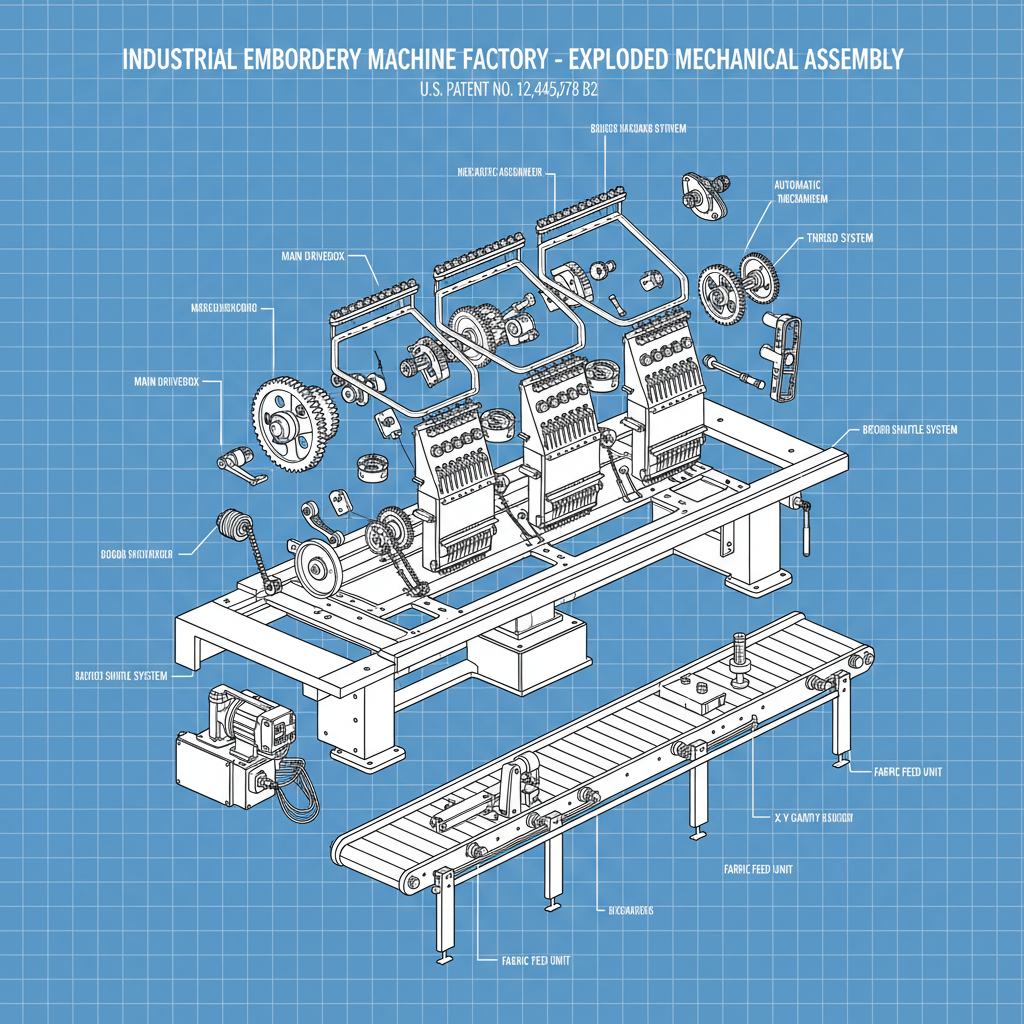
Opting for second hand embroidery machines offers several advantages. The most significant is cost savings. Pre-owned machines can be significantly cheaper than new models, allowing you to allocate resources to other critical areas of your business. Moreover, many well-maintained used machines still possess a substantial lifespan and can deliver comparable performance to newer models. You may also find access to models that are no longer in production, offering unique features or capabilities. A reputable second hand embroidery machine factory can offer machines that have been thoroughly inspected and refurbished, minimizing the risk of issues.
Key Considerations When Selecting a Factory
Choosing the right factory is crucial. Prioritize factories with a proven track record of quality and reliability. Look for those offering comprehensive inspection and refurbishment services. A good factory will provide detailed reports on the machine’s condition, including any replaced parts or repairs. Also, assess their after-sales support, including availability of spare parts and technical assistance. Consider their location and shipping capabilities, as these can impact costs and lead times. Finally, verify their reputation through online reviews and industry contacts.
Understanding Different Types of Second Hand Embroidery Machines
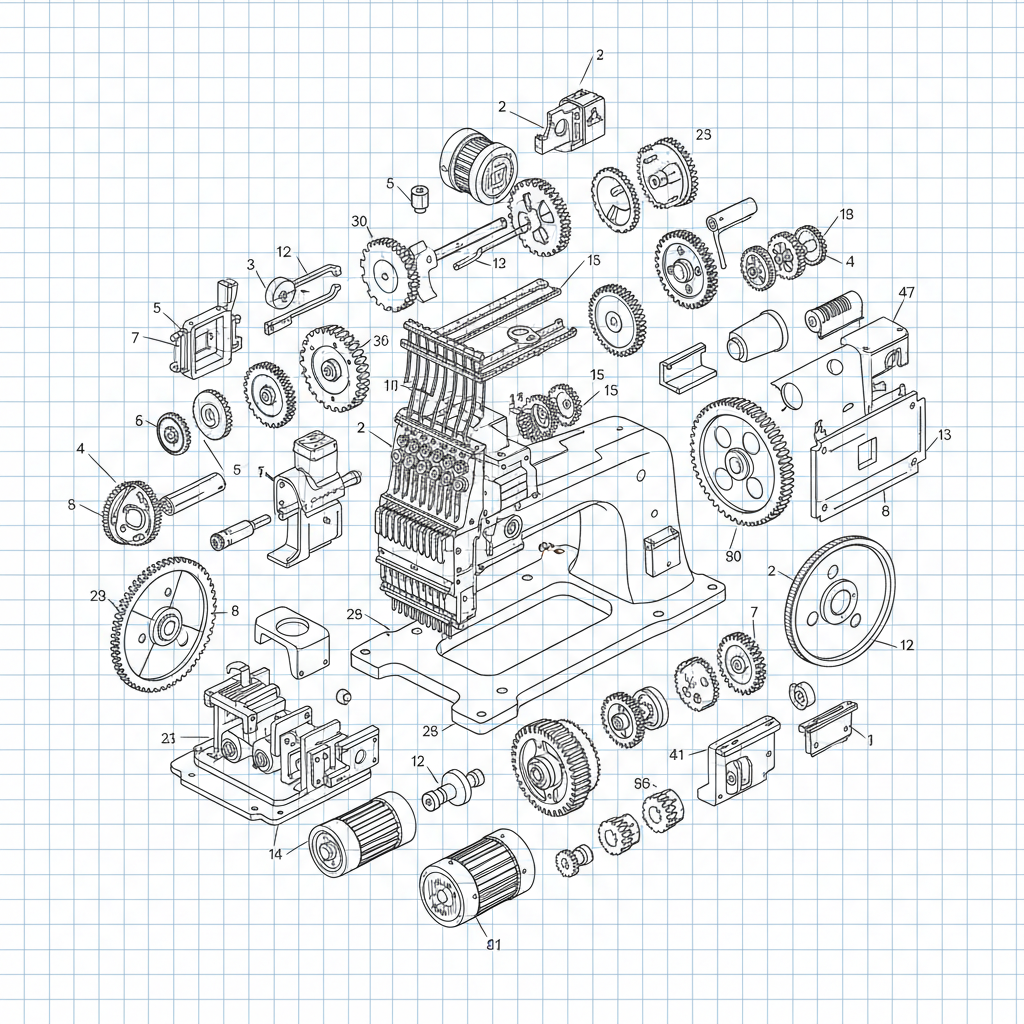
Various types of embroidery machines are available in the second-hand market, each suited for different applications. Single-head machines are ideal for small businesses and custom designs, while multi-head machines are better suited for larger production runs. Chenille machines create unique textured effects, and sequin machines add embellishments. Understanding the specific needs of your business will help you identify the most appropriate machine type. Factors to consider include the size of your designs, the volume of production, and the types of fabrics you’ll be working with.
Comparing Popular Second Hand Embroidery Machine Brands
Several brands consistently appear in the second-hand market known for their durability and performance. Here’s a comparison:
Essential Checks Before Purchasing a Second Hand Machine
Before committing to a purchase, conduct thorough checks. Inspect the machine for any signs of wear and tear, including damaged parts, worn belts, and loose screws. Test the machine with different fabrics and thread types to ensure it functions correctly. Check the condition of the embroidery hoop and frame. Verify the functionality of the control panel and software. Ask the factory for service records and any documentation related to previous repairs. If possible, arrange for a skilled technician to inspect the machine before finalizing the purchase.
Conclusion: Smart Investment in Embroidery Production
Choosing a second hand embroidery machine factory can unlock significant cost savings and enable you to expand your embroidery capabilities. By carefully considering your needs, selecting a reputable factory, and conducting thorough inspections, you can secure a reliable machine that delivers excellent performance and contributes to your business success.
Frequently Asked Questions (FAQs)
What warranty options are typically available for second hand embroidery machines?
Warranty options for second-hand machines vary significantly depending on the factory and the machine's condition. Some factories offer a limited warranty, typically covering essential parts for a short period (e.g., 3-6 months). Others may not offer a warranty at all. It's crucial to inquire about warranty terms before making a purchase. Extended warranties may be available for an additional cost. A good factory will stand behind the quality of their refurbished machines and offer some level of protection against defects.
What should I look for in a factory’s refurbishment process?
A comprehensive refurbishment process is key. Look for a factory that disassembles the machine completely, cleans all parts, replaces worn or damaged components, lubricates moving parts, and performs thorough testing. They should provide a detailed report outlining the work performed and any parts replaced. The machine should be calibrated to ensure accurate stitching and optimal performance. Don't hesitate to ask specific questions about their process.
How can I ensure the factory provides adequate after-sales support?
Verify the availability of spare parts. A reputable factory should have a readily available inventory of common replacement parts. Ask about their technical support services, including phone support, online resources, and on-site repair options. Check if they have experienced technicians who can assist with troubleshooting and maintenance. Read online reviews and ask for references to gauge their responsiveness and quality of service. XTpfsm offers excellent after-sales support.
What are the typical shipping costs associated with purchasing a second hand machine from overseas?
Shipping costs can vary widely depending on the machine's size and weight, the destination country, and the shipping method (air, sea, or land). Obtain detailed shipping quotes from the factory before committing to a purchase. Factor in potential customs duties, taxes, and insurance costs. Consider the possibility of using a freight forwarder to streamline the shipping process and manage logistics. Remember to request an itemized invoice that clearly breaks down all shipping-related expenses.
Latest news
-
How to Find the Best Computerized Machine Embroidery Suppliers
NewsApr.16,2026
-
Professional Computerized Machine Embroidery Service for Brands
NewsApr.09,2026
-
Selecting The Ideal Computerized Machine Embroidery Factory For Your Business
NewsApr.07,2026
-
Choosing a Reliable Computerized Machine Embroidery Manufacturer for Optimal Results
NewsApr.04,2026
-
Exploring Premier Computerized Embroidery Machine Factories for Quality Production
NewsMar.31,2026
-
Find Your Ideal Computerized Embroidery Machine Supplier with XT PFSM
NewsMar.28,2026

Copyright © 2026 Xingtai Pufa Trading Co., Ltd All Rights Reserved. Sitemap | Privacy Policy | Top Blog | Global Service