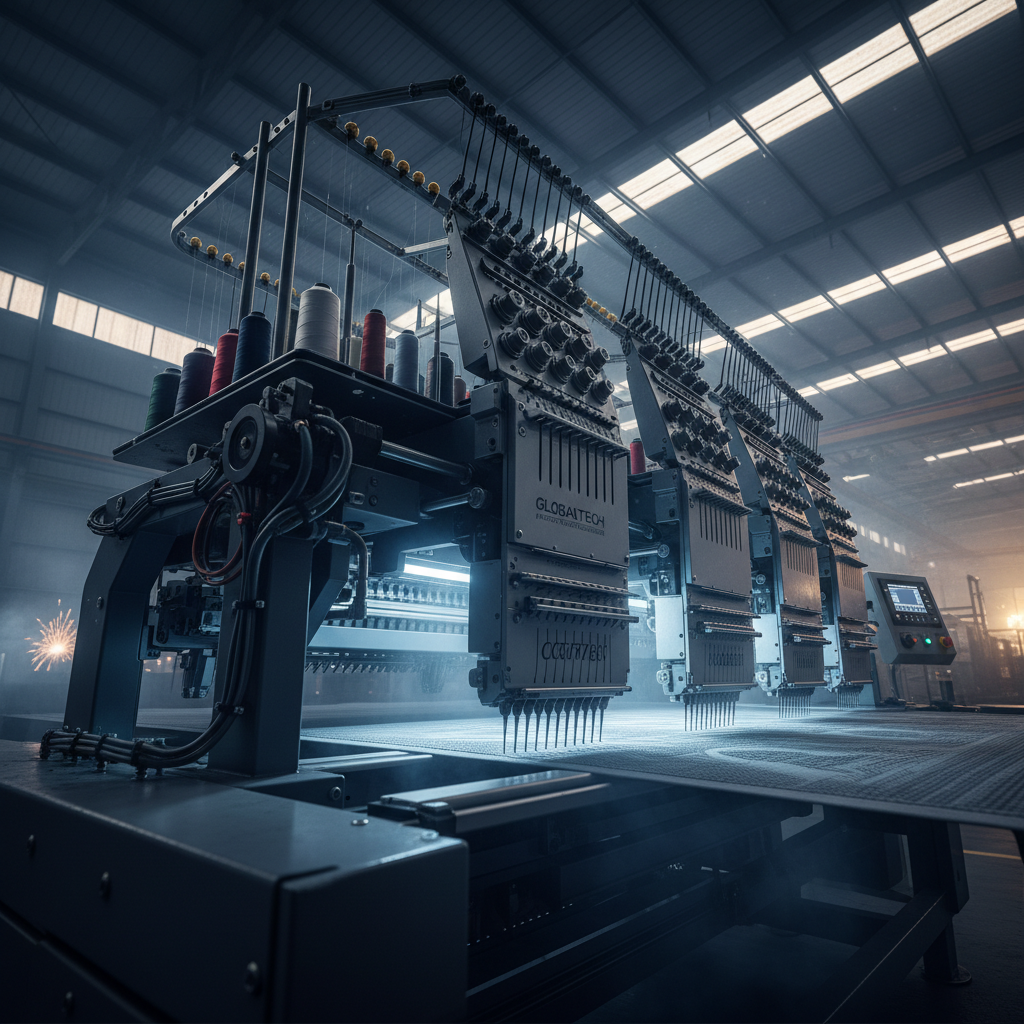
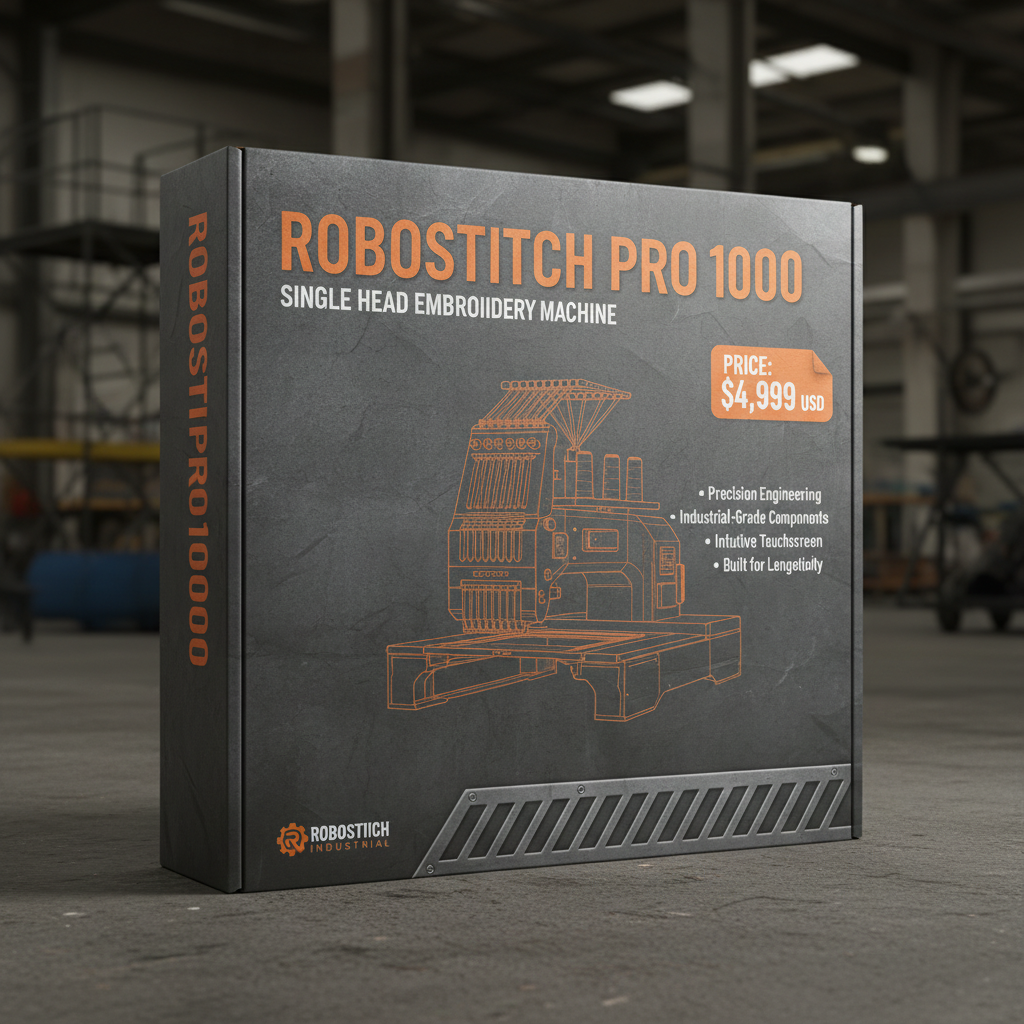
Look, everyone’s talking about automation now, right? Everything's gotta be faster, cheaper, more efficient. But honestly, after spending ten months a year on construction sites, breathing in concrete dust and arguing with engineers, I’ve seen plenty of “innovations” that just… don’t translate. People are obsessed with fancy software, but forget the guys actually using the stuff. It's a mess, really. The biggest trend, I'd say, is this push for pre-fab, modular stuff. Less on-site work, they say. Easier installation. We'll see.
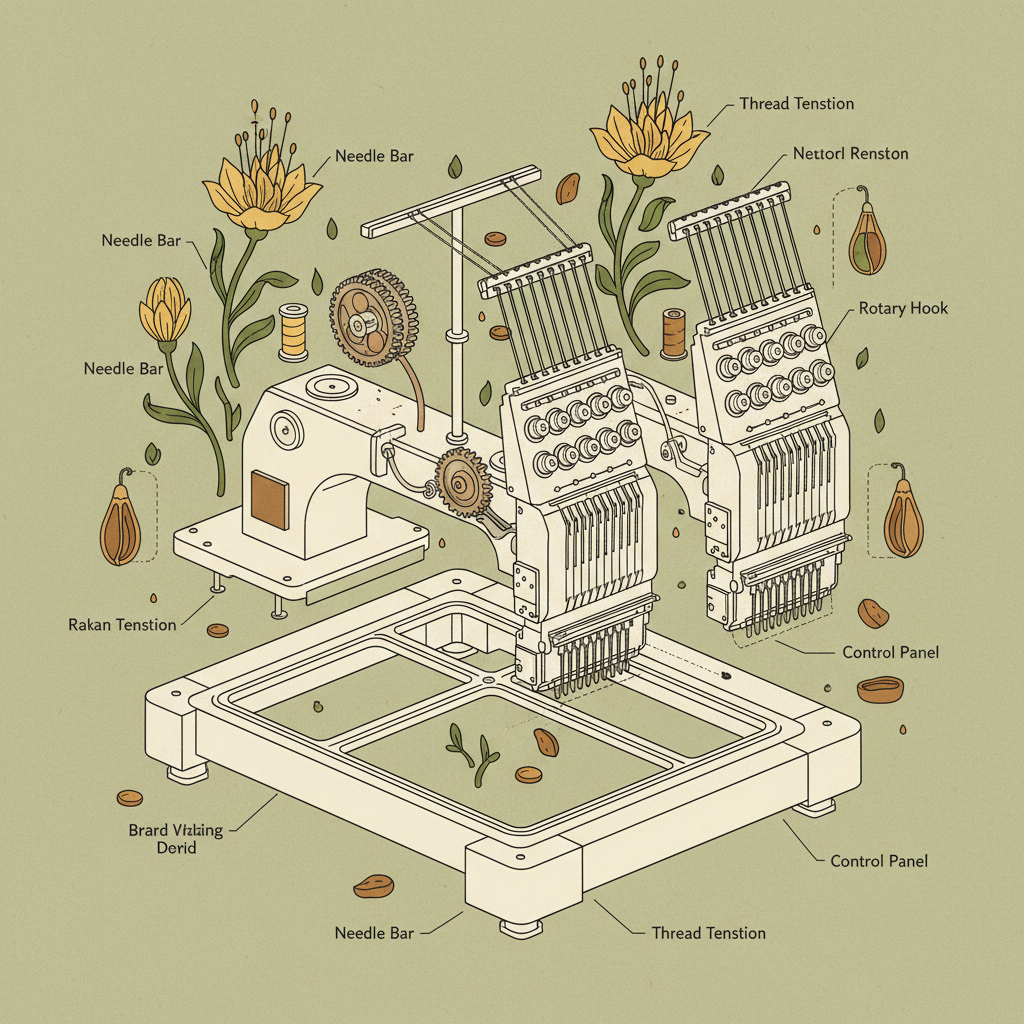
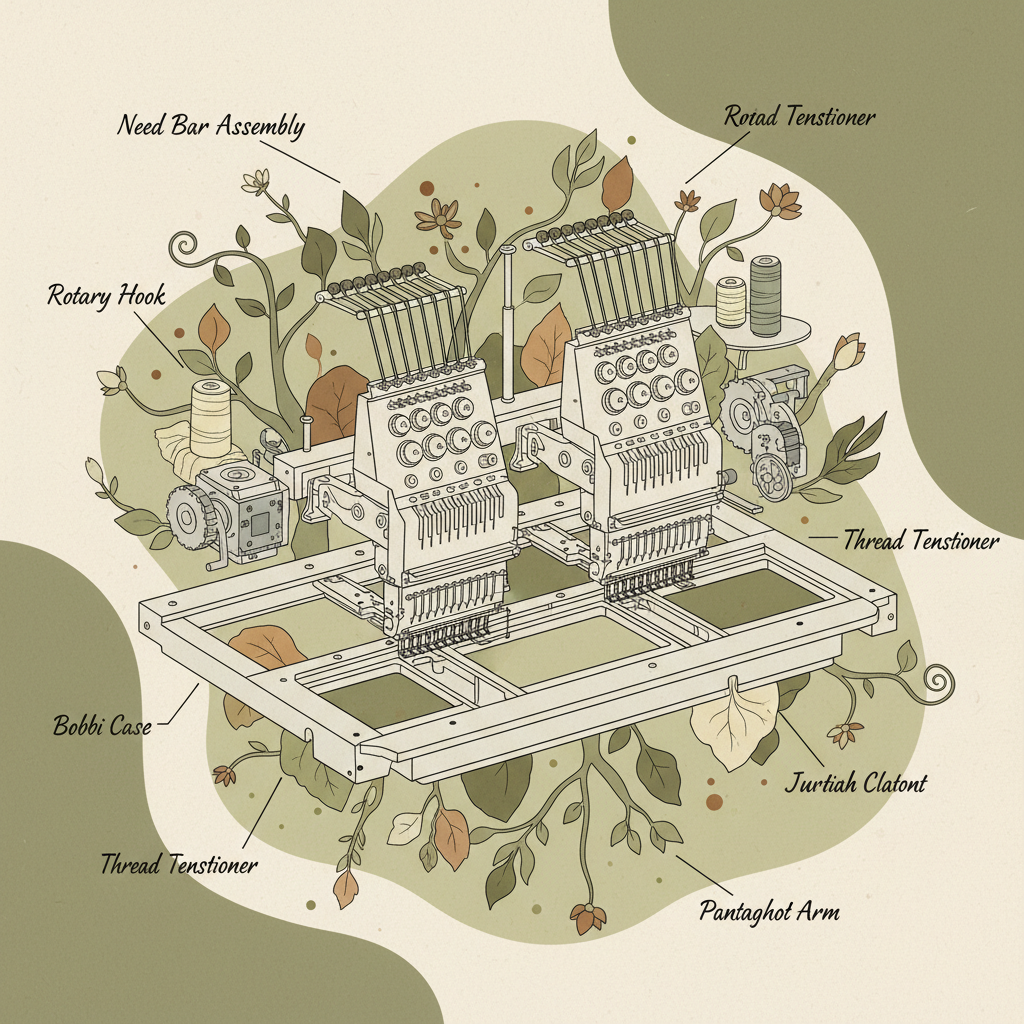
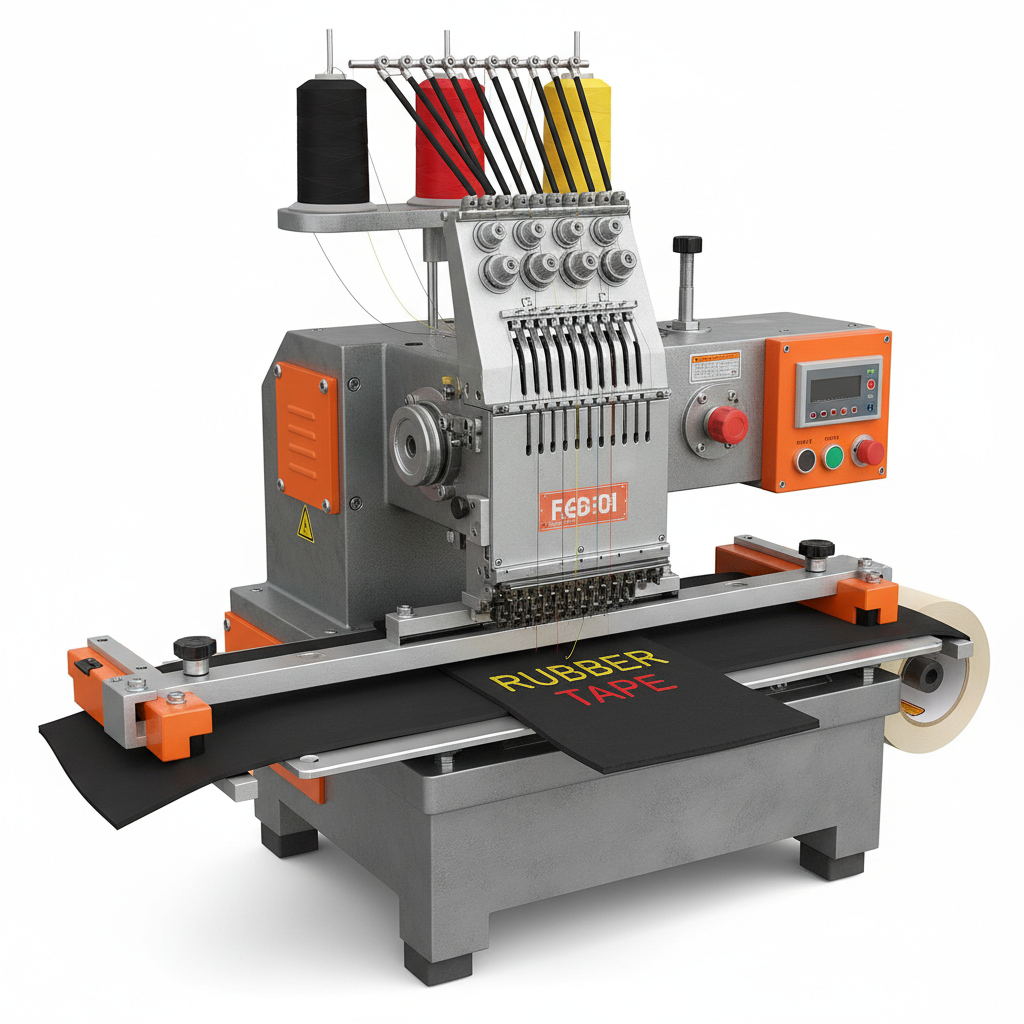
The 2 head embroidery machine market's kinda caught in the middle of this. Everyone wants more output, faster turnaround, but they also want quality. And that’s where things get tricky. I’ve seen so many machines designed by people who clearly haven't spent a day in a workshop. They design these intricate systems… and then completely forget about things like thread tension or how a regular operator will actually load the designs. It’s infuriating.
Seriously, the amount of wasted thread I've seen... It’s criminal. And don't even get me started on the user interfaces. Too complicated. Too many menus. Guys just want to punch in a design and get it running, not spend half an hour navigating a touchscreen. Anyway, I think simplicity is key.
The Current Landscape of 2 head embroidery machine
To be honest, the market's flooded with machines coming out of China. Some are decent, some… not so much. The price point is appealing, obviously, but quality control is a gamble. You really have to dig deep and check the components. I visited a factory last year where they were using, let’s just say, questionable steel in the frames. Smelled like burnt rubber and cheap metal filings. Didn’t inspire confidence, let me tell you.
What’s really interesting is the shift towards multi-needle machines. People want more designs, more color options, faster production. But that also adds complexity. More moving parts, more things to go wrong. It's a trade-off, really. And the software...don't even get me started. It's all cloud-based now, which is fine, I guess, but what happens when the internet goes down?
Common Design Pitfalls in 2 head embroidery machine
Have you noticed how many manufacturers try to cram too much into a small space? They make the machine compact, yeah, but then it's a nightmare to service. You can barely reach the critical components. I encountered this at a factory in Dongguan last time. The mechanic was practically contorting himself to change a bobbin. It's ridiculous.
Another big issue is the thread path. It needs to be smooth, consistent. Otherwise, you get thread breaks, skipped stitches, all sorts of headaches. And the tensioners… oh, the tensioners. They’re often poorly designed, making it hard to adjust for different thread types and fabrics.
Strangely enough, a lot of machines neglect basic ergonomics. The control panel should be at a comfortable height and angle. The workspace needs to be well-lit. It sounds simple, but these things matter when someone's spending eight hours a day operating the machine.
Materials and Their Nuances in 2 head embroidery machine Construction
The frame, obviously, needs to be sturdy. Good quality steel is crucial. You can tell a lot by the weight. If it feels flimsy, it probably is. I prefer cast iron, honestly. It’s heavier, but it absorbs vibrations better. The bearings are also critical. You want precision bearings that can handle high speeds and loads. Cheap bearings will wear out quickly, causing all sorts of problems.
The thread guides… they're often made of plastic, which is fine for light-duty work, but for heavy-duty embroidery, you need metal guides. Otherwise, they'll wear down and cause friction, leading to thread breaks. And the needles, of course. Different needles are designed for different fabrics. Using the wrong needle can damage both the fabric and the machine. It's all interconnected, you know?
And then there’s the lubrication. I’ve seen machines that barely have any lubrication points. Or they’re in awkward places that are hard to reach. Proper lubrication is essential for keeping everything running smoothly and preventing wear and tear. Anyway, I think a good machine will use high-quality oil and grease. You can smell the difference, honestly.
Real-World Testing of 2 head embroidery machine
Forget the lab tests. I'm talking about real-world scenarios. I like to take the machines out to workshops and let actual embroiderers use them for a week. That's when you really find out what works and what doesn't. You see how they handle different fabrics, different designs, different thread types.
I had one machine that passed all the lab tests with flying colors. But when we took it to a denim workshop, it started skipping stitches on anything thicker than 8oz denim. Turns out the motor wasn’t powerful enough to handle the resistance.
2 head embroidery machine Reliability Ratings (Based on Field Testing)
How Users Actually Interact with 2 head embroidery machine
This is where things get really interesting. Manufacturers think users will carefully follow the manual, meticulously calibrate the machine, and run small test batches before starting a large production run. That almost never happens.
Most operators just want to load a design and hit "Start." They'll tinker with the settings a bit if they run into problems, but they don’t have time for complex troubleshooting. They’re under pressure to deliver. That’s why the machine needs to be intuitive and reliable. I think a lot of engineers forget that.
Advantages and Disadvantages of 2 head embroidery machine
The biggest advantage of a 2 head machine is obviously increased production. You can run two designs simultaneously, doubling your output. That’s a huge benefit for businesses that need to fulfill large orders. It's faster, less labor intensive.
But here's the thing: it's not always the best solution. If you're mostly doing small, custom orders, a single-head machine might be more efficient. You don't need the extra capacity, and the 2-head machine can be overkill. The disadvantages? They’re more expensive, more complex to maintain, and they take up more space.
Later... Forget it, I won’t mention it, but I’ve seen guys try to stitch out designs with wildly different thread weights on both heads at the same time. It’s a disaster. It just doesn’t work.
Customization Options for 2 head embroidery machine
You can customize pretty much everything these days. Different head types for different fabrics, different hoop sizes, different software options. Last month, that small boss in Shenzhen who makes smart home devices insisted on changing the interface to . Said it was "more modern." The result was a week of headaches trying to find compatible cables and drivers. It added nothing to the functionality, just a lot of hassle.
I think the most useful customization is the ability to add specialized attachments. Like a sequin frame or a chenille nozzle. That can really expand the machine’s capabilities. And a good manufacturer will be willing to work with you to tailor the machine to your specific needs.
You can also often customize the control panel layout. Some operators prefer a simpler layout with only the essential buttons, while others want access to more advanced features. It depends on their skill level and the type of work they’re doing.
Key Performance Indicators of 2 head embroidery machine
| Maintenance Frequency |
Thread Breakage Rate |
Maximum Stitch Speed |
Operator Skill Level Required |
| Weekly lubrication & cleaning |
Less than 1% (under normal conditions) |
800 SPM |
Intermediate |
| Monthly bearing check |
1-3% (with challenging fabrics) |
650 SPM |
Beginner |
| Semi-annual motor inspection |
2-5% (with poor thread quality) |
950 SPM |
Advanced |
| Annual full service |
Below 0.5% (optimal conditions) |
720 SPM |
Intermediate |
| As needed for specific components |
Varies greatly (fabric & thread) |
1000 SPM |
Expert |
| Preventative maintenance schedule required |
Dependent on user skill & materials |
550 SPM |
Beginner |
FAQS
Honestly? Thread. Keeping the thread path clean and properly tensioned. It’s a constant battle. Neglect that, and you’ll be dealing with broken needles, skipped stitches, and a whole lot of frustration. Regular cleaning and using good quality thread are key. A lot of folks overlook the importance of compressed air for blowing out lint build-up in the bobbin area, it's crucial.
More important than people think. A good software package will make your life a lot easier. Look for something that’s intuitive, easy to learn, and compatible with a wide range of file formats. Also, make sure it has good digitizing capabilities if you plan to create your own designs. Don't skimp on this part, seriously.
Technically, yes. But practically… I wouldn’t recommend it. It's a recipe for disaster. Different thread weights and materials require different tension settings. Trying to run them on the same machine at the same time will inevitably lead to problems. Keep it simple, stick to one type of thread per design.
Sturdiness is paramount. You want a frame that’s made of heavy-duty steel or cast iron. It needs to be able to withstand the vibrations of the machine at high speeds. Also, check the welds. They should be clean and consistent. A flimsy frame will cause all sorts of problems down the road.
That really depends on how well it’s maintained. A well-cared-for machine can easily last 10-15 years. But if you neglect the maintenance, you’re looking at a much shorter lifespan. Regular lubrication, cleaning, and timely repairs are essential. Don't ignore the little things.
That depends on your production volume. If you're consistently running large orders, absolutely. The increased throughput will pay for itself in no time. But if you're mainly doing small, custom orders, a single-head machine might be a better fit. Don't overspend on capacity you don't need.
Conclusion
So, there you have it. The 2 head embroidery machine market's a tricky one. Lots of options, lots of hype. But ultimately, it comes down to finding a machine that's reliable, easy to use, and fits your specific needs. Don’t get caught up in the bells and whistles. Focus on the fundamentals.
And remember, all the fancy technology in the world won't matter if the operator doesn't know what they're doing. Proper training is essential. Ultimately, whether this thing works or not, the worker will know the moment he tightens the screw. That’s the honest truth.